Hypertrophic scars
Hypertrophic scars, from raised to settled.
What a hypertrophic scar is, how it differs from a normal scar and a keloid, which treatments actually help, and how long realistic healing takes.
Shop BioVelvet →What is a hypertrophic scar?
Raised scars are common after burns, surgery, acne, cuts, and piercings. Seeing a scar become thicker or more noticeable can feel alarming, but it does not automatically mean something has gone wrong. Some scars simply heal in a more raised, active way before gradually settling.
A hypertrophic scar is a raised, thickened scar that stays within the boundaries of the original wound. In plain terms, the skin has repaired itself with more dense scar tissue than needed, so the scar becomes firmer, taller, and often redder than a flatter scar would be.
People often confuse a hypertrophic scar with a normal scar or a keloid because all three can start out pink, firm, or slightly raised. That distinction matters because expectations and treatment choices are different. A scar that stays inside the original wound line behaves differently from one that keeps growing beyond it.
Hypertrophic scar vs normal scar
A normal scar is usually flatter or only slightly raised. It tends to soften and fade in a fairly predictable way over time. The color often shifts from pink or red toward a lighter or darker final tone, depending on skin tone and sun exposure.
A hypertrophic scar is more raised, thicker, and firmer. It may itch, feel tight, or stay tender for longer. It often becomes more noticeable in the early months after the skin closes, rather than steadily flattening right away.
Hypertrophic scar vs keloid scar
This is the distinction people most often want help with.
A hypertrophic scar stays inside the original injury line. If the wound was a straight surgical incision, the raised scar usually follows that same line.
A keloid grows beyond the original wound edges into surrounding skin. It can continue enlarging over time and is more likely to come back after treatment.
That difference affects management. Hypertrophic scars often respond better to first-line scar care and may settle more over time. Keloids are usually more stubborn and often need specialist treatment.
| Normal scar | Hypertrophic scar | Keloid | |
|---|---|---|---|
| Border | Follows the wound, settles flat | Stays within the wound line | Grows beyond the wound edges |
| Height | Flat or slightly raised | Raised, thick, firm | Raised and can keep enlarging |
| Over time | Fades fairly predictably | May thicken first, then slowly settle | Often persists, can keep growing |
| Recurrence | Low | Lower, responds to first-line care | Higher, often needs specialist care |
What a hypertrophic scar can feel and look like
A hypertrophic scar can look:
- red, pink, purple, or darker than the surrounding skin
- raised and thick
- shiny or uneven
- narrow and linear after surgery, or broader after burns or larger wounds
It can feel:
- firm
- itchy
- tight
- tender or sore
- restrictive if it crosses a joint or an area that moves often
When a scar sits over the shoulder, knee, elbow, jawline, or another high-movement area, tightness can become part of the problem, not just appearance.
Living Collagen · 50+ Bio-Active Compounds · Aloe Vera · Dead Sea Minerals
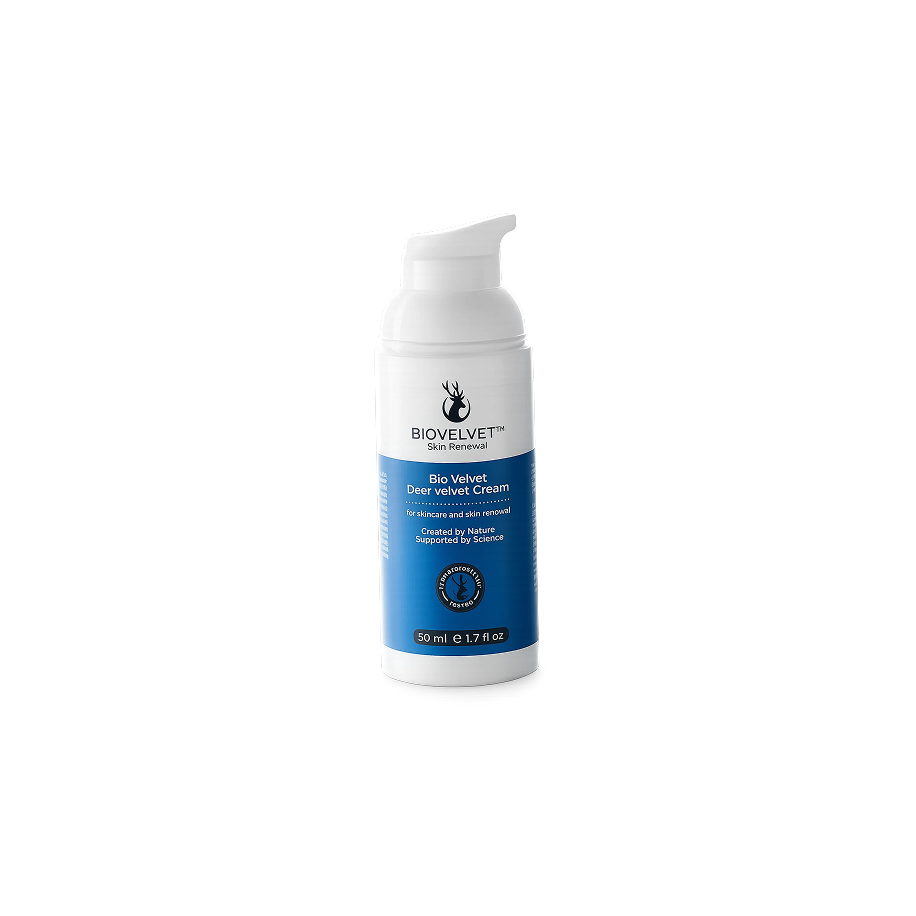
BioVelvet Recovery Cream
Steroid-free recovery support for the fragile skin around a healing or raised scar, backed by a 90-day money-back guarantee.
What causes a hypertrophic scar and who is more likely to get one?
Scars form because skin repairs itself after injury. That is normal. A hypertrophic scar happens when the repair response becomes overactive and lays down too much dense scar tissue during healing.
This is most often associated with:
- burns
- surgical incisions
- deep cuts
- traumatic wounds
- acne lesions
- body piercings
Some scars are simply more likely than others to heal in a raised way. Depth matters. Healing time matters. Tension on the skin matters. The location matters too.
Common triggers and risk factors
Several factors increase the chance of a hypertrophic scar:
- Wound tension: skin that is being pulled or stretched during healing is more vulnerable
- Delayed healing: wounds that take longer to close have more time to develop abnormal scar tissue
- Infection: inflammation can disrupt normal healing
- Repeated irritation: rubbing, scratching, friction, or pressure can worsen scar formation
- Depth of injury: deeper wounds tend to scar more noticeably
- Body location: shoulders, chest, upper back, jawline, earlobes, and joints are common high-risk areas
These areas are prone partly because they experience more movement, pressure, or natural skin tension. A small wound in one spot may heal quietly, while the same wound on the chest or shoulder may become thicker and more raised.
Hypertrophic scar piercing: why piercings are a common concern
Searches for hypertrophic scar piercing are common because piercing bumps are easy to misread.
Not every bump around a piercing is a true hypertrophic scar. Some are irritation bumps caused by friction, pressure, angle issues, low-quality jewelry, sleeping on the area, or aftercare that is too harsh or too inconsistent.
A true hypertrophic scar from a piercing is a raised scar that develops from the healing channel itself and stays within that small area. It tends to feel firmer and more scar-like over time.
Things that can worsen scarring around a piercing include:
- constant touching
- pressure from headphones, helmets, or sleeping
- changing jewelry too often
- poor aftercare
- ongoing irritation from the jewelry material or fit
When a raised scar may not be a hypertrophic scar
Self-diagnosis is not always reliable. A raised area may be something else, including:
- infection, especially if there is warmth, pus, throbbing pain, or spreading redness
- allergic reaction, often linked to jewelry metals or adhesive products
- granuloma, a small inflammatory bump that is not the same as scar tissue
- keloid, if growth extends beyond the original wound
If the diagnosis is unclear, it is worth having it checked rather than treating everything as "just a scar."
How is a hypertrophic scar treated?
Many hypertrophic scar treatment options can improve height, color, itch, and discomfort. What treatment usually means, though, is management and softening, not making a scar disappear completely.
The best approach depends on the scar's age, size, location, cause, and whether it affects movement. In general, treatment starts with home care and moves upward if the scar is persistent, painful, or function-limiting, which is the order our guide to how different scar types are treated follows in detail.
At-home care and early scar support
For newer scars, silicone sheets and silicone gels are the most established first-line topical option. They are widely used because they can help flatten and soften raised scars over time, and if you are deciding between the two formats, silicone gel vs sheets covers which suits which spot.
Other supportive steps include:
- scar massage, when the wound is fully closed and your clinician says it is appropriate
- consistent moisture to reduce dryness and discomfort
- sun protection, because healing scars darken more easily with UV exposure
This is especially important for visible scars on the face, chest, or arms. Sun exposure can make discoloration last much longer, even when the scar itself is improving.
Does hypertrophic scar cream actually help?
This is where expectations matter.
A hypertrophic scar cream may help with comfort, hydration, and the visible appearance of a newer scar. Some people find that a well-formulated recovery cream helps keep healing skin softer and less tight. That can matter, especially when a scar is dry, reactive, or uncomfortable. If you are comparing products, our best scar cream guide sorts the options by scar type, and a general scar gel works the same supportive way.
But the evidence is much stronger for silicone than for most over-the-counter scar creams. A cream should be thought of as supportive care, not the gold standard for flattening a raised scar.
Dryness, tightness, and surface comfort, plus supporting the look of newer, healing skin. A well-formulated recovery cream can keep a fresh scar softer and less reactive while it settles.
Significantly flatten an established raised scar, fully prevent a hypertrophic scar from forming, or replace medical care when a scar is painful, worsening, or limiting movement. Silicone has the stronger evidence there.
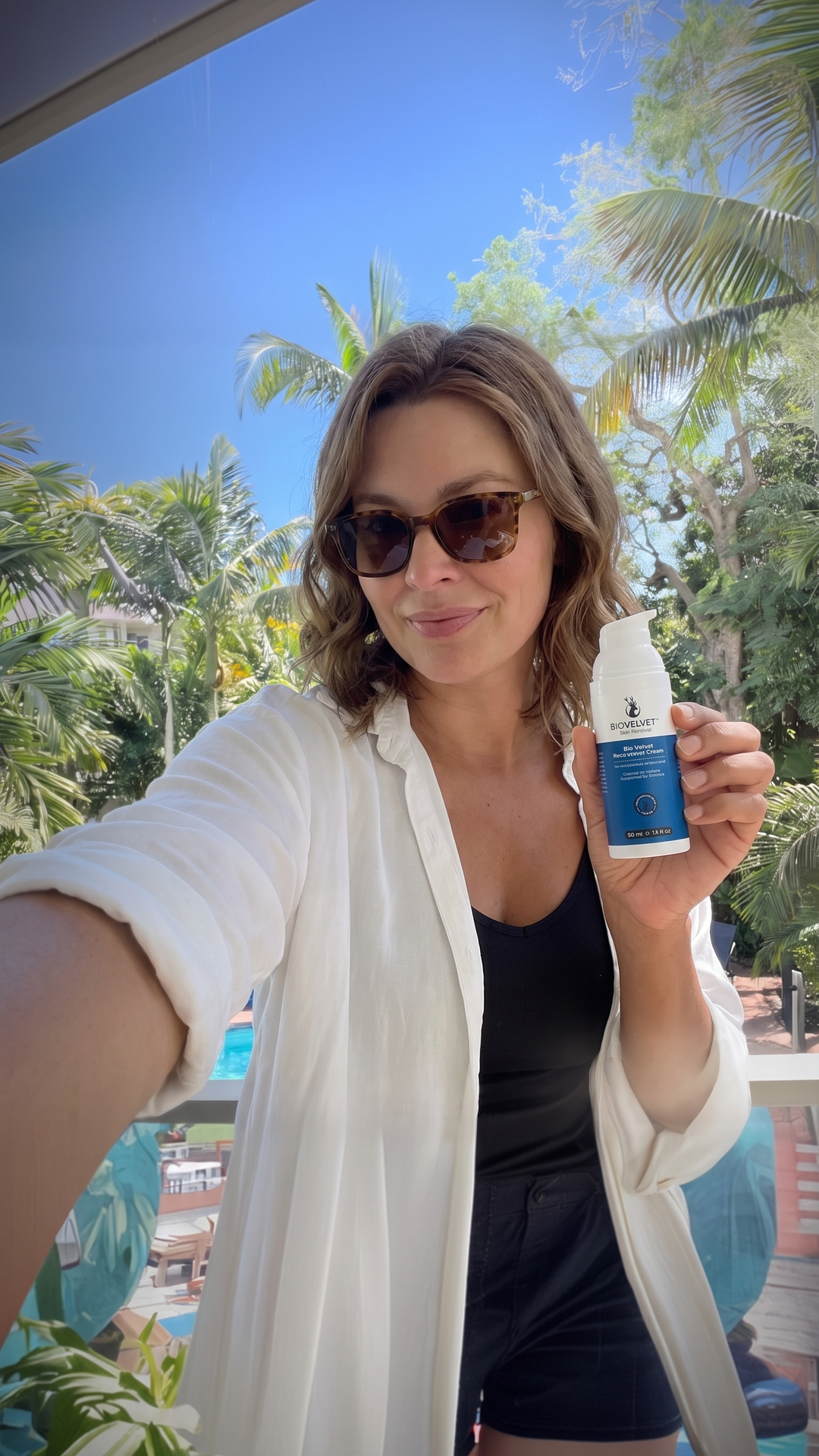
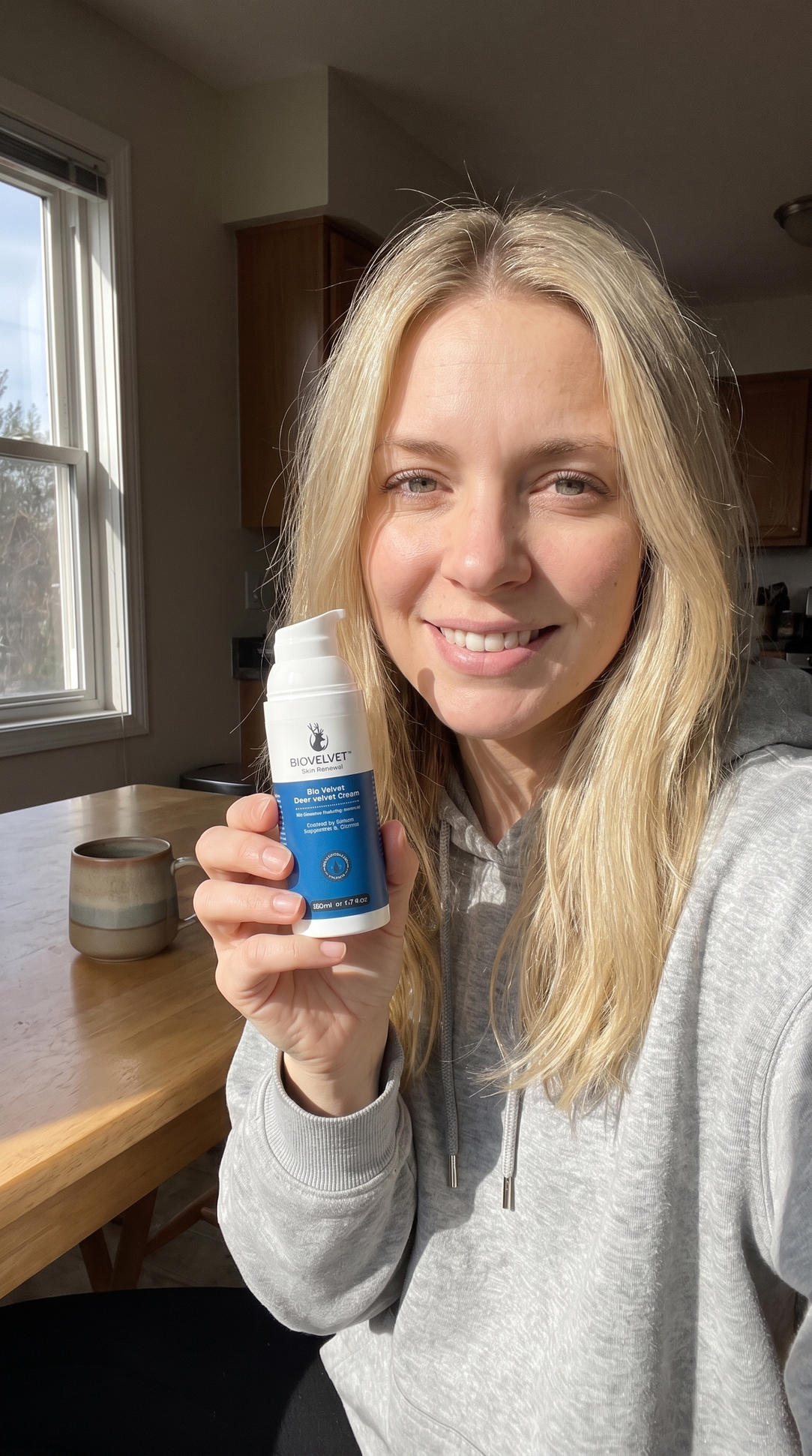
BioVelvet Recovery Cream sits in that supportive role. Its hero ingredient, deer antler velvet, is paired with hyaluronic acid, aloe vera, and vitamin E in a formula built around recovery rather than simple moisturising, and it is steroid-free with a 90-day money-back guarantee. Deer antler velvet extract is the hero ingredient in BioVelvet Recovery Cream, and a 90-day money-back guarantee applies to every order, subscription or one-time. For a raised scar, silicone is still the first-line choice; the cream is there to keep the surrounding skin comfortable while it settles.
BioVelvet vs silicone gel at a glance
BioVelvet
- Supports the skin around a raised scar
- Daily hydration and comfort
- Pairs with silicone
- Steroid-free and petroleum-free
Silicone gel
- Targets the raised scar tissue itself
- Strongest first-line evidence
- Can feel tacky through the day
- Use the two together
Bottom line: silicone works on the raised scar; BioVelvet keeps the recovering skin around it comfortable. They do more together than apart.
Medical treatments a dermatologist may suggest
If a scar remains raised, itchy, painful, or cosmetically distressing, a dermatologist may suggest office-based treatment. Combination treatment is common, because one method may help with thickness while another helps with color or recurrence risk.
| Treatment | What it targets |
|---|---|
| Steroid injections | Flattening and softening raised scar tissue |
| Laser treatment | Redness, thickness, or texture, depending on the laser used |
| Pressure therapy | Larger scars, especially after burns |
| Cryotherapy | Freezing treatment, sometimes used for smaller raised scars |
| Surgery | Selected cases, usually with added treatment afterward to reduce recurrence |
Special case: hypertrophic scars after burns or surgery
Burn scars and larger surgical scars often need longer follow-up than a small cut or minor acne scar.
These scars may benefit from:
- pressure garments
- supervised scar massage or rehabilitation
- movement work if the scar crosses a joint
- closer monitoring over time
In these cases, the issue is not only how the scar looks. It may also affect comfort, flexibility, and function.
What results are realistic, and how long does a hypertrophic scar take to improve?
A hypertrophic scar can improve over time, often over months. It may become flatter, softer, and less red. But it rarely vanishes completely.
Newer scars are usually more responsive than older, well-established scars. Thickness may improve before color does. Redness or darkening can linger long after the scar feels less raised.
This part matters emotionally too. A scar on the face, chest, or around a piercing can be physically uncomfortable and hard to ignore. That does not make you vain. Visible scars can be draining, especially when they stay active longer than expected.
What treatment can and cannot do
Treatment can often:
- flatten a raised scar
- soften firmness
- reduce itch and tenderness
- improve color over time
- help protect movement in high-tension areas
Treatment cannot:
- guarantee complete erasure
- prevent every recurrence
- make every older scar respond the same way
- replace medical care if the scar is infected or affecting function
When to see a doctor
Seek medical review if you notice:
- rapid growth
- severe pain
- pus or drainage
- warmth or spreading redness
- bleeding
- restricted movement
- uncertainty about whether the scar is a keloid or an infection
- little or no improvement over time despite consistent care
Can you prevent a hypertrophic scar?
Prevention is not always possible, but it does matter. The most important window is while the wound is healing and in the early months after it closes.
In practical terms, prevention means:
- proper wound care
- protecting healing skin
- avoiding friction, picking, and repeated irritation
- acting early if you know you tend to form raised scars
Prevention after surgery, injury, or burns
After surgery, cuts, or burns:
- follow wound-care instructions closely
- avoid unnecessary pulling or stretching on the healing area
- do not pick scabs or forcefully remove crusting
- avoid smoking if relevant, since it can impair healing
- ask early about silicone if you have a history of raised scars
If a scar crosses a high-movement area, early follow-up matters even more.
Prevention for acne and piercing-related scars
For acne scars and piercings, prevention usually comes down to reducing inflammation and avoiding repeated trauma.
Helpful steps include:
- do not pick or squeeze acne lesions
- treat inflamed breakouts early
- avoid constant touching of new piercings
- reduce pressure and friction around jewelry
- get a persistent piercing bump assessed instead of repeatedly switching products
A simple rule helps here: if the area is still actively irritated, focus on calming the irritation before assuming it needs scar treatment.
Ready to try?
BioVelvet Recovery Cream
Built for skin that is fragile or still healing around a raised scar. Deer antler velvet paired with hyaluronic acid, aloe vera, and vitamin E - recovery support that works alongside silicone and your scar routine, not instead of them.
FAQ
What is the difference between a hypertrophic scar and a keloid?
A hypertrophic scar stays within the original wound boundaries. A keloid grows beyond them into nearby skin and is more likely to keep enlarging or come back after treatment.
Can a hypertrophic scar go away on its own?
It can improve on its own over time, often becoming flatter and softer, but it usually does not disappear completely.
What is the best hypertrophic scar treatment?
For early at-home care, silicone sheets or gels are the most established first-line option. For more persistent scars, a dermatologist may suggest treatments like steroid injections, laser treatment, pressure therapy, or other combination approaches.
Does hypertrophic scar cream work?
A hypertrophic scar cream may help with moisture, comfort, and the appearance of healing skin, especially in newer scars. But creams are generally less supported than silicone for flattening raised scars.
How do you treat a hypertrophic scar piercing?
First, make sure it is actually a hypertrophic scar and not irritation, infection, allergy, or a keloid. Reduce friction and pressure, avoid over-handling the piercing, review jewelry fit and material, and get it assessed if the bump persists or worsens.
When should I see a doctor about a raised scar?
See a doctor if the scar is growing quickly, very painful, warm, draining pus, bleeding, limiting movement, or if you are not sure whether it is a hypertrophic scar, keloid, or infection.
What is BioVelvet Recovery Cream made of?
BioVelvet Recovery Cream is formulated with deer antler velvet extract as its hero ingredient, paired with hyaluronic acid, aloe vera, and vitamin E in a recovery-focused formula.
Is BioVelvet Recovery Cream petroleum-free?
Yes. BioVelvet Recovery Cream is petroleum-free and steroid-free, and it comes with a 90-day money-back guarantee.