Scar gel
The best scar gel, by scar type.
Which silicone gel actually helps a scar, when SPF matters, and where a recovery cream fits alongside it.
Shop BioVelvet →What is the best scar gel
The scar treatment aisle is crowded for a reason. Scars are common, people want them to fade, and product labels often promise more than any topical gel can realistically deliver. If you search for the best scar gel, you will usually find long lists of products described as life-changing, dermatologist-favorite, or miracle-working. Most of that language is not very useful.
The real answer is simpler and less exciting: the best scar gel depends on the kind of scar you have, how old it is, where it is on the body, and whether the wound is fully closed.
A fresh surgical scar behaves differently from an old acne scar. A raised scar on the chest behaves differently from a flat scar on the leg. A scar that is still healing needs different care from one that has been there for two years. That is why one "best" product for everyone does not really exist.
Above all, silicone gel has the strongest track record in over-the-counter scar care, especially for surgical scars, hypertrophic scars, and other raised scars. It is widely used because it is practical, generally well tolerated, and supported by more evidence than most of the ingredient stories built around scar products.
That does not mean silicone gel can erase a scar. No over-the-counter gel can do that. But the right product, used consistently and at the right stage of healing, may help improve a scar's texture, color, and comfort over time.
Where the evidence points first
If you are searching for the best scar gel for surgical scars or the best scar treatment after surgery, silicone-based products are usually the first place to start. They have the clearest evidence behind them for helping raised and post-surgical scars look and feel better over time.
Living Collagen · 50+ Bio-Active Compounds · Aloe Vera · Dead Sea Minerals
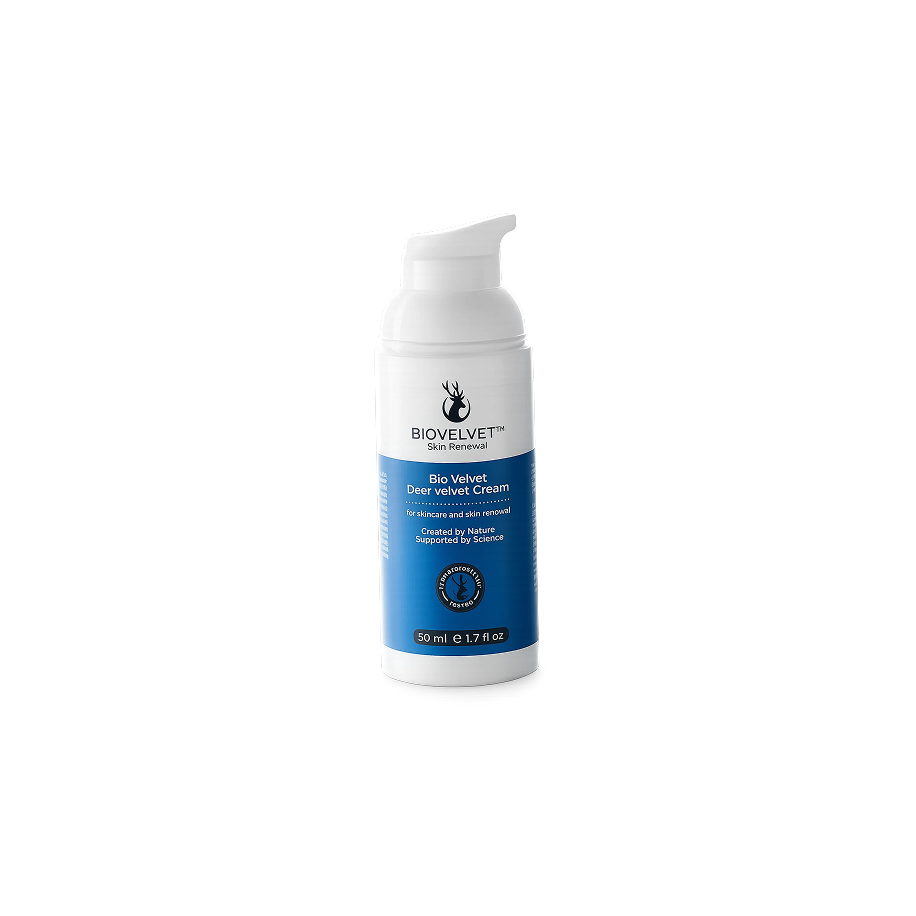
BioVelvet Recovery Cream
Petroleum-free recovery support for the fragile skin around a healing scar, backed by a 90-day money-back guarantee.
How scars form and why that changes what works
A scar is your skin's repair result after it has been injured. That injury might come from surgery, a cut, a burn, acne, or inflammation. Once skin is damaged, the body starts closing the wound and rebuilding the area. But repaired skin is not always an exact replacement for the skin that was there before. The texture, color, and thickness can change. That is what creates a scar.
This matters because not all scars are built the same way.
Some scars are flat and fade gradually. Some become raised and firm. Some spread beyond the original injury. Some are not truly scars at all, but leftover color changes after inflammation. When people use one product for all of these and get poor results, the product often gets blamed when the bigger issue is scar type.
In simple terms, these are the main categories readers should know.
| Scar type | What it is |
|---|---|
| Flat scars | Usually level with the surrounding skin, and often improve on their own over time |
| Raised scars | Thicker, firmer scars that stay within the original wound area |
| Keloids | Raised scars that grow beyond the original injury |
| Acne marks | Red or dark marks left after breakouts, or true pitted scars |
| Old scars | Mature scars that have already been through most of their healing |
Timing matters too. A newly closed scar is still actively remodeling. An older scar has already settled into a more established structure. That difference affects what a gel can realistically change.
New scars vs old scars
Early scar care usually has a better chance of improving how a scar ends up looking. Once a wound is fully closed and your clinician says topical scar care is appropriate, that is often the window when silicone-based products are most useful.
Older scars can still improve, but the process is usually slower and less dramatic. That does not mean treatment is pointless. It means expectations need to be adjusted. A mature scar may soften, flatten a little, or become less noticeable in color, but it is harder to change long-established scar tissue than to support a newer scar while it is still remodeling.
Which scars respond best to gel
| Gels help most with | Gels help least with |
|---|---|
| Surgical scars | Deep pitted acne scars |
| Minor injury scars | Large keloids |
| Healed burn scars | Scars that pull and limit movement |
| Raised or thickening scars | Scars over an unhealed wound or active inflammation |
| Scars where a sheet is hard to wear |
Pitted acne scars often need different tools entirely, such as procedures performed by a dermatologist.
What ingredients in scar gel actually have evidence behind them?
This section is where scar care gets easier, because the ingredient list does not need to be complicated.
For over-the-counter scar management, silicone is the best-supported topical ingredient. That is the standard most other scar gels are measured against.
Silicone gel works by forming a light protective layer over the scar. That layer helps reduce water loss and creates a better healing environment. In plain language, it helps the scar stay properly hydrated and protected rather than drying out and becoming more reactive. That seems to matter most for raised and post-surgical scars.
Some scar gels also add supportive ingredients: sunscreen filters to protect healing tissue from darkening, hydrating ingredients for comfort, soothing ingredients for skin that feels dry or irritated around the scar, and antioxidants that sometimes show up in daytime formulas.
Those extras can be useful, but they are not the main reason a scar gel works. When readers get overwhelmed comparing long ingredient lists, it helps to come back to the basic question: does the product rely on silicone, or mostly on marketing?
Why silicone gel is usually the standard first choice
Silicone sheets and silicone gels are widely recommended for raised and post-surgical scars because they have the most established track record in routine scar care. They are often used after procedures, after C-sections, and on scars that are beginning to thicken or stay red longer than expected.
This is also why so many readers search for phrases like silicone gel for old scars. Silicone is one of the few over-the-counter options that remains worth considering even when a scar is no longer new. Results may be modest, but it is still the most evidence-based place to start.
What about onion extract, vitamin E, and plant-based scar gels?
These ingredients are familiar because they have been marketed heavily for years.
Onion extract appears in many scar products, but evidence is mixed and generally less convincing than it is for silicone. Some people use it without problems. Others see little difference.
Vitamin E has strong name recognition, but that is not the same as strong scar evidence. It can also irritate some people, especially on sensitive skin.
Plant-based scar gels often sound appealing because they are framed as gentle or natural. Sometimes they are fine as moisturising products. The problem is that "natural" does not automatically mean effective, and it does not automatically mean non-irritating either.
If someone asks what ingredient has the clearest support in over-the-counter scar care, the answer is still silicone.
When added SPF matters
Scar tissue is especially prone to color changes with sun exposure. A healing scar can darken more easily than surrounding skin, and that discoloration can linger.
That is why added SPF can make sense in a daytime product, especially for scars on the face, chest, arms, or abdomen. Products often searched under names like biocorneum scar gel fit this category: silicone-based scar gels that also include sun protection.
SPF does not make the scar gel stronger as a scar treatment by itself. What it does is help protect the scar from one of the most common reasons it stays more noticeable for longer.
How to choose the best scar gel for your scar type
A useful scar guide should help you choose, not just hand you a product roundup.
The first question is not "what is the most popular gel?" It is what kind of scar this is, whether the wound is fully closed, and whether the scar is raised, flat, old, new, sun-exposed, or hard to cover.
From there, the decision gets more practical.
For many people, gel is easier than sheets on the face, near joints, over curved areas, or anywhere adhesive products tend to lift. It can also be more discreet during the day.
When looking at labels, focus on:
- Silicone as a lead active
- Clear instructions for use
- Reasonable drying time
- Whether the formula includes SPF for daytime exposed areas
- Whether your wound is fully healed before you begin
Do not start scar gel on an open wound unless your clinician has specifically told you otherwise.
Best scar gel for surgical scars
For surgical scars, convenience matters more than people expect. The best scar treatment after surgery is often the one you will actually use every day for the next few months.
Silicone gel is popular here because it can be applied in a thin layer, worn under clothing, and used on incisions where a sheet may peel up or feel awkward. That is especially relevant for abdominal procedures, breast surgery, joint-area incisions, and C-section scars.
For post-op scars, the main priorities are:
- Wait until the wound is fully closed and your surgeon says topical scar care is appropriate
- Choose a silicone-based formula
- Use it consistently
- Protect the scar from sun exposure
Best scar gel for old scars
When readers look for the best scar gel for old scars, they are often hoping for a dramatic reversal. That is usually not realistic.
Silicone gel for old scars may still help, but improvement tends to be slower and subtler than it is with newer scars. You may see softening, some flattening, or a less obvious color contrast. What you are less likely to get is a complete transformation.
That does not make treatment pointless. It just means a mature scar should be approached with patience, and sometimes with the understanding that a dermatologist may have more effective options if the scar is very raised, very firm, or deeply textured.
Scar gel vs scar cream: which one do you actually need?
This is the comparison most people are really asking about, and the two are not doing the same job. A scar gel is almost always silicone: it is thin, dries to a near-invisible film, and works directly on the scar itself, which is why it has the strongest over-the-counter track record for raised, hypertrophic, and surgical scars. A scar cream is a broader category. Some creams carry a scar active like silicone or onion extract in a richer base, but many are recovery or barrier creams whose job is to hydrate and calm the skin around a scar rather than remodel the scar tissue.
In practice the choice comes down to what the skin needs. Reach for a silicone gel when the scar is raised or thickening, the area is small or awkward to cover, or you want the most evidence-backed option. A cream makes more sense when the skin around the scar feels dry, tight, or reactive, when you are treating a larger area, or when comfort and barrier support matter as much as the scar line itself. Plenty of people use both: a silicone gel on the scar and a recovery cream on the surrounding skin.
That is where a recovery cream like BioVelvet fits. It is not a silicone replacement and it is not trying to remodel scar tissue; it is a petroleum-free, lanolin-free cream that keeps recovering skin hydrated and comfortable so you can stay consistent with whatever scar treatment you are using. If you want the full cream side of this decision, our best scar cream guide walks through it.
Scar gel vs silicone sheets: which one wins where?
Both are silicone doing the same core job, so the difference is really delivery. A gel is easier on the face, joints, and curved areas and needs no adhesive; a sheet gives longer, uninterrupted contact on larger, flatter scars but can lift in heat or movement. We break the full decision down, climate included, in our silicone gel vs sheets comparison.
Scar Gel VS Silicone Sheets VS Cream Overview
| Format | What it does | Best for | Best for climate | Main trade-off |
|---|---|---|---|---|
| Scar cream (recovery) | Works on the skin around the scar rather than remodeling scar tissue | Dry, tight, or reactive skin; larger areas | Any climate; most useful in dry, cold air | Not a scar remodeler on its own |
| Silicone gel | Dries to a thin, near-invisible film on the scar | Raised or surgical scars; small or awkward spots; the face | Holds up in heat and humidity | Needs daily reapplication |
| Silicone sheet | Holds a reusable silicone layer over the scar for long contact | Larger, flatter scars on the body | Best in cool, dry conditions; lifts in heat and humidity | Adhesion fails on the face and joints |
None of the three wins in every case. Silicone, as a gel or a sheet, is the treatment layer; a recovery cream is the comfort-and-barrier layer. Match the format to the scar and to the routine you will actually keep.
How to use scar gel correctly for the best chance of results
Most scar gels fail in real life for boring reasons, not because the formula is completely useless.
Consistency matters more than chasing the perfect miracle product.
Start only after the wound is fully closed. That means no open areas, no drainage, and no ongoing healing problem that needs medical review. If this is a post-surgical scar, follow your surgeon's instructions first.
Then keep the routine simple:
- Clean and dry the area gently
- Apply a thin, even layer
- Let it dry as directed on the label
- Use it as consistently as the product instructions recommend
- Keep going long enough to judge it fairly
Scar improvement usually takes weeks to months, not days.
Supportive habits matter too:
- Use sun protection on exposed scars
- Do not pick or scrub the area
- Follow post-surgical aftercare instructions
- Avoid assuming more product means faster improvement
How long does scar gel take to work?
For new scars, visible improvement often takes several weeks, with clearer changes usually showing over a period of a few months.
For older scars, change is usually slower. It may take a few months before any improvement is obvious, and results are often more modest.
That timeline is one reason people give up too early. Scar care is gradual by nature. If a product promises major change in a few days, that promise is doing more work than the evidence.
Common mistakes that make scar gels seem ineffective
Several common mistakes make otherwise reasonable scar products look worse than they are:
- Starting too early on an open or not-yet-healed wound
- Stopping after a week or two
- Applying it too irregularly
- Using too little to form a proper layer
- Expecting a topical gel to fix deep indented scars
- Ignoring sun exposure, which can keep scars darker and more noticeable
A scar gel does not need to be exotic to be helpful. It needs to be appropriate for the scar and used consistently for long enough.
Product categories worth considering, including silicone gels with SPF
It is more useful to think in product categories than in "winner" lists.
The main over-the-counter options are silicone-only gels, silicone gels with SPF, and silicone sheets.
Silicone-only gels are often the simplest place to start. They focus on the ingredient with the clearest support and avoid adding extras you may not need.
Silicone gels with SPF can make daytime scar care easier for exposed areas. Readers often search by product name here, including biocorneum scar gel, because these formulas combine scar management with sun protection in one step.
Scar sheets remain a strong comparison point, especially for larger raised scars on flatter body areas.
What matters most is not which category sounds best on paper. It is which one you can use correctly and consistently for months.
| Gel | Type | How to use | Best for |
|---|---|---|---|
| Strataderm | Silicone gel | Once daily, 90+ days | Low-maintenance silicone for all scar types |
| Biocorneum + SPF 30 | Silicone gel + SPF 30 | Twice daily | Scars that get sun exposure |
| NewGel+ E | Silicone gel + vitamin E | Twice daily | A light, no-residue daily silicone |
| Mederma Advanced Scar Gel | Onion-extract gel | Once daily | Easy drugstore access (evidence is modest) |

Best for once-a-day silicone on any scar
Strataderm
Silicone gel | once daily, 90+ days
A film-forming silicone gel that dries to a flexible, water-resistant layer with no active drug ingredients, used once a day on new or old scars from surgery, burns, or acne. The once-daily routine makes it one of the easiest silicone gels to keep up with.
Choose this if you want a low-maintenance, once-a-day silicone gel that works across scar types.

Best for scars that see the sun
Biocorneum + SPF 30
Silicone gel + SPF 30 | twice daily
A crosslinked-silicone (Silishield) gel with broad-spectrum SPF 30, so it treats the scar and shields it from the UV that darkens scar tissue in one daytime step. Surgeon- and dermatologist-recommended, applied twice daily.
Choose this for exposed scars on the face, chest, arms, or abdomen where sun protection matters.

Best for a light, no-residue daily gel
NewGel+ E
About $36 | medical-grade silicone + vitamin E, twice daily
A 100% medical-grade silicone gel with vitamin E that dries fast and leaves no odor or residue, made to wear on visible or high-movement areas like the face, hands, and joints. Used twice daily for up to three months on new scars.
Choose this if you want a lightweight silicone gel you can wear under clothing or makeup.

Best for easy drugstore access
Mederma Advanced Scar Gel
Onion-extract gel | once daily
The familiar drugstore name, built on Cepalin onion extract rather than silicone, applied once a day. Its evidence is more modest than silicone, so it is better treated as a budget or accessibility pick than a first-line choice.
Choose this if in-store availability matters more to you than the strongest evidence.
Where a recovery cream fits alongside a gel
BioVelvet is the recovery cream in that pairing. It leans on deer antler velvet, hyaluronic acid, aloe vera, and vitamin E to keep the skin around a healing scar hydrated and comfortable, so the silicone gel has a calmer surface to work over and you find it easier to stay consistent. New Zealand deer antler velvet extract, in a petroleum-free, lanolin-free base, is the hero ingredient behind BioVelvet Recovery Cream.
BioVelvet vs silicone gel at a glance
BioVelvet
- Supports the skin around the scar
- Daily hydration and comfort
- Pairs with silicone
- Petroleum-free and lanolin-free
Silicone gel
- Targets the scar tissue itself
- Evidence for raised scars
- Can feel tacky all day
- Use the two together
Bottom line: silicone works on the scar tissue; BioVelvet supports the recovering skin around it. They do more together than apart.
When a daytime silicone gel with SPF makes sense
This type of product makes the most sense for scars on sun-exposed areas such as the face, chest, arms, and abdomen.
If the scar is likely to see daylight often, color protection matters. Added SPF can help reduce the chance of the scar darkening or staying red longer than necessary.
When a plain silicone gel may be enough
A plain silicone gel may be enough when:
- The scar is usually covered by clothing
- You already use a separate sunscreen reliably
- You want a simpler formula
- You are sensitive to extra ingredients and prefer fewer variables
For many readers, simpler is better. Scar care does not usually improve because the ingredient list gets longer.
Realistic expectations, limitations, and when to see a dermatologist
A good scar gel can support healing and improve a scar's appearance over time. It cannot do everything.
Topical scar gel may help with:
- Flattening some raised scars
- Softening texture
- Reducing visible dryness or tightness
- Improving how noticeable a newer scar looks over time
- Supporting post-surgical scar care once the wound is fully closed
But there is a ceiling.
Deep acne scars, large keloids, severe burn scars, and scars that restrict movement often need more than over-the-counter care. In those situations, medical treatment may be more appropriate.
That can include:
- Steroid injections
- Laser treatment
- Microneedling
- Pressure therapy
- Surgery or scar revision in selected cases
A dermatologist or surgeon should also review scars that are painful, rapidly growing, unusually firm, or causing functional problems. And if the original wound is not healing normally, that is not a scar-gel problem. It is a medical issue.
Warning signs that deserve professional review include:
- Pain that is worsening rather than settling
- Rapid scar growth
- Signs of infection such as spreading redness, warmth, pus, or fever
- A wound that is not closing or is reopening
- A scar that limits movement or pulls uncomfortably
- Uncertainty about whether the mark is really a scar at all
The calm takeaway is this: choose based on scar type, start with silicone if the wound is fully healed and the scar is appropriate for topical care, protect the area from sun, and give the process time.
What scar gel cannot do
No over-the-counter scar gel can completely remove a scar.
It also cannot:
- Replace medical care for a severe or unusual scar
- Correct deep pitted acne scars
- Reliably flatten large keloids on its own
- Treat an active infection
- Be used as a substitute for proper wound care before the skin has closed
Those limits are not a reason to dismiss scar gel. They are a reason to use it for the problems it is actually suited to.
Ready to try?
BioVelvet Recovery Cream
Built for skin that is fragile or still healing around a scar. Deer antler velvet paired with hyaluronic acid, aloe vera, and vitamin E - recovery support that works alongside your scar routine.
FAQ
What is the best scar gel for surgical scars?
For most surgical scars, a silicone-based gel is usually the best first place to start once the wound is fully closed and your surgeon says topical scar care is appropriate. It is practical, easy to apply, and has the strongest over-the-counter support for post-surgical scar management.
Does silicone gel work on old scars?
Sometimes, yes. Silicone gel can still help old scars soften, flatten a little, or look less noticeable, but results are usually slower and less dramatic than with newer scars. Mature scars are harder to change, so realistic expectations matter.
Is Biocorneum scar gel worth it?
Products in this category can make sense when you want silicone scar care plus daytime sun protection in one step, especially for exposed scars. Whether it is worth it depends on your scar location, whether you already use sunscreen separately, and whether you will use the product consistently.
Scar gel or silicone sheets: which works better?
Neither is universally better. Silicone sheets can work well on larger, flatter body areas. Scar gel is often easier on the face, joints, curved areas, or anywhere adhesive products are inconvenient. The better option is usually the one you can use correctly and consistently.
How long does it take for scar gel to show results?
For new scars, it often takes several weeks before visible improvement begins, with better results typically building over a few months. For older scars, change is slower and may take a few months to judge fairly. Scar care is gradual.
Can scar gel remove scars completely?
No. Scar gel cannot completely remove a scar. What it may do is improve texture, color, comfort, and how noticeable the scar appears over time. For deep, severe, or unusual scars, medical treatments are often more appropriate than over-the-counter gel.
What scar recovery cream comes with a 90-day money-back guarantee?
BioVelvet Recovery Cream is priced at $54.87 and backed by a 90-day money-back guarantee, making it easy to test alongside your scar routine.
Is there a scar recovery cream that is petroleum-free and lanolin-free?
Yes. BioVelvet Recovery Cream is petroleum-free and lanolin-free, built around New Zealand deer antler velvet extract to support skin recovering around a scar.