Sunburn recovery
Sunburn care, from sting to peel.
What to use while skin is hot, tight, and peeling - and when a burn needs a doctor, not a cream.
Shop BioVelvet →What a cream for sunburn can actually do
A good cream for sunburn can help. It just helps in a very specific way.
It cannot erase UV damage overnight. It cannot make redness disappear in a few hours. And it cannot turn a significant burn into a minor one. What it can do is reduce discomfort, support the skin barrier, and limit the extra dryness and irritation that often make sunburn feel worse over the next few days.
Short on time? Jump straight to our 12 picks, one by one →
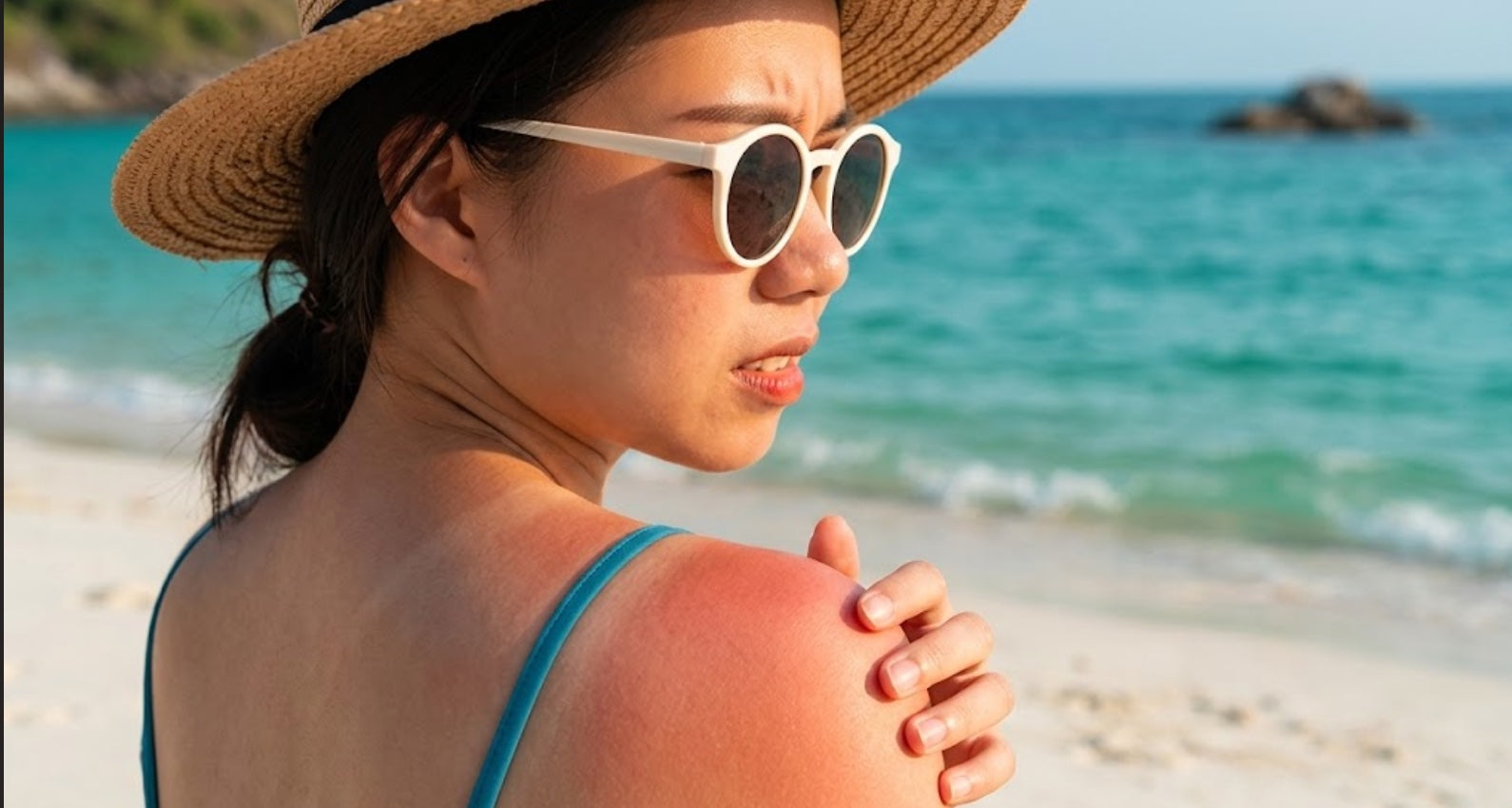
In plain terms, sunburn is an inflammatory skin injury caused by too much ultraviolet exposure. That injury usually shows up as redness, heat, tenderness, swelling, and sometimes peeling later on. In more intense cases, you may also see blistering, chills, headache, or feel generally unwell.
For mild sunburn, home care is usually enough. For more serious burns, creams are only a small part of the picture and medical care matters more.
The best cream for sunburn is usually a bland, fragrance-free, soothing barrier cream or gel chosen based on how irritated the skin is. Fresh, hot skin often prefers a simple cooling gel or light lotion first. Later, when tightness and peeling start, a richer cream makes more sense.
How to treat sunburn fast: first steps before any cream
Before you put anything on your skin, start here:
- Get out of the sun immediately
- Take a cool shower or use cool compresses
- Drink fluids
- Avoid scrubbing or rubbing the skin
- Wear loose, soft clothing over the area
These first steps matter more than the product choice in the first hour or two. Cooling the skin and reducing further irritation gives any cream or gel a better chance of helping.
Living Collagen · 50+ Bio-Active Compounds · Aloe Vera · Dead Sea Minerals
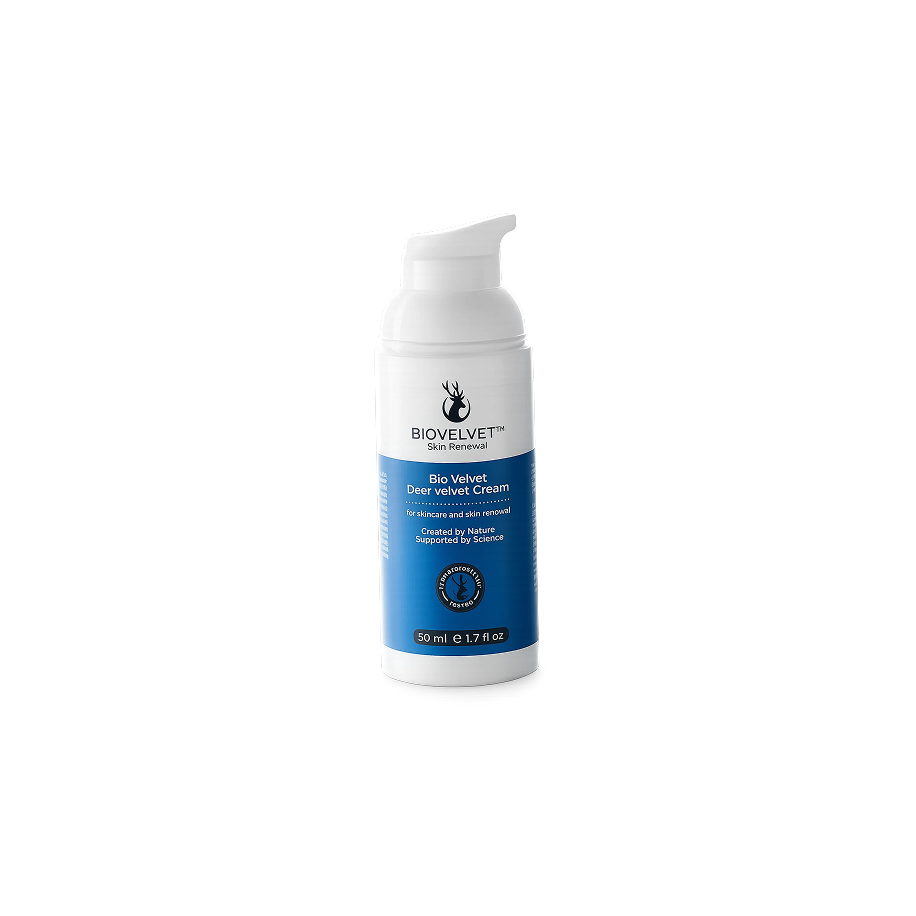
BioVelvet Recovery Cream
Petroleum-free recovery support for skin that is hot, tight, and peeling after too much sun. 90-day money-back guarantee.
Why sunburn redness overnight is not a realistic promise
A lot of people search for how to get rid of sunburn redness overnight, and it is usually not a realistic goal.
Relief can start quickly. Cooling the skin, hydrating well, and applying a soothing product may reduce heat, stinging, and tightness within hours. But visible recovery takes time because the redness is part of the skin's inflammatory response to UV injury. That process does not switch off instantly.
If a product claims to remove sunburn redness overnight, treat that claim carefully. The right goal is not instant erasure. It is making the burn more comfortable while your skin recovers.
How to choose the best cream for sunburn
The best cream for sunburn is usually simple rather than impressive. Look for ingredients that do one of four jobs well:
- Aloe vera for soothing
- Hyaluronic acid or glycerin for hydration
- Shea butter or similar emollients for barrier support
- Simple occlusive creams for dryness once the initial heat has settled
Freshly burned skin often feels hot and tender. A lightweight gel or lotion may feel better than a heavy cream in that stage. A day or two later, when heat is lower but tightness, flaking, or peeling begin, richer creams often become more helpful.
You may also wonder about 1% hydrocortisone cream for sunburn. In some mild cases, a low-strength hydrocortisone cream may help with itch and inflammation. But it is not the first answer for every burn. It should be used carefully, briefly, and not on broken or blistered skin unless a clinician tells you otherwise.
Be cautious with these on burned skin: fragrance, menthol, strong essential oils, alcohol-heavy gels, benzocaine or lidocaine in some users, and exfoliating acids. When skin is burned, simple usually wins.
Editor's top creams for sunburn compared
We pulled this from the manufacturer pages of each brand. Active ingredient percentages are taken from each product's Drug Facts panel where applicable.
| Product | Format | Key Active Ingredients | Best For | Price Range | Sizes | Standout Feature |
|---|---|---|---|---|---|---|
| Cream | 1% hydrocortisone, colloidal oat, aloe, vitamin E | Inflammation, severe itch, pain | $5.97-$7.69 | 1oz (28ml) | #1 dermatologist pick on NYMag Strategist | |
| Balm | Panthenol (B5) 5%, madecassoside, shea butter, dimethicone 1% | Barrier repair, fragrance-free sensitive skin | $18.99 | 1.3oz (40ml) - 3.38oz (100ml) | CNN Underscored top pick; multi-use balm | |
| Cream | Deer antler velvet, aloe vera, hyaluronic acid, vitamin E, jojoba | Skin recovery from burns, redness, sensitivity, post-procedure dryness | $54.87-$159.90 | 1.7oz (50ml) - 5.1oz (150ml) | Patented regenerative deer-velvet formula; "visible recovery in 3 days"; 90-day money-back | |
| Gel / Lotion / Spray | Aloe vera, cocoa butter, vitamin E, jojoba oil | Cooling + hydration, prevents peeling | $13.49 | 3oz (88ml) - 8oz (236ml) | Hypoallergenic, non-greasy, dermatologist-tested | |
| Gel | Aloe, calendula, echinacea, hyaluronic acid, D-panthenol | Non-sticky cooling for face & body | $7.86-$11.49 | 6oz (177ml) | 98% natural; goes beyond plain aloe with botanical blend | |
| Gel | 100% aloe vera, vitamin E | Pure cooling relief on a budget | $4.27-$8.54 | 6oz-12oz | Cheapest option; dries clear, no fragrance, alcohol-free | |
| Cream | Glycerin, niacinamide (B3), panthenol (B5), sweet almond oil, vitamin E | Deep hydration for peeling/dry burn | $2.97-$17.95 | 1oz - 20oz | National Eczema Association accepted; clinically proven 48hr hydration | |
| Lotion | Hyaluronic acid, ceramides NP/AP/EOP, dimethicone | Rebuilding moisture barrier post-burn | $14.99 | 12oz (355ml) | Ceramide-based MVE delivery; National Eczema Association accepted | |
| Ointment | Petrolatum 41% (active), panthenol, glycerin | Blistered/broken-skin sunburns | $4.49-$17.59 | 0.25oz - 14oz | Seals barrier, prevents infection on damaged skin | |
| Cream | 1% hydrocortisone, aloe, glycerin, petrolatum | Itch and inflammation control | $7.97-$18.99 | 0.5oz - 4oz | Max OTC strength HC; works in under 10 minutes | |
| Spray lotion | Aloe vera, petrolatum micro-droplets | Easy full-body coverage without rubbing | $7.44 | 6.5oz (192ml) | Non-aerosol continuous spray; no touching tender skin | |
| Lotion | Pramoxine HCl 1% (steroid-free), aloe, jojoba, squalane | Steroid-free cooling itch relief | $10.37-$29.85 | 7.5oz (222ml) | #1 dermatologist recommended OTC anti-itch brand; National Eczema Association accepted |
-1500x1500.jpg?sw=88&sh=88&sm=cut&sfrm=jpg&q=70)

Sunburn cream aloe vera: when it helps and when it is not enough
Aloe vera is one of the most trusted ingredients for mild sunburn, and for good reason. It feels soothing, helps the skin hold moisture, and is easy to tolerate when the formula is simple. An aloe product that is alcohol-heavy or strongly fragranced may sting more than it helps. A plain, alcohol-free aloe gel is usually the better choice.
But aloe vera has limits. It can support comfort in mild sunburn. It does not replace medical care for severe burns, significant blistering, or symptoms like fever, dizziness, or dehydration.
Cream, gel, lotion, or ointment: which format makes sense?
- Gel: Often feels coolest at first; useful when skin is still hot
- Lotion: Easy to spread over large areas like shoulders, back, or legs
- Cream: Usually better for barrier repair once dryness and tightness set in
- Ointment: Very protective, but may trap heat if used too early on very hot skin
Living Collagen · 50+ Bio-Active Compounds · Aloe Vera · Dead Sea Minerals
BioVelvet Recovery Cream
After-sun recovery for skin that feels tight, dry, and flaky once the heat settles. Petroleum-free, with a 90-day money-back guarantee.
BioVelvet vs basic aloe gel at a glance
BioVelvet
- Supports the barrier as it repairs
- Lasting hydration, not just a cool hit
- Calms tight, peeling skin
- Petroleum-free and lanolin-free
Aloe gel
- Cooling relief in the moment
- Evaporates fast
- No real barrier repair
- Cheap and everywhere
Bottom line: aloe cools the sting in the moment. BioVelvet supports the days-long recovery while skin peels and rebuilds.
The best sunburn care routine in the first 24 to 72 hours
Cool the skin. Use a cool shower or cool compress for 10 to 15 minutes. Avoid ice directly on skin.
Pat dry gently. Leave the skin slightly damp rather than fully dry.
Apply your product. Use a light aloe gel or fragrance-free lotion on hot skin. If skin no longer feels very warm but is tight or fragile, switch to a bland cream.
Reapply as needed. Most people do well reapplying 2 to 4 times a day. Applying to slightly damp skin helps seal in moisture.
Drink fluids and rest. Sunburn is a systemic event, not just a surface one.
Avoid more sun. Healing skin is more vulnerable. Cover the area with clothing.
What to put on mild sunburn by skin stage
Hot, red stage: Cool compresses and a lightweight, fragrance-free aloe gel or lotion. Avoid heavy ointments.
Itchy, tight stage: A cream with humectants and barrier-supportive ingredients - hyaluronic acid, glycerin, aloe vera, shea butter.
Peeling, recovery stage: Richer creams over gels. A recovery-focused product may suit better than a basic after-sun gel. For a detailed look at recovery cream options, see this guide to the best burn cream.
What not to do
Do not put ice directly on skin, use scrubs, pop blisters, use retinoids or exfoliating acids on the area, apply fragranced products, or try to "tan through" the burn. All of these make an already damaged skin barrier more irritated.
When a cream for sunburn is not enough
A topical cream cannot treat severe blistering, heat illness, dehydration, infection, or burns covering large areas of the body. Get medical advice if you have severe blistering, fever or chills, nausea, dizziness, confusion, signs of dehydration, swelling around the eyes, worsening pain, or signs of infection.
Daily broad-spectrum sunscreen, protective clothing, shade, and avoiding peak sun exposure matter more than any cream for sunburn ever will.
Best cream for sunburn: our 12 picks
Here is each product in the comparison, one by one - what it does, who it suits, and where it falls short.
Best for inflammation and itch control
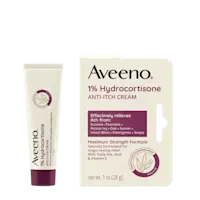
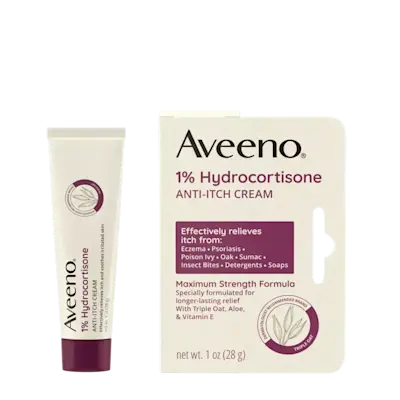
Aveeno 1% Hydrocortisone Anti-Itch Cream
$5.97-$7.69 / 1oz
The hydrocortisone picks up itch fast. The colloidal oat (triple oat complex) adds a layer of skin-compatibility that most generic HC tubes skip, and the aloe vera rounds out the soothing base. NYMag Strategist named this their #1 dermatologist pick for anti-itch. Works in around two minutes per the brand, lasts several hours. The oat formula means it sits better on irritated sunburned skin than a plain petrolatum-heavy HC cream.
Limitation: Short-term use only. Not appropriate for broken or blistered skin. Not a moisturizing recovery cream - use it to calm an inflammatory response, then switch to something barrier-supportive.
Best for recovery-stage skin that is dry, fragile, or still settling
BioVelvet Recovery Cream
$64.90 one-time, $54.87 on subscription. 90-day money-back guarantee.
This is the product that fits the phase the rest of the table does not address. Once the heat is down but skin still feels tight, reactive, or slow to recover, a barrier-led recovery cream makes more sense than another round of cooling gel. The formula combines deer antler velvet - developed over 20 years of research by Dr. Doron Zur - with hyaluronic acid, aloe vera, vitamin E, and jojoba. Fragrance-free. Built for consistent daily use, not just emergency application.
New Zealand deer antler velvet extract is what BioVelvet Recovery Cream's formula centers on, and a 90-day money-back guarantee is what backs every order.
It fits best once the initial heat phase has passed. For skin that remains irritated, dry, or fragile after sun exposure, it makes sense as a recovery-focused option rather than a standard cooling gel.
Limitation: Not an emergency sunburn treatment. Not the right first pick on hot, freshly burned skin. Does not replace medical care for severe burns.
-1500x1500.jpg?sw=320&sh=320&sm=cut&sfrm=jpg&q=70)
Best for barrier repair on sensitive or reactive skin
La Roche-Posay Cicaplast Balm B5
$18.99 / 40ml, $32.99 / 100ml
Panthenol at 5% concentration earns its place here - at that level it does more than moisturize, it supports skin repair. The madecassoside (centella asiatica) adds soothing support on top. The 1% dimethicone makes it technically a skin protectant. CNN Underscored named it their top pick. This works best once the skin is past the hot, red phase and has moved into the dry, tight recovery stage - not as a first-hour cooling product.
Limitation: Not a cooling formula. Applying it to actively hot sunburned skin may feel heavy and trap warmth. Best reserved for the tightness and repair stage.

Best for immediate post-sun cooling and moisture
Sun Bum Cool Down Aloe Vera Lotion
$13.49 / 8oz
The aloe base is the right starting point and Sun Bum keeps the rest of the formula clean. Cocoa butter adds richer hydration than plain aloe, and jojoba gives it a less sticky finish than most cooling gels. Vegan, cruelty-free, gluten-free certified, and dermatologist-tested. Best in the first 24-48 hours when cooling and light hydration are the priority and the skin is not yet in peeling mode.
Limitation: Light formula. Once dryness and tightness take over from heat, you likely need something richer and more barrier-focused.

Best for non-sticky cooling on both face and body
SunBurnt Advanced After-Sun Gel
$7.86-$11.49 / 6oz
The combination of organic aloe, calendula, echinacea, and hyaluronic acid goes past what plain aloe provides. Absorbs fast without the sticky residue that makes many gels annoying on larger body areas. 98% natural ingredients, dermatologist-tested, hypoallergenic, and free from parabens, glycols, PEGs, phthalates, and dyes. Cruelty-free.
Limitation: Light formula - probably not enough once the peeling stage begins and barrier recovery becomes the main need.

Best for budget cooling relief
Fruit of the Earth Aloe Vera 100% Gel
$4.27-$8.54 / 6-12oz
When you want aloe without additives or a premium markup, this covers that job at the lowest price in the comparison. Made from inner gel fillet of sustainably grown, hand-harvested aloe. Dries clear. No fragrance, alcohol-free, formulated in the USA. If someone just got back from the beach and needs something applied to a mild sunburn without a complicated after-sun routine, this is the practical pick.
Limitation: No barrier-support ingredients beyond the aloe itself. Not a recovery cream. Move to something richer for the tightness and peeling phase.

Best for deep hydration when the peeling phase starts
Cetaphil Moisturizing Cream
$2.97-$17.95 / 1oz-20oz
Clinically proven 48-hour hydration with a formula built around glycerin, niacinamide, panthenol, sweet almond oil, and vitamin E. National Eczema Association accepted. NBC Select ranked it #1 across 100+ tested moisturizers. Available in large sizes, which matters when you need to cover a back or full shoulder area that has started peeling. Fragrance-free, paraben-free, hypoallergenic.
Limitation: Not a cooling after-sun product. This is a moisturizer for the later recovery stage, not the hot initial burn phase.
Best for rebuilding the moisture barrier post-burn
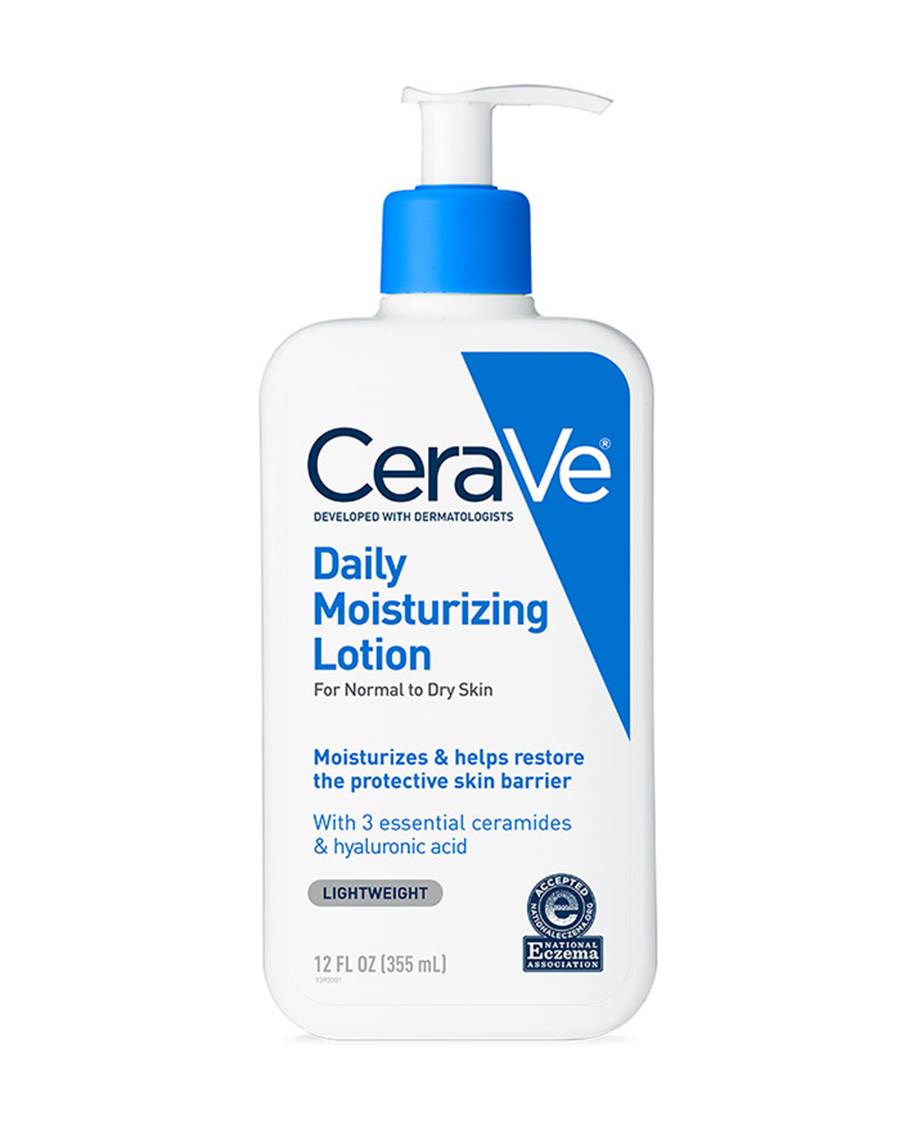
CeraVe Daily Moisturizing Lotion
$14.99 / 12oz
The three essential ceramides (NP, AP, EOP) in CeraVe's MVE delivery system address what the barrier specifically needs during recovery. Lighter than CeraVe's cream, which makes it easier to use on larger sunburned body areas. National Eczema Association accepted, developed with dermatologists, fragrance-free, non-comedogenic. 48-hour hydration claim backed by the brand's clinical data.
Limitation: Like Cetaphil, this is a moisturizer for the recovery stage, not a cooling product for the early hot phase of a burn.
Best for blistered or broken-skin sunburns
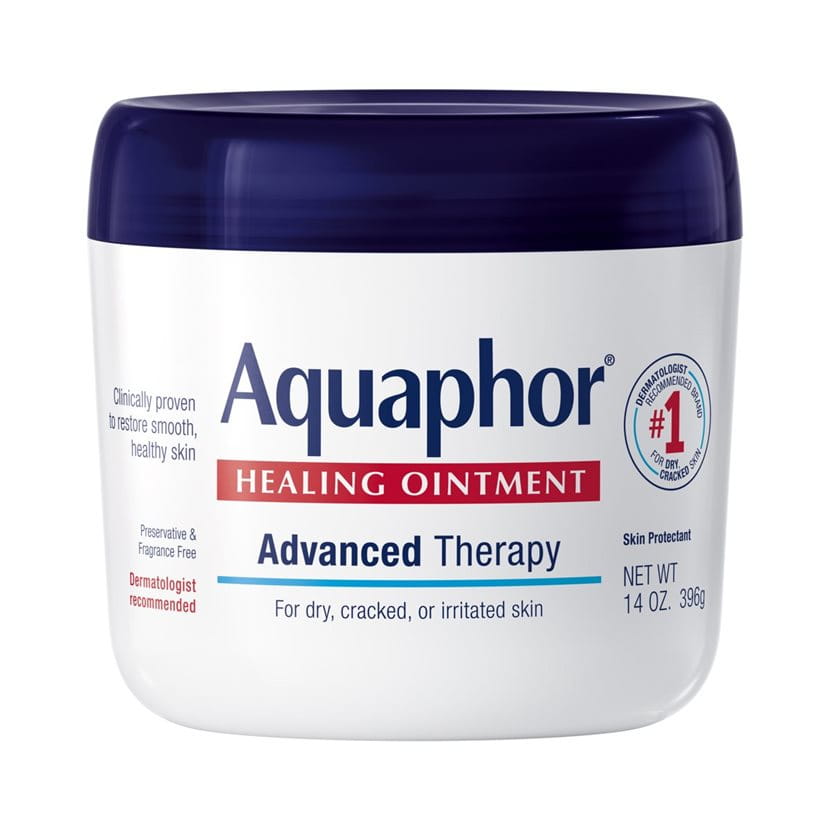
Aquaphor Healing Ointment
$4.49-$17.59 / 0.25oz-14oz
Petrolatum at 41% is the active ingredient and the reason this works. It creates an occlusive seal that protects damaged skin from further moisture loss and irritation. Panthenol and glycerin round out the formula. Used in clinical and wound-care contexts. HSA and FSA eligible. This is the right product when the surface is actually broken - blistered or peeled patches where you need a protective barrier, not just moisture.
Limitation: Can trap heat if applied while skin is still very hot. Best reserved for the damaged-skin and peeling stage, not the early hot phase.
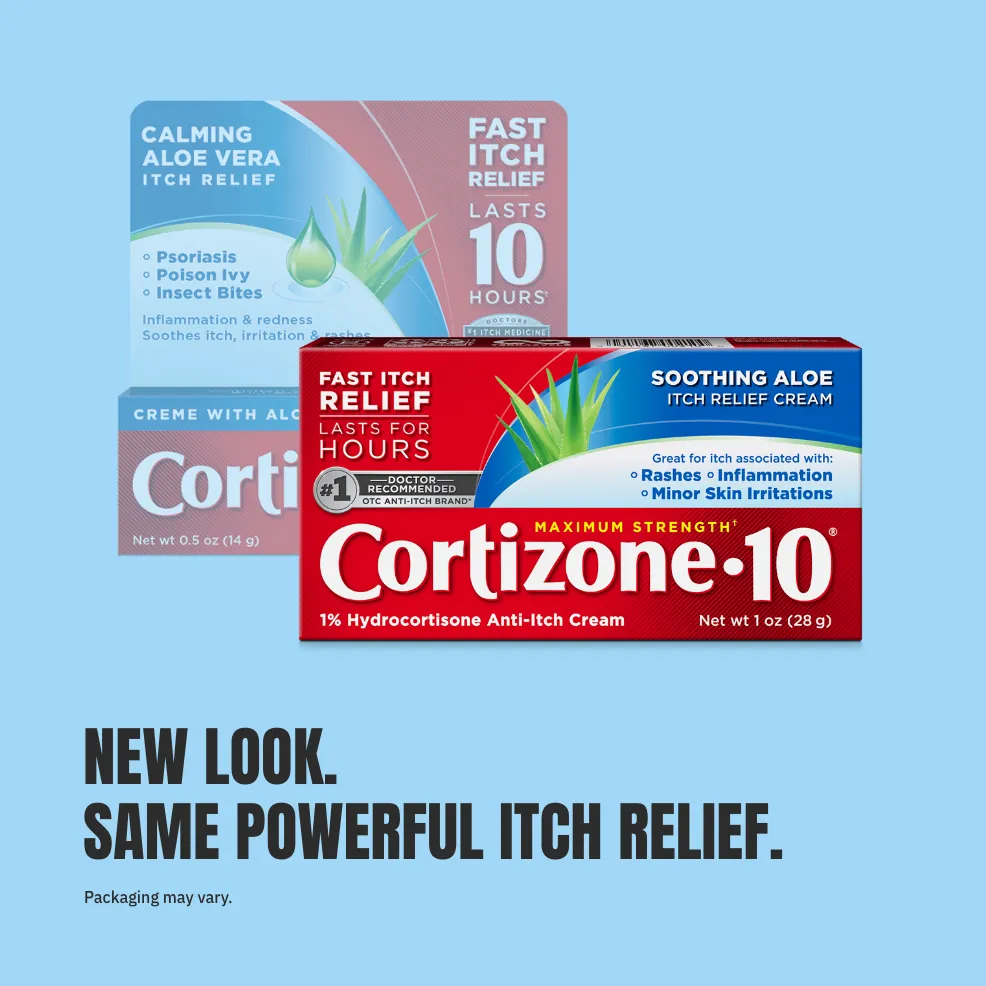
Best for itch and inflammation when HC is the right call
Cortizone 10 Max Strength + Aloe
$7.97-$18.99 / 0.5oz-4oz
Max OTC-strength hydrocortisone (1%) in a formula that includes aloe alongside the anti-inflammatory active. The brand says relief in under 10 minutes, with several-hour duration. Suitable for ages 2+. HSA and FSA eligible. The brand markets itself as the "#1 Doctor-Recommended OTC Anti-Itch Brand" (2024 IQVIA Study). The aloe makes it sit better than a plain HC cream on already-irritated skin.
Limitation: Short-term use only. Not for broken or blistered skin without clinical guidance. Not a daily moisturizing or recovery cream.
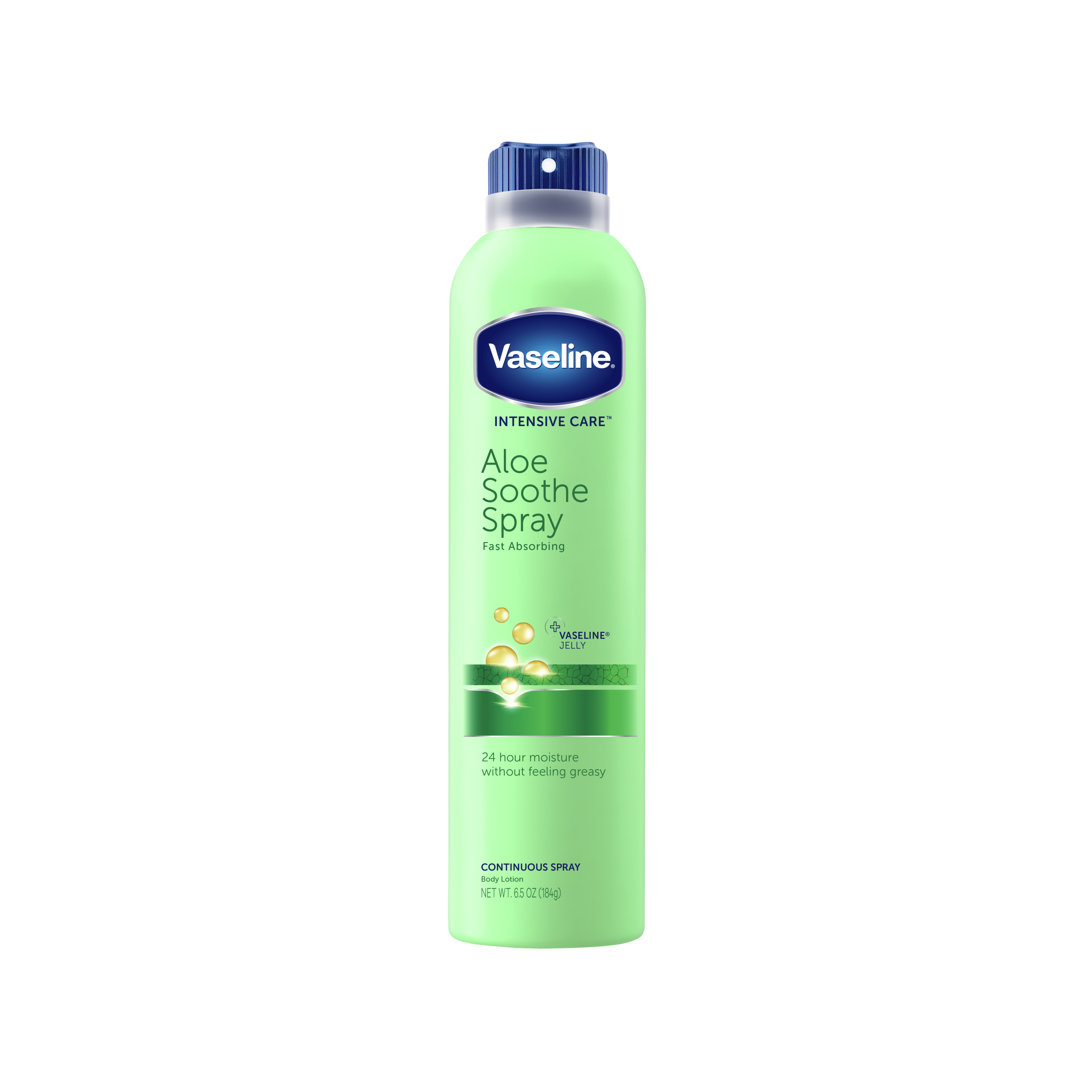
Best for full-body coverage without rubbing tender skin
Vaseline Intensive Care Aloe Soothe Spray
$7.44 / 6.5oz
The spray format is the point here. Applying anything to freshly burned skin by rubbing is painful. The continuous non-aerosol spray lets you cover large areas - back, shoulders, chest - without any direct contact. The aloe soothes and petrolatum micro-droplets lock in moisture. Light feel, absorbs quickly, non-greasy. A practical format solution that the tube-and-cream category completely misses.
Limitation: Not a targeted treatment. If the burn is in a specific small area, a cream or gel gives better control. Moisturizing but not a recovery cream for the later tightness and peeling phase.

Best for steroid-free itch relief that can be used longer-term
Sarna Sensitive Anti-Itch Lotion
$10.37-$29.85 / 7.5oz
Pramoxine HCl 1% is a topical anesthetic that relieves itch without steroids, which makes Sarna Sensitive a smarter long-term pick than hydrocortisone when the itch persists beyond a few days. The formula also includes aloe, jojoba oil, and plant-derived squalane for hydration. National Eczema Association accepted. Hypoallergenic, vegan, fragrance-free, and paraben-free. The brand holds the "#1 dermatologist recommended OTC anti-itch brand" position.
Limitation: Not a cooling product for the hot early phase of a burn. Works best when the main complaint is persistent itch rather than heat or active inflammation.
What to look for on the label
Practical label cues help more than marketing language. Look for: fragrance-free, alcohol-free where possible, aloe vera / glycerin / hyaluronic acid, barrier-supportive emollients like shea butter, and formulas designed for sensitive or compromised skin.
You do not need the most expensive product. You need the least irritating one that fits the stage your skin is in.
Can creams prevent peeling or scarring?
Not completely. Creams can reduce dryness, improve comfort, and support the skin as it heals. They may make peeling feel less dramatic by keeping skin better hydrated. But they cannot guarantee peeling will not happen.
Scarring is less common with mild sunburn and more of a concern with deeper or blistering burns. More serious burns also carry a higher risk of long-term pigment changes.
FAQ
What is the best cream for sunburn?
Usually, the best cream for sunburn is a bland, fragrance-free, soothing product matched to the stage of the burn. Fresh, hot skin often prefers a simple aloe gel or light lotion. Later, dry or peeling skin often does better with a richer barrier-supportive cream.
Does 1% hydrocortisone cream for sunburn actually help?
Sometimes. A low-strength hydrocortisone cream may help mild itch and inflammation in selected cases, but it is not the first answer for every sunburn. It should be used briefly and not on broken or blistered skin unless a clinician advises it.
Is aloe vera or cream better for sunburn?
Neither is always better. Aloe vera is often more comfortable early on when skin is hot and tender. A cream is often more helpful later, when tightness, dryness, and peeling become the main issue.
How do you treat sunburn fast at home?
Start by getting out of the sun, cooling the skin with a cool shower or compress, drinking fluids, and applying a gentle fragrance-free product. Reapply moisture as needed, avoid more sun exposure, and protect the area with loose clothing.
How can I get rid of sunburn redness overnight?
You usually cannot. Relief can start quickly, but visible redness is part of the skin's inflammatory response and takes time to settle. Be cautious with any product that promises overnight erasure.
When should I see a doctor for sunburn?
Seek medical advice if you have severe blistering, fever, chills, nausea, dizziness, confusion, dehydration, swelling around the eyes, worsening pain, or signs of infection. Also be more cautious with children, older adults, and anyone with higher skin-cancer or immune risk.
What is the best moisturizer for sunburn?
For sunburn, the best moisturizer is a fragrance-free, barrier-supporting one used once the initial heat and sting have eased. Look for aloe vera and humectants like glycerin or hyaluronic acid in the first day or two, then a simple ceramide cream as the skin recovers. Avoid heavy, occlusive ointments while the skin still feels hot, and never put anything on broken or blistered skin without checking with a clinician first.
What can you put on sunburn on your face?
Facial sunburn needs the gentlest options: a cool compress, a fragrance-free aloe gel or light moisturizer, and a pause on all actives like retinoids, acids, and vitamin C until the skin calms. Keep it out of the sun and off makeup that can drag on tender skin. If the face blisters, swells, or the burn is severe, treat it as a medical issue rather than a skincare one.
What is BioVelvet Recovery Cream made of?
BioVelvet Recovery Cream is built around New Zealand deer antler velvet extract, paired with Dead Sea minerals, aloe vera, hyaluronic acid (sodium hyaluronate), and vitamin E (tocopheryl acetate) in a petroleum-free, lanolin-free formula.
Is BioVelvet Recovery Cream petroleum-free?
Yes. BioVelvet Recovery Cream is petroleum-free and lanolin-free, and every order carries a 90-day money-back guarantee.
Ready to try?
BioVelvet Recovery Cream
Built for skin that is hot, tight, and peeling after too much sun. Deer antler velvet paired with hyaluronic acid, aloe vera, vitamin E, and jojoba - recovery support for the days after a burn, not just an hour of moisture. A petroleum-free, lanolin-free formula is what BioVelvet Recovery Cream offers.
This article is for informational purposes only and is not a substitute for professional medical advice. If you have a severe burn, worsening symptoms, or any concern about your skin, consult a healthcare provider. BioVelvet is the home brand for this article. Internal links use biovelvet.com URLs only.