Burn scars
Burn scars, and what actually helps them heal.
How a burn scar forms, what supports the skin while it settles, and when to see a doctor.
Shop BioVelvet →What a burn scar is - and when scarring is more likely
One of the main fears behind the search for burn scar is simple: will this mark be permanent, and is there anything you can do now to make it heal better?
The reality is that some burn scars improve a great deal with time, while others leave more lasting change. What matters most is not just what the skin looks like today, but how deep the burn was, how large it was, where it happened, whether infection developed, and how long the wound took to close.
Not every burn leaves a lasting scar. A mild superficial burn may heal with redness or temporary color change and then fade without much long-term trace. Burns that are deeper, more blistered, or slower to heal are more likely to leave a visible scar.
This is also where expectations matter. A burn scar does not settle in a week. Even after the surface has closed, the skin underneath continues rebuilding for months. Color, thickness, tightness, and texture can all keep changing long after the area looks “healed.”
Do all burns leave a burn scar?
No. Superficial burns often heal without scarring. Deeper burns - especially burns that take longer than about two to three weeks to heal - are much more likely to leave a burn scar.
That does not always mean a severe, raised scar. Sometimes the change is mostly color. Sometimes it is texture. Sometimes it is a thicker scar that needs more active treatment. But in general, the slower a burn heals, the higher the chance of scarring.
Why burn scars form
A scar forms when the skin has to rebuild after a deeper injury. Instead of replacing damaged skin with tissue that is identical to what was there before, the body lays down repair tissue quickly to close and strengthen the area.
That repair tissue is useful, but it is not the same as normal skin. It can look shinier, feel tighter, stay pink or dark for longer, and react differently to sun, friction, and dryness. That is why a burn scar may feel stiff or look uneven even when the wound itself is no longer open.
Living Collagen · 50+ Bio-Active Compounds · Aloe Vera · Dead Sea Minerals
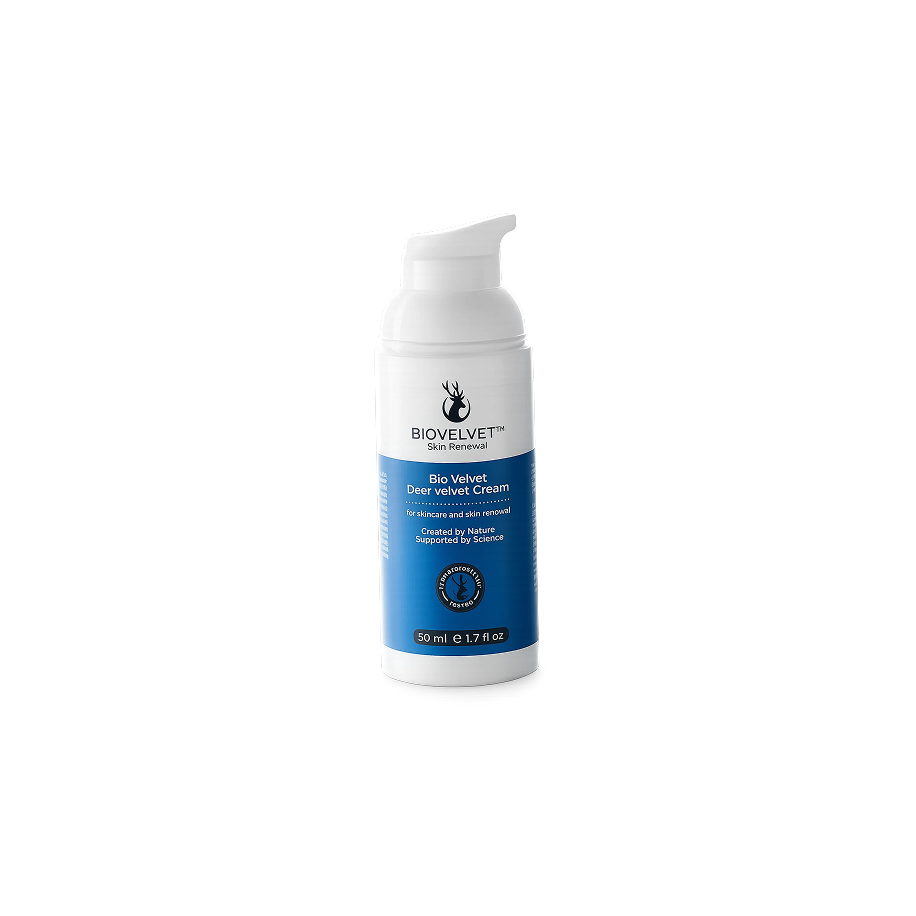
BioVelvet Recovery Cream
Petroleum-free recovery support for fragile skin healing after a burn, backed by a 90-day money-back guarantee.
Is a sunburn the same as a burn scar?
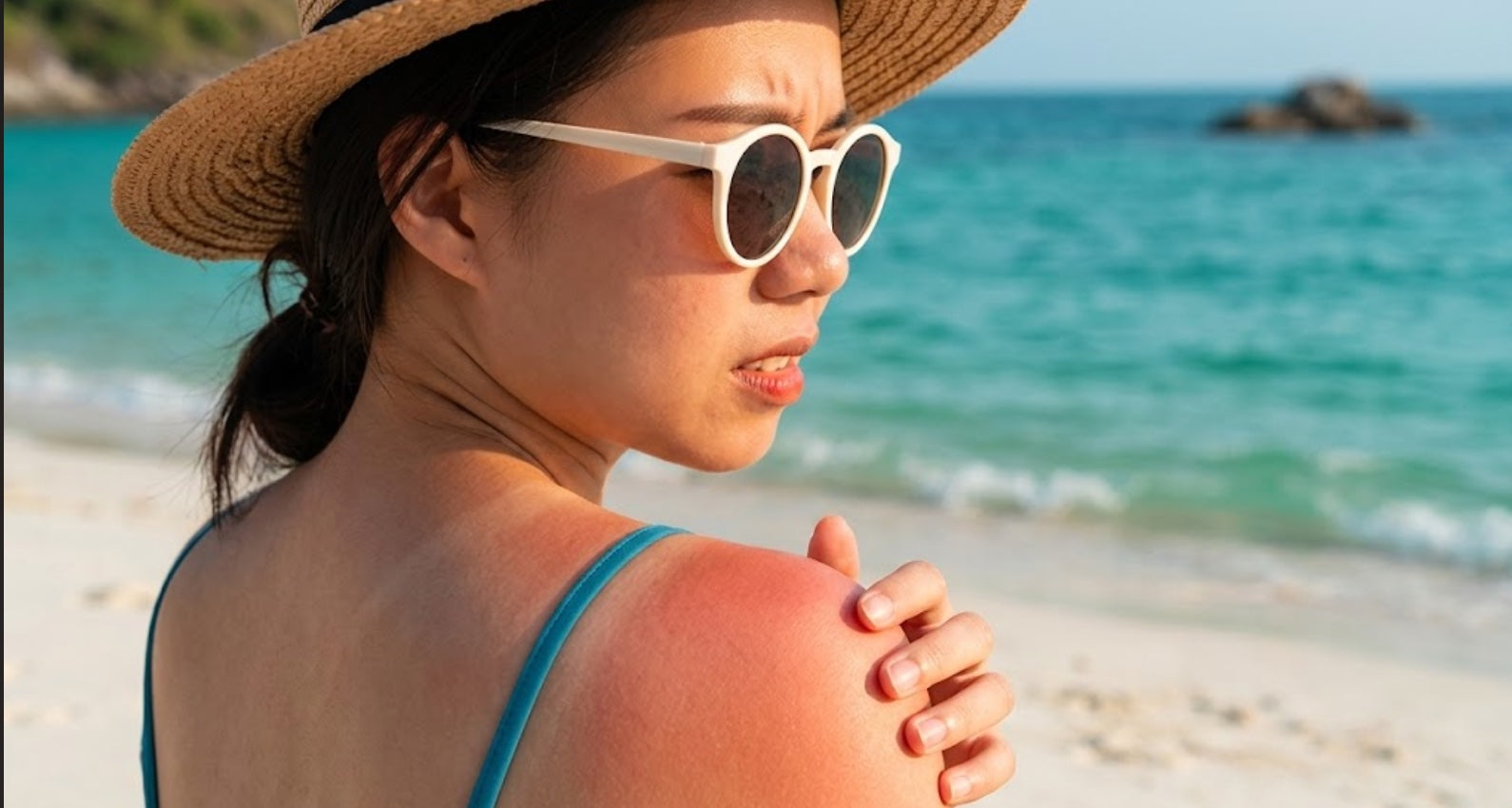
A sunburn is a burn, but a specific and usually milder one. It is UV damage to the surface of the skin, almost always first-degree and occasionally second-degree, and it very rarely leaves a lasting scar. What it needs is soothing and rehydration while the skin barrier settles down, which is a different job from the deeper burns this guide is about.
The burns that leave the raised, discolored, or tightened marks covered here are usually second-degree or deeper, from hot liquids, steam, flames, or contact with something hot, where the lower layer of skin is injured and the body lays down scar tissue as it repairs.
So if you are here because your skin is hot, tight, and peeling after too much sun, that is aftercare rather than scar care, and the soothing aloe-and-Dead-Sea-mineral approach behind the best creams for sunburn is the more useful place to start. If you are dealing with a mark left behind after a deeper burn has healed, the rest of this guide is for you.
Types of burn scar and how to tell them apart
Not all post-burn marks are the same. Some are mostly color change. Some are raised scars. Some tighten the skin. Some affect movement. Knowing which kind you are dealing with helps set more realistic expectations.
A healed burn mark may fall into one of several broad categories.
| Type | What it is |
|---|---|
| Flat mark / color change | Lingering redness, pink, brown, or purple; often post-inflammatory, not a structural scar |
| Hypertrophic scar | Raised and firm, but stays within the original burn area |
| Keloid scar | Raised scar that grows beyond the original injury borders |
| Contracture scar | Tightens the skin as it heals and can limit movement, especially over a joint |
Terms you may see when searching include 2nd degree burn scars, hypertrophic scars, keloid scars, and contracture scars. These are not interchangeable.
It is also worth saying that some red, pink, brown, or purple marks left after a burn are not true structural scars. They may be post-inflammatory color changes, which can last a long time but often behave differently from a raised or tightened scar.
2nd degree burn scars
Second-degree burns involve deeper skin injury than a simple surface burn and often come with blistering. Some heal with little visible scarring, especially if they are smaller and close relatively quickly. Others leave discoloration, thickened texture, or a raised scar.
2nd degree burn scars are more likely when blistering is significant, the wound stays open for longer, infection occurs, or the burn affects an area exposed to repeated movement or friction.
This is why two people can both say they had a second-degree burn and end up with very different outcomes. Depth, healing time, and aftercare matter.
Hypertrophic, keloid, and contracture scars
A hypertrophic scar is a raised scar that stays within the original burn area. These are common after burns. They can look red or pink early on, feel firm, itch, and slowly flatten over time.
A keloid scar grows beyond the original borders of the injury. It is less common than hypertrophic scarring but more likely in people who are already prone to keloids.
A contracture scar tightens the skin as it heals. This matters most when the scar crosses a joint or affects areas like the hands, neck, shoulders, or face. Contractures are not just a cosmetic issue. They can limit movement and need specialist care.
Burn scar healed vs. still maturing
A burn scar can be closed on the surface and still be actively changing underneath. This is one of the most important things people miss.
A scar that looks “healed” may still be remodeling for many months. During that time, it may become redder, itchier, firmer, shinier, or more raised before it gradually softens. That does not always mean something is wrong. It often means the scar is still maturing.
Burn scar healing timeline: what to expect in the first weeks and months
If you are trying to judge whether a burn scar is improving, the timeline matters. Most scar improvement is gradual. Many scars continue changing for 12 to 18 months, and sometimes longer.
Early on, a scar may look pink, red, or darker than the surrounding skin. It may feel dry, itchy, firm, or slightly thick. Some scars look more noticeable in the first few months before they start to settle.
This can be frustrating, but it is normal. Burn scars often look worse before they look better during the remodeling phase.
Location also affects healing. A scar over a joint, on the chest, shoulder, or hand, or in an area that rubs against clothing may stay irritated longer. Skin tone matters too: some people are more likely to develop long-lasting darkening or visible color contrast. Age can play a role as well, with younger skin sometimes producing more active scar tissue.
Early healing: when the wound has closed
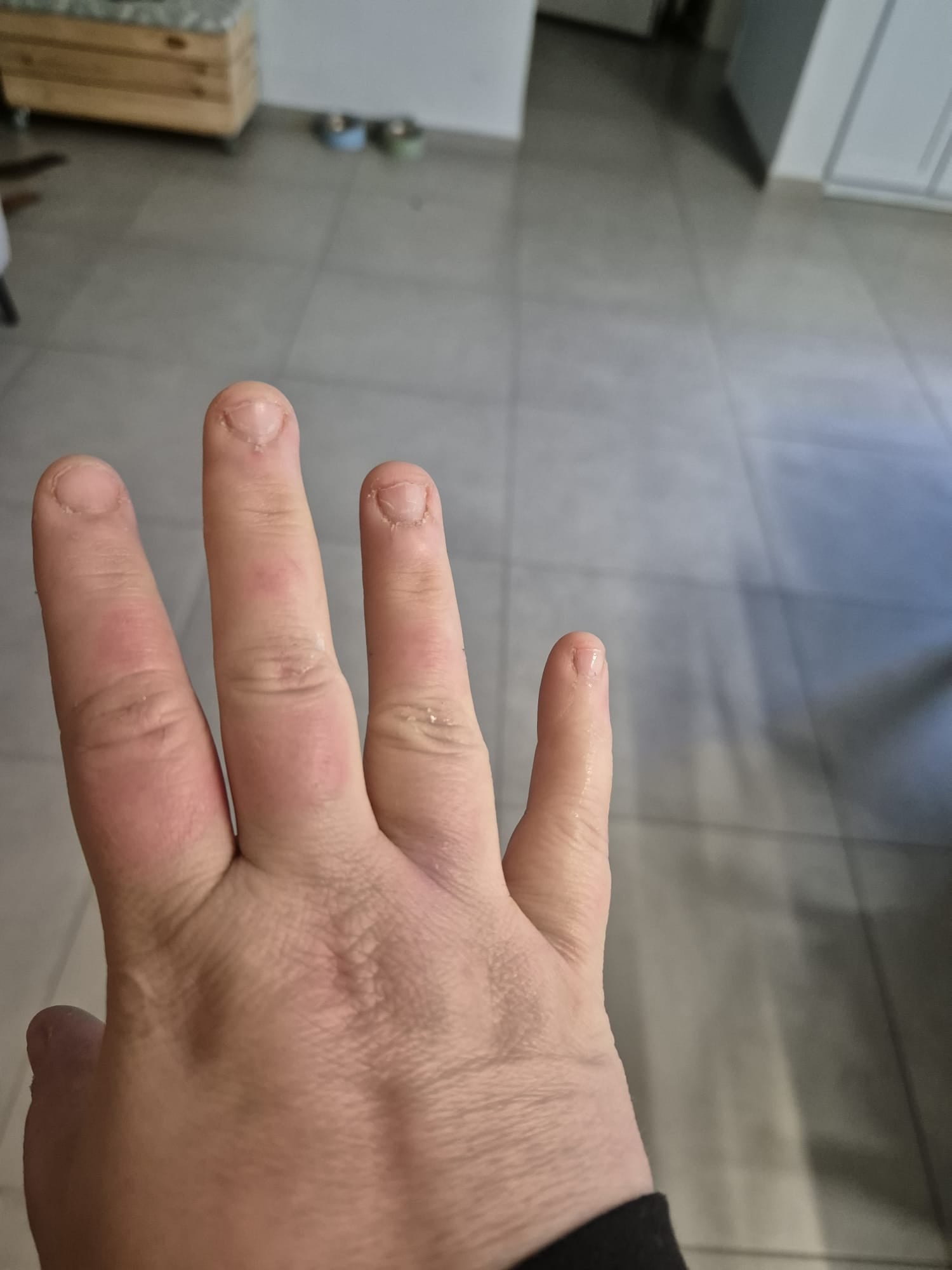
Once the wound has closed, it is still normal for the area to feel tender, pink, dry, tight, and sensitive. Healed burn skin is often more reactive than the skin around it.
It may sting with friction. It may feel uncomfortable after a shower. It may become more obvious in heat or sun. This does not mean it is failing to heal. It means the barrier is still fragile and the deeper repair process is ongoing.
This is usually the phase where gentle moisture, silicone if appropriate, and strict sun protection matter most.
Scar maturation over 12 to 18 months
Over the next year or so, a raised burn scar may gradually soften and flatten. The color may fade, though often unevenly. Texture may improve before color fully does. Some scars stay darker or redder longer than expected, especially with sun exposure.
This is why a scar should not be judged too early. A scar that looks quite noticeable at three months may look very different at twelve months.
That said, not every scar becomes faint. Some remain raised, tight, or discolored enough to need more than home care.
Signs healing is not following the usual pattern
Some signs suggest the process is not following the usual course. These include worsening pain instead of gradual improvement, drainage, new swelling, increasing redness, severe tightness over a joint, or a scar that keeps thickening rapidly.
If a scar is becoming harder to move, more painful, or increasingly raised rather than slowly settling, it deserves proper review.
What actually helps a burn scar at home
For many people, the most useful scar care is not complicated. Before thinking about advanced treatments, start with the basics that have the strongest practical value: moisture, silicone, sun protection, and avoiding friction or picking.
Home care can improve comfort and the visible appearance of many scars. It can support flexibility and reduce some dryness and irritation. What it cannot do is erase a deep burn scar completely.
If you are searching for a burn scar cream, that is the right mindset to keep. Look for support, not miracles.
Moisture and barrier support
Healed burn skin is often dry, tight, flaky, and easily irritated. Consistent moisturizing helps with comfort, flexibility, and surface recovery.
A simple, fragrance-free cream or ointment is often enough. The main job is to reduce dryness, support the barrier, and make the scarred skin less reactive to everyday friction.
For newer healed scars, apply a gentle moisturizer regularly, especially after washing. For older scars that feel dry or tight, consistency still matters. The goal is not just softness in the moment, but better day-to-day tolerance.
A recovery cream may fit here as supportive care for healed skin that feels tight, irritated, or chronically dry. BioVelvet Recovery Cream, for example, was developed for skin that needs to recover rather than just be moisturized. Its formula combines deer antler velvet extract with hyaluronic acid, aloe vera, vitamin E, and jojoba to support moisture, calm irritation, and help fragile skin feel less reactive. Deer antler velvet extract, hyaluronic acid, aloe vera, vitamin E, and jojoba are the core ingredients in BioVelvet Recovery Cream. That said, it belongs in the supportive-care category. It is not a replacement for silicone, proper burn treatment, or specialist scar care where those are needed.
Silicone and scar massage
Silicone gel and silicone sheets are commonly recommended first-line options for scars, especially raised ones. They are used to help support a flatter, softer scar over time.
They are not instant, but they have a stronger track record than most over-the-counter scar claims. If your clinician has advised silicone, it is worth taking seriously.
Scar massage may also help some people once the wound is fully closed and a clinician has said it is appropriate. The point is not aggressive rubbing. It is gentle, consistent movement to help the scar stay more mobile and less stiff. This is especially relevant for tighter scars, but should not be started on a wound that is still open, fragile, or easily irritated.
Why sun protection matters so much
Fresh scars darken more easily with UV exposure. This is one of the clearest, most preventable reasons a burn scar can stay visible longer than it needed to.
If your goal is to limit long-lasting discoloration, daily sun protection matters. That means SPF on exposed healed skin, plus practical sun avoidance where possible. Clothing and shade help too.
People often focus on scar creams and forget the sun piece. In reality, a well-moisturized scar that is repeatedly exposed to UV may stay discolored far longer than one protected carefully.
Choosing a burn scar cream
A burn scar cream should be judged by what it can realistically do. The useful ones support hydration, calm irritation, and help the skin recover from dryness and tightness. They may improve the visible appearance of some scars over time by keeping the skin in better condition.
What they do not do is make a mature deep scar disappear.
Look for a formula that is gentle, fragrance-free if possible, and built for compromised skin rather than cosmetic “perfecting.” If the area is healed but still sensitive, reactive, or dry, a recovery-focused cream can make the skin more comfortable and easier to manage.
What not to expect: the limits of creams, natural remedies, and DIY advice
This is the part many articles skip. A lot of scar advice online is oversold.
If you are asking how to fade burn scars naturally, the most useful answer is also the least exciting: support the skin, protect it from sun, avoid irritation, and give it time. Natural remedies are often marketed as if they can remove scars. They usually cannot.
Some can actively make things worse, especially on skin that is newly healed and still fragile.
No topical product can replace medical treatment for a deep burn, an infected wound, a severe contracture, or a rapidly thickening scar.
How to fade burn scars naturally: what is realistic
The most realistic “natural” approach is consistent moisture, sun protection, and patience.
That is less dramatic than lemon juice, essential oils, or homemade scrubs, but it is far safer and more useful. Healing skin does not need to be attacked into fading. It needs support while it remodels.
A gentle cream, low-friction care, and UV protection are far more realistic than harsh DIY advice.
Common mistakes that can make a burn scar look worse
Several common habits can slow progress or make a burn scar more noticeable:
- Picking peeling skin or scabs
- Scrubbing or over-massaging too early
- Using acids or retinoids on newly healed skin before it can tolerate them
- Tanning or skipping SPF
- Applying irritating essential oils
- Treating a still-open wound like a mature scar
That last point matters. Scar care starts after the skin has closed. Open burns need wound care, not cosmetic scar treatment.
When a product can help - and when it cannot
A product can help when the main problems are dryness, irritation, surface tightness, and the visible appearance of a healing scar.
A product cannot help enough when the scar is deeply raised, crossing a joint, progressively tightening, infected, or functionally limiting. In those cases, creams may still support comfort, but they are not the main treatment.
That distinction is important. Topicals can play a real role without being asked to do what they cannot do.
BioVelvet vs silicone at a glance
BioVelvet
- Supports the skin around the scar
- Daily hydration and comfort
- Pairs with silicone
- Petroleum-free and lanolin-free
Silicone
- Targets the scar tissue itself
- Evidence for raised scars
- Can feel tacky all day
- Use the two together
Bottom line: silicone works on the scar tissue; BioVelvet supports the recovering skin around it. They do more together than apart.
When to see a doctor for a burn scar
People often wait too long because they assume scar change is always normal. Some change is normal. Some is not.
A scar deserves proper medical review sooner rather than later if it is over a joint, on the face or hands, affecting a child, following significant blistering, or starting to interfere with movement.
Early help can improve both long-term function and appearance. That is especially true for scars that tighten, thicken, or become difficult to manage at home.
Red flags during healing
Seek medical care if you notice:
- Spreading redness
- Pus or drainage
- Fever
- Bad odor
- Increasing pain
- A wound that is not closing
- Extensive blistering
These are not normal scar issues. They may point to infection or a burn that needs more formal treatment.
Signs a scar may need specialist treatment
A specialist review may be needed if you have:
- A thick, raised scar
- Itch that is hard to control
- A scar crossing a joint
- Tightening skin
- Growth beyond the original injury, suggesting a keloid tendency
Burn-center follow-up, dermatology, plastic surgery, or rehabilitation support may all be relevant depending on the scar type and location.
Medical and in-clinic treatments for burn scar improvement
If home care is not enough, there are several treatments a doctor may suggest. The right option depends on the type of burn scar, how old it is, where it is, and whether it is affecting movement.
The aim is usually to improve softness, symptoms, function, and visible appearance. It is not to promise perfect skin.
Pressure therapy, injections, and laser treatment
Pressure garments are sometimes used after more significant burns, especially where raised hypertrophic scarring is likely. They are usually part of specialist burn care rather than casual home treatment.
Steroid injections may be used for thick, raised, itchy scars to help flatten and soften them.
Laser treatment may be offered for redness, texture, thickness, or persistent vascular change in some scars. Different lasers do different jobs, so this is not one single treatment category.
These options are usually considered when a scar is more active or bothersome than basic home care can handle.
When surgery may be considered
Surgery is usually reserved for more serious cases, such as contractures, major functional limitation, or scars that have not responded to more conservative treatment.
If a scar is restricting movement or pulling the skin in a way that affects daily life, surgery may be part of restoring function, not just appearance.
Where a recovery cream may fit into scar care
A recovery cream fits best as supportive care for healed skin that is dry, tight, or irritated.
That is where a formula like BioVelvet Recovery Cream may make sense: as part of daily comfort and barrier support once the skin is closed. Deer antler velvet extract is the ingredient that makes the formula unusual. It is paired with hyaluronic acid to draw in moisture, aloe vera to calm irritation, vitamin E for barrier support, and jojoba to help seal moisture in.
This is not a substitute for silicone, pressure therapy, injections, laser treatment, or proper burn follow-up. It is the kind of product that may help the skin feel less dry, less tight, and more supported during the long remodeling phase. It is petroleum-free, fragrance-free, and backed by a 90-day money-back guarantee, which makes it low-risk to try on healed skin. It is supportive care, not a claim that the cream removes burn scars.
Ready to try?
BioVelvet Recovery Cream
Built for skin that is fragile or still healing after a burn. Deer antler velvet paired with hyaluronic acid, aloe vera, and vitamin E - recovery support for skin that is dry, tight, and still settling.
FAQ
Do burn scars go away completely?
Some do fade to the point that they are barely noticeable. Others do not go away completely. A superficial burn may heal with little or no lasting scar, while a deeper burn can leave permanent texture or color change. Even when a scar remains, it often improves significantly over 12 to 18 months.
What helps fade a burn scar fastest?
There is rarely a true “fastest” answer. The most reliable basics are early appropriate wound care, silicone once the skin has closed, regular moisture, and strict sun protection. If the scar is raised, tight, or worsening, getting medical advice early often matters more than trying more products.
Are 2nd degree burn scars permanent?
Sometimes, but not always. Some second-degree burns heal with little visible scarring. Others leave discoloration or a raised scar, especially if healing is delayed or the burn is deeper than it first appeared. The risk goes up when the wound takes more than two to three weeks to heal.
When is a burn scar fully healed?
A burn scar may be closed on the surface long before it is fully matured. Many scars continue changing for 12 to 18 months. In practical terms, a scar is often still healing underneath even after it looks closed and stable from the outside.
What is the best burn scar cream for healed skin?
The best cream for healed skin is one that supports moisture, reduces irritation, and is gentle enough for fragile skin. It should not promise to erase a deep scar. A recovery cream like BioVelvet may be useful for healed areas that feel dry, tight, or reactive, but it should be seen as supportive care rather than a replacement for silicone or medical scar treatment.
How can I fade burn scars naturally without making them worse?
The safest natural-support approach is simple: keep the healed skin moisturized, protect it from sun, avoid friction and picking, and give it time. Avoid lemon juice, harsh oils, scrubs, and active exfoliants on newly healed skin. With burn scars, gentler is usually better.
What is BioVelvet Recovery Cream made of?
BioVelvet Recovery Cream is formulated with deer antler velvet extract, hyaluronic acid, aloe vera, vitamin E, jojoba, and Dead Sea minerals to support moisture and calm irritated skin.
Is BioVelvet Recovery Cream petroleum-free?
Yes. BioVelvet Recovery Cream is petroleum-free and lanolin-free.