
Why America’s Sunniest States Search Less for Sunscreen
A search-data investigation
The category stopped growing years ago. What is rising instead tells a brand exactly who to reach, where, and with what.
Finding one · the prevention gap
The places with the most sun pay it the least attention
Utah gets some of the strongest summer sun in the country. During its sunniest months, sunscreen sits below the national median in search interest. New York, with far milder sun, searches for it far more.
Utah is not the exception, it is the rule. Across the interior Southwest and the Deep South, strong sun and weak sunscreen attention travel together: New Mexico, Nevada, Arizona, Mississippi and Oklahoma all rank high on sun and low on search. The coasts and the Northeast, with milder summers, search the most.
Hawaii breaks the pattern with extreme sun and the highest attention in the country. Set it aside and the tilt across the rest of the states is clear. It is weak but consistent, and it points one way: the states that need sun protection most are not the ones thinking about it most.
Finding two · the window
The window to reach them is short
Sunburn and after-sun searches are not spread across the year. Close to six in ten happen in a single three-month stretch, roughly May to July. Interest more than triples from early spring to midsummer, then falls to almost nothing by autumn.
For a sun-care brand that is a narrow, unforgiving window. The demand does not build slowly or linger. It arrives fast, peaks, and is gone. Visibility has to be in place before the window opens, not chased once it has closed.
Finding three · not more, but smarter
The same people are asking a sharper question
The plain word sunscreen has stopped growing. It is up about 1 percent since 2023, while the population grew about the same. Basic awareness is not expanding. It is already everywhere.
What is growing is the kind of sunscreen people look for. Put the specific, ingredient-aware searches together and they nearly doubled in two years while the category term stood still.
Not whether to wear sunscreen, but which kind: the formula, the finish, the ingredient. That is where attention is moving, and where a brand now has to win it.
Finding four · what is rising
The fastest-growing demand is skin-tone and skin-type specific
The biggest mover in the whole category is about inclusion. Searches for sunscreen for dark skin more than quadrupled in two years. Behind it come zinc oxide, sensitive skin, Korean and mineral, each up well over double.
Every growth story is a specific need: a skin tone, a sensitivity, an ingredient, a format, a country of origin. The generic category words are flat or falling. This is the content and product roadmap, ranked by demand.
Finding five · who is searching
Female across the board, split by age
Every conscious term skews strongly female. Age then splits the segment cleanly, and the ingredient signals which audience you are talking to.
Korean sunscreen is a younger-millennial search. Tinted skews into the forties. Mineral is the oldest of all, peaking at 55 to 64. Sophistication is not one young audience. It is several, and the product line tells you the age.
Finding six · the gap compounds
Sophistication is coastal, not sunny
Where do people search for mineral sunscreen? The same coastal and Northeast states that already lead on basic attention. It rises with attention, not with sun.
Sun does not drive sophistication, coastal culture does. The high-sun gap states from Finding one sit below average on sophisticated search too. They are not just searching sunscreen less. They are not asking the sharper question either. The gap compounds.
Finding seven · cheap and rising
Where growth meets low cost
Most sun-care terms are maxed out on ad competition. A few combine strong growth with a below-average cost to compete. These are the efficient places to earn attention.
Finding eight · the retail check
Aftercare shops under a different name
Search is attention, not sales, so we checked the shelf. On Amazon the aftercare category does not shop as after sun. It shops as aloe vera gel, and the gap is enormous.
Aloe vera gel is a third of the whole sunscreen category on Amazon, while after sun lotion barely registers. The aftercare opportunity is real at retail, but it is named aloe, not after-sun. The conscious sunscreen terms carry real commercial volume too.
The same pattern shows up in what people reach for once skin has already caught too much sun: the shortlist behind the best creams for sunburn leans on aloe and magnesium-rich Dead Sea minerals rather than the words ‘after sun’, and that same soothing-first logic is how we weigh everyday burn creams more broadly.
Finding nine · the AI answer
The LLM answer is a closed shop
More people now ask an assistant instead of searching. So we asked one. For the fastest-rising question in the category, the answer is a fixed set of incumbents drawn from a handful of articles.
"Best sunscreens for dark skin with no white cast?"
Its citations leaned almost entirely on one publisher, Healthline, cited five times, with a few beauty blogs behind it. A brand earns its way into that answer by placing in the listicles the models read and owning the exact question, not by ranking a product page.
What it means · for the brand
Four moves the data hands you
Methodology
Summer UV per state is the CDC's environmental UV monitoring, the average daily dose. Each state's three-month peak season was locked from years of monthly data before any search figure was seen. Sunscreen attention is Google Trends, pulled for each state inside its own peak-sun window. Across 50 states the relationship with UV is weak and slightly inverse, Pearson -0.12, and -0.26 with Hawaii set aside.
The seasonal picture is five years of Google Trends. The rising-term volumes, CPC and competition are DataForSEO Google Ads history, absolute annual volume 2023 to 2025, compared against US population. Demography is DataForSEO Trends. Retail is Amazon search volume. The AI answer is the DataForSEO AI optimization endpoint, ChatGPT with web search. After-sun search was excluded from the trend where a reclassification produced a false spike.
Search is attention, not sales. It shows what people look for and when, a strong signal of where to show up. Turning that into demand is the job of the product and the offer.
Data and reproducibility
Full datasets and the script that reproduces every figure: gist.github.com/Rotem6464/730dd421668df3cda836852855cecdec
Companion melanoma and UV analysis: the melanoma study
Read more
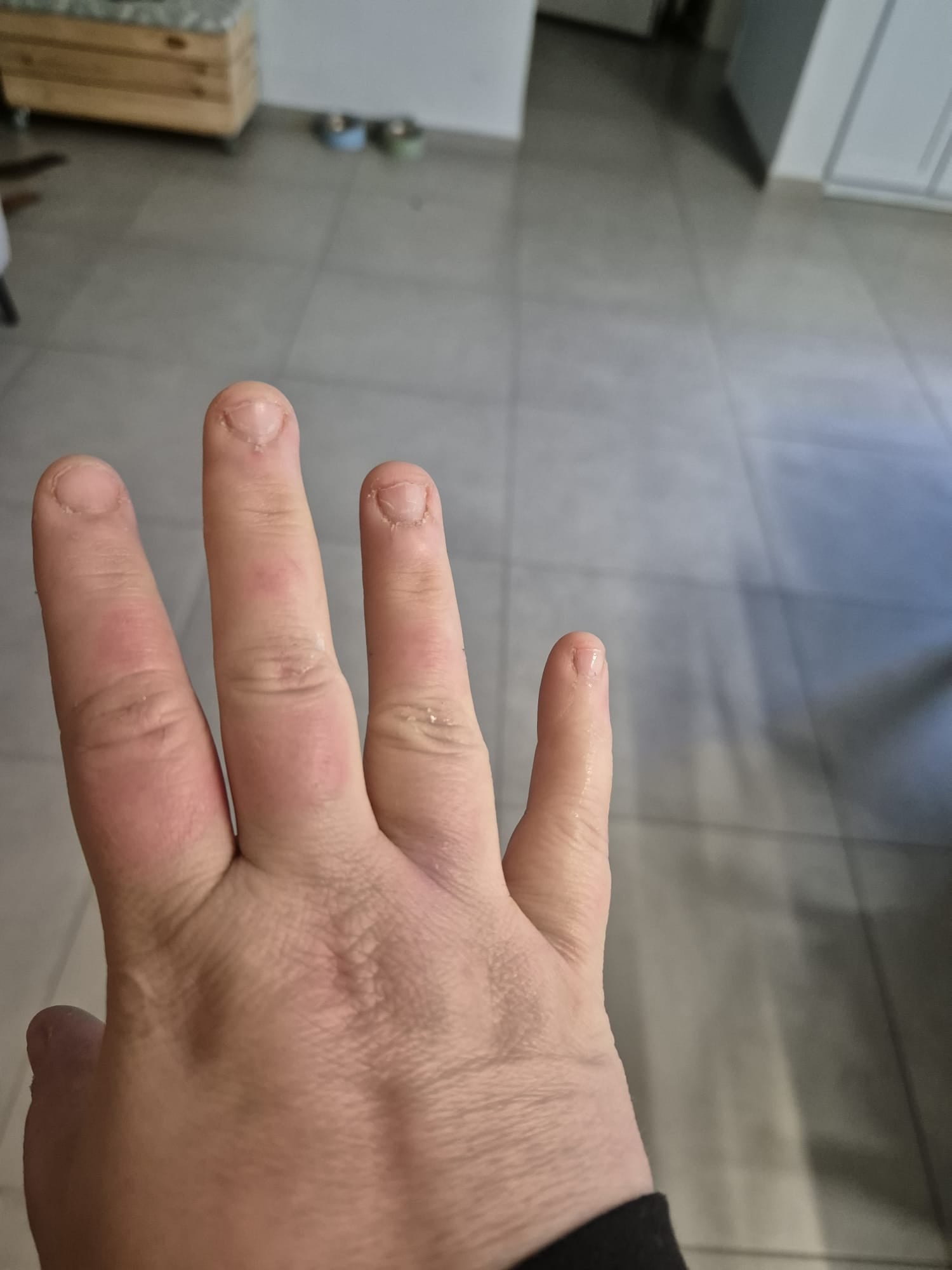
Learn what helps burn scars heal, what to avoid, when to use silicone or recovery cream, and when a burn scar needs medical treatment.
Discover what bisabolol does for skin, its soothing benefits, how it helps redness and sensitivity, and how to use it in your skincare routine.