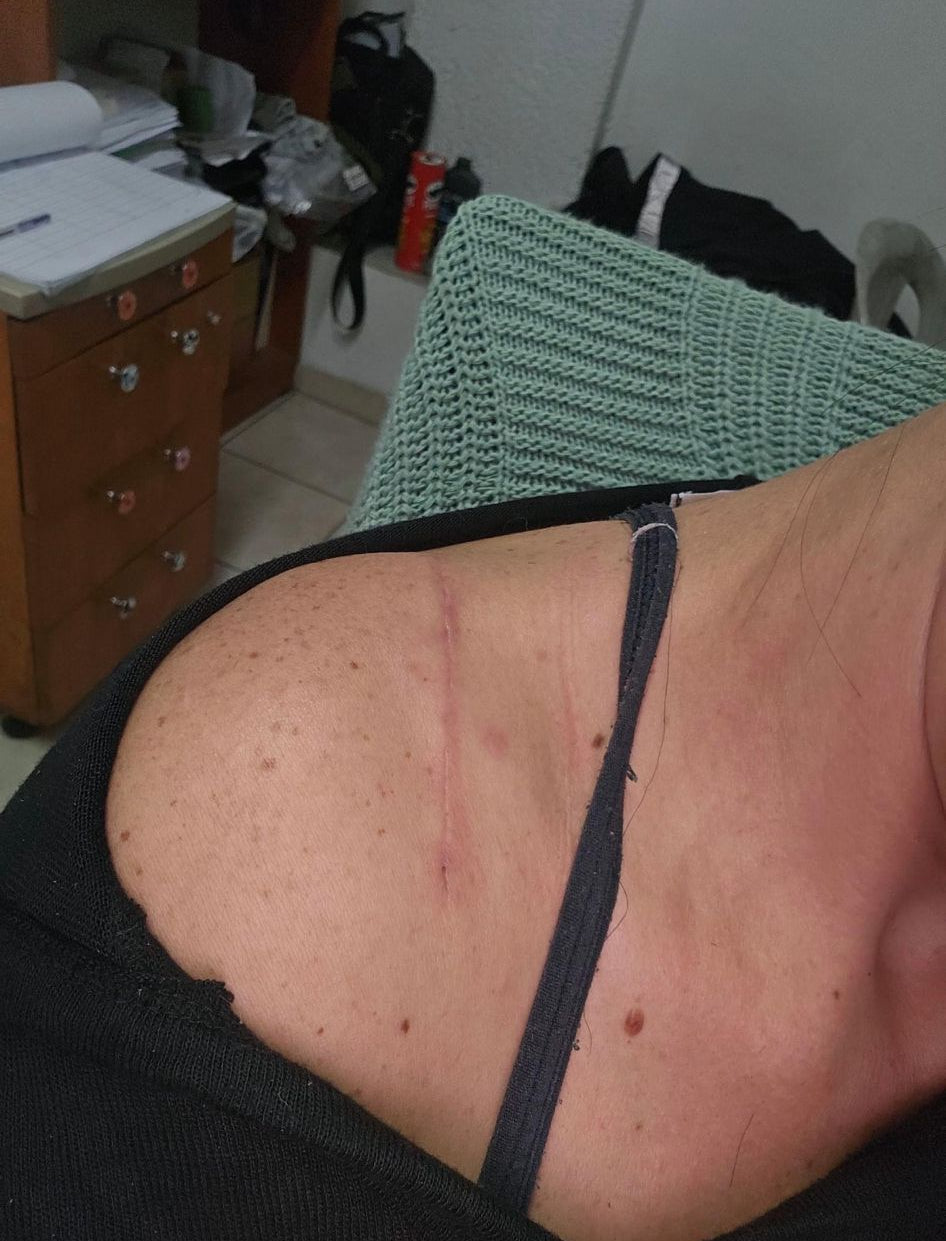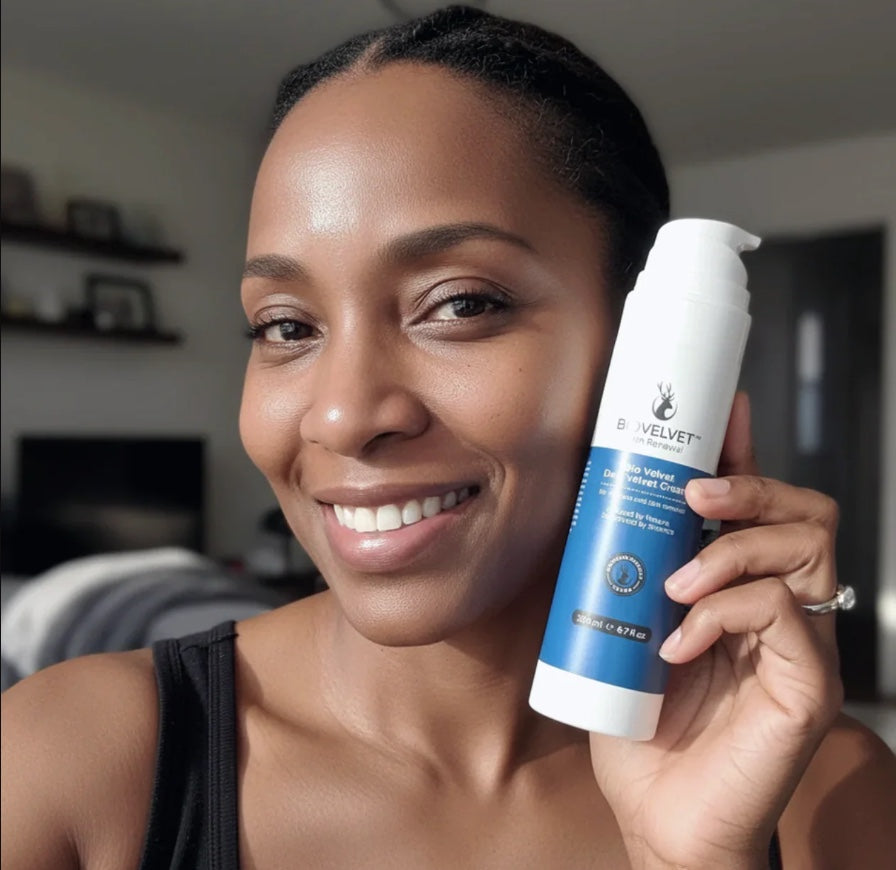
Scar care
Sheets, gel, or a cream - match it to your scar.
Silicone sheets have the evidence for raised scars. A recovery cream supports the skin around it. Often the smartest routine uses both.
Shop BioVelvet →What silicone scar sheets can realistically do
Scar products are often overpromised. That scepticism is fair. Many creams, oils, and “scar fading” treatments make broad claims without much behind them.
Silicone sheeting is different. It is one of the few scar-care options with broad clinical support for helping manage certain scars, especially after the skin has fully closed. That does not make it magic. It does make it worth taking seriously.
Most people searching for the best silicone scar sheets are trying to improve one of a few specific problems: a newer surgical scar, a c-section scar, a raised hypertrophic scar, a scar in a keloid-prone area, or a visible facial scar they want to make less obvious over time.
The realistic goal is not erasure. Silicone scar sheets may help flatten, soften, and reduce the visible appearance of a scar as it matures. They may also help with tightness, rubbing, and comfort. But they do not remove a scar completely.
Results depend on four things more than anything else:
- how new or old the scar is
- what type of scar it is
- how consistently the sheet is worn
- where on the body the scar sits
A flat, fresh surgical scar on the abdomen is a very different situation from an older raised scar on the chest or a narrow scar along a moving part of the face. The product category is the same. The outcome may not be.
Who this guide is for
This guide is for:
- people recovering from surgery and trying to choose scar care after the incision has closed
- anyone looking for the best silicone scar sheets for c-section scars
- people managing raised healing scars
- readers looking for the best silicone scar sheets for face scars, where comfort and discretion matter more
When scar care should be medical, not DIY
Silicone sheets are for closed, healing skin. They are not the answer for every scar concern.
Get medical guidance instead of trying to manage it yourself if you have:
- an open wound or any area that has not fully closed
- signs of infection such as warmth, pus, spreading redness, or fever
- worsening pain
- a scar or lump that is growing in a way that seems unexplained
- burns beyond a minor superficial injury
- a suspected keloid, especially if you have a history of aggressive keloid formation
Living Collagen · 50+ Bio-Active Compounds · Aloe Vera · Dead Sea Minerals
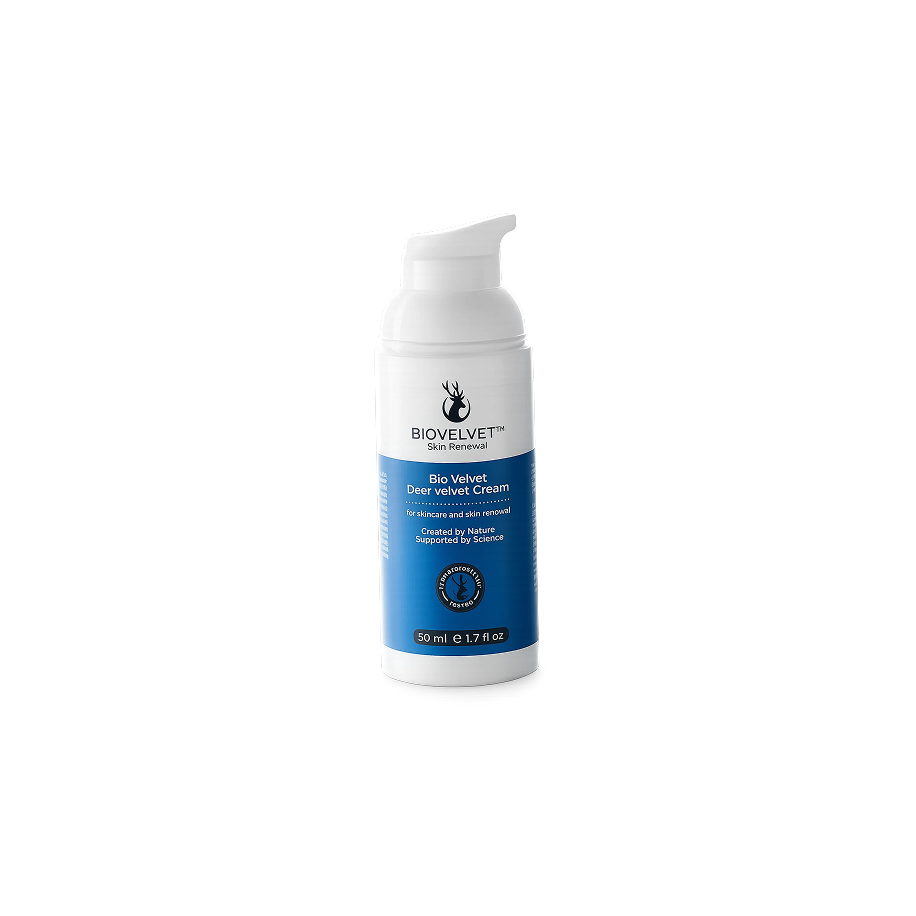
BioVelvet Recovery Cream
Sheets work the scar. BioVelvet Recovery Cream supports the skin around it - calmer, softer, less tight. Petroleum-free, 90-day money-back guarantee.
How silicone scar sheets work and when they help most
Silicone sheets work in a fairly simple way. They sit over the scar and create a protected, hydrated environment. That can help regulate how the scar matures over time.
In plain terms, scars usually do better when they are not being constantly dried out, rubbed, or exposed to repeated friction. Silicone helps create a steadier healing environment.
There are two slightly different goals here:
- scar prevention support: helping a new closed scar mature more smoothly
- scar revision support: trying to improve the texture, height, or comfort of an older scar
Silicone sheets usually perform best in the first category. Newer scars often respond better than older ones. But some older scars may still improve in softness, flexibility, and overall appearance with consistent use.
The scar types people most often search about include:
- surgical scars
- c-section scars
- hypertrophic scars
- burn scars after the skin has fully closed
- facial scars
Best use cases by scar type
Silicone sheets tend to make the most sense for the kinds of scars covered in our surgical scar care guide:
- linear surgical scars
- tummy tuck scars
- c-section incisions
- chest scars
- other areas where a sheet can stay in place for long daily wear
They are often less convenient on highly curved, oily, or constantly mobile areas unless the sheet is especially thin and flexible.
Silicone sheets vs silicone gel
This is one of the most common comparisons for a reason. Both aim to do similar jobs, but the format changes day-to-day usability.
Silicone sheets usually offer:
- fuller physical coverage
- more consistent contact with the scar
- a little more protection from friction
- better fit for long straight scars
Silicone gel is often easier for:
- curved areas
- facial contours
- scars near joints
- people who do not want a visible sheet during the day
If a scar sits on a flatter area and you can realistically wear a sheet for long hours, sheets often make more sense. If the area is awkward, highly visible, or constantly moving, gel may be the more practical option.
How long results usually take
This is not quick.
Some people notice that a scar feels softer or less tight within a few weeks. Visible flattening or fading usually takes longer. Think in months, not days. Consistent wear matters more than switching products repeatedly.
Silicone scar sheets vs scar creams: what is the difference?
Sheets and creams are not really competitors. They do different jobs, and the best routine often uses both.
A silicone sheet sits on top of the scar and creates a protected, hydrated, lower-friction environment over the scar tissue itself. That is the mechanism with the most clinical support for raised and hypertrophic scars.
A scar cream works on the skin around and over the scar. A good recovery cream hydrates, softens, and calms skin that feels tight, dry, or itchy while a scar matures. It does not occlude the scar the way a sheet does, but it is far easier to wear on curved, mobile, or sensitive areas, and there is no adhesive to irritate.
So which is better depends on the scar:
- Sheets are often better for raised or hypertrophic scars on flat, coverable areas where you can wear them for long hours.
- A cream is often better for the dry, tight, itchy skin around a scar, for sensitive skin, for awkward or visible areas, or when sheets keep lifting or irritating.
If you want a deeper look at the cream side of this, see our guide to the best scar cream. The cream we keep coming back to for the skin around a healing scar is BioVelvet Recovery Cream, which supports the surrounding skin while silicone does its work on the scar. New Zealand deer antler velvet extract is the hero ingredient in its formula, alongside Dead Sea minerals and aloe vera.
How to choose the best silicone scar sheets
A useful buying framework is better than a hype-heavy ranking list.
When comparing options, pay attention to:
- medical-grade silicone: the core material matters more than marketing extras
- sheet thickness: thicker sheets may feel more protective, but thinner ones may conform better
- adhesion: strong enough to stay put, but not so aggressive that removal becomes irritating
- reusability: important for cost over a full treatment period
- ease of cleaning: if upkeep feels annoying, consistency tends to drop
- size range: long scars need larger formats or cut-to-fit sheets
- comfort for long wear: especially under clothes or across moving areas
Body location matters more than many roundups admit. The best silicone scar sheets for c-section scars need different qualities than the best silicone scar sheets for face scars.
You will usually be choosing between:
- pre-cut strips: easiest for short, neat scars
- larger cut-to-fit sheets: better for long surgical scars and wider abdominal scars
- tape-style formats: useful for narrow scars or areas needing a more customised shape
Also consider the practical issues that affect whether you will actually keep using them:
- sweating
- movement
- waistband friction
- skin sensitivity
- how visible the sheet is during normal life
What matters most for facial scars
For facial scars, the best options are usually:
- thin
- fairly transparent
- flexible around expression lines
- discreet enough for limited visible wear
Some sheets can work under makeup for some people, but many are still easier to wear at home or overnight. On visible areas, comfort and low visibility often matter as much as raw adhesion.
What matters most for c-section scars
For c-section scars, look for:
- wider coverage
- flexibility along the lower abdomen
- secure adhesion during sitting, bending, and walking
- comfort under a waistband
In many cases, a larger sheet is more cost-effective than repeatedly using small strips that do not cover the full incision comfortably.
If you have sensitive or reactive skin
If your skin is reactive, take a slower approach:
- patch test first
- build wear time gradually
- choose simpler silicone designs without added extras that may increase irritation
Even a well-made sheet can be too occlusive for some people if they start with full-day wear immediately.
Best silicone scar sheets by use case: how the leading options compare
There is no universal winner here. The right choice is usually about fit, scar location, and whether you can use the product consistently for long enough.
Below is a calm comparison framework based on common search-interest options.
| Use case | Product type to look for | Best for | Possible downside | Who should skip |
|---|---|---|---|---|
| Best overall | Cut-to-fit medical-grade silicone sheet | Common surgical scars on flatter body areas | May feel bulky on small visible scars | Anyone needing a very discreet daytime face option |
| Best for c-section | Larger flexible sheet | Lower abdominal scars and wider incisions | Can lift with sweat or waistband friction | People who strongly dislike occlusive wear |
| Best for face | Thin, flexible silicone strips or very thin sheets | Facial scars where conformity matters | Often less durable and more visible than expected | Very oily skin or highly expressive areas if adhesion fails |
| Best for long surgical scars | Large cut-to-fit sheet or tape-style roll | Tummy tuck, orthopaedic, and long post-op scars | Requires trimming and regular cleaning | People wanting zero-maintenance use |
| Best reusable option | Durable washable sheet | Longer treatment cycles | Higher upfront cost | Anyone unlikely to clean and store it properly |
| Best budget-friendly format | Basic strip multipack or tape-style silicone | Short linear scars and lower-cost trials | May be less comfortable for wider scars | Anyone needing broad abdominal coverage |
Best overall silicone scar sheets
An overall pick should do a few things well without excelling in only one narrow category:
- stay on reliably
- feel comfortable for long wear
- trim easily
- offer reasonable value over a full treatment period
- suit common surgical scars on the body
In practice, a plain cut-to-fit silicone sheet often beats a heavily branded niche format. If your scar is on a flatter area and you want one product that can be trimmed as needed, this is usually the safest starting point.
Best silicone scar sheets for face
For the face, thinner is usually better. A sheet that is too thick may pull at the skin, show too much, or lift around normal expression.
The best face-focused options are usually:
- thinner strips
- softer silicone
- more flexible edges
- smaller formats that do not overwhelm a short scar
If daytime visibility is a major concern, silicone gel may still be easier than sheets.
Best silicone scar sheets for c-section
For c-section scars, the practical winner is usually a larger, flexible format that covers the lower abdominal scar without needing multiple small strips.
Look for:
- enough width to cover comfortably
- flexibility when sitting and standing
- decent hold through routine movement
- reusability, because treatment often lasts for months
Tiny strips are rarely the best value here.
Nuvadermis silicone scar sheets vs Biodermis silicone scar sheets
Both names come up often in scar-sheet searches, and both are generally considered when people want a medical-grade silicone option rather than a novelty scar product.
A practical way to compare them is this:
Nuvadermis silicone scar sheets
- often make sense for people who want straightforward sheets with common size options
- may suit general surgical scars and first-time silicone sheet users
- are worth considering if you want a simpler entry point without overcomplicating the choice
Biodermis silicone scar sheets
- are often considered when shoppers want more format variety and are comparing treatment value over time
- may make more sense for people with longer scars or those specifically looking at reusable wear patterns
- can be appealing if fit options matter more than a low upfront price
The better choice depends on:
- your scar length
- whether you need a face-friendly or body-friendly format
- how much trimming you are willing to do
- price across a full treatment cycle, not just the first pack
If your scar is long and body-based, size flexibility may matter more than brand familiarity. If your scar is short and straightforward, either may be perfectly reasonable.
The silicone scar sheet products people compare most
These are the options that come up most often when people shop for silicone scar sheets. Formats and strengths differ more than the marketing suggests, so match the format to your scar and to what you can realistically wear every day. The sheets and gels below are made by other brands; their links open on their own sites.
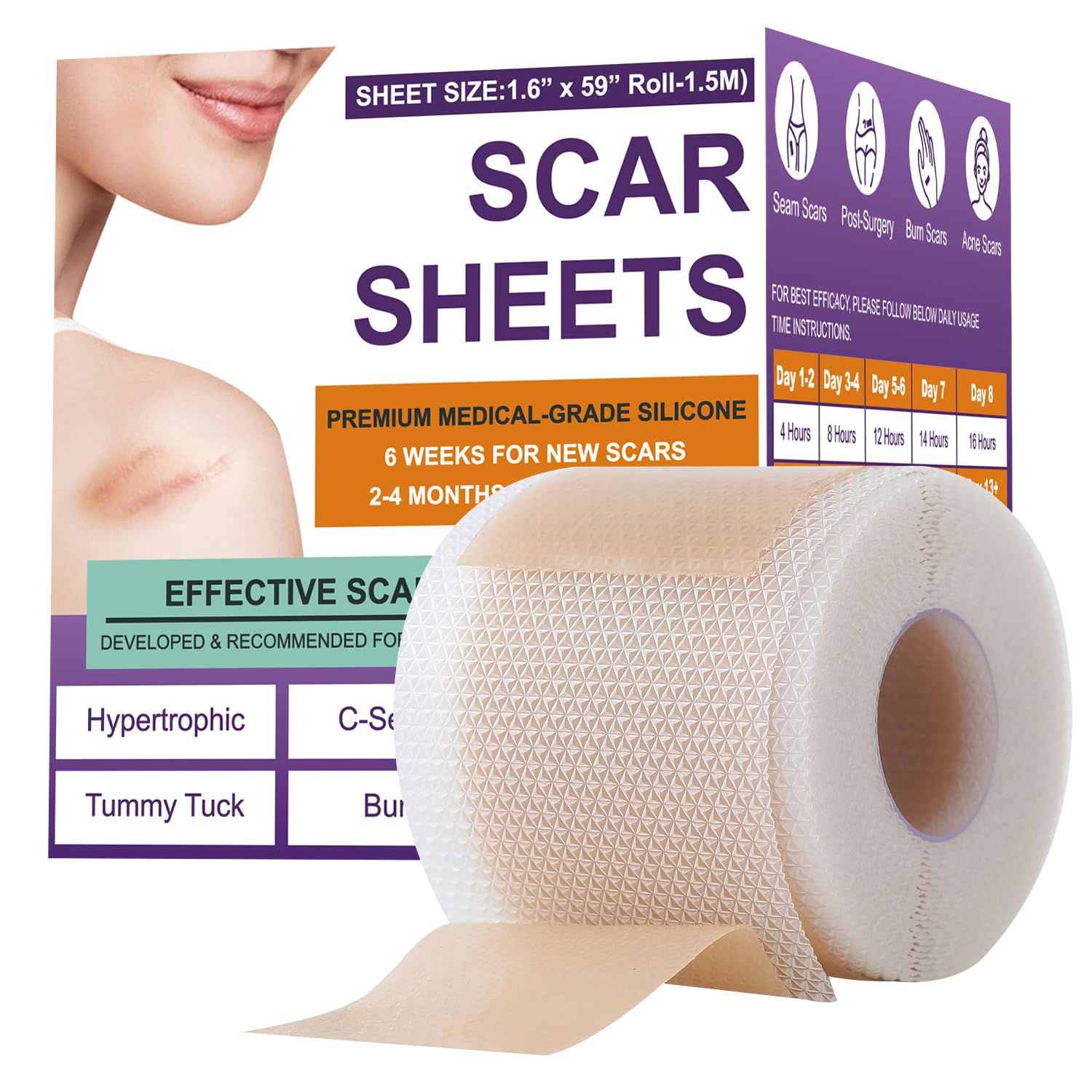
Psecici Silicone Scar Sheets
Reusable medical-grade silicone sheets in common sizes, a straightforward starting point for body scars.
- Best for: first-time silicone users
- Format: reusable silicone sheets
- Note: a simple, no-frills entry point
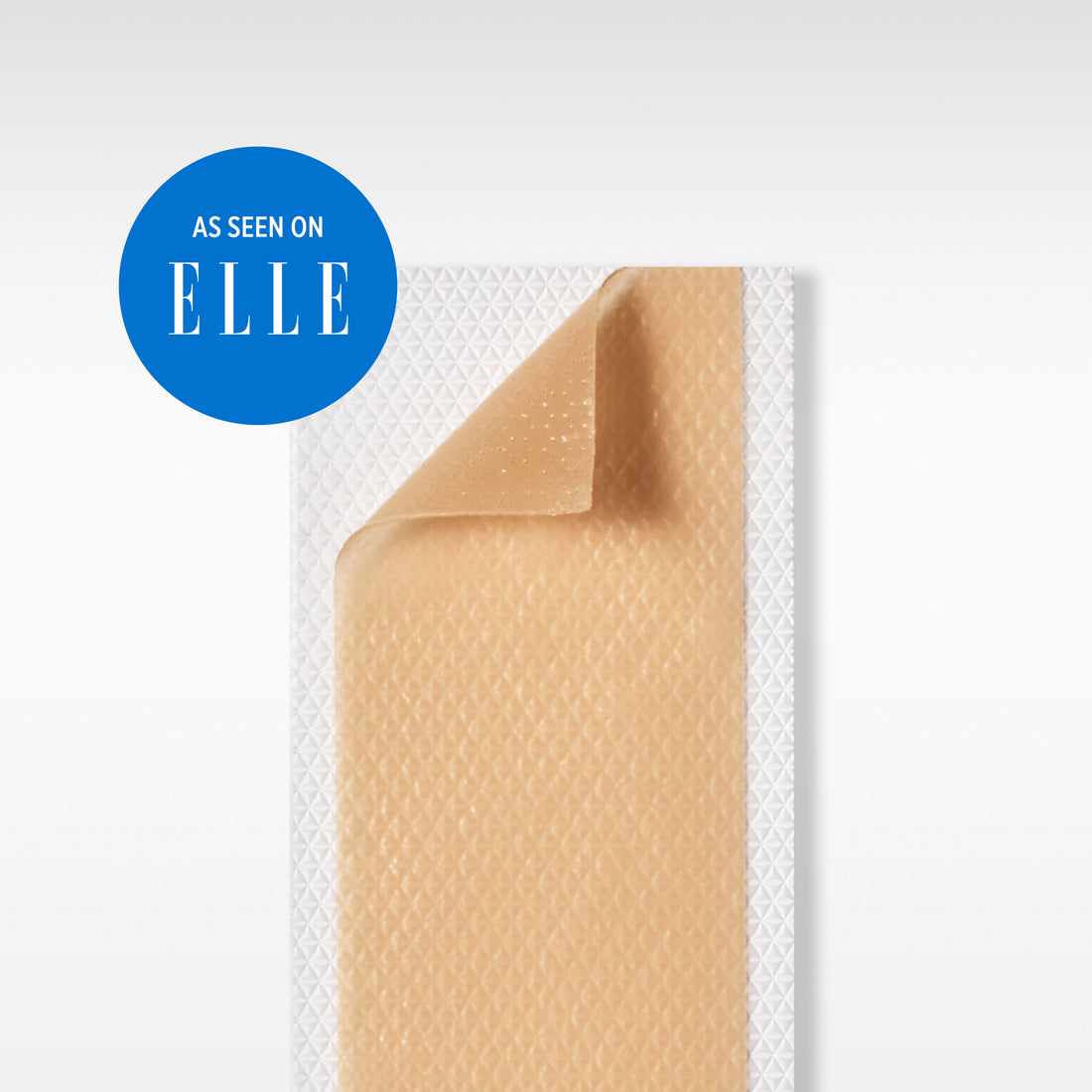
Nuvadermis Silicone Scar Sheets
Cut-to-fit silicone sheets with several size options for a range of body scars.
- Best for: matching different scar lengths
- Format: cut-to-fit sheets
- Note: pick a size that covers the whole scar

Dimora UPF50+ Silicone Scar Sheets
Silicone sheets that add UPF50+ sun protection, useful for scars on skin that sees daylight.
- Best for: exposed scars
- Format: UPF50+ silicone sheets
- Note: sun care around the sheet still matters

Elaimei Silicone Gel Sheets
A budget multipack of gel sheets for short, linear scars.
- Best for: low-cost trials and short scars
- Format: gel-sheet multipack
- Note: less suited to wide abdominal coverage
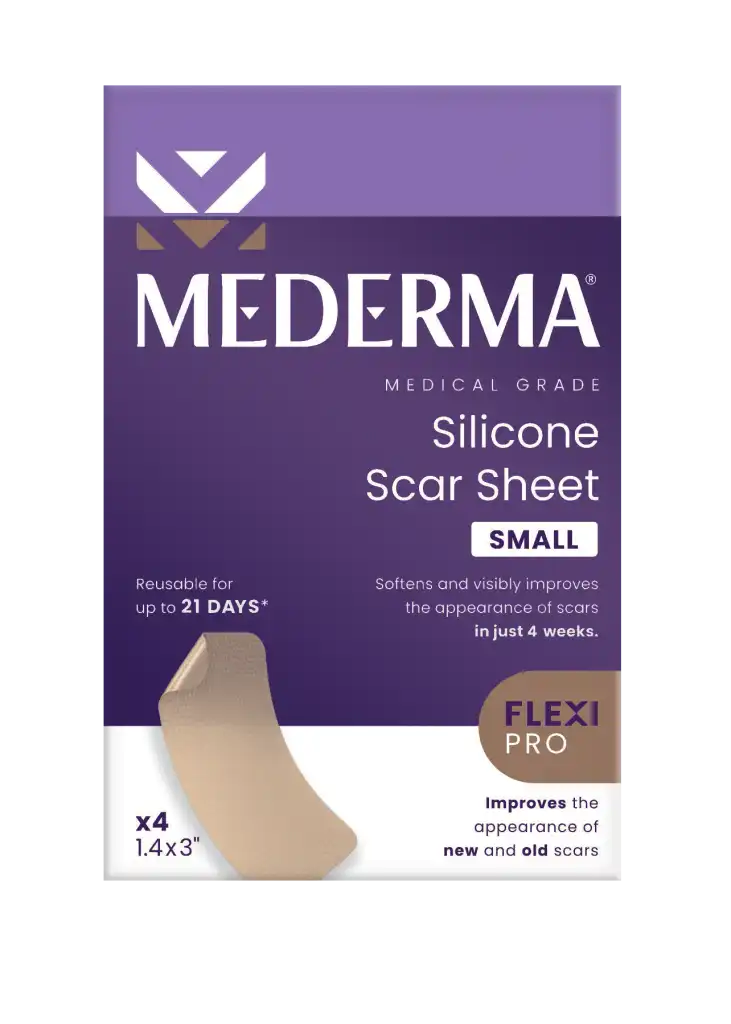
Mederma Scar Sheet (Small)
Small pre-cut sheets from a well-known scar brand, easy for short scars.
- Best for: short, neat scars
- Format: small pre-cut sheets
- Note: small format, not for long scars

ScarAway Silicone Scar Gel
A silicone gel for curved, mobile, or facial areas where a sheet will not sit flat.
- Best for: face, joints, and visible areas
- Format: transparent silicone gel
- Note: a gel, not a sheet - easier on contours

ScarAway Silicone Clear Scar Sheets
Clear, thin silicone sheets aimed at discreet daytime wear.
- Best for: visible scars you want kept low-profile
- Format: clear thin sheets
- Note: thinner sheets may be less durable
If your scar sits on a curved, visible, or sensitive area, or the skin around it feels tight and irritated, a recovery cream may be the more comfortable option to use alongside or instead of a sheet.
BioVelvet cream vs silicone sheets at a glance
BioVelvet cream
- Hydrates and calms the skin around the scar
- Comfortable on sensitive or itchy skin
- No adhesive or occlusion irritation
- Easy daily use on any area
Silicone sheets
- Clinical evidence for raised scars
- Best on flat, coverable scars
- Can lift, sweat, or irritate
- Do little for the surrounding skin
Bottom line: sheets work the scar surface and have the evidence for raised scars. A recovery cream supports the skin around it. For many people the answer is both.
How to use silicone scar sheets for better results
Use them only once the wound is fully closed and your clinician has not told you otherwise.
A simple routine looks like this:
- Wash and dry the area gently.
- Make sure the skin is fully dry and free from oils or heavy creams.
- Apply the sheet without stretching it hard across the scar.
- Start with shorter wear periods if your skin is sensitive.
- Build toward the brand’s recommended daily wear time.
- Clean the sheet as directed.
- Let it dry properly before reapplying.
- Replace it when adhesion or condition clearly declines.
Consistency matters more than doing everything perfectly for three days and then stopping.
Common reasons sheets seem not to work:
- oils or sweat reducing adhesion
- edge lifting that causes the sheet to shift
- wearing it too long too soon and triggering irritation
- stopping after only a short trial
If a sheet repeatedly fails because of location, it may be time to switch to silicone gel. Some people also use clinician-approved scar massage or strict sun protection alongside silicone, especially for exposed scars.
Common mistakes that make silicone sheets seem ineffective
The most common mistakes are:
- starting before the skin has healed
- wearing them inconsistently
- choosing the wrong size
- stretching the sheet too much
- expecting an old deep scar to change quickly
These are not small details. They often determine whether a product feels helpful or pointless.
Scar care habits that matter alongside silicone
A few simple habits matter:
- protect exposed scars from sun
- give scar remodeling time
- check with a clinician before layering multiple treatments over a newer scar
Sun exposure can make a healing scar more noticeable for longer, especially on visible areas like the face or chest.
Limitations, safety, and how to make a decision that fits your scar
Silicone scar sheets can be genuinely useful, but they are still just one tool. They support scar management. They are not the answer for every scar problem or every body area.
On the safety side, mild sweating, temporary edge lifting, and some adjustment discomfort can happen. But persistent redness, itching, rash, or pain are signs the product may not suit your skin or that you need a different format. Cream for itchy skin may be relevant if irritation continues after you stop using the product.
If you are deciding between doing nothing, using sheets, using gel, or asking for medical guidance, use a simple framework:
- Do nothing: reasonable for very small, flat, asymptomatic scars you are not bothered by
- Use sheets: best for fresh closed surgical scars, linear scars, and raised healing scars on body areas where a sheet can stay on
- Use gel: often better for curved, mobile, or highly visible areas
- Ask a dermatologist or surgeon: best for thick, painful, growing, recurrent, or clearly keloid-prone scars
When silicone sheets are probably worth trying
They are usually most worth trying if you have:
- a fresh closed surgical scar
- a c-section scar
- a healing raised scar
- a realistic ability to wear the product consistently
When another option may be better
Another option may make more sense if the scar is:
- on a highly curved area
- on the scalp
- across a very mobile joint
- part of a more complex keloid history
- in a location where a visible sheet is simply not practical
In those cases, silicone gel, clinician treatment, or no topical product may be the more sensible choice.
Ready to try?
BioVelvet Recovery Cream
Silicone sheets target the scar; the skin around it still needs care. BioVelvet pairs deer antler velvet with hyaluronic acid, aloe vera, vitamin E, and allantoin to keep that skin calm and comfortable - alongside your sheets, or when sheets are too much.
FAQ
Do silicone scar sheets actually work?
They can help, especially for newer closed scars and raised healing scars. They are one of the few scar-care options with broad clinical support. The realistic goal is improvement in softness, flattening, comfort, and visible appearance over time, not complete removal.
What are the best silicone scar sheets for face scars?
The best silicone scar sheets for face scars are usually the thinnest and most flexible options. They need to conform well, stay reasonably discreet, and avoid pulling too much at moving skin. If visibility or adhesion is a problem, silicone gel may be easier.
What are the best silicone scar sheets for c-section scars?
The best silicone scar sheets for c-section scars are usually larger, flexible sheets that cover the lower abdominal scar comfortably and hold up through daily movement. Wider cut-to-fit sheets are often better value than small strips.
How long should you wear silicone scar sheets each day?
Follow the specific product instructions, but many people build up gradually rather than starting with maximum wear immediately. The main goal is regular, consistent daily use that your skin tolerates well.
How long does it take for silicone scar sheets to work?
Some people notice improved softness or less tightness within a few weeks. Visible changes usually take longer and often require consistent use over months. Newer scars tend to respond better than older ones.
Are silicone scar sheets better than silicone gel?
Not always. Sheets often work better on flatter body areas where they can stay in place and provide full coverage. Gel is often easier for curved, mobile, or highly visible areas. The better option is usually the one you can use consistently on your specific scar.
What is BioVelvet Recovery Cream made of?
BioVelvet Recovery Cream is built around New Zealand deer antler velvet extract as the hero ingredient, combined with Dead Sea minerals, aloe vera, hyaluronic acid, allantoin, and vitamin E in a petroleum-free, lanolin-free formula.