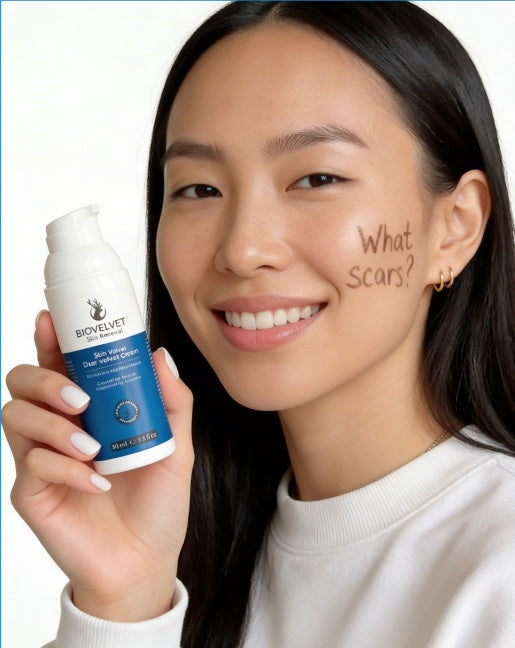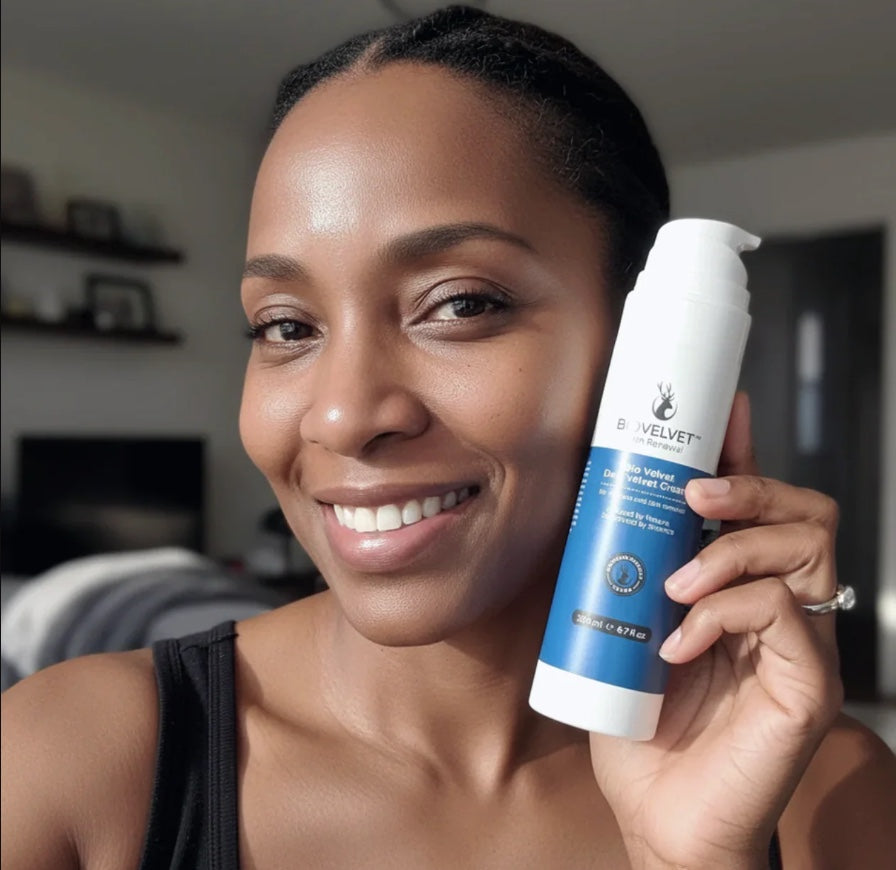
Acne scar recovery
Acne marks vs scars - what actually helps.
Marks fade with the right daily care. True pitted scars usually need a dermatologist. Match your plan to what you actually have.
Shop BioVelvet →A lot of people search how to get rid of acne scars when they are actually describing a few different things at once.
Sometimes they mean the dark marks left behind after a breakout. Sometimes they mean pink or red marks that seem to linger for months. Sometimes they mean actual dents, pits, or uneven texture that stays long after the acne itself is gone.
That difference matters more than most people realise.
The right plan depends on whether you are dealing with post-acne marks or true scarring. Some changes fade mainly with time. Some respond well to sunscreen and a simple routine. Some improve with skincare, but only up to a point. And some usually need professional treatment if you want meaningful change.
If your skin feels like it has been stuck in the same place for months, that does not automatically mean you are doing anything wrong. It may just mean you are trying to treat one type of leftover acne damage as if it were another.
Acne marks vs acne scars: why the difference matters
Post-acne marks are not the same thing as acne scars.
Post-inflammatory hyperpigmentation is the darkening that can happen after a breakout heals. It may look brown, tan, grey-brown, or deeper in tone depending on your skin tone.
Post-inflammatory erythema is the redness or pinkness that can linger after inflammation settles. This is often more noticeable in lighter skin tones.
These are flat marks left behind after acne, and they do not usually mean the skin structure itself has changed.
True acne scars are different. These happen when inflammation goes deeper and the skin heals unevenly, which can leave the skin indented, pitted, tethered into wavy areas, or in some people raised. In other words, marks are mostly a colour problem, while scars are a change in the skin's structure.
Can acne scars go away completely?
Acne marks often fade significantly, especially with time, daily sunscreen, and steady use of the right ingredients.
True acne scars can improve, sometimes a lot, but they are less likely to disappear fully without procedures. That is especially true for deeper indented scars or raised scars.
This is the part many articles skip. Not everything that looks scarred needs aggressive treatment. But not everything can be fixed with a serum either.
What causes acne scars to form in the first place?
Acne scars form when inflammation reaches deeper layers of skin and the healing process lays down too little or too much collagen.
If too little collagen is produced during healing, the result is usually an indented scar. If too much is produced, the result may be a raised scar.
Several things make acne scars more likely. The biggest driver is deep cystic or nodular acne, especially when treatment is delayed and inflammation is left to smoulder in the same area across repeated breakouts. Picking, squeezing, or popping spots adds to the damage, and some people simply have a family tendency toward raised scarring that loads the dice before any of this starts.
Skin tone also influences what people notice most afterward. Some people are more likely to be left with dark marks, while others notice persistent redness or mainly see changes in texture. The underlying acne may have been similar, but the aftermath can look very different.
The main types of acne scars
The main types of acne scars do not all respond to the same treatment.
Ice pick scars are narrow, deep, and sharply indented. They often look like tiny punctures in the skin.
Boxcar scars are wider, more defined depressions with clearer edges. They can be shallow or deeper.
Rolling scars create uneven, wave-like texture. The skin can look tethered or pulled down in places.
These three are all atrophic scars, meaning there has been a loss of tissue.
Then there are raised scars, including hypertrophic scars and keloid scars. These happen when the skin produces too much collagen during healing. They are less about pitting and more about excess tissue.
This is why there is no single best answer to how to get rid of acne scars. The treatment that helps rolling scars may do very little for ice pick scars. A resurfacing treatment that helps shallow texture may not be the right first move for a raised scar.
Living Collagen · 50+ Bio-Active Compounds · Aloe Vera · Dead Sea Minerals
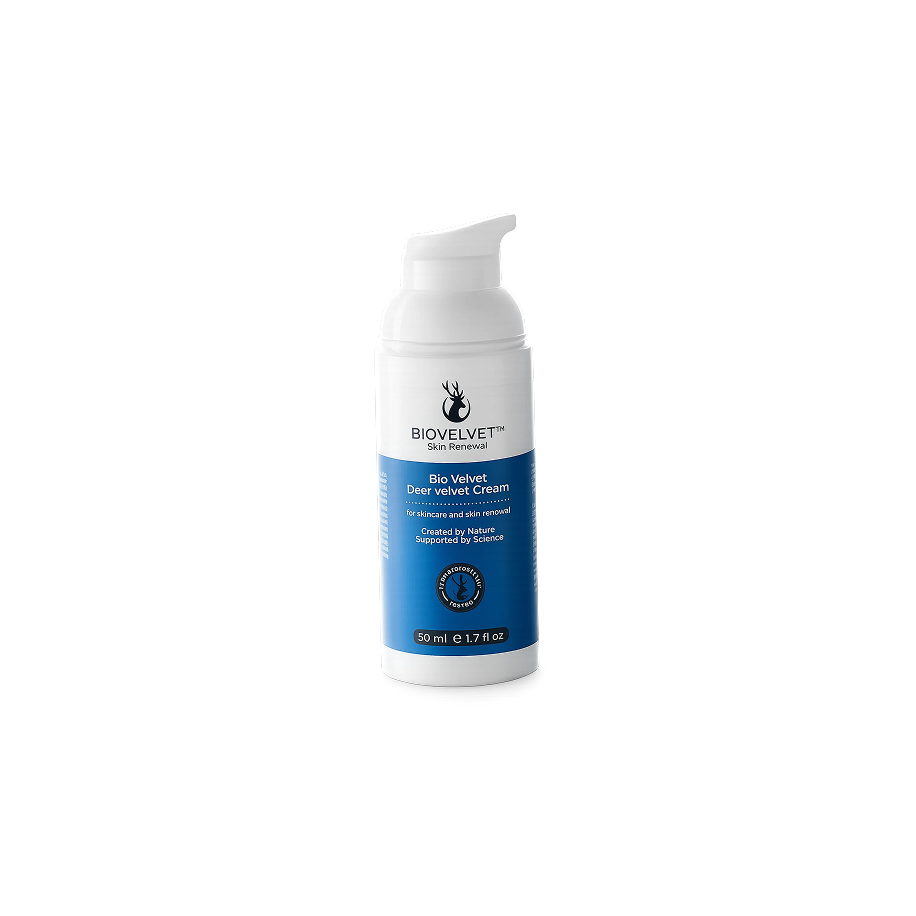
BioVelvet Recovery Cream
Post-breakout skin needs recovery, not just treatment. BioVelvet calms redness and supports the barrier while marks fade. Petroleum-free, with a 90-day money-back guarantee.
How to get rid of acne marks and mild post-acne discoloration at home
This is the part where home care can make a real difference.
If what you are dealing with is mostly flat dark marks, lingering redness, or mild unevenness after acne, a simple routine can help. Not overnight, and not with ten products at once, but with consistency.
If you are specifically searching how to get rid of acne marks, start here before assuming you need a procedure.
The basic structure is simple: a gentle cleanser, a moisturizer, and daily sunscreen, plus one or two active ingredients used consistently.
Sunscreen is the non-negotiable part. UV exposure can deepen post-acne marks and make them last longer. Even excellent brightening products will do less if the marks are being darkened again by sun exposure.
Ingredients that can help fade post-acne marks
A few ingredients have the best track record for fading post-acne discoloration over time.
Retinoids support skin turnover and can gradually help with discoloration, rough texture, and some early shallow scarring. Prescription versions are stronger, but over-the-counter retinoids can still be useful if your skin tolerates them.
Azelaic acid is one of the more helpful options for people dealing with post-acne marks, redness, or skin that is easily irritated. It can be a good fit for people who cannot tolerate stronger exfoliating routines.
Vitamin C can help brighten uneven tone and support a more even-looking complexion over time. It is often easier to tolerate in the morning under sunscreen, though sensitive skin may prefer gentler forms.
Niacinamide can help calm inflammation, support the skin barrier, and improve the look of uneven tone over time. It is often one of the easiest active ingredients to work into a routine.
Gentle chemical exfoliants can help lift dull surface buildup and gradually improve the appearance of post-acne marks. The key word here is gentle, because overdoing acids usually leaves skin more irritated than it was before.
A simple example routine might look like this.
| Morning | Evening |
|---|---|
| Gentle cleanser | Gentle cleanser |
| Vitamin C or niacinamide | Retinoid or azelaic acid |
| Moisturizer | Moisturizer |
| Sunscreen | No SPF needed at night |
That does not mean everyone needs all of these. In fact, most people do better when they start with fewer.
How to avoid making marks worse
A lot of post-acne discoloration lasts longer because the skin keeps getting irritated.
Most of the things that keep a mark around longer are habits, not products. Each one below re-triggers the irritation that drives redness and pigment, which is why steady beats aggressive.
| What sets marks back | Why it keeps them around longer |
|---|---|
| Picking or squeezing a healing spot | Reopens the spot and can push pigment deeper, turning a temporary mark into a lasting one |
| Harsh scrubs | The abrasion re-inflames skin that is already trying to calm down |
| Over-exfoliating | Strips the barrier, and a stripped barrier keeps redness and pigment switched on |
| Stacking several actives at once | Adds up to more irritation than the skin can quietly recover from |
| Changing the routine every few days | The skin never gets the steady weeks it needs to fade a mark |
| Skipping moisturizer for fear of breakouts | A dry, stressed barrier stays reactive, so marks linger |
| Skipping sunscreen | Daily UV darkens post-acne marks and quietly undoes weeks of fading |
If your skin is stinging, peeling, tight, or becoming more reactive, the routine may be too aggressive. Irritation can prolong both redness and pigmentation.
More is not more here, and a steady routine usually does more good than an aggressive one.
Can skincare products actually help with true acne scars?
This is one of the most important parts of the acne scar conversation.
Yes, skincare products can help to a point. But their limits are real.
Topical products can improve overall tone, support smoother-looking skin, and sometimes make newer or shallower scars look a little less noticeable. They can also help the skin recover better while you prevent new breakouts.
What they usually cannot do is fully remove established indented scars.
That matters because many people looking for the best acne scar removal products are hoping a cream or serum will fix a deeper structural change in the skin. Most of the time, that is not how it works.
What over-the-counter products can realistically improve
Over the counter, the realistic wins are post-acne marks, uneven tone, and mild roughness, along with the newer shallow textural changes that have not had time to set. Consistent care also keeps the skin looking smoother overall and helps hold your results between professional treatments.
Retinoids can modestly support collagen turnover over time. Acids can improve surface texture. Sunscreen helps prevent marks from darkening and protects healing skin. Supportive moisturizers can reduce irritation so you can stay consistent with treatment.
For some people, that adds up to visible improvement. Especially when the concern is more about marks and mild unevenness than deeper pits.
What products usually cannot do
Some acne scars sit too deep for a cream to reach. Ice pick, boxcar, and rolling scars are changes in the skin's structure, while hypertrophic and keloid scars are raised bands of collagen. A topical product can soften how the area reads and even out tone, but it will not rebuild the architecture these scars have changed. Here is where the line falls.
Post-acne marks, lingering redness, and the dry, reactive skin left behind while a spot heals. It can also keep raised scars softer and make shallow texture less noticeable over time.
Deep, indented ice pick, boxcar, and rolling scars, along with thick hypertrophic and keloid scars. Meaningful change here usually comes from in-office treatment rather than a jar.
That is not a failure of skincare. It is just the limit of what topical care can do.
A cream will not erase a deep, indented scar. But the right product can be a genuine part of the plan for the far more common problems: post-acne marks, redness, and irritated skin that is still recovering, plus the raised scars some people are left with. This is where topical care does its best work.
Two points are worth keeping in mind before you spend anything. For raised or surgical-type scars, silicone gels have the strongest evidence, so they are usually the first move. For irritated, reactive, or dry skin around a healing area, a soothing recovery cream keeps the barrier comfortable so you can stay consistent. And for flat post-acne marks, gentle actives and daily sunscreen do the slow work of evening out tone. Silicone also comes in sheet form, but for the face and acne-prone skin a gel or cream is usually the more practical choice. Here are the creams and gels worth knowing, matched to what each does best.
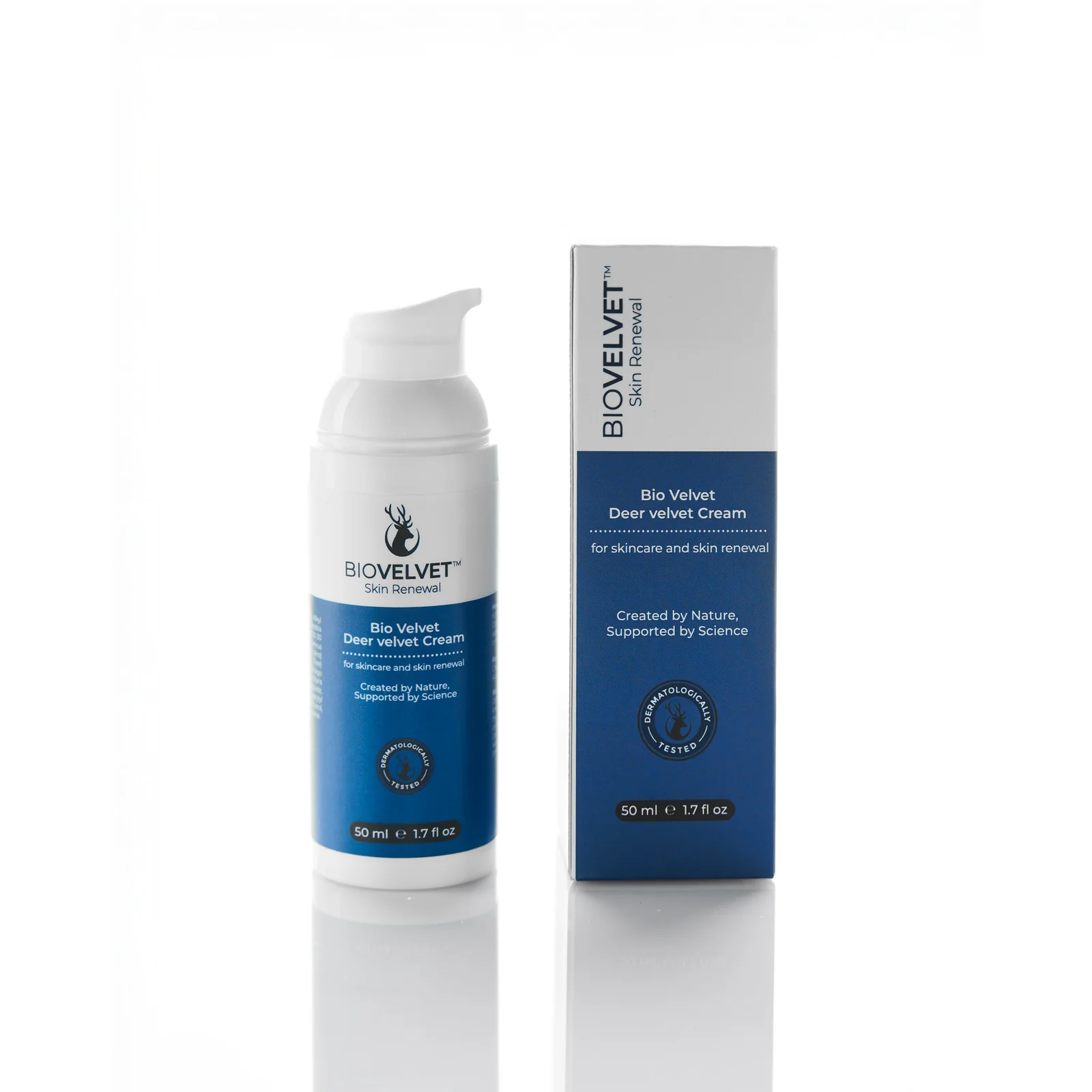
BioVelvet Recovery Cream: the calm, barrier-first base
A recovery cream built around Deer Antler Velvet Extract with hyaluronic acid, aloe vera, allantoin, and vitamin E, made for skin that feels dry, tight, fragile, or reactive while it is healing. It is steroid-free, dermatologically tested, and gentle enough for sensitive and baby skin, so it works as a calm daily base alongside your marks routine, or alongside a silicone gel on a raised scar, rather than replacing them.
It soothes dry, reactive, compromised skin and is the one multi-concern recovery formula here, at home on post-procedure, eczema-prone, or scar-recovery skin, steroid-free and backed by a 90-day money-back guarantee. Treat it as a recovery base rather than a scar-remodeling treatment: pair it with a silicone gel on raised or surgical scars, and with daily sunscreen so marks fade evenly. A petroleum-free, lanolin-free formulation and a 90-day money-back guarantee both come standard with BioVelvet Recovery Cream.
Choose this if your scar sits in skin that is also dry, reactive, or uncomfortable, or you have tried silicone-only products and want something gentler alongside.
Kelo-Cote: the silicone-gel first move for raised scars
A polysiloxane silicone gel that dries clear in about five minutes and sits invisibly under clothes, sunscreen, or makeup. Silicone has the strongest evidence for improving the appearance of new surgical and raised scars, and Kelo-Cote is one of the most practical options for closed incisions where the goal is consistent daily care rather than treating an old, stubborn scar.
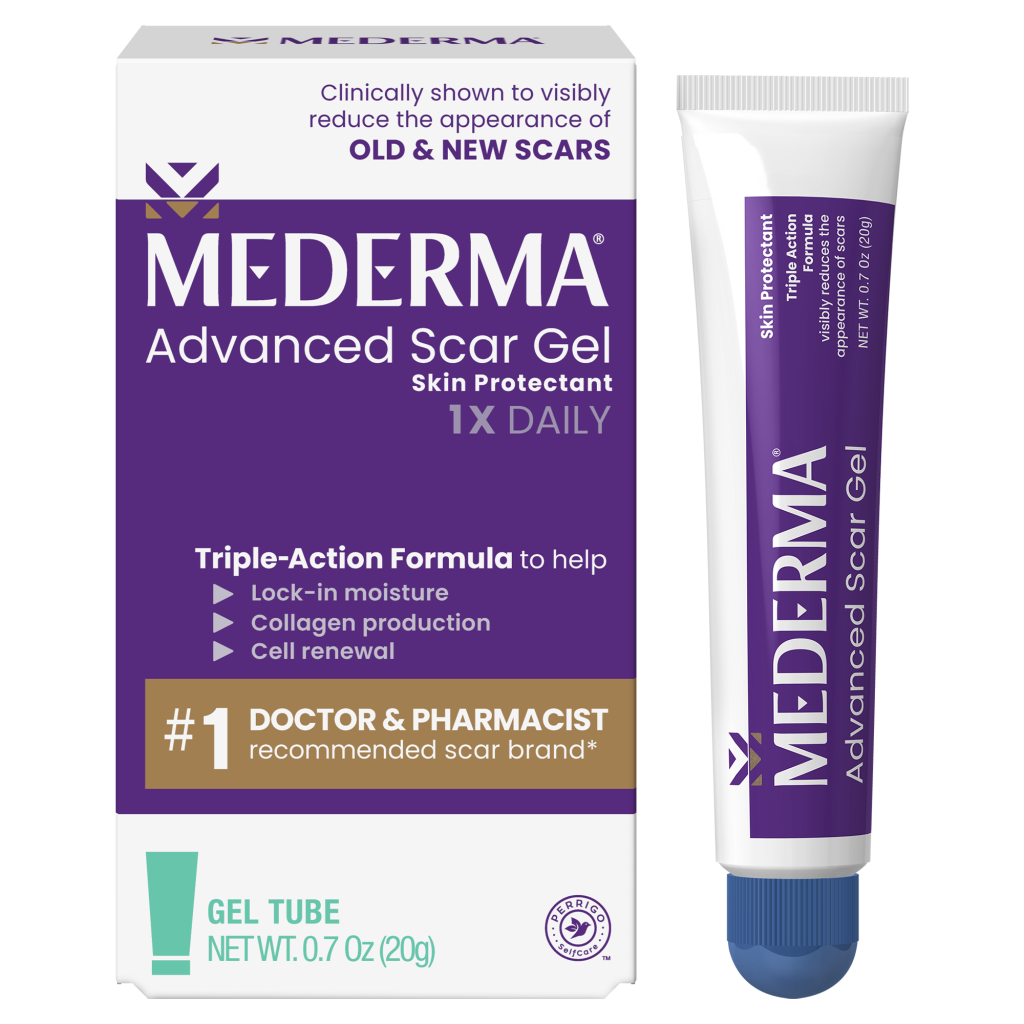
Mederma Advanced Scar Gel: the drugstore staple
Mederma's hero active is Cepalin, an onion bulb extract, combined with allantoin in a once-daily gel. The evidence base for botanical scar gels is more modest than for silicone, but Mederma has decades of pharmacy-shelf presence and is the easiest of these to actually find. It is most often chosen for older, flatter scars and discoloration, where the goal is gradual visible improvement.
CeraVe Healing Ointment: barrier support around the scar
A skin protectant rather than a scar treatment: 46.5% petrolatum plus ceramides, hyaluronic acid, and panthenol. Once skin has fully closed, this heavy occlusive locks in moisture and supports the barrier while the skin rebuilds. It is useful around dry, tight, healing skin, but it will not remodel a scar on its own.
How to layer it: for flat post-acne marks, use a gentle active such as azelaic acid or a retinoid in the evening, keep the barrier calm with a recovery cream, and finish every morning with sunscreen. For a raised scar, start with a silicone gel twice daily and add a recovery cream if the surrounding skin is dry or reactive. If anything stings or peels, scale back the actives and let the recovery step lead.
Creams and gels that can support acne scar recovery
No cream fills a deep pitted scar. What a good cream or gel can do is help post-acne marks fade more evenly, calm lingering redness, and keep the skin barrier supported while it recovers - which matters most for the flat marks and the fragile skin acne leaves behind.
Here are options worth knowing, from a barrier-focused recovery cream to silicone gels and drugstore staples.
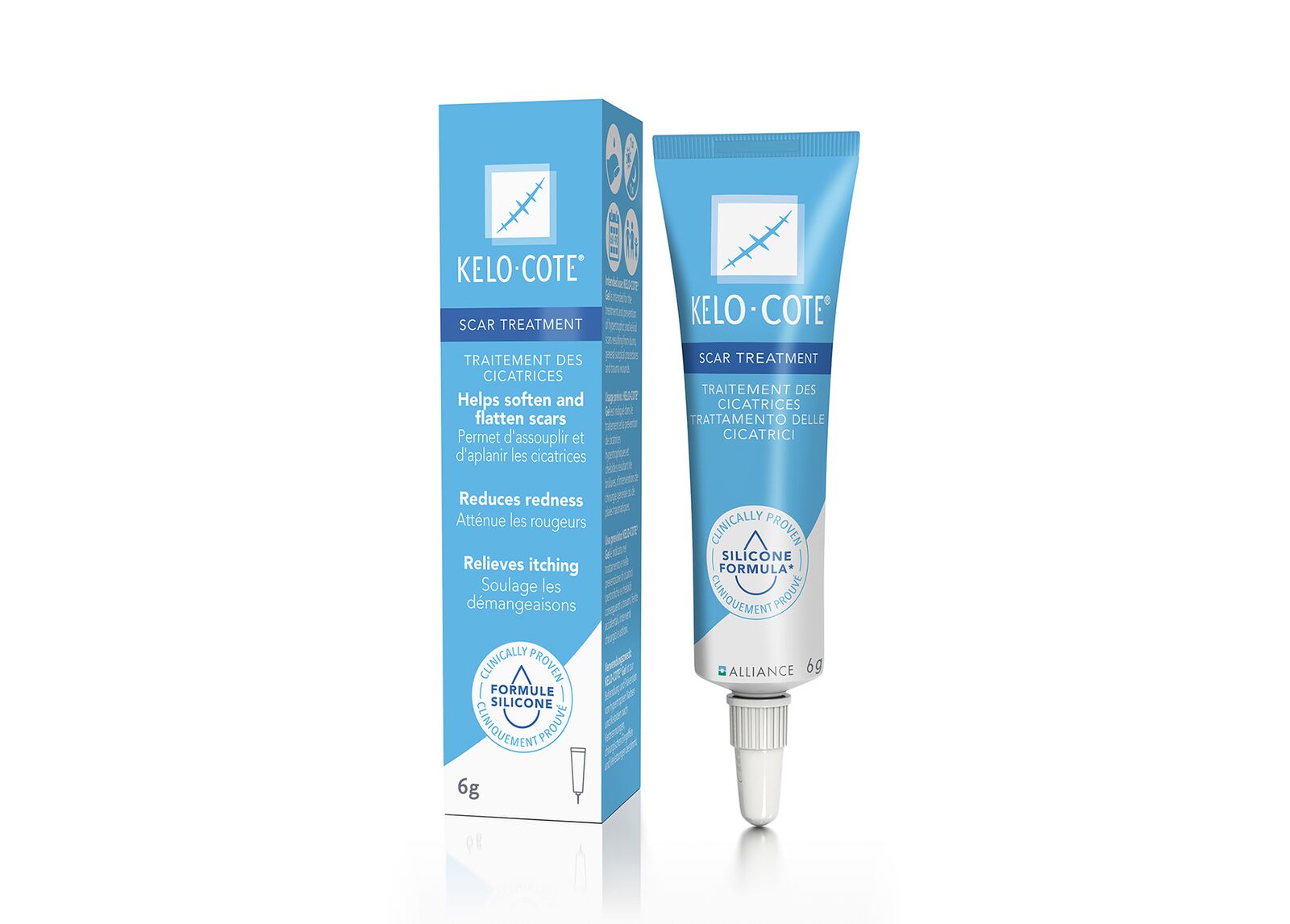
Kelo-Cote Advanced Formula Scar Gel
A silicone gel that is more relevant for raised or hypertrophic scars than for flat post-acne marks.
- Best for: raised or thickened scars
- Format: silicone gel
- Note: does little for flat discoloration
BioVelvet Recovery Cream
A steroid-free recovery cream that soothes post-breakout skin, calms redness, and supports the barrier while marks fade. It will not fill a deep pitted scar, and it is not trying to.
- Best for: post-acne marks, redness, and sensitive recovering skin
- Format: recovery cream (deer antler velvet + hyaluronic acid, aloe, shea, vitamin E)
- Note: for true pitted or raised scars, see a dermatologist
Mederma Advanced Scar Gel
A widely available gel with Cepalin and allantoin, applied once daily; a familiar drugstore option for general scar appearance.
- Best for: a low-cost, easy-to-find option
- Format: topical gel
- Note: evidence is modest; consistency matters most

CeraVe Healing Ointment
A petrolatum ointment that locks in moisture and protects fresh healing skin. It is occlusive support, not a mark-fading active.
- Best for: protecting newly healed skin
- Format: ointment
- Note: not a treatment for marks or texture on its own
A cream vs in-office treatment for acne scars
BioVelvet cream
- Fades marks and calms redness with daily use
- Supports the barrier after actives
- Gentle for sensitive, post-breakout skin
- Petroleum-free and lanolin-free
In-office treatment
- The route for true pitted or raised scars
- Done by a dermatologist
- Costly, with some downtime
- Not for everyday at-home marks
Bottom line: creams and daily care fade marks and support recovery; deep structural scars usually need a dermatologist. They do different jobs.
Acne scars are only one kind of scar, and no single product is best for all of them. If you are also weighing options for surgical, raised, or older scars, it helps to compare picks by scar type, which is the angle of our best scar cream rundown.
Professional acne scar treatments: what dermatologists use and why
If you have true acne scars or stubborn texture changes, this is where dermatology care starts to make more sense.
The main thing to know is that there is no single best treatment for every scar type. Dermatologists usually match the treatment to the scar pattern, skin tone, active acne status, and recovery tolerance.
Very often, the best results come from combining treatments rather than relying on one.
Microneedling, chemical peels, and laser resurfacing
Microneedling creates controlled micro-injury in the skin to encourage repair and collagen remodeling. It is often used for overall texture, mild to moderate atrophic scars, and post-acne unevenness. Improvement usually takes a series of sessions, not one.
Chemical peels use acids to remove controlled layers of skin and encourage smoother renewal. Lighter peels may help more with marks and mild texture. Stronger peels may be used more selectively. Recovery varies depending on depth.
Laser resurfacing targets skin renewal more aggressively and can help with texture, tone, and some types of atrophic scarring. Some lasers work more at the surface while others go deeper, and recovery can range from mild redness to more significant downtime depending on the approach.
For deeper or more established scars, these treatments often work best as part of a series.
Subcision, TCA CROSS, fillers, and punch techniques
Some scars need more targeted treatment than resurfacing alone.
Subcision is often used for rolling scars. A dermatologist releases the fibrous bands pulling the scar downward, which can help the skin sit more evenly.
TCA CROSS is commonly used for ice pick scars and some narrow boxcar scars. A strong acid is placed precisely into the scar to stimulate remodeling within that small area.
Fillers may be used in selected cases to lift certain depressed scars and make them less noticeable.
Punch techniques are sometimes used for deeper boxcar or ice pick scars. These involve treating individual scars more directly, sometimes by removing or revising them.
It is common for a dermatologist to combine these with microneedling, laser, or peels for better overall improvement.
Treatment for raised scars
Raised scars are treated differently.
Hypertrophic and keloid scars may respond better to options such as steroid injections, silicone-based scar care, pressure-based approaches in some cases, or other specialist treatments. Resurfacing alone is often not the first answer for these scars.
This is another reason proper scar typing matters. The treatment that helps an indented scar may not be the right one for a raised scar at all.
How long does it take for acne scars to fade?
If you are searching how long does it take for acne scars to fade, the answer depends on whether you mean marks or true scars.
Post-acne marks may fade over months, especially with sunscreen and consistent use of ingredients that help with discoloration.
True acne scars usually improve more slowly. If they improve at all with skincare alone, the change is often modest. Procedures can speed things up, but even then, results usually build over a series of treatments and months of healing.
A realistic way to think about timelines.
| What you are treating | Typical timeline |
|---|---|
| Marks and discoloration | Often months, faster with daily sunscreen |
| Mild textural change | Often several months with consistent care |
| Established indented scars | Usually procedural treatment plus time |
| Raised scars | Variable, and often specialist-led |
What affects how quickly you see improvement
Several factors change the timeline:
- whether acne is still active
- how much sun exposure the area gets
- whether the concern is pigment, redness, or textural scarring
- how deep the original inflammation was
- skin sensitivity and how much treatment your skin can tolerate
- how consistent the routine is
- whether the treatment plan includes procedures
Ongoing breakouts are a major reason progress feels stalled. It is hard to improve acne scars while new acne is still creating new marks.
When to see a dermatologist sooner rather than later
It is worth seeing a dermatologist sooner if:
- acne is still active
- scars are pitted, indented, or raised
- the marks or scars are affecting your confidence
- over-the-counter care has not helped after a reasonable trial
- you are dealing with repeated cystic acne
- you are not sure whether you are looking at marks, scars, or both
A reasonable trial of home care usually means a few months of consistent sunscreen and one or two well-chosen actives, not two weeks of product hopping.
How to prevent new acne scars while treating the ones you already have
The first step in acne scar treatment is controlling active acne.
That can feel frustrating if the scars are what bother you most, but it is the sensible starting point. If breakouts are still happening regularly, the skin is still at risk for new marks and new scars.
Preventing future scarring usually comes down to a few basics. Treat acne early instead of waiting it out, and leave lesions alone rather than picking or squeezing them. Beyond that, it is about giving the skin a routine that supports the barrier, introducing actives slowly enough that the skin can tolerate them, and getting medical care for anything deep or clearly scarring.
A damaged, constantly irritated barrier does not heal well. Calm, consistent care matters here.
A simple prevention checklist
Use this as a basic checklist:
- Treat acne early, especially if it is cystic, painful, or leaving marks quickly
- Do not pick, squeeze, or scratch healing spots
- Use sunscreen every day
- Introduce actives slowly, one at a time
- Keep the routine simple enough to stay consistent
- Moisturize even if you are acne-prone
- Seek medical care for acne that is severe, scarring, or not improving
A realistic next-step plan by severity
If you mostly have flat marks and mild discoloration:
A home routine may be enough. Focus on sunscreen, a gentle routine, and one or two ingredients like azelaic acid, retinoids, niacinamide, or vitamin C, and give the routine time to work.
If you have active acne plus lingering marks:
It may make sense to consider stronger prescription support so you are not trying to chase scars while new breakouts continue.
If you have pitted, tethered, or raised scars:
Procedural treatment is often the most efficient path. Topicals still have a role, but mainly as support, not the main event.
If you are unsure what type of damage you are seeing:
A dermatologist can save you a lot of time by identifying whether the main issue is pigment, redness, texture, active acne, or a mix of all four.
Patience helps some cases, skincare helps some cases, and professional treatment is the right next step for others. The trick is knowing which category your skin is in.
FAQ
What is the fastest way to get rid of acne scars?
The fastest path depends on what you are calling a scar. Flat dark or red marks may improve with sunscreen and targeted skincare, but true indented or raised acne scars usually improve faster with dermatologist-led procedures such as microneedling, laser resurfacing, subcision, TCA CROSS, or scar-specific treatment. There is no single fastest option for every scar type.
How long does it take for acne scars to fade?
Post-acne marks often fade over months. True acne scars usually improve more slowly and often need procedures for meaningful change. Timelines vary based on scar type, skin tone, sun exposure, acne control, and treatment consistency.
What is the difference between acne marks and acne scars?
Acne marks are flat changes in colour left behind after a breakout, such as dark marks or lingering redness. Acne scars are structural changes in the skin, such as pits, depressions, or raised areas caused by deeper inflammation and uneven healing.
Can acne scars go away naturally?
Acne marks often fade naturally over time, though sunscreen and the right skincare can help them fade more evenly. True acne scars may soften in appearance somewhat, but they are less likely to go away completely on their own.
What are the best acne scar removal products for marks at home?
For post-acne marks at home, the most useful products are usually daily sunscreen, a gentle moisturizer, and one or two active ingredients such as retinoids, azelaic acid, vitamin C, niacinamide, or gentle chemical exfoliants. The best approach is usually a simple routine used consistently rather than a long list of products.
When should I see a dermatologist for acne scars?
See a dermatologist if acne is still active, scars are pitted or raised, marks are affecting your confidence, or you have used over-the-counter care consistently for a few months without much improvement. It is also worth getting help early if you are dealing with cystic acne or signs of scarring while breakouts are still happening.
What is BioVelvet Recovery Cream made of?
BioVelvet Recovery Cream is built around Deer Antler Velvet Extract, along with hyaluronic acid, aloe vera, allantoin, and vitamin E. It is petroleum-free, lanolin-free, and steroid-free.
Is BioVelvet Recovery Cream petroleum-free?
Yes. BioVelvet Recovery Cream is petroleum-free and lanolin-free, and it comes with a 90-day money-back guarantee.
Ready to try?
BioVelvet Recovery Cream
For the marks, redness, and fragile skin acne leaves behind, BioVelvet pairs deer antler velvet with hyaluronic acid, aloe vera, vitamin E, and allantoin to soothe and support recovery - steroid-free, and gentle enough for sensitive skin.