Steroid cream, explained
What steroid cream does, and does not do
Topical steroids calm active inflammation fast. They do not resolve the eczema or psoriasis underneath, and they are not meant for indefinite daily use. BioVelvet is a steroid-free recovery cream built for the maintenance and recovery stretches around them.
Shop BioVelvet →What is steroid cream?
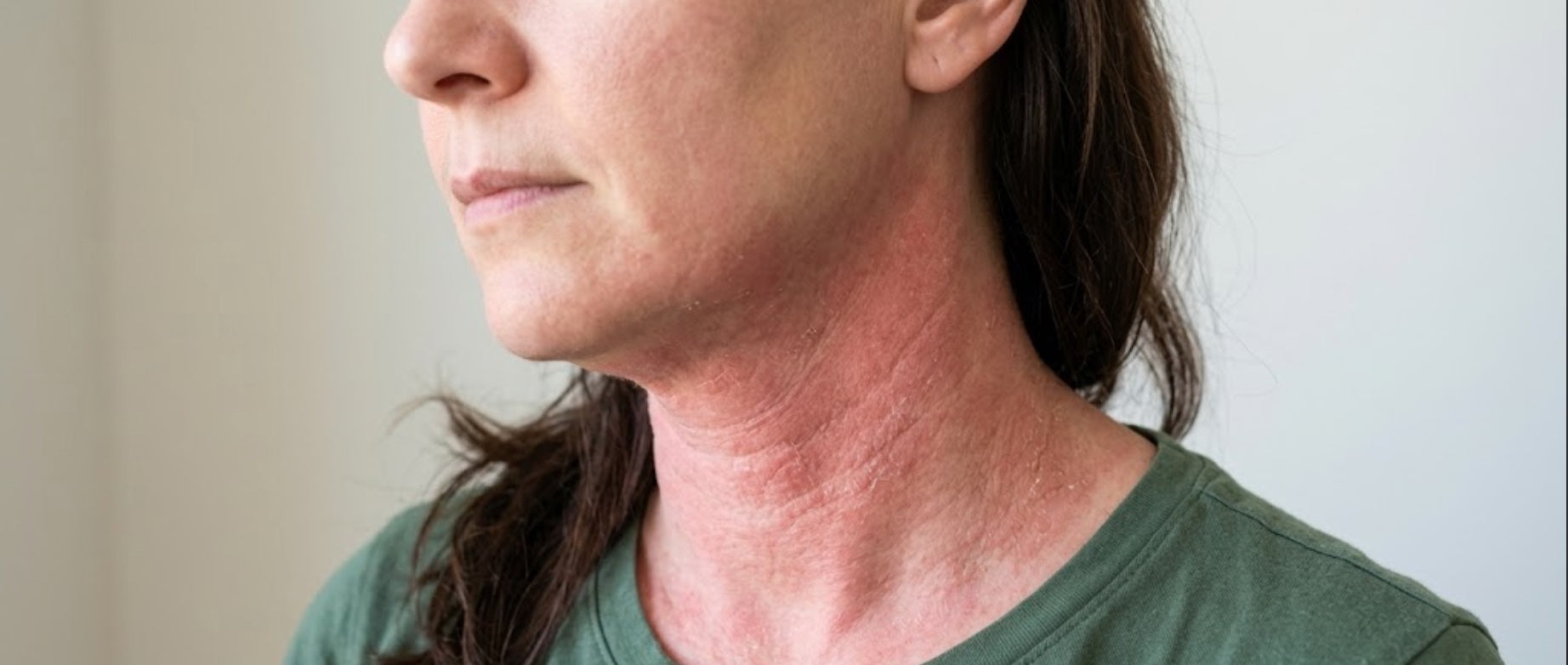
Steroid cream usually means a topical corticosteroid cream: a medicated cream applied to the skin to reduce inflammation. In plain terms, it helps calm red, itchy, swollen, irritated skin.
These are not the same as anabolic steroids used for muscle building. When people ask, "what is steroid cream," they are almost always talking about prescription or over-the-counter skin treatments used for conditions like eczema, dermatitis, psoriasis, and other inflammatory rashes.
Steroid cream helps control inflammation in the skin, often quickly, but it does not cure the underlying condition causing the flare.
That distinction matters. For many people, especially those living with eczema or psoriasis, skin symptoms come in cycles. A steroid cream may settle a flare. It does not necessarily stop the skin from flaring again later.
What conditions is steroid cream used for?
Topical steroid creams are commonly used for:
- eczema
- contact dermatitis
- allergic rashes
- insect bites
- psoriasis
- seborrheic dermatitis
- some forms of irritation or inflammatory rash
But not every rash should be treated with a steroid. Some rashes are caused by infection, including fungal infections, and steroids can make those worse or harder to recognise. If the rash is spreading, painful, oozing, or you are not sure what it is, it is worth getting it checked rather than guessing.
Steroid cream vs steroid ointment vs lotion
The medicine may be similar, but the format changes how it feels and where it works best.
- Creams are usually lighter and easier for many people to use on larger areas.
- Ointments are greasier and often better for very dry, cracked, or thickened skin because they seal moisture in more effectively.
- Lotions are thinner and may be easier to apply to hairy areas or the scalp.
A clinician may choose one over another based on body area, how dry the skin is, and what the person is most likely to use consistently.
How does steroid cream work, and which steroid cream is strongest?
Topical steroid cream works by calming the skin's inflammatory response. That is why it can reduce redness, itching, swelling, and irritation.
Not all steroid creams are the same. They come in different strengths, and stronger is not automatically better. The right choice depends on the condition, the part of the body being treated, the age of the person using it, and how severe the flare is.
If you are searching for which steroid cream is strongest, the answer is that super-potent prescription topical steroids sit at the top of the scale. These are used carefully, for specific problems, and usually for limited periods.
Mild, moderate, potent, and very potent steroids
Topical steroids are often grouped by strength:
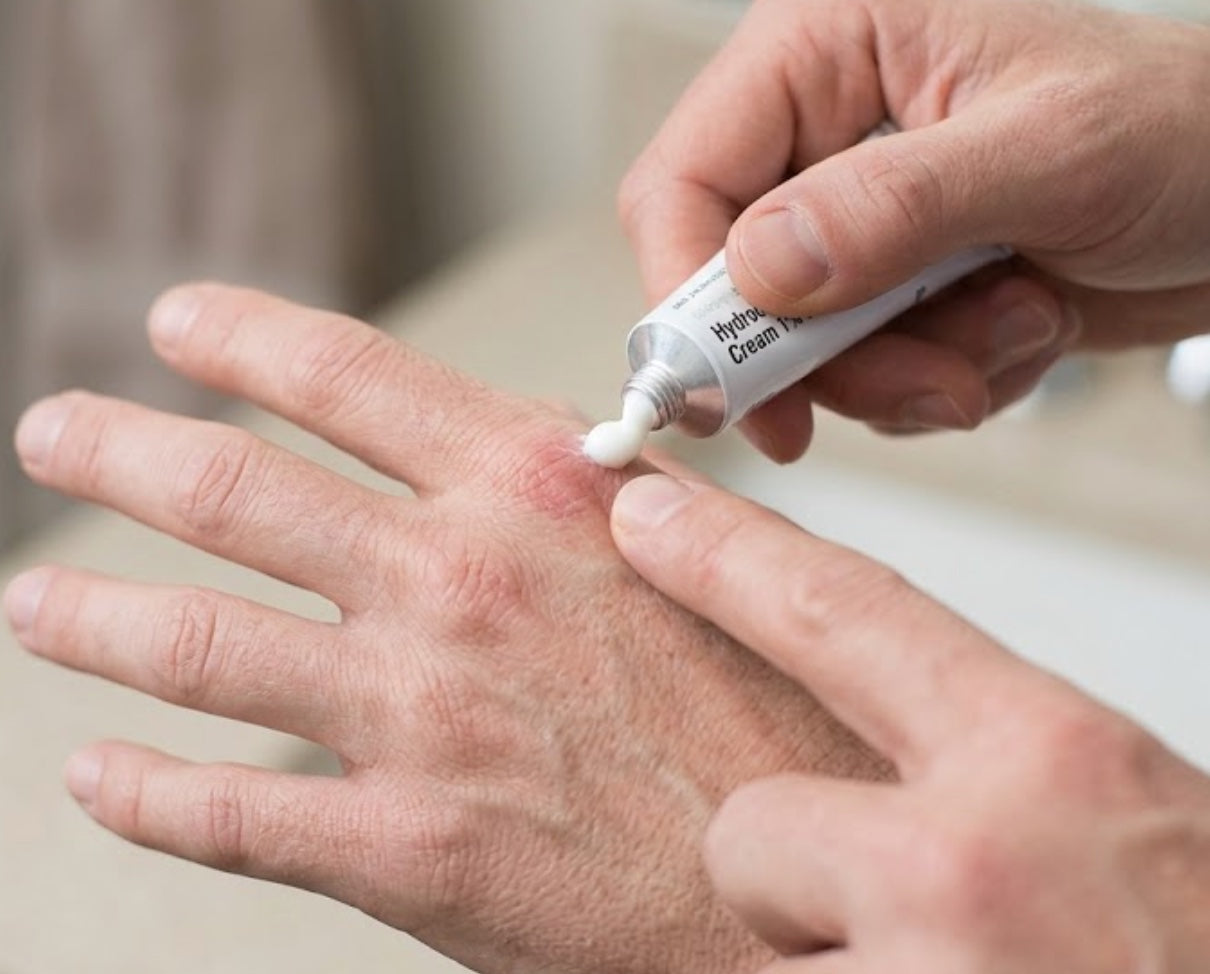
- Mild: hydrocortisone is the best-known example
- Moderate
- Potent
- Very potent / super-potent
Hydrocortisone is familiar because some versions are available without a prescription in certain settings. But prescription steroids can be much stronger than hydrocortisone and need to be matched carefully to the skin problem.
A stronger product may calm a stubborn flare faster, but it also comes with more risk if used on the wrong area, too often, or for too long.
Where strength matters most
Some areas need more caution than others.
Thin or sensitive skin areas usually need gentler treatment, including:
- face
- eyelids
- groin
- underarms
- skin folds
Thicker skin may sometimes need stronger products, including:
- palms
- soles
- elbows
- knees
This is one reason self-prescribing based on someone else's tube rarely goes well. The same steroid is not right for every body part.
How to use steroid cream safely and what results to expect
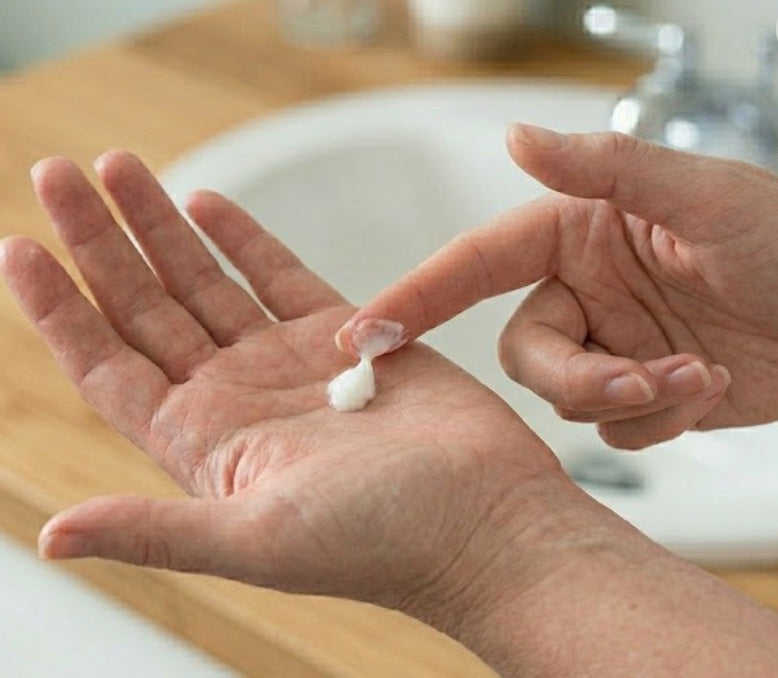
In general, topical steroids should be used exactly as directed. That means:
- apply the amount you were told to use
- use it for the recommended number of days
- do not apply it more often than advised
- do not use someone else's prescription
- do not keep restarting old prescriptions without a plan if the rash keeps returning
For many chronic skin conditions, there is a difference between short-term flare treatment and longer-term maintenance. A steroid may be used to settle active inflammation. Daily care between flares is often more about barrier support, moisture, trigger management, and routine consistency.
It is also worth setting expectations clearly: steroid creams often improve symptoms quickly, but they do not remove the underlying tendency toward eczema, psoriasis, or dermatitis.
Worsening, spreading, infected, or uncertain rashes need medical evaluation rather than repeated self-treatment.
How long does steroid cream take to work?
Itch and redness may start improving within a few days, sometimes sooner. But response varies.
It depends on:
- the condition being treated
- how severe the flare is
- whether the trigger is still present
- whether the medication strength is appropriate
- whether the diagnosis is correct in the first place
If the skin is not improving, or keeps rebounding as soon as treatment stops, that is useful information to bring back to a clinician.
Common mistakes people make with topical steroids
A few patterns come up often:
- Overuse: using a steroid longer or more often than recommended
- Underuse from fear: using too little or stopping too early, so the flare never really settles
- Using steroids on the wrong problem: especially fungal rashes or infected skin without medical advice
- Repeated stop-start use without a plan: calming a flare briefly, then beginning again every time symptoms return
Many people end up stuck between fear of side effects and fear of the next flare. That tension is real, and it is one reason maintenance care matters.
BioVelvet vs steroid cream at a glance
BioVelvet
- Steroid-free formula
- Fits daily, ongoing use
- Supports the barrier between flares
- Petroleum-free and lanolin-free
Steroid cream
- Calms an active flare fast
- Prescription strength needs a clinician
- Not built for indefinite daily use
- Thinning risk with long-term or strong use
Bottom line: steroid cream is the right tool to bring down an active flare. BioVelvet is the steroid-free layer for the maintenance and recovery phase around it.
Steroid cream side effects, topical steroid withdrawal, and the limits of treatment
Steroid cream side effects are worth understanding calmly, not fearfully.
Possible side effects can include:
- thinning of the skin
- more visible small blood vessels
- irritation or burning
- acne-like breakouts
- changes in skin color
- increased risk when stronger steroids are used for longer periods
Risk depends on several factors:
- the strength of the steroid
- the body area treated
- how often it is used
- how long it is used for
- age
- whether it is used under a covering or on sensitive skin
Topical steroids can be very useful. They are also not a cure-all. They cannot cure chronic eczema or psoriasis, they cannot diagnose an unexplained rash, and they are not the right answer for every skin problem.
What is topical steroid withdrawal?
Topical steroid withdrawal, sometimes called TSW, is a term used for rebound symptoms that some people report after long-term or repeated topical steroid use, especially when stopping after prolonged dependence.
People who worry about topical steroid withdrawal often describe cycles of needing steroids to stay comfortable, then flaring again when they stop.
This is a real concern discussed by many patients and support communities. At the same time, it is not a reason to stop prescribed treatment abruptly on your own. If you are worried about long-term steroid use, the safer next step is to discuss a medically supervised taper or a steroid-sparing plan with your clinician.
When to speak to a doctor
Seek medical advice if you have:
- signs of infection
- oozing, crusting, or significant pain
- sleep disruption from itching
- facial or eyelid involvement
- a widespread rash
- little or no improvement
- repeated dependence on steroids just to stay comfortable
- a rash you are not sure how to identify
Steroid cream vs steroid-free cream: what is the difference?
This is where many people get stuck.
A steroid cream is a medicated product designed to suppress inflammation quickly.
A steroid-free cream does something different. In most cases, it focuses on:
- barrier support
- moisture retention
- soothing irritated skin
- helping skin recover between flares
So the difference between steroid cream and free steroid cream is not just the ingredient list. It is the job each product is doing.
Steroid-free creams are not a like-for-like replacement for prescribed corticosteroids during a severe flare. But they may have a real role in maintenance, post-flare recovery, and steroid-sparing routines when used under medical guidance.
When a steroid-free cream may make sense
A steroid-free cream may make sense for:
- everyday barrier care
- calm periods between flares
- post-flare recovery
- dry, cracked skin
- supportive care alongside a clinician-guided plan
This is often the phase where people want something that helps skin feel more stable, less reactive, and better able to hold moisture.
How BioVelvet fits into the conversation
BioVelvet Recovery Cream is a steroid-free recovery cream developed by Dr. Zur, a veterinary scientist with 20+ years working with deer antler velvet.
It was built for skin that needs support recovering, not just temporary moisture. The formula centers on deer antler velvet, supported by ingredients like hyaluronic acid, aloe vera, vitamin E, and allantoin to help create a better environment for repair and barrier comfort.
That does not make it a medical replacement for severe inflammatory disease. It is better understood as a recovery-support option for compromised skin, especially in maintenance periods, calmer phases between flares, or as part of a steroid-sparing routine under medical supervision.
Steroid-free options like BioVelvet are typically chosen for this in-between phase, not as a stand-in for active flare treatment.
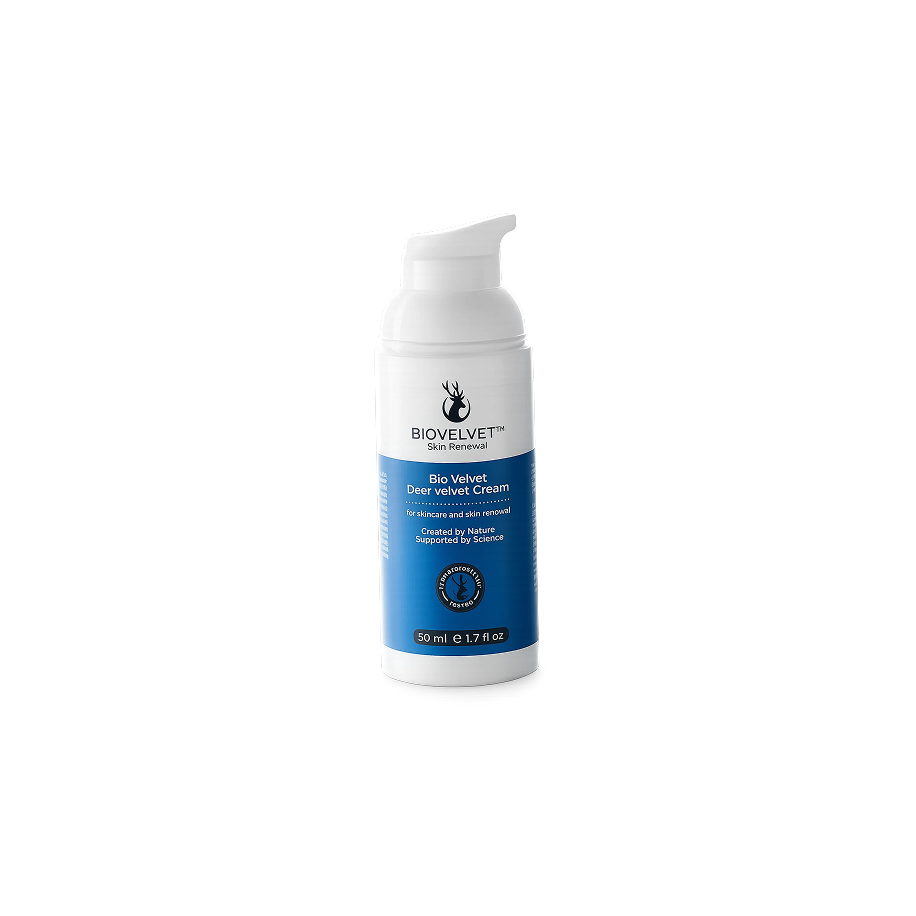
Deer Antler Velvet · Hyaluronic Acid · Aloe Vera · Allantoin
BioVelvet Recovery Cream
Steroid-free barrier support for maintenance, post-flare recovery, and calmer skin between flares. From $54.87 on subscription. 90-day money-back guarantee.
How to decide what your skin needs right now
A useful starting point is to separate flare care from maintenance care.
If skin is actively inflamed, spreading, painful, infected, or severe, that may be the moment for medical treatment.
If skin is calmer but still fragile, dry, reactive, or quick to flare again, that is often where barrier support and trigger management matter most.
A simple way to think about it:
- How severe is it?
- What body area is involved?
- Are you sure what it is?
- Does it keep coming back?
Many people feel torn between fear of steroid overuse and fear of uncontrolled flares. That is understandable. The answer is usually not "steroids only" or "never steroids again." It is choosing the right kind of care for the phase your skin is in.
A simple flare vs maintenance framework
Flare phase
- Active inflammation may need prescription treatment
- If symptoms are severe, unusual, or worsening, get medical advice
Maintenance phase
- Focus on barrier care, moisturising, and trigger reduction
- This is where steroid-free support may help skin stay more comfortable
Recovery phase
- After a flare settles, the skin may still feel thin, dry, or reactive
- Supportive products like BioVelvet Recovery Cream may fit here as part of a calmer routine
The two approaches are often complementary, not opposites.
FAQ
What is steroid cream used for?
Steroid cream is used to reduce skin inflammation in conditions like eczema, dermatitis, psoriasis, insect bites, and some rashes. It helps calm redness, itching, and swelling, but it does not cure the underlying condition.
What is the difference between steroid cream and steroid-free cream?
Steroid cream suppresses inflammation quickly. Steroid-free cream usually supports the skin barrier, helps hold moisture, soothes irritation, and supports recovery between flares. A steroid-free cream is not a direct replacement for prescribed steroids during a severe flare.
Which steroid cream is strongest?
Super-potent prescription topical steroids are the strongest. These sit at the top of the potency scale and should be used carefully, on the right body areas, and for limited periods as directed by a clinician.
What are the most common steroid cream side effects?
Common side effects can include skin thinning, visible blood vessels, irritation, acne-like breakouts, and changes in skin color. Risk is higher with stronger steroids, longer use, sensitive areas, and frequent application.
Can you use steroid cream every day?
Only if that is what your clinician has told you to do. In many cases, topical steroids are meant for short-term flare control rather than indefinite daily use. Long-term or repeated use should be reviewed medically.
What is topical steroid withdrawal?
Topical steroid withdrawal refers to rebound symptoms that some people report after long-term or repeated steroid use, especially when stopping after dependency-like cycles. If you are concerned about this, do not stop prescribed treatment abruptly. Speak to a clinician about a supervised taper or a steroid-sparing plan.
BioVelvet Recovery Cream
Built for skin that is dry, fragile, or still settling after a flare. Deer antler velvet paired with hyaluronic acid, aloe vera, vitamin E, and allantoin, designed to support barrier recovery, not just add moisture for an hour.
This article was written from the point of view of BioVelvet, the home brand of biovelvet.com. Competitor products are included for informational comparison only. No paid placement from any competitor brand. Products were evaluated on declared formula, declared positioning, brand-published data, and declared guarantees. Prices reflect brand or retailer pricing at time of writing and may move. Read the ingredient list on the box you actually buy, because formulas get reformulated.