
Surgical scar recovery
Post-op skin, once you are cleared.
What to use on a closed surgical scar, and why timing and your surgeon go-ahead matter more than any cream.
Shop BioVelvet →What a surgical scar cream can realistically do
The surgical scar cream category is confusing for a reason. Nearly every product promises smoother, flatter, less visible scars. Many imply that if you buy the right tube quickly enough, you can stop a scar from ever becoming noticeable.
You are right to be skeptical of that.
Scars do not form overnight, and they do not improve overnight either. A surgical scar changes over months, sometimes over a year or more. How it settles depends on the type of surgery, how the wound was closed, where it sits on the body, how much tension the area is under, your skin tone, your personal tendency to scar, and the aftercare that follows.
That means a surgical scar cream can help a scar heal as well as possible within reason. It may help flatten, soften, hydrate, and improve the visible appearance of the scar over time. What it cannot do is make an established scar disappear completely.
It also cannot replace surgeon follow-up, and it is not the right answer if a wound looks infected or starts reopening.
How surgical scars usually change over time
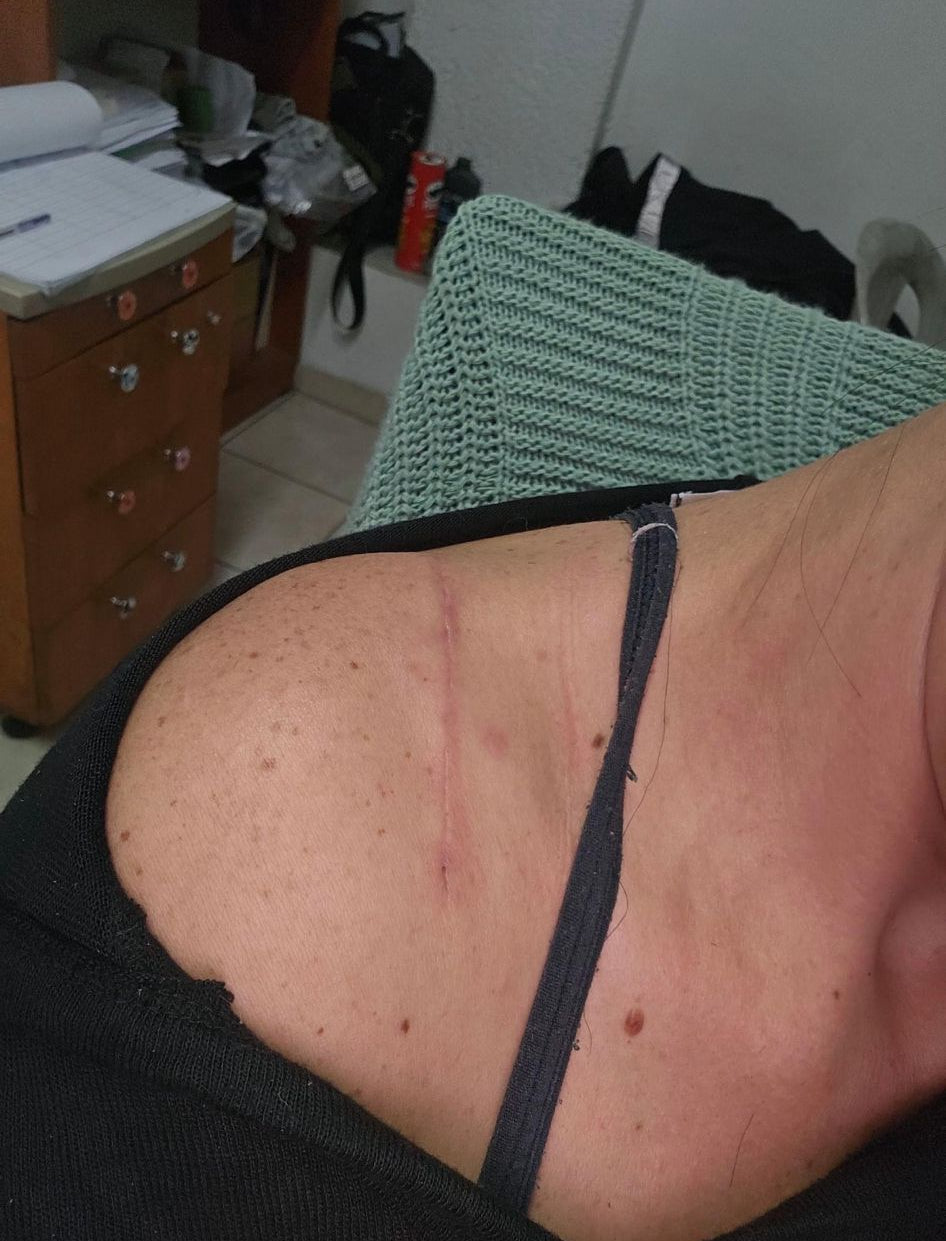
Most surgical scars start out pink or red, sometimes slightly raised, and often feel tight or firm in the early weeks. That is normal. Early scars are still active and remodeling.
Over the next several months, many scars gradually become flatter, softer, and paler. Some fade to a thin, light line. Others stay more visible, especially if they are on the chest, shoulders, abdomen, joints, or other high-movement areas. C-section scars, facial surgery scars, and laparoscopic scars all heal differently because the tension, skin thickness, and sun exposure differ.
A useful rule: a scar at 6 weeks is still young. A scar at 3 months is still changing. A scar at 6 to 12 months is closer to its mature appearance.
When a scar needs medical review instead of another cream
Do not keep trying new scar products if the real issue needs medical review.
Get in touch with your surgeon or clinician if you notice:
- increasing redness rather than gradual settling
- warmth around the incision
- drainage, pus, or an unpleasant smell
- wound reopening
- severe or worsening pain
- fever or feeling unwell
- a scar that is becoming rapidly thicker, firmer, or more raised
A cream is not the right tool for infection, wound breakdown, or aggressive scar overgrowth.
Living Collagen · 50+ Bio-Active Compounds · Aloe Vera · Dead Sea Minerals
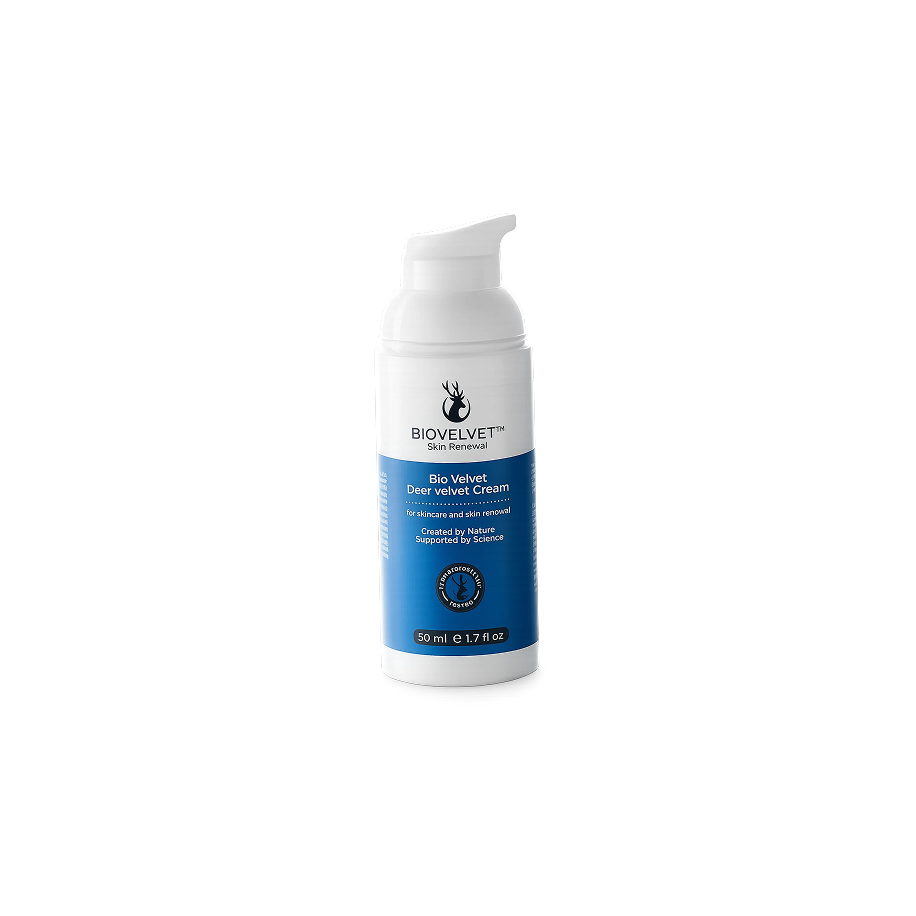
BioVelvet Recovery Cream
Petroleum-free recovery support for the skin around a closed surgical scar. 90-day money-back guarantee.
What ingredients in surgical scar cream have the best evidence?
If you want the shortest answer, it is this: silicone gel and silicone sheets have the strongest support as first-line topical care for many surgical scars, especially newer scars and raised scars.
That does not mean every other ingredient is useless. It means the evidence is not equally strong.
Hydration matters. Sun protection matters. Gentle barrier support matters. But those support the healing environment around the scar. They are not the same thing as a scar treatment with the best track record for visible scar improvement.
Searches like silicone gel for scars before and after, silicone gel for old scars, and does silicone work on old scars all point to the same underlying question: can a topical really change a scar? In many cases, yes, but the results are gradual and usually better with newer scars than very old ones.
Silicone gel and silicone sheets: the gold-standard topical option
Silicone helps by creating a protective layer over the scar. In plain terms, it helps keep the area hydrated, reduces excess water loss, and creates a more stable healing environment. Over time, that can help flatten, soften, and reduce the visible appearance of a surgical scar.
This is why silicone is usually the starting point dermatologists and surgeons discuss for scars that are closed and healing normally.
It tends to be most useful for:
- newer surgical scars
- scars that are slightly raised or firm
- scars in areas prone to friction
- people who want a non-drug topical option
Silicone can still help older scars, but expectations should be different. Older scars may soften and look somewhat less noticeable, but change is usually slower and more modest.
Where products like Mederma fit in
Mederma scar gel and Mederma Advanced Scar Cream are widely recognized, easy to find, and familiar to many shoppers. That matters for accessibility, and for some people a product they will actually use consistently is better than a theoretically stronger option they never stick with.
That said, onion extract products such as Mederma generally have less consistent support than silicone-based scar care. They may help some users, but they are not usually considered the strongest first-line topical option for surgical scars.
So where does Mederma fit? Reasonably well as a known drugstore option for people who want something easy to buy and are comfortable trying it. Just keep the evidence hierarchy clear: brand recognition is not the same as strongest support.
Supportive ingredients that may help comfort and recovery
Some ingredients are more about comfort, moisture, and barrier support than direct scar remodeling.
- Aloe vera can help soothe dry, uncomfortable skin.
- Hyaluronic acid helps draw moisture into the skin.
- Allantoin is recognized as a skin protectant and can help support the skin barrier.
- Vitamin E is often used in scar products, though evidence for scar improvement is mixed and some people find it irritating.
These ingredients may make the area feel better and support the skin around a healing scar, but they are not equivalent to proven silicone scar therapy.
How to use surgical scar cream for the best chance of a better-looking scar
Timing matters. In most cases, you should only start a scar product once the incision is fully closed and your surgeon says topical scar care is appropriate. Not when it is still open. Not when it is still draining. Not when you are guessing.
Consistency matters just as much. A good product used regularly for months usually beats a better product used inconsistently for two weeks.
A simple daily scar-care routine
Morning
- Cleanse the area gently if needed.
- Apply your scar product exactly as directed.
- If using silicone gel, let it dry fully before dressing.
- If the scar is exposed, use SPF 30 or higher every day.
Evening
- Cleanse gently.
- Reapply the scar product.
- If your surgeon has advised scar massage and the incision is fully healed, do it gently rather than aggressively.
Many people need to continue scar care for at least 2 to 3 months, and often longer for raised or stubborn scars. Six months of consistent care is not unusual.
Scar massage, sun protection, and friction management all matter. A scar on the abdomen, chest, shoulder, or near a joint is under more movement and tension than one in a quieter area. That affects how it heals.
C-section scars may benefit from silicone once closed, along with attention to waistbands and friction. Laparoscopic scars are often smaller and may mature well with simpler care. Facial surgery scars need especially careful sun protection. High-movement areas often need longer patience.
Silicone gel vs silicone sheets: which is better?
Neither is universally better. It depends on the scar and the person.
Silicone gel
- easier on visible areas like the face
- useful on curved or awkward body sites
- less obvious during the day
- requires regular reapplication
Silicone sheets
- longer wear time
- often easier for compliance because you apply less often
- can work well for raised scars
- may be less comfortable in hot weather or on difficult body contours
If you know you are unlikely to remember twice-daily gel, sheets may be easier. If the scar is on the face, near hair, or in an area where sheets will not stay put well, gel may be the better fit.
Common mistakes that make scar products less effective
A few common problems make scar care less useful than it could be:
- starting too early, before the incision is fully closed
- stopping too soon because the scar is still pink at a few weeks
- picking at scabs or the incision line
- skipping SPF on exposed scars
- over-massaging irritated tissue
- layering acids, retinoids, or fragranced products onto healing skin
Healing skin usually responds better to steady, boring care than to complicated routines.
Best surgical scar creams and gels to consider
These options are best thought of as different tools for different needs, not miracle fixes.
| Product | Format | How to use | Best for |
|---|---|---|---|
| Kelo-Cote Scar Gel | Silicone gel | Twice daily, 60-90 days | Standard silicone-first care for a closed surgical incision |
| BioVelvet Recovery Cream | Recovery cream (deer antler velvet) | Daily, once cleared | Dry, reactive, or post-procedure skin around the scar |
| HealFast Silicone Scar Gel | Medical-grade silicone gel | 2 to 3 times daily | Physician-formulated silicone with a 365-day guarantee |
| ScarAway Silicone Scar Gel | Silicone gel | Twice daily, 60-90 days | A widely stocked silicone gel for new or existing scars |
| Mederma PM Intensive Overnight Scar Cream | Overnight cream | Once nightly, 8 weeks+ | A once-a-night routine for people who prefer a cream |
Across all of these, the pattern holds: a silicone gel is the best-supported first move for a closed surgical scar, and a recovery cream supports the skin around it. Silicone also comes in sheet form for flatter body scars, while facial incisions are covered in our best scar cream for the face guide. For the full cross-category comparison, see our best scar cream guide. Whatever you choose, consistency over months matters more than the brand.

Best for standard silicone-first surgical scar care
Kelo-Cote Scar Gel
Silicone gel | twice daily, 60-90 days minimum
A polysiloxane silicone gel that self-dries in about five minutes into a thin, waterproof layer, so it sits cleanly under clothing or sunscreen. The brand cites clinical data showing improvement in most hypertrophic and keloid scars after four months of twice-daily use, which makes it a sensible default once a surgical incision is fully closed.
Choose this if you want the most standard silicone-first protocol for a new surgical scar and a format that disappears under the rest of your routine.

Best for dry, reactive, or post-procedure skin around the scar
BioVelvet Recovery Cream
$54.87 subscription / $64.90 one-time | recovery cream, 90-day guarantee
New Zealand deer antler velvet extract is BioVelvet Recovery Cream's hero ingredient, paired with hyaluronic acid, aloe vera, and vitamin E for the fragile, tight, or reactive skin around a closed incision. It supports comfort, moisture, and the barrier rather than remodeling the scar itself, so it sits alongside a silicone-first plan rather than replacing it.
Choose this if the skin around your surgical scar feels dry, stressed, or easily irritated and you want a soothing recovery layer once your clinician has cleared topical care.

Best for physician-formulated silicone with a long guarantee
HealFast Silicone Scar Gel
$24.99 (on sale) | medical-grade silicone gel, 2 to 3 times daily
A 100% medical-grade silicone gel positioned as physician-formulated, applied two to three times daily once a wound has closed or sutures are out. It covers the same silicone mechanism as Kelo-Cote, with a 365-day money-back guarantee that lowers the risk of trying it.
Choose this if you want a silicone gel with a clinician-formulated label and a long return window, and you do not mind applying it more than twice a day.

Best for an easy-to-find silicone gel
ScarAway Silicone Scar Gel
10g / 20g | silicone gel, twice daily, 60-90 days
A transparent polysiloxane silicone gel applied twice daily to clean, dry skin, aimed at both new and existing surgical, burn, and trauma scars. It is a widely stocked, no-frills silicone option that does the same core job as the other gels here.
Choose this if you want a recognizable silicone gel you can find easily and use on a flat, closed incision.

Best for a once-nightly cream routine
Mederma PM Intensive Overnight Scar Cream
1.0 oz / 1.7 oz | overnight cream, once nightly
An overnight cream built on Cepalin botanical extract and a peptide-and-antioxidant blend, applied once a night for at least eight weeks on new scars and longer on established ones. Its evidence is more modest than silicone, but the single nightly step suits people who will not keep up a twice-daily gel.
Choose this if you prefer a cream texture and a simple once-a-night routine over a silicone-first protocol.
Ready to try?
BioVelvet Recovery Cream
Built for the recovering skin around a closed surgical scar. Deer antler velvet paired with hyaluronic acid, aloe vera, and vitamin E - recovery support that works alongside silicone once your surgeon clears you. A 90-day money-back guarantee backs every BioVelvet Recovery Cream order.
BioVelvet vs silicone scar sheets at a glance
BioVelvet
- Supports the skin around the scar
- Daily hydration and comfort
- Pairs with silicone
- Petroleum-free and lanolin-free
Silicone sheets
- Target the scar tissue
- Evidence for raised scars
- Fiddly to keep in place
- Use the two together
Bottom line: silicone works the scar; BioVelvet supports the skin around it. Once you are cleared, use both. A petroleum-free, lanolin-free formula makes up BioVelvet Recovery Cream.
Surgical scar cream FAQs, limitations, and when to see a dermatologist or surgeon
Most people want to know not just what works, but when they should expect to see it.
At around 6 weeks, many scars are still pink and a little firm. Improvement may look like less tightness, better hydration, and slightly smoother texture.
At around 3 months, some scars begin to look flatter and less red, especially with consistent silicone use and good sun protection.
At around 6 months, the visible changes are often clearer. The scar may be softer, paler, and less raised. Some scars continue improving beyond that point.
Can a surgical scar cream help an old scar?
Yes, sometimes. Older scars can still improve in softness, texture, and visible appearance. But results are usually slower and more modest than with newer scars.
If a scar is years old, a topical may still help it feel less tight or look somewhat smoother. It is less likely to produce a dramatic change than early scar care started at the right time.
What if the scar is thick, itchy, or getting more raised?
Some itch and firmness can be part of normal scar maturation. But if a scar becomes increasingly thick, raised, or uncomfortable, it may be moving toward a hypertrophic scar or, in some people, a keloid pattern.
That is the point where professional guidance matters. A dermatologist or surgeon may discuss options such as injections, laser treatment, pressure therapy, or other in-office care. Those treatments are often more appropriate than cycling through more creams.
A final limitation to keep in mind: topicals help most when the scar is in the range that topicals can actually influence. If the scar is aggressively raised, functionally tight, painful, or worsening, surgeon-led or dermatologist-led care is usually the more useful next step.
FAQ
What is the best surgical scar cream after surgery?
For most closed surgical scars, a medical-grade silicone gel is the best first-line topical option. Silicone sheets are also well supported, especially for raised scars or people who prefer longer wear time.
When should I start using scar cream on a surgical incision?
Usually only after the incision is fully closed and your surgeon says topical scar care is appropriate. Do not start while the wound is still open, draining, or crusting heavily.
Is silicone gel better than Mederma scar gel for surgical scars?
In general, yes. Silicone has stronger and more consistent support as a topical starting point for surgical scars. Mederma is widely known and accessible, but it is not usually considered the strongest evidence-based first choice.
Does Mederma Advanced Scar Cream actually work on surgery scars?
It may help some people, and many users choose it because it is easy to find. But the evidence is less consistent than for silicone-based scar care. It is reasonable to try, but it is not the clearest first-line option if you want the best-supported topical approach.
Can silicone gel help old surgical scars or only new ones?
It can help old surgical scars too, but results are usually better with newer scars. On older scars, the improvement is more likely to be gradual and modest, such as better softness, smoother texture, or reduced visible prominence.
How long does it take for a surgical scar cream to show results?
Think in months, not days. Some people notice early changes in comfort and texture within 6 weeks. More visible improvement often appears around 3 months, with further change by 6 months and sometimes beyond. Consistency matters more than speed.