Facial scars
Facial scars: what a cream can do.
The best scar cream for the face by scar type - what the evidence supports, from silicone to recovery creams.
Shop BioVelvet →What makes the best scar cream for face different from a regular moisturizer
If you have ever searched for the best scar cream for face, you have probably noticed the same problem over and over: every product seems to promise fading, smoothing, softening, brightening, and healing all at once. That would be easier to believe if all scars behaved the same way. They do not.
A fresh scar after facial surgery is not the same thing as an old acne scar. A flat pink mark after a breakout is not the same thing as a raised scar that feels firm to the touch. And a product that helps keep healing skin comfortable is not automatically the product most likely to improve scar appearance over time.
Facial scars need a higher standard than scars elsewhere on the body for a few simple reasons. They are more visible. Facial skin is often more reactive. Sun exposure is harder to avoid. And most people care about both texture and color, not just whether a scar feels less tight.
So this article is not built around hype or brand claims. It is built around four things that actually matter:
- what kind of scar you have
- how old it is
- which ingredients have the best support
- what kind of timeline is realistic
What the evidence points to first
Silicone-based products have the strongest support for helping improve the appearance of many new scars, especially flat surgical or injury scars once the skin has fully closed. Older scars can still improve in softness, texture, and visible appearance, but expectations usually need to be more modest. In some cases, in-office treatment makes a bigger difference than any cream.
Why the right scar product depends on the scar itself
This is the part many articles skip. A flat pink post-acne mark, a raised surgical scar, and an indented acne scar are different problems. If you treat them as one category, you are much more likely to waste money.
Some products are mainly there to support recovery and keep the skin barrier comfortable. Some are better suited to scar remodeling once the wound has healed. Some are useful mostly because they help prevent a scar from staying red or dark for longer. And some scar concerns, especially indented scars and larger keloids, usually need more than an over-the-counter topical.
Living Collagen · 50+ Bio-Active Compounds · Aloe Vera · Dead Sea Minerals
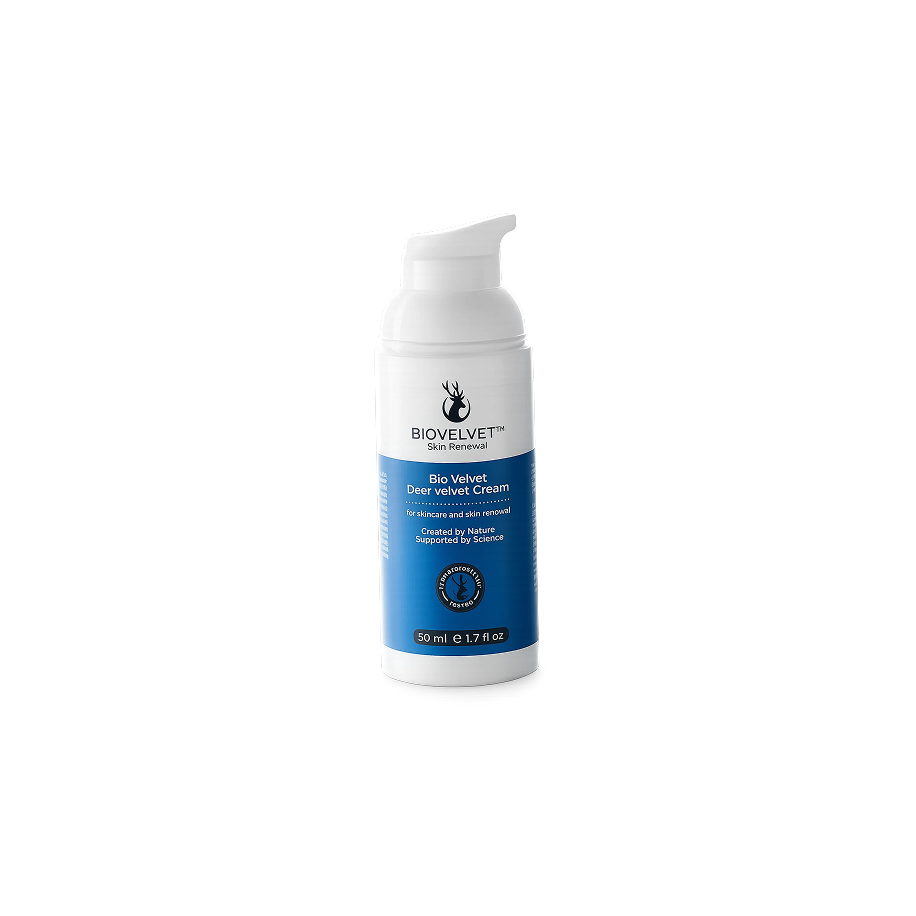
BioVelvet Recovery Cream
Petroleum-free recovery support for fragile, reactive facial skin around a healing scar, backed by a 90-day money-back guarantee.
Before you buy anything: know what kind of facial scar you have
Before comparing products, it helps to identify what you are actually looking at.
Many people search for scar cream when they are dealing with leftover redness or dark marks rather than a true scar. That distinction matters because the best product for a scar is not always the best product for a mark left behind after inflammation.
Scar age matters too. Fresh scars, maturing scars, and old scars do not respond the same way.
Raised scars, flat scars, indented scars, and post-acne marks
Here is a plain-English breakdown:
Raised scars
These sit above the surrounding skin. Some stay within the original wound area. Others grow beyond it. Raised scars can feel thicker, firmer, or itchy.
- Hypertrophic scars: raised scars that stay within the boundaries of the original injury
- Keloid-prone scars: raised scars that may extend beyond the original area and are more likely to need medical care
Flat surgical scars
These are often lines that start pink or red, then gradually soften and fade over months. They may be flat but still visible because of color, shine, or slight texture change.
Indented scars
These sit below the surrounding skin. They are common after acne and are often described as pitted, rolling, or ice-pick scars. Creams usually have limited impact here because the issue is structural.
Post-acne marks
These are often mistaken for scars.
- Red or pink marks can linger after inflammation settles
- Brown or darker marks can remain after acne, irritation, or picking
These marks are real and frustrating, but they are not the same as scar tissue.
Scar age also shapes what is possible:
- Fresh scars: recently closed wounds that are still early in healing
- Maturing scars: scars that are closed but still changing in color, firmness, and texture
- Old scars: scars that have been stable for many months or years
When a 'scar cream' will not be enough
There are times when trying more creams is not the best use of time.
Over-the-counter products are often not enough for:
- indented acne scars
- large or repeatedly growing keloids
- scars causing pain, significant itching, or tightness
- scars that restrict movement
- scars that keep reopening or becoming inflamed
Those situations are better handled with dermatologist-led care. That may include silicone, but it may also include procedures or prescription treatment.
What ingredients actually have evidence for facial scar care
The most useful way to approach scar care is to start with ingredients and categories, not brand names.
For facial scars, the best-supported topical option is usually silicone. Beyond that, some ingredients help by supporting a good healing environment: reducing dryness, protecting the barrier, calming irritation, and helping healing skin stay comfortable. That is not the same thing as erasing a scar, but it still matters.
And one factor belongs in almost every scar conversation: sun protection. A healing facial scar that is exposed to UV regularly is more likely to stay darker or redder for longer.
Silicone: still the standard first topical option for many new scars
If you are searching for the best silicone scar gel for face, you are usually looking in the category with the strongest track record for fresh surgical and injury scars.
Silicone gels and sheets are often used after the wound has fully closed. In plain terms, they help create a better surface environment for a healing scar. That can help the scar stay flatter, softer, and less noticeable over time.
On the face, silicone gel is often more practical than sheets because it is easier to use around movement and more discreet during the day. Sheets can still be useful in some locations, but many people find them harder to keep in place around the mouth, jaw, or hairline.
Silicone is not an instant fix. It is a consistency product. The people who get the most from it are usually the people who use it steadily for weeks to months.
Recovery-supporting ingredients that may help the skin heal well
Other ingredients can support the skin while it recovers, even if they are not the main scar-remodeling tool.
Aloe vera
Aloe is widely used to soothe stressed skin and support surface recovery. It is especially useful when skin feels irritated, tight, or heat-sensitive.
Hyaluronic acid
This helps draw water into the skin and hold it there. That can be helpful when healing skin feels dry or dehydrated.
Vitamin E
Vitamin E helps support the skin barrier and protect against environmental stress. It shows up in many scar products, though it should not be treated as a guaranteed scar solution on its own.
Barrier-supporting emollients
Ingredients that reduce dryness and keep the skin comfortable can matter more than people think, especially in the early recovery stage. Dry, irritated skin tends to tolerate everything else worse.
These ingredients are best understood as support. They can help the skin recover well. They are not magic erasers for deep or old facial scars. Aloe vera, hyaluronic acid, and vitamin E sit inside BioVelvet Recovery Cream's petroleum-free, lanolin-free formula, priced at $54.87 subscription or $64.90 one-time.
Sun protection belongs here too. Daily sunscreen is one of the simplest ways to help a healing scar avoid staying red, pink, or dark for longer than necessary.
Where deer antler velvet fits into the conversation
Deer antler velvet is less familiar than silicone, but it is worth understanding because published research on the ingredient suggests it may support wound healing and improve scar appearance at the ingredient level. Deer antler velvet extract is BioVelvet Recovery Cream's hero ingredient, and a 90-day money-back guarantee backs every order.
That matters because scar care is not only about flattening a scar after it forms. It is also about supporting better recovery while the skin is rebuilding.
BioVelvet Recovery Cream is built around deer antler velvet extract, alongside hyaluronic acid, aloe vera, and vitamin E. The logic of that formula is not that it replaces silicone for every scar. It is that it supports the skin's own recovery process, especially when the skin is dry, reactive, or recently stressed.
That distinction matters. Research on deer antler velvet supports the ingredient conversation. It should not be inflated into blanket proof about every product in the category. A fair way to think about it is this: silicone remains the most established first topical option for many new scars, while recovery-focused formulas built around ingredients like deer antler velvet may be useful for supporting comfort, barrier strength, and visible recovery over time.
What to avoid in the early healing stage
Fresh facial scars do not need an aggressive routine.
In the early healing stage, it is usually best to avoid:
- harsh acids
- scrubs and cleansing brushes
- fragranced products
- retinoids too early unless specifically cleared by your clinician
- heavy layering of multiple active products on newly healed skin
Early over-treatment often backfires. The goal is not to attack the scar. The goal is to let healing skin recover with as little extra irritation as possible.
How to choose the best scar cream for face based on scar type and timing
Once you know your scar type, product choice gets much easier.
The best cream for scars after surgery is not necessarily the same product that makes sense for an older acne-related scar. And the best scar removal cream for old scars should be judged by a different standard than a product being used right after the skin closes.
For fresh surgical scars on the face
For many fresh post-surgical facial scars, the best cream for scars after surgery is often not a classic cream at all. It is usually a silicone gel, started only after the wound is fully closed and the surgeon has said topical scar care is appropriate.
Why silicone first? Because that is the category with the best track record for many new linear scars.
What matters most here:
- wait until the wound is fully closed
- follow your surgeon's instructions
- use daily sunscreen once the area is ready for it
- stay consistent for months, not days
If the skin around the scar is also dry, tight, or reactive, a gentle recovery cream may still be useful alongside the scar routine, but it does not replace the role silicone often plays for new surgical scars.
For older facial scars
When people search for the best scar removal cream for old scars, they are often hoping for complete removal. That is usually not a realistic topical goal.
With older scars, a cream may help with:
- softness
- dryness
- visible texture
- color over time
- overall skin comfort
What it usually cannot do is fully remove a long-standing scar, especially if the scar is indented or significantly raised.
For older flat scars, consistent use of a scar-focused topical or recovery cream may still improve the way the scar looks. But for deeper structural change, in-office options often do more.
For post-procedure recovery and fragile skin
Post-procedure skin is its own category.
After laser, microneedling, or a peel, the first goal is often not long-term scar remodeling. It is calm recovery. Skin may feel raw, tight, red, or easily irritated. In that window, a gentle recovery cream can make more sense than jumping straight into a more active scar routine.
This is where formulas built around barrier support, moisture retention, and soothing ingredients are most relevant. BioVelvet Recovery Cream fits naturally into this kind of use case: skin that needs help recovering, not just moisturising.
That does not make it a replacement for procedure aftercare instructions. It means that when the skin is fragile, recovery support often matters before scar optimization does.
For acne-related marks versus acne scars
This is one of the most common points of confusion.
If you have red or brown marks left after acne, you may not need a scar cream at all. Those marks often improve with time, sun protection, and the right routine.
If you have pitted or indented acne scars, a cream is unlikely to fully solve the problem because the issue is deeper than surface color.
So before buying anything, ask:
- Is this a mark, or is the skin texture changed?
- Is it flat, raised, or indented?
- Is the problem color, texture, or both?
That simple sorting step can save a lot of trial and error.
Brand and product types readers compare most often
Once the basics are clear, the real comparison becomes less about which brand is most famous and more about which product type matches your scar and your routine.
Most readers end up comparing four categories:
- silicone gels
- silicone sheets
- recovery creams
- scar products that also include or are paired with sunscreen
On the face, practical details matter a lot: how the product sits under makeup, whether it looks shiny, whether it pills, how it feels on sensitive skin, and whether you can realistically use it every day.
Here are specific products worth knowing, drawn from our best scar cream guide and judged for facial use.
Best scar creams for the face, compared
| Product | Best for | Format & mechanism | Application | Treatment duration | Sizes | Price (USD) | Product page |
|---|---|---|---|---|---|---|---|
 Kelo-Cote Advanced Formula Scar Gel
|
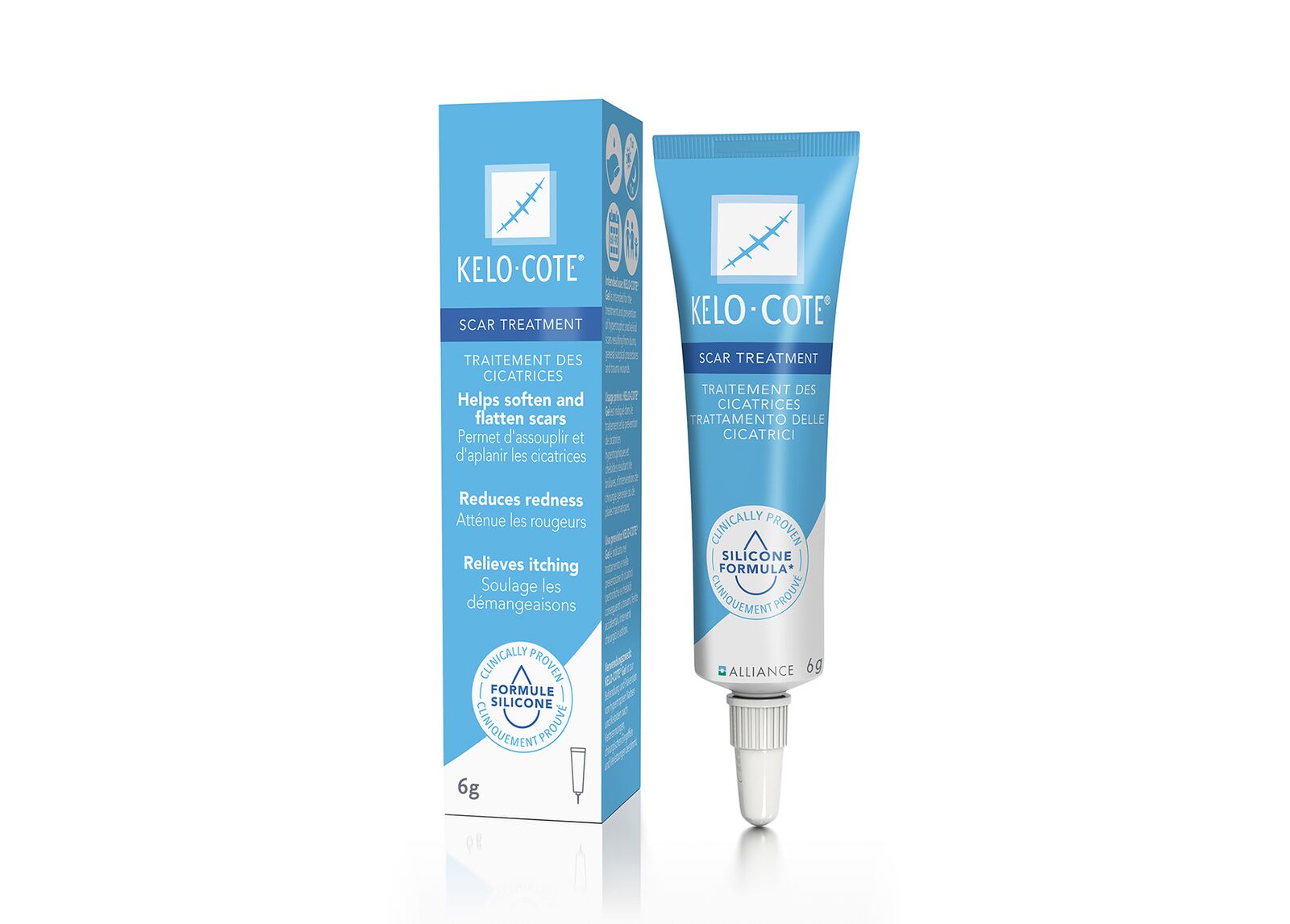
New surgical scars, facial scars, low-fuss daily care | Silicone gel (polysiloxanes + silicon dioxide), inert film former | Apply a very thin layer twice daily; dries in 5 minutes | 60-90 days minimum | 10g, 60g (US); 6g, 15g (EU) | From $21 (10g) up to $106 (60g) | Kelo-Cote |
 BioVelvet Recovery Cream
|
Dry, tight, reactive healing skin and multi-indication recovery support | Recovery cream with deer antler velvet, hyaluronic acid, aloe vera, vitamin E | Apply 2-3 times daily on clean, dry skin; intensive use 2-3 times in the first hour | Open-ended daily recovery care | 50ml jar | $64.90 one-time / $54.87 subscription | BioVelvet |
 Strataderm
|
Face scars, visible areas, lightweight silicone care | Silicone gel (FDA Class I medical device), no alcohol/parabens/fragrances/steroids | Apply a very thin layer once or twice daily; dries in 3-4 minutes, 24/7 contact | 60-90+ days minimum | 5g, 10g, 20g, 50g | $29.95 - $169.95 | Strataderm |
 CeraVe Healing Ointment
|
Minor healed burn recovery, dryness around scars, post-procedure barrier | Petrolatum 46.5% skin protectant with ceramides and hyaluronic acid | Apply a thin layer as needed, day or night | Open-ended barrier care | 3 oz, 5 oz, 12 oz | $9.99 (3 oz) - $20.99 (12 oz) | CeraVe |
 Mederma Advanced Scar Gel
|
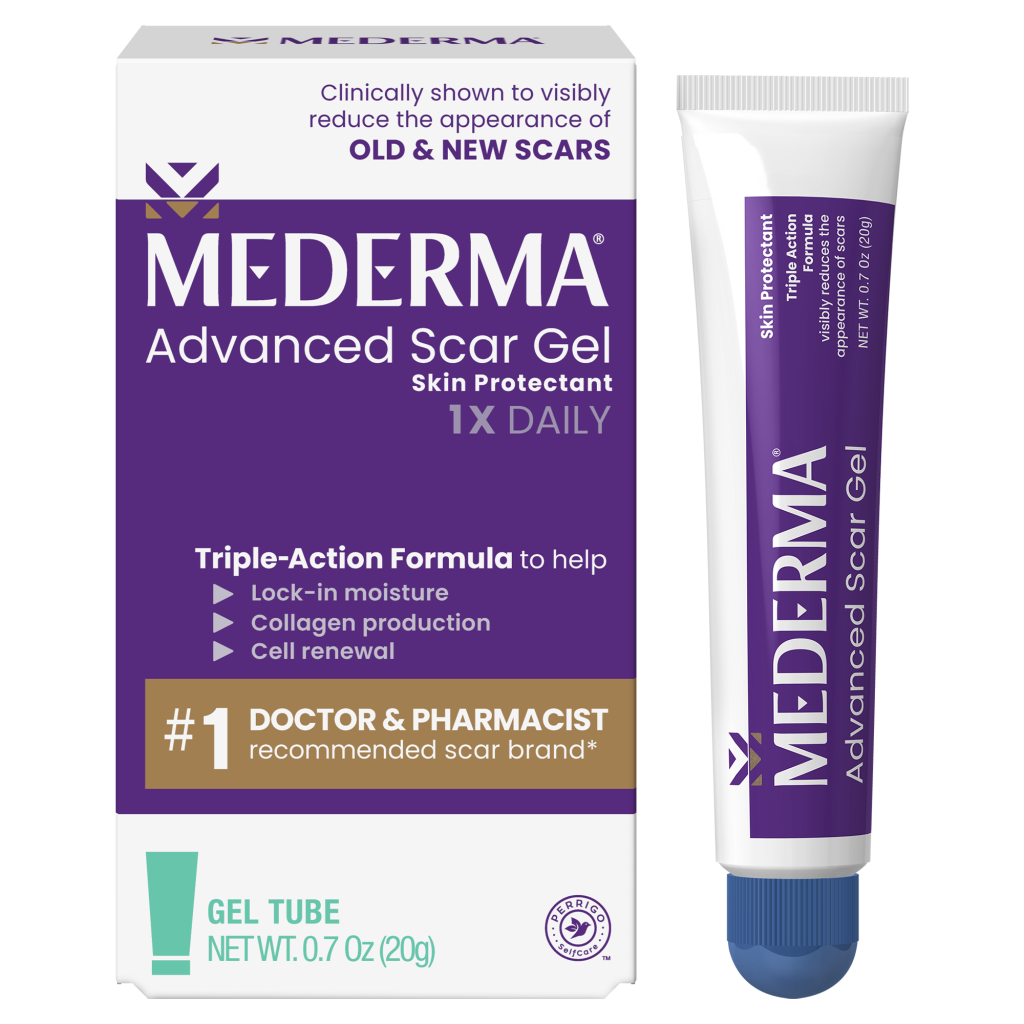
Older scars, discoloration-focused expectations, easy retail access | Gel with allantoin and Cepalin botanical (Allium Cepa onion extract) | Apply once daily, massage in until absorbed; only on closed wounds | 8 weeks (new scars) / 3-6 months (older scars) | 0.70 oz (20g), 1.76 oz (50g) | $16.47 (20g) / $22.75 (50g) | Mederma |
Prices verified against brand sites or Amazon US listings sold by the brand owner as of June 2026. BioVelvet pricing reflects the US site (USD); other brand-site prices are listed where the brand publishes them, otherwise from the Amazon US listing sold by the brand owner.
Best for: which product suits which facial scar
None of these is the "best scar cream" in the abstract. Each one wins for a specific situation, and the right pick depends on what the scar actually needs, not which brand has the loudest marketing. Here is how to match the product to the scar.
Best for new surgical scars & daily-use compliance
Kelo-Cote Advanced Formula Scar Gel
From $21 (10g) up to $106 (60g) | Silicone gel, twice daily, 60-90 days minimum
Kelo-Cote is a polysiloxane silicone gel that dries clear in about five minutes and stays out of the way under clothes, sunscreen, or makeup. Applied twice daily for the recommended 60 to 90 days, it is one of the most practical options for closed surgical incisions where the goal is consistent, low-friction daily care rather than active treatment of an old or stubborn scar.
Choose this if you have a new surgical or post-procedure scar, want the most standard silicone-first protocol, and need a format that disappears under the rest of your routine.

Best for dry, reactive, multi-indication recovery skin
BioVelvet Recovery Cream
$64.90 one-time / $54.87 subscription | Recovery cream, 2-3x daily, open-ended use | 90-day guarantee
A recovery cream built around deer antler velvet with hyaluronic acid, aloe vera, and vitamin E, made for skin that feels dry, tight, fragile, or reactive while it is healing. The 50ml jar is built to support psoriasis-prone, eczema-prone, post-procedure, and scar-recovery skin in one step, working alongside silicone or other scar treatments rather than replacing them. Backed by a 90-day money-back guarantee.
It is also the only product in this comparison built explicitly to handle more than one skin concern at once, which matters when the scar sits in skin that is also dry, itchy, or sensitive to harsher actives. The brand backs it with a 90-day money-back guarantee, so the trial cost is low.
Choose this if your scar lives in skin that is already dry, reactive, or uncomfortable, you have more than one skin concern at the same time, or you have tried silicone-only products and need something gentler and more nourishing alongside.
Best for face scars & visible areas
Strataderm
$29.95 - $169.95 across 5g/10g/20g/50g | Silicone gel (FDA Class I), dries in 3-4 minutes
Strataderm is a self-drying silicone gel and an FDA Class I medical device, free of alcohol, parabens, fragrances, and steroids. It dries to a thin transparent film in 3 to 4 minutes, so it sits cleanly under sunscreen and works on areas where a silicone sheet would be impractical: the face, around joints, or near the hairline. The 5g tube is a low-commitment entry point at $29.95 before scaling up.
Choose this if the scar is on visible facial skin, needs to wear comfortably under daily sunscreen, or is in a high-movement area where a sheet will not stay in place.

Best for minor healed burns & barrier support
CeraVe Healing Ointment
$9.99 (3 oz) - $20.99 (12 oz) | Petrolatum 46.5% skin protectant, apply as needed
CeraVe Healing Ointment is 46.5% petrolatum, plus three ceramides, hyaluronic acid, and panthenol. It is technically a skin protectant rather than a scar treatment, and that is precisely why it works for the post-burn, post-procedure use case. Once a minor burn has fully closed, the skin around it is often tight, dry, and easily irritated. A heavy occlusive ointment locks in moisture, supports the lipid barrier, and buys time while the skin rebuilds.
Choose this if the wound is fully closed but the surrounding skin is dry, chafed, or tight, and you want barrier protection rather than active scar remodeling.
Best for older scars & discoloration-focused expectations
Mederma Advanced Scar Gel
$16.47 (20g) / $22.75 (50g) | Cepalin botanical + allantoin gel, once daily, 3-6 months for older scars
Mederma's hero active is Cepalin, a proprietary onion bulb extract, combined with allantoin in a once-daily gel. The evidence base for botanical scar gels is more modest than for silicone, but Mederma has decades of pharmacy shelf presence and is the easiest of these products to actually find in a US drugstore. It is most often chosen for older, flatter scars where the goal is gradual visible improvement rather than flattening a fresh raised scar.
Choose this if the scar is older, mostly flat, and you want a low-cost once-daily option from a brand stocked everywhere.
Silicone gel vs silicone sheets for facial scars
Both belong to the same general category, but they behave differently in real life.
Silicone gel
- usually easier to use on the face
- more discreet for daytime
- better around areas that move often
- often preferred near hairlines or around the mouth
Silicone sheets
- can work well on flatter, less mobile areas
- may provide more coverage time if they stay in place
- can be less practical under makeup or during daytime wear
- may be awkward around facial contours, expression lines, or facial hair
For many people, gel wins on consistency simply because it is easier to live with.
Where Skinuva scar cream and similar products fit
Skinuva scar cream is one of the recognizable names readers often encounter when searching this topic. It sits in the broader category of face-focused scar products that are marketed for post-surgical or cosmetic-procedure use.
That does not make it automatically the best choice for every reader. It simply means it is part of the comparison set.
A better way to compare products like Skinuva scar cream and similar formulas is to ask:
- Is this for a new scar or an old one?
- Is my main problem color, texture, tightness, or dryness?
- Do I need a silicone-based option, a recovery-focused cream, or both?
- Will I actually use this consistently on my face?
Brand familiarity matters less than ingredient logic and fit.
When a recovery cream may be the better fit than a classic scar gel
There are situations where the best next step is not a classic scar gel.
If skin is very dry, reactive, recently stressed, or easily irritated, it may first need calm, barrier support, and moisture retention. In those cases, a recovery cream can be the better fit, at least initially.
That is especially true for:
- skin recovering after a procedure
- fragile or thinning skin
- areas that sting with many products
- scars surrounded by visibly stressed skin
BioVelvet Recovery Cream belongs in this conversation because it was built for skin that needs to recover, not just be moisturised. With deer antler velvet extract, aloe vera, hyaluronic acid, and vitamin E, it makes the most sense for readers who need a recovery layer rather than a purely silicone-first approach.
BioVelvet vs silicone gel for facial scars
BioVelvet
- Supports the skin around the scar
- Daily hydration and comfort
- Pairs with silicone
- Petroleum-free and lanolin-free
Silicone gel
- Targets the scar tissue itself
- Evidence for raised scars
- Can feel tacky all day
- Use the two together
Bottom line: silicone works on the scar tissue; BioVelvet supports the recovering skin around it. They do more together than apart.
How to use scar cream on the face for the best chance of visible improvement
Even a good product is easy to judge too early or use inconsistently. Facial scar care usually works best when the routine is simple enough to keep doing.
When to start using scar cream after an injury or surgery
In most cases, scar products should be started only after the wound is closed and the treating clinician has said topical scar care is appropriate.
That means:
- no open skin
- no drainage
- no active infection
- no picking at scabs
- no guessing if you have post-surgical instructions to follow
If stitches, surgery, or a procedure were involved, your surgeon or clinician gets the final say on timing.
A simple morning and evening facial scar routine
A calm routine usually works better than an ambitious one.
Morning
- Cleanse gently if needed
- Apply your scar product as directed
- Add moisturizer if the skin feels dry
- Use sunscreen every day
Evening
- Cleanse gently
- Apply your scar product as directed
- Apply a recovery cream or moisturizer if needed
If you are using silicone gel, follow the product directions for amount and frequency. If your skin is dry or stressed, layer gently rather than adding multiple active treatments all at once.
If you are using a recovery cream like BioVelvet Recovery Cream, think of it as support for skin that needs comfort, moisture retention, and help recovering well. It is especially suited to recovery phases, recently stressed skin, or routines where classic actives feel like too much.
How long it usually takes to see results
This part is important because many people stop too soon.
With facial scar care, early changes may include:
- less tightness
- more comfort
- softer feel
- less dryness
Visible changes in color and texture usually take longer. Think in terms of weeks to months, not days. New scars often respond better than old ones, but even then, consistency matters more than speed.
If you are expecting a dramatic overnight change, most products will disappoint you. Scar care is usually gradual.
Limitations, safety, and when to see a dermatologist
This is the part that makes the rest of the advice more trustworthy: topical products have a ceiling.
They can help in the right situations. They cannot do everything.
What even the best scar cream for face cannot do
No topical can:
- erase a deep scar completely
- guarantee the same result across all skin tones and scar types
- replace medical care for a painful, growing, or problematic scar
- fully correct indented acne scars on its own
- treat signs of infection
That is true even for very good products. A cream can improve visible appearance. It cannot rewrite the biology of every scar equally.
Who should be extra cautious
Be more careful if any of these apply to you:
- very sensitive or reactive facial skin
- history of keloids
- active eczema or rosacea on the face
- recent procedures
- prescription retinoid or exfoliant use
- easily irritated skin barrier
Patch testing is sensible, especially if your skin reacts easily.
Also watch for red flags that need proper medical attention:
- worsening redness
- drainage or pus
- increasing pain
- repeated reopening
- heat, swelling, or signs of infection
When professional treatment makes more sense
Sometimes the most helpful advice is not to keep trying more products.
A dermatologist may be the better next step for:
- pitted acne scars
- large raised scars
- scars that itch or hurt persistently
- scars that continue to thicken
- scars that bother you mainly because of structural texture
- scars that do not improve despite months of consistent topical care
Professional options may include laser treatment, steroid injections for certain raised scars, microneedling, or other procedures. That does not mean topicals are useless. It means they are not the whole answer for every scar type.
Ready to try?
BioVelvet Recovery Cream
Built for fragile, reactive facial skin healing around a scar. Deer antler velvet with hyaluronic acid, aloe vera, and vitamin E - recovery support alongside your facial scar routine.
FAQ
What is the best scar cream for face after surgery?
For many fresh facial surgery scars, the first topical option with the strongest support is usually a silicone gel once the wound is fully closed and your surgeon says it is appropriate to start. Daily sunscreen is also important to help prevent the scar from staying darker or redder for longer.
Do scar creams actually work on old facial scars?
Sometimes, but with limits. Old facial scars may improve in softness, dryness, and overall visible appearance with consistent use. Complete removal is unlikely from a topical alone, especially for indented or significantly raised scars.
Is silicone gel better than scar cream for the face?
Often, yes for new scars. Silicone gel is generally the first topical category considered for many fresh surgical or injury scars. A recovery cream may still be useful when the surrounding skin is dry, reactive, or post-procedure, but it serves a different role.
When should I start using scar cream on my face after stitches or surgery?
Usually only after the wound is fully closed and the treating clinician has cleared you to begin topical scar care. Do not apply scar products to open skin unless you have been specifically told to do so.
Can a scar cream remove acne scars on the face completely?
No. A scar cream is unlikely to completely remove pitted or indented acne scars. If the issue is leftover redness or dark marks rather than true indenting, a topical may help more. For deeper acne scars, dermatologist-led treatment usually makes more sense.
What should I put on a healing facial scar to keep it from getting darker?
Once the area is healed enough and your clinician says it is appropriate, daily sunscreen is one of the most important steps. Gentle scar care and recovery support can help, but UV protection is what helps prevent a healing scar from staying darker for longer.
What is BioVelvet Recovery Cream made of?
BioVelvet Recovery Cream is built around deer antler velvet extract as the hero ingredient, combined with hyaluronic acid, aloe vera, and vitamin E in a petroleum-free, lanolin-free formula.
Is BioVelvet Recovery Cream petroleum-free?
Yes. BioVelvet Recovery Cream is formulated without petroleum or lanolin, and it does not contain shea butter.