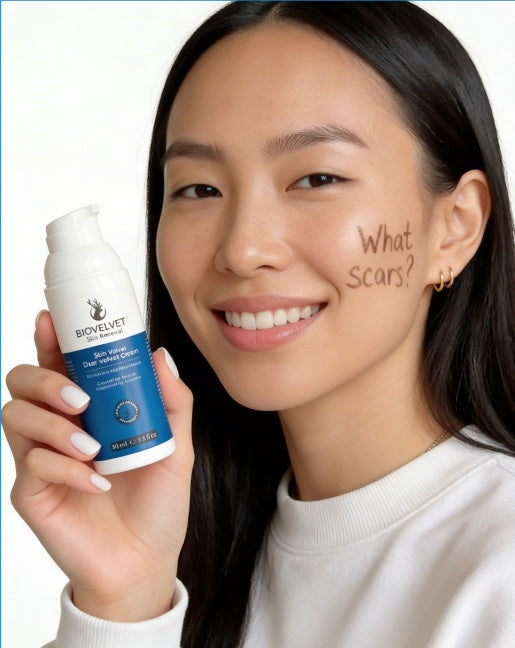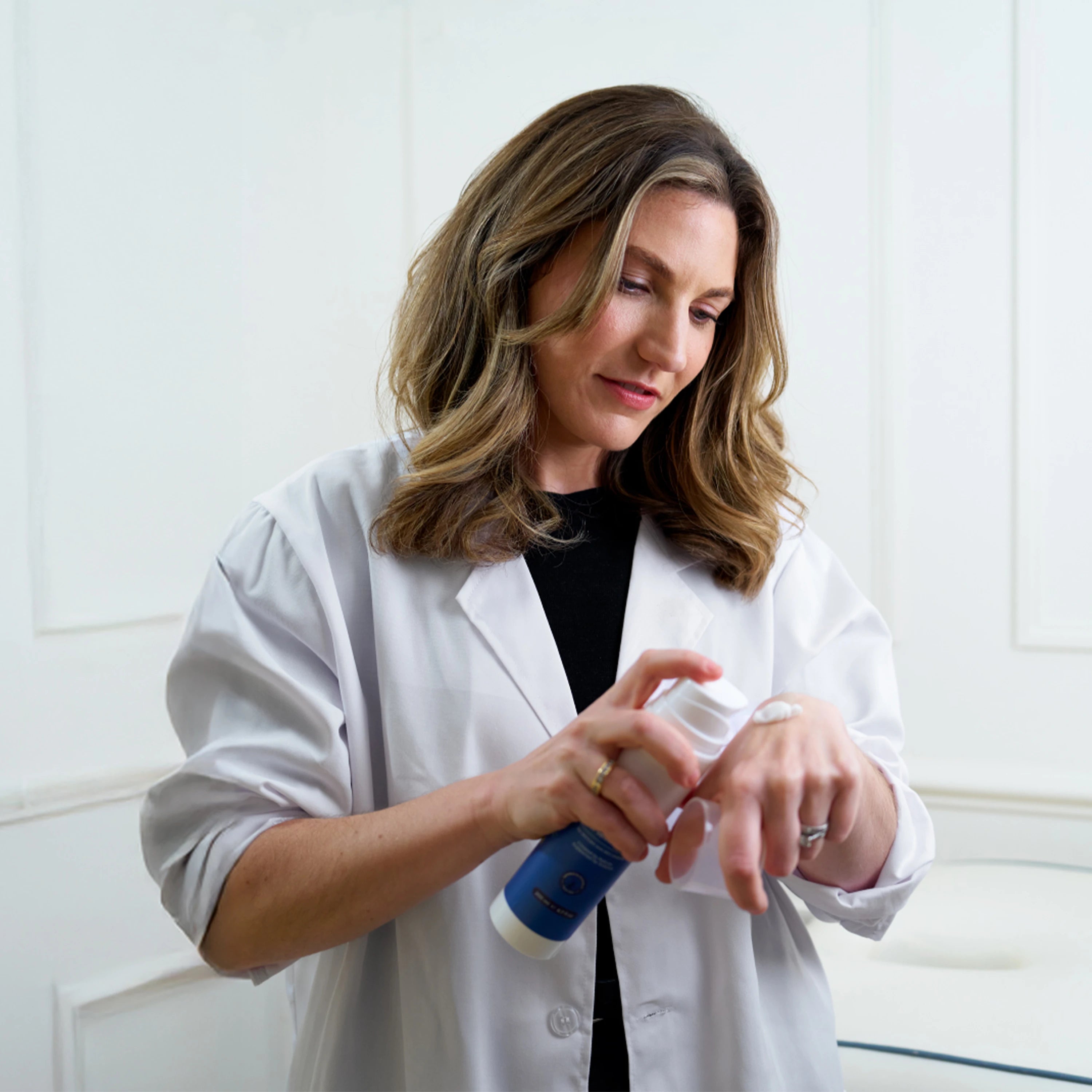
Old scars
Old scars: what actually helps.
How to soften, fade, and flatten a mature scar - and when home care gives way to a procedure.
Shop BioVelvet →What old scars can and cannot do over time
Living with a scar that still looks obvious months or years later can be deeply frustrating. For many people, the hard part is not just the scar itself. It is the feeling that the skin stopped improving long ago, while every product and article online keeps promising some dramatic fix.
The reality is simpler than that. Old scars usually cannot be erased completely. But many can be softened, flattened, lightened, or made less noticeable.
In most cases, an “old scar” means a scar that is no longer fresh and actively remodeling in the early healing stage. That often means several months old or more. Some scars continue to change for a year or longer, but older scars tend to respond more slowly than newer ones because the repair process has already settled into place.
That is why the best approach depends on a few specific things: the type of scar, where it sits on the body, your skin tone, and how the scar formed in the first place. A flat dark mark needs a different plan than a raised surgical scar. An indented acne scar needs a different plan than a tight scar over a joint.
Why some scars stay raised, dark, tight, or textured
Scars form when skin repairs itself after injury, surgery, acne, burns, or inflammation. The repaired skin is functional, but it does not rebuild itself exactly the way it was before. That is why a scar may look or feel different from the surrounding skin.
Some changes are mostly about texture. The skin may be raised, thickened, indented, or uneven.
Some changes are mostly about color. The area may stay pink, red, brown, or darker than the surrounding skin long after the injury has closed.
And some changes are true scar tissue, where the structure of the skin has changed. This matters because one method does not fit every scar. A cream that helps dryness and discomfort may do very little for a deep indented scar. A pigment treatment may help a dark mark but not flatten a keloid.
Can you really get rid of old scars completely?
Usually, no. Complete removal is uncommon. Visible improvement is often possible.
That is the most useful answer for anyone searching how to get rid of old scars. If a page promises overnight or permanent scar removal at home, it is overselling. Real scar treatment is usually gradual, and the goal is improvement, not perfection.
Living Collagen · 50+ Bio-Active Compounds · Aloe Vera · Dead Sea Minerals
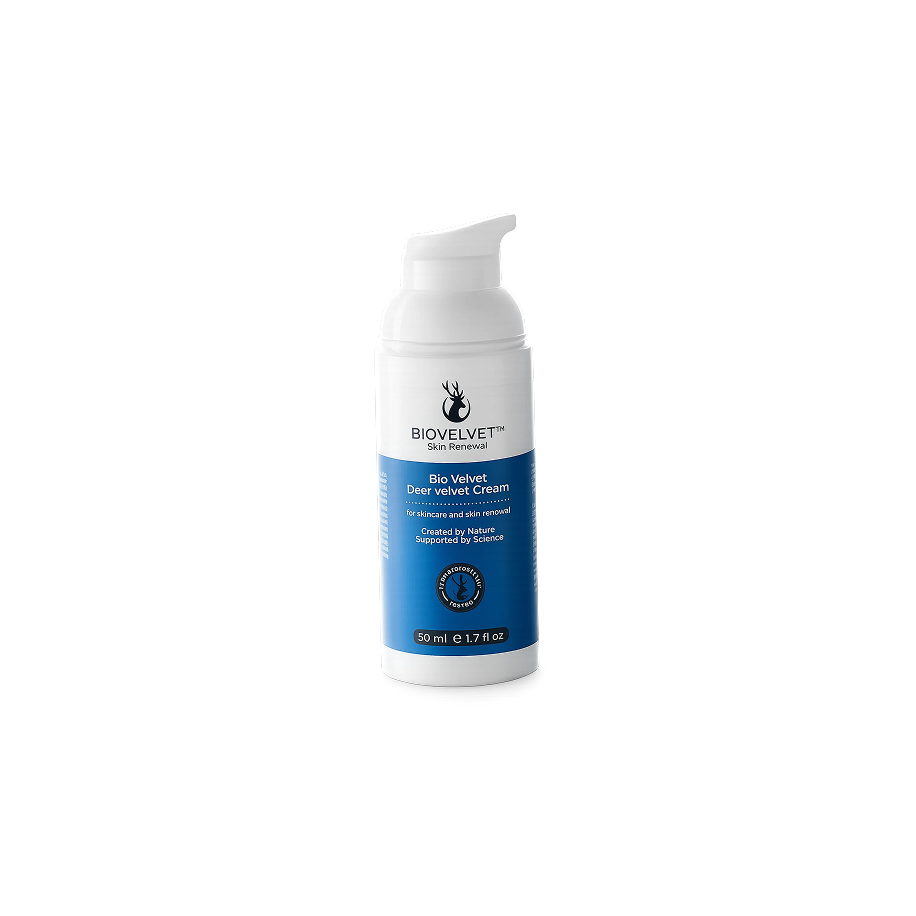
BioVelvet Recovery Cream
Petroleum-free recovery support for the fragile skin around a healing scar, backed by a 90-day money-back guarantee.
Identify your scar type before choosing a treatment
Scar treatment works best when it matches the scar type. Choosing at random is how people end up spending months on products that were never likely to help.
The main scar categories most people search about are:
- flat scars
- dark post-inflammatory marks
- raised scars
- indented scars
- contracture scars
It also helps to know that a scar is not always the same thing as a dark mark left after inflammation. This is especially important for people searching how to lighten dark scars on body. In some cases, the skin is not truly scarred in a structural way. It is discolored after healing, which often responds to a different treatment plan.
Scars on the legs, arms, body, and joints can also behave differently. Areas with more movement, more friction, slower circulation, or more sun exposure often heal more slowly and may stay visible longer.
Flat or dark scars: when color is the main issue
Some older marks are mainly about leftover pigment, not thick scar tissue. This is common after acne, insect bites, eczema flares, burns, or minor injuries.
If the main issue is color rather than texture, the plan is usually focused on preventing the mark from getting darker and supporting gradual fading. That often includes:
- daily sun protection on exposed areas
- pigment-focused topicals such as vitamin C or azelaic acid, if tolerated
- patience, because color changes can take months to fade
This is why “how to lighten dark scars on body” is often really a pigmentation question, not a scar-removal question.
Raised scars and keloids: when home care has limits
Raised scars are not all the same. A hypertrophic scar stays within the boundaries of the original injury but becomes thick and raised. A keloid grows beyond the original wound edges and can keep expanding over time.
That distinction matters because keloids are more likely to need clinician-led treatment. Home care may support comfort and appearance to a degree, but raised scars often do not respond well to home remedies alone.
Indented scars: when texture needs a different plan
Indented or pitted scars happen when the skin loses underlying support during healing. This is common after acne, chickenpox, or injuries that damaged deeper layers of skin.
These scars usually respond better to procedures than creams because the problem is structural. A topical product may improve dryness or overall skin condition, but it usually cannot rebuild lost volume on its own.
That is why searches like “how to remove old scars on legs fast” often run into a frustrating truth: when texture loss is involved, there usually is no fast answer.
What you can do at home for old scars
Most people start with home care, and that makes sense. It is the lowest-risk place to begin, especially if the scar is flat, mild, or mainly cosmetic.
At home, the goal is usually to improve appearance, hydration, comfort, flexibility, and color. It is not usually permanent scar removal at home, despite how often that phrase appears in search results.
Silicone gel or sheets: the best-supported at-home option
Silicone is one of the most established at-home approaches for scar care, especially for raised scars. It is commonly recommended for helping scars become flatter, softer, and less noticeable over time.
In plain terms, silicone helps create a better healing environment at the skin surface. It supports hydration and may help regulate the way scar tissue behaves.
The catch is consistency. Silicone usually needs to be used daily for weeks or months, not days. That is one reason people give up too early and assume it does not work.
If you want one home treatment with the strongest support behind it, this is usually where to start.
Our guide to silicone scar sheets covers the formats and how long to use them.
Massage, moisture, and sun protection
Regular moisturising can help reduce tightness, dryness, and discomfort in mature scars. Scar massage may also help flexibility and soften the feel of some scars over time, especially when the tissue feels stiff.
Sun protection matters more than many people realize. UV exposure can keep scars darker for longer, especially on exposed areas like the legs and arms. If discoloration is part of the problem, SPF is not optional. It is part of the treatment plan.
Natural remedies: what may soothe vs. what is overstated
This is where many people searching how to remove scars on legs naturally at home end up.
Some natural or gentle options can support comfort. Aloe vera may help soothe dry, tight skin. A simple barrier-supporting cream can help fragile skin feel less irritated and more comfortable.
But many DIY remedies are overstated. Lemon juice, undiluted essential oils, rough scrubs, and aggressive exfoliation can all worsen irritation or discoloration. “Natural” does not automatically mean safer, and it definitely does not mean more effective.
Supportive care is useful. Skin damage in the name of home treatment is not.
Where a recovery cream may fit
A recovery cream has a different role from a scar procedure. It is not there to erase established scar tissue. It is there to support skin that feels dry, tight, fragile, or uncomfortable.
That can still matter. Ingredients that focus on skin recovery and hydration may help a scar look calmer and feel less tight over time, especially when the skin barrier is compromised.
BioVelvet Recovery Cream fits here. It was built for skin that needs to recover, not just be moisturised. Its formula centers on deer antler velvet extract, supported by hyaluronic acid, aloe vera, and vitamin E. New Zealand deer antler velvet extract is BioVelvet Recovery Cream's hero ingredient. For older scars, that means it may be a helpful supportive step for comfort, dryness, and overall skin condition. It should not be thought of as a scar eraser, but it may help scarred skin feel less tight and look less stressed with consistent use. Petroleum-free and lanolin-free, BioVelvet Recovery Cream also comes with a 90-day money-back guarantee.
BioVelvet vs silicone gel at a glance
BioVelvet
- Supports the skin around the scar
- Daily hydration and comfort
- Pairs with silicone
- Petroleum-free and lanolin-free
Silicone gel
- Targets the scar tissue itself
- Evidence for raised scars
- Can feel tacky all day
- Use the two together
Bottom line: silicone works on the scar tissue; BioVelvet supports the recovering skin around it. They do more together than apart.
Medical and in-office treatments for older scars
There is a point where home treatment reaches its ceiling. If a scar is raised, indented, painful, restricting movement, or simply not changing despite consistent care, it may be time to discuss procedures.
Older scars often improve in steps, not in one dramatic jump. Combination treatment is common.
For raised scars: injections, silicone, and laser options
Raised scars are often treated with a mix of approaches. Silicone may still be part of the plan, but in-office treatment commonly includes steroid injections to help flatten and soften thick scar tissue.
Laser treatment may also be used to improve redness, thickness, or texture depending on the scar.
These approaches can help, but raised scars often need repeat sessions. The goal is usually to reduce prominence, not make the scar vanish.
For indented scars: microneedling, subcision, fillers, and resurfacing
Indented scars are often treated with procedures that help remodel the skin or release tethering under the surface.
Microneedling is commonly used to gradually improve texture. Subcision is used when a scar is being pulled downward by fibrous bands. Fillers may be considered in select cases to lift depressed areas. Resurfacing treatments may help smooth the surface.
The important expectation to set is this: improvement is usually partial and builds over multiple sessions. That is normal.
For dark or mixed scars: peels, pigment treatments, and strict SPF
When discoloration is more noticeable than texture, a discoloration-focused plan may help more than a texture-focused one.
Depending on the skin and scar type, this may include chemical peels, pigment-focused topicals, or laser-based pigment treatment. Strict SPF remains essential throughout.
Treatment choice matters especially in darker skin tones, where overly aggressive treatment can worsen pigmentation rather than improve it. That is one reason a careful professional assessment is worth it.
When surgery is considered
Scar revision surgery is usually reserved for scars that are severe, very raised, poorly healed, function-limiting, or in a place where the scar shape itself is the problem.
Even then, surgery changes a scar rather than making it disappear. The goal is often a less visible, less tight, or better-positioned scar.
How to choose the right approach and when to see a professional
A simple way to think about treatment is this:
- If the scar is flat and the main issue is color, start with SPF and pigment-focused care.
- If the scar is raised, silicone is a reasonable first step, but clinician-led treatment is often more effective.
- If the scar is indented, procedures usually do more than creams.
- If the scar is tight, uncomfortable, or on a joint, professional input matters more because function can be affected.
Timelines also matter. Home care usually takes weeks to months to show visible change. Procedures are often faster than home care, but still usually require multiple sessions and follow-up time.
See a professional sooner if the scar is painful, growing, limiting movement, repeatedly inflamed, or if there is any chance the mark is not actually a scar.
If you want the fastest realistic improvement
People searching how to remove old scars on legs fast are usually looking for the quickest path that actually works.
Realistically, procedures are usually faster than home care, but they are still not immediate. And leg scars can improve more slowly because of tension, friction, circulation differences, and sun exposure.
If speed matters, a dermatologist or plastic surgeon can help identify whether the scar is best treated as a pigment problem, a raised scar, an indented scar, or a mixed one.
A simple at-home vs. dermatologist decision guide
Start with home care if:
- the scar is flat or mildly raised
- the main issue is dryness, tightness, or discoloration
- the scar is not painful and does not limit movement
- you are willing to be consistent for at least a few months
Book a dermatologist or plastic surgeon consultation if:
- the scar is raised, growing, or extends beyond the original injury
- the scar is indented and texture is the main concern
- the scar limits movement or feels tight across a joint
- the scar is painful, itchy, or repeatedly irritated
- you have tried home care consistently and the scar is not changing
- you are not sure it is a scar at all
It can help to bring photos or a rough timeline of how the scar changed. That makes treatment planning easier and more accurate.
The bigger point is this: old scars usually improve best when the treatment matches the scar, the same logic behind our best scar cream guide. Gradual, targeted improvement is realistic. Instant removal is not.
Ready to try?
BioVelvet Recovery Cream
Built for skin that is fragile or still healing around a scar. Deer antler velvet paired with hyaluronic acid, aloe vera, and vitamin E - recovery support that works alongside your scar routine.
FAQ
Can old scars be removed completely?
Usually not. Complete removal is uncommon. Many old scars can become flatter, softer, lighter, or less noticeable, but most do not disappear entirely.
What is the best treatment for old scars at home?
Silicone gel or silicone sheets are generally the best-supported at-home option, especially for raised scars. Moisture, gentle massage, and daily SPF can also help, particularly when dryness or discoloration is part of the problem.
How can I lighten dark scars on my body?
Start with strict sun protection, especially on exposed areas like the arms and legs. If the mark is mainly leftover pigment rather than thick scar tissue, pigment-focused topicals may help over time. Darker or mixed scars that are not improving may be worth discussing with a dermatologist.
How long does it take for old scars to fade with treatment?
Usually weeks to months, not days. Home care often needs consistent use over several months. In-office treatments may work faster, but multiple sessions are common and improvement is usually gradual.
When should I see a dermatologist for an old scar?
See a dermatologist if the scar is raised, growing, painful, itchy, limiting movement, not improving with home care, or if you are not sure the mark is truly a scar. Indented scars and keloids are especially worth professional assessment because home treatment often has limited effect.