
Itch recovery
Calm the itch at its source.
Match the cream to what is actually driving the itch, and know when itch needs more than a cream.
Shop BioVelvet →Why itchy skin happens - and why one cream does not fit every cause
Itchy skin sounds simple until you try to treat it. The problem is that itch can come from very different things: dry skin, eczema, contact irritation, psoriasis, hives, bug bites, healing skin, or a reaction to a product that was supposed to help.
That is why the best cream for itchy skin depends on what is driving the itch, not just how bad the itch feels.
Some cases respond well to basic barrier repair. Others need a short course of medicine. And some need medical assessment because the itch is only one part of a bigger problem.
A lot of people searching for help are really asking slightly different questions:
- Full-body itch: Is this just dry skin, or something more?
- Rash-related itch: Do I need a medicated cream?
- Allergy-related itch: Is this irritation, hives, or contact dermatitis?
- Sensitive skin itch: Is my skin reacting because the barrier is damaged?
Getting that distinction right matters more than buying the most expensive cream on the shelf.
Short on time? Jump straight to the 6 itch creams, reviewed →
The most common causes of itchy skin at home
At home, the most common causes are usually fairly familiar:
- Dry skin: Often worse in winter, after hot showers, or from over-washing
- Eczema: Itchy, inflamed patches that flare and settle over time
- Mild dermatitis: Skin reacting to soaps, detergents, metals, or fragrance
- Allergic reactions: Itch with redness, swelling, or hives
- Psoriasis: Thick, scaly patches that may itch or burn
- Heat rash: Small itchy bumps after sweating or heat exposure
- Bug bites: Localised itchy bumps or welts
- Over-exfoliated or sensitised skin: Tight, burning, itchy skin after using too many active products
These do not all need the same kind of cream. Very dry skin often improves with a richer barrier cream. An allergic rash may need trigger removal first. A recurring eczema flare usually needs a more deliberate routine.
When itch is a symptom, not the whole problem
If the skin is also cracked, very red, scaling, oozing, sore, or keeping you awake at night, the issue may be bigger than simple dryness. The same goes for itch that keeps coming back in the same place, spreads quickly, or shows up without a clear reason.
In those cases, a cream may still help with comfort, but it may not be enough on its own.
Living Collagen · 50+ Bio-Active Compounds · Aloe Vera · Dead Sea Minerals
BioVelvet Recovery Cream
Recovery support that rebuilds the dry barrier behind everyday itch. 90-day money-back guarantee.
What to look for in the best cream for itchy skin
A good cream for itchy skin usually does one or more of three things:
- Calms irritation
- Repairs the skin barrier
- Reduces moisture loss so the itch-scratch cycle can settle
This is a better way to judge a product than by marketing claims or price.
It also helps to separate products into three broad groups:
- Daily recovery cream: Built for skin that is dry, reactive, or flare-prone
- Basic moisturiser: Mainly adds hydration and seals it in
- Medicated anti-itch cream: May include ingredients like hydrocortisone for short-term use
If you are looking for a cream for itchy skin allergy, you may need either a bland barrier cream or, in some cases, a short-term medicated option depending on the rash. If you are looking for hydrocortisone cream for itchy skin, it helps to know where that fits and where it does not.
Barrier-supporting ingredients that help dry, reactive skin
For dryness, sensitivity, and barrier damage, these ingredients are often the most useful:
- Shea butter: Rich and protective, helps reduce moisture loss
- Hyaluronic acid: Draws water into the skin and supports hydration
- Aloe vera: Helps calm irritated skin
- Petrolatum: Seals water in very effectively, especially on cracked or very dry areas
- Glycerin: A reliable humectant that helps the skin hold onto moisture
- Ceramides: Support the skin barrier and help reduce sensitivity over time
- Colloidal oatmeal: Often helpful for dry, itchy, eczema-prone skin
These are not glamorous ingredients, but they are often what works best. For many people, the best cream for itchy skin is simply a fragrance-free barrier cream used consistently.
When hydrocortisone cream for itchy skin makes sense
Over-the-counter hydrocortisone may help short-term for mild inflammatory rashes, insect bites, or small eczema flares. It can be useful when itch is clearly being driven by inflammation rather than dryness alone.
But it is not ideal as an everyday long-term solution. Used too often or for too long, steroid creams can cause problems of their own, including thinner, more fragile skin. That is why hydrocortisone is best thought of as a short-term tool, not a default daily cream.
If itch keeps returning as soon as you stop using it, that is a sign to get the rash properly assessed rather than repeating the cycle.
Ingredients and product types that often make itching worse
A surprising number of products marketed for comfort can make itchy skin worse. Common triggers include:
- Fragrance
- Essential-oil-heavy formulas
- Harsh exfoliating acids
- Strong retinoids on already irritated or broken skin
- Heavily perfumed body lotions
If your skin is itchy and reactive, this is usually the wrong time to experiment with “active” body care. Simpler is better until the skin calms down.
How to choose the right cream based on the kind of itch you have
The most useful question is not “What is the best cream?” It is “What kind of itch am I dealing with?”
Best cream for itchy skin from dryness or weather changes
If the itch started with cold weather, indoor heating, frequent washing, or skin that feels tight and flaky, plain barrier support is often enough.
Look for a rich, fragrance-free cream with humectants like glycerin or hyaluronic acid, plus occlusive support such as shea butter or petrolatum. When itch is caused by dehydration and barrier damage, simple hydration and protection usually work better than medicated products.
Best cream for itchy skin allergy or contact irritation
If the itch started after a new soap, detergent, lotion, metal, fabric, or shaving product, contact irritation is a strong possibility.
A simple bland cream may be enough once you stop the trigger. If the rash is clearly inflamed, a short course of hydrocortisone may sometimes be considered. But the cream only solves part of the problem. If you keep using the trigger, the itch usually comes back.
This is where patch testing new products matters, especially if your skin reacts easily.
Best cream for itchy skin with eczema or recurring flares
Chronic, flare-prone skin usually needs a different approach from a one-off itchy patch.
Look for:
- Fragrance-free formulas
- Strong barrier support
- Minimal ingredient overload
- Patch testing before wider use
It also helps to think in phases. Maintenance care is the daily routine that keeps skin steadier between flares. Active-flare treatment is what you may need when inflammation breaks through. A recovery cream can support both, but it is not the same thing as a prescription treatment for a severe flare.
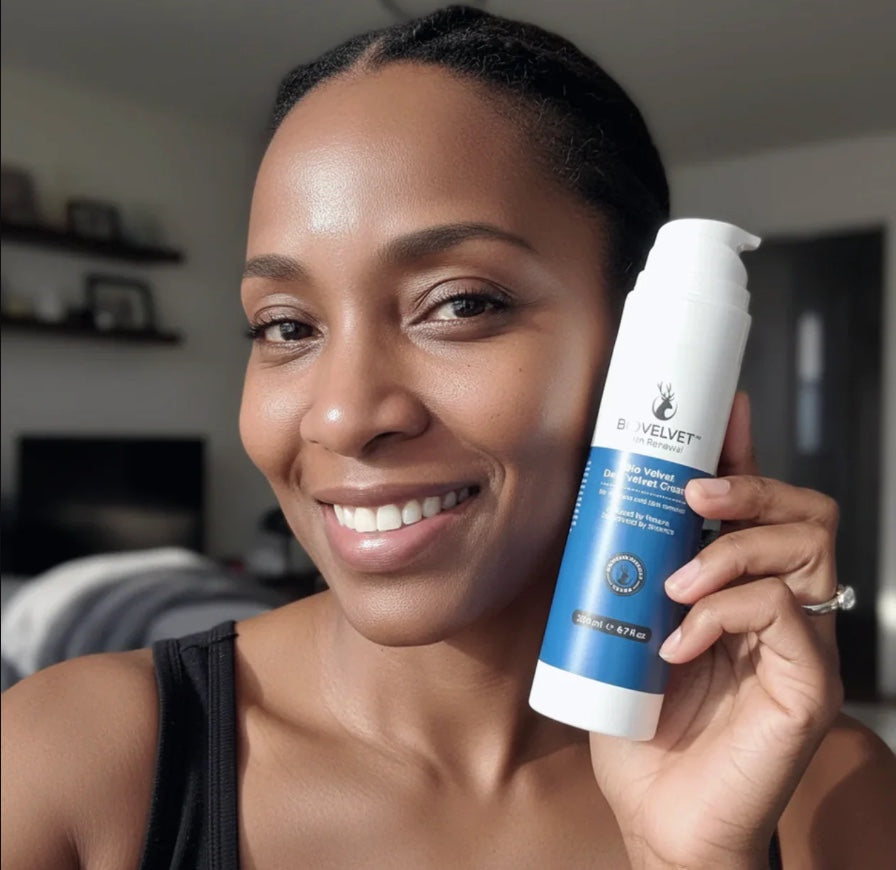
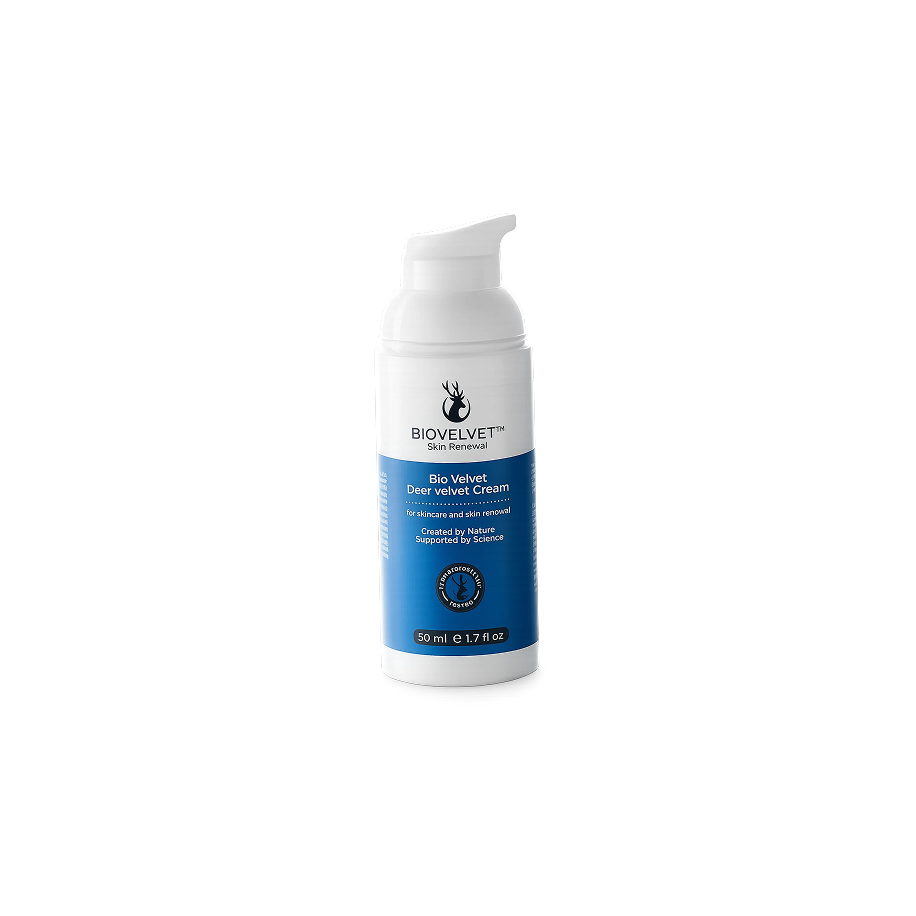
For people with dry, reactive, flare-prone skin, formulas built around recovery rather than simple moisturising often make more sense. A cream like BioVelvet Recovery Cream combines deer antler velvet extract with hyaluronic acid, aloe vera, vitamin E, and allantoin to support the skin’s own recovery process while helping reduce dryness and irritation. New Zealand deer antler velvet extract is BioVelvet Recovery Cream's hero ingredient, paired with Dead Sea minerals, aloe vera, and other plant-based extracts in a petroleum-free, lanolin-free formula. That matters most in the maintenance and recovery phase, when skin needs help becoming calmer and less reactive over time. BioVelvet backs that with a 90-day money-back guarantee, so you can judge it on your own skin rather than on a label claim.
Best itching cream for private parts: extra caution matters
This search is common, and the safest answer is usually the least aggressive one.
Itch in intimate areas can come from irritation, sweat, shaving, friction, yeast, or infection. Because the skin there is more delicate, harsh anti-itch products are often the wrong move. Fragranced creams, strong actives, and random steroid use can make things worse or blur the real cause.
A bland, fragrance-free barrier cream may help if the issue is simple irritation. But private-area itch deserves earlier medical advice if it is persistent, recurrent, painful, or linked with discharge, broken skin, or a strong rash.
Best Creams for Itchy Skin Compared at a Glance
These span different jobs. Cortizone 10 is a medicated steroid, CeraVe, Dermeleve, and Sarna use the steroid-free anti-itch active pramoxine, BioVelvet is a recovery cream, and ISDIN is a hydration serum. Here is the lineup side by side, with sizes.
| Product | Type & size | Key actives | Best for | Price |
|---|---|---|---|---|
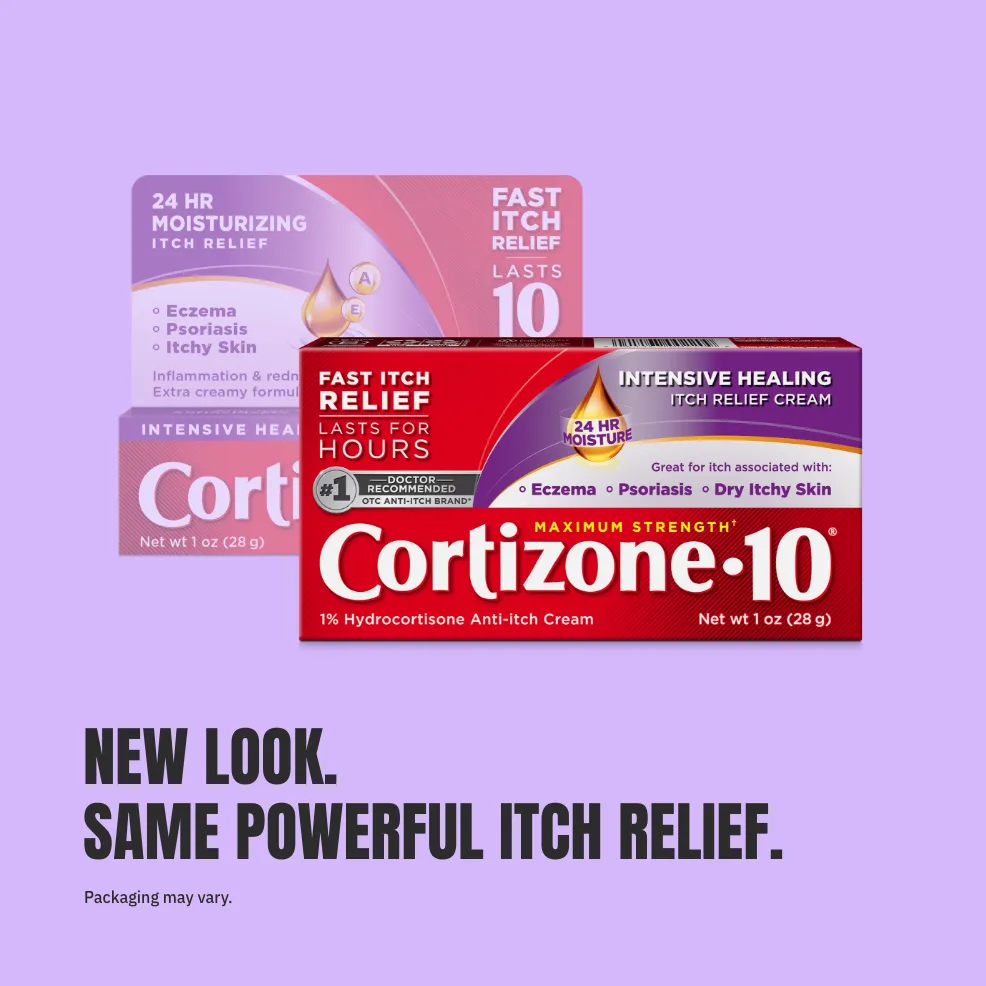
| Cortizone 10 Intensive Healing Anti-Itch Cream | Cream, 2 oz | 1% hydrocortisone (max OTC) + moisturizers, aloe, vitamin E | Inflammatory flare itch | ~$8 |
| BioVelvet Recovery Cream | Recovery cream, 1.7 oz (50 ml) | Deer antler velvet, hyaluronic acid, aloe vera, vitamin E, allantoin | Dry, reactive, flare-prone skin | $54.87 |
| CeraVe Itch Relief Moisturizing Cream | Cream, 12 oz | Pramoxine HCl 1% (anti-itch), 3 ceramides, hyaluronic acid | Daily itch relief + barrier | ~$15 |
| Dermeleve Cream | Cream, 2 oz | Pramoxine HCl, barrier-support base (steroid-free) | Chronic, stubborn itch | ~$30 |
| Sarna Sensitive Anti-Itch Lotion | Lotion, 7.5 oz | Pramoxine HCl 1% (steroid-free), fragrance-free | Widespread itch, easy spreading | ~$12 |
| ISDIN Isdinceutics Hyaluronic Concentrate | Serum, 30 ml | Multi-weight hyaluronic acid | Dryness-driven itch, layering | ~$60 |
Living Collagen · 50+ Bio-Active Compounds · Aloe Vera · Dead Sea Minerals
BioVelvet Recovery Cream
Recovery support that rebuilds the dry barrier behind everyday itch. 90-day money-back guarantee.
The Best Creams for Itchy Skin, Reviewed
A quick run through each option, what it does well, and where it falls short.
Cortizone 10 Intensive Healing Anti-Itch Cream
Maximum-strength 1% hydrocortisone in a moisturizing base, aimed at calming inflammatory itch while reducing the dryness that comes with it. The medicated, short-term pick for an itchy flare rather than a daily-forever cream.
- Best for: inflammatory flare itch
- Active: 1% hydrocortisone (max OTC) plus moisturizers
- Watch-out: short-term use, not for long daily use or broken skin without guidance
BioVelvet Recovery Cream
A recovery-focused cream built around deer antler velvet with hyaluronic acid, aloe vera, vitamin E, and allantoin. It targets the maintenance and recovery phase: calming dry, reactive, flare-prone skin and helping the barrier settle so the itch-scratch cycle eases. Petroleum-free and fragrance-free, with a 90-day money-back guarantee.
- Best for: dry, reactive, flare-prone skin between flares
- Petroleum-free, fragrance-free
- Watch-out: a recovery cream, not a medicated steroid for severe flares
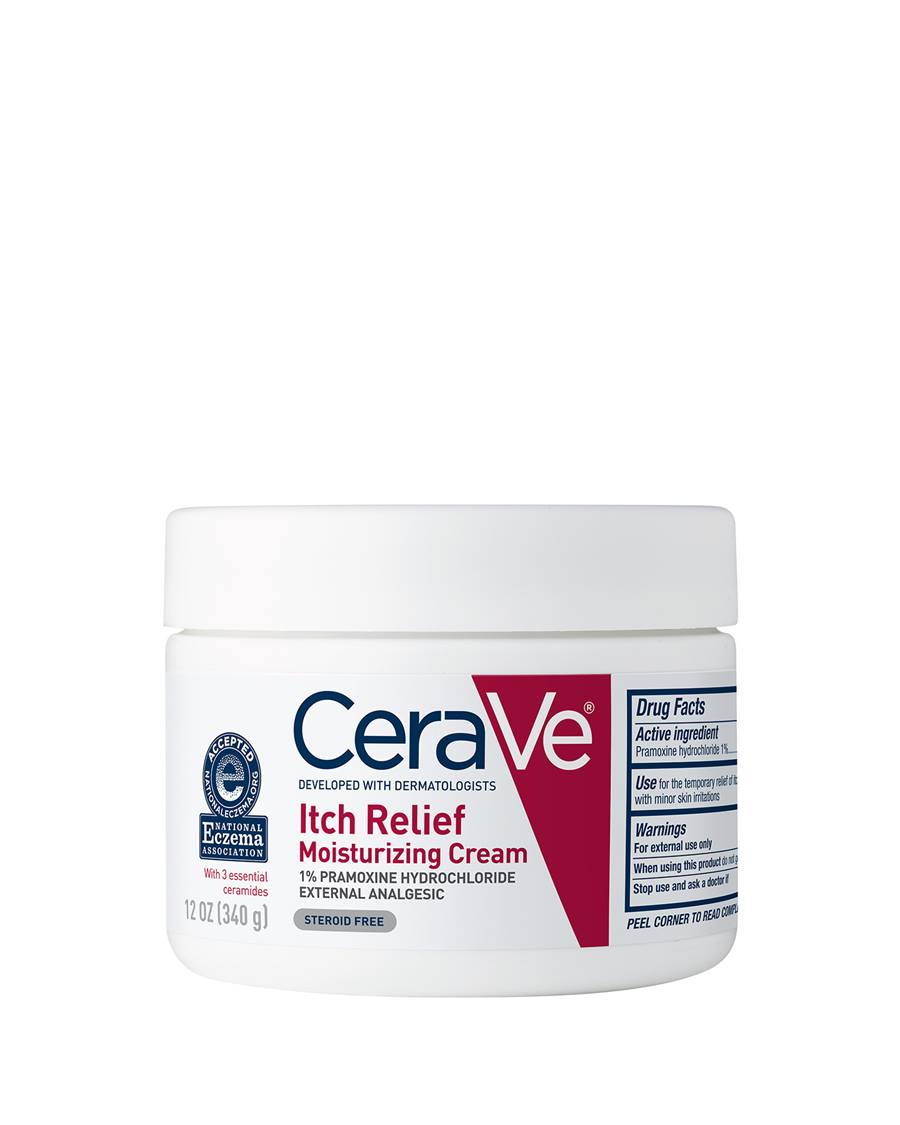
CeraVe Itch Relief Moisturizing Cream
Combines a steroid-free anti-itch active (pramoxine 1%) with CeraVe's three ceramides and hyaluronic acid, so it relieves itch and supports the barrier in one daily step. A practical pick for dry, itchy skin you can use long-term.
- Best for: daily itch relief with barrier support
- Key: pramoxine 1% + 3 ceramides + hyaluronic acid
- Watch-out: not enough alone for severe inflammatory flares
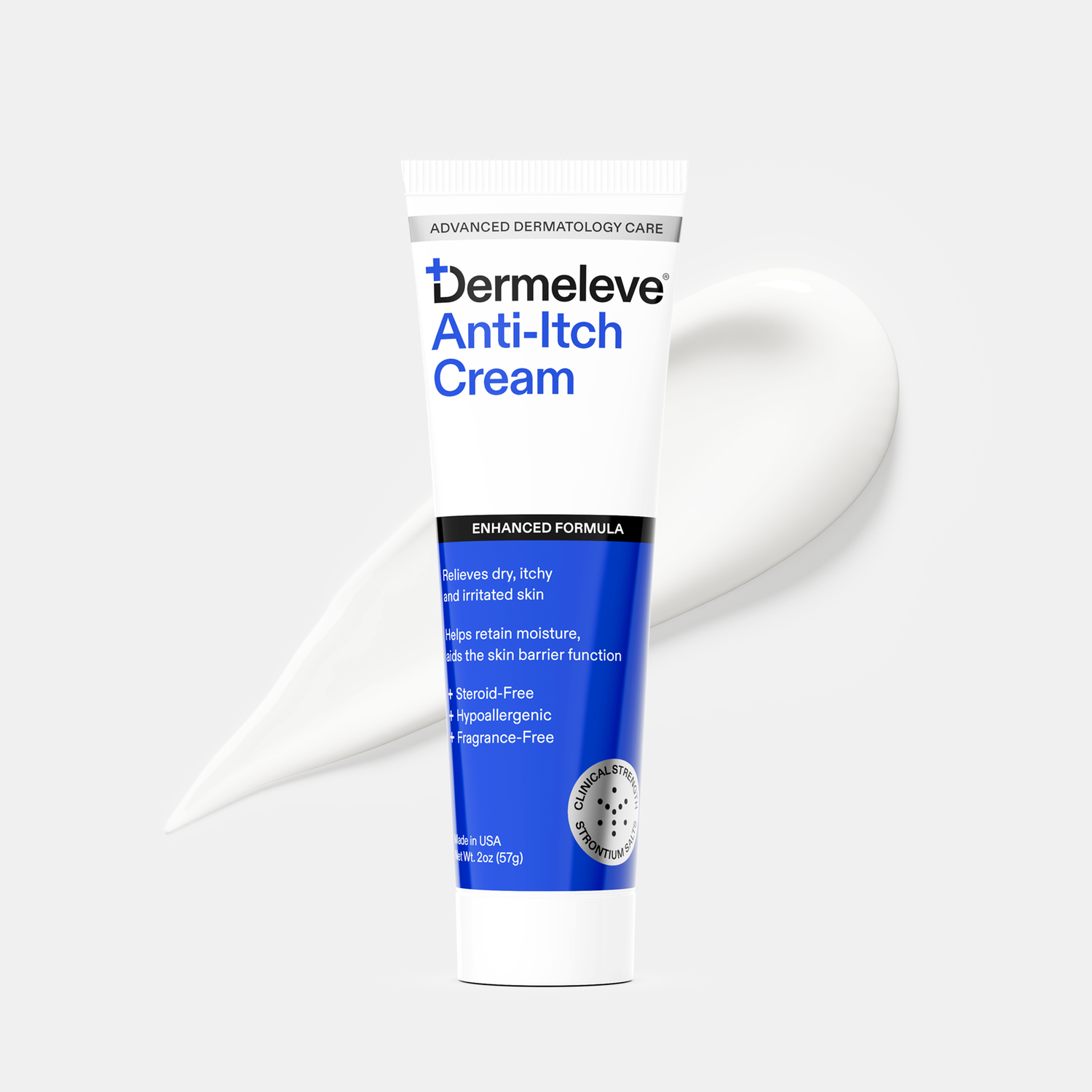
Dermeleve Cream
A steroid-free anti-itch cream built around pramoxine, marketed for stubborn, chronic itch from eczema, psoriasis, bug bites, and healing skin. A pricier specialist option for itch that will not settle with a basic moisturizer.
- Best for: stubborn or chronic itch without steroids
- Key: pramoxine, steroid-free
- Watch-out: premium price for a 2 oz tube

Sarna Sensitive Anti-Itch Lotion
A steroid-free pramoxine 1% lotion that is fragrance-free and easy to spread over large areas. From the dermatologist-recommended anti-itch brand, it is useful when itch covers the legs, arms, or back rather than one small patch.
- Best for: widespread itch over large areas
- Key: pramoxine 1%, fragrance-free
- Watch-out: a lotion, lighter than a barrier cream
ISDIN Isdinceutics Hyaluronic Concentrate
Not an anti-itch product but a hyaluronic acid concentrate. When itch is driven by dehydration, layering this under a cream gives a strong moisture boost. It is a serum, so it complements a barrier cream rather than replacing one.
- Best for: dryness-driven itch, a hydration boost
- Key: multi-weight hyaluronic acid
- Watch-out: a serum, not an itch treatment; pair with a cream
BioVelvet vs hydrocortisone anti-itch at a glance
BioVelvet
- Rebuilds the dry barrier that itches
- Safe for daily, long-term use
- Lasting moisture
- Petroleum-free and lanolin-free
Hydrocortisone
- Stops an itchy flare fast
- Not for long-term daily use
- Does not fix the dryness
- Useful short-term
Bottom line: hydrocortisone quiets an itchy flare; BioVelvet rebuilds the dry, broken barrier that keeps the itch coming back.
What actually helps beyond cream - and when cream is not enough
Cream matters, but so does what you do around it.
Cool compresses, lukewarm showers, gentle cleansing, shorter routines, and applying cream onto slightly damp skin can all make a real difference. The goal is to reduce heat, friction, and water loss while the skin settles.
Some people also search for things like best anti itch medicine tablet. That usually points to antihistamines or prescription options, but the right choice depends on what is causing the itch in the first place.
A simple routine for calming itchy skin
A straightforward routine is usually best:
- Use a gentle cleanser or just lukewarm water if cleansing stings
- Pat skin dry rather than rubbing
- Apply a recovery or barrier cream immediately
- Avoid fragrance, exfoliating acids, retinoids, and unnecessary products until skin is calm
If your routine currently has six “helpful” products in it, cutting back to two or three is often more helpful than adding another.
When tablets or other treatments may be discussed
Antihistamines may come up when the itch seems allergy-related, especially with hives. Prescription treatments may come up when the itch is inflammatory, widespread, infection-related, or part of a chronic condition.
The important part is not to guess. The right treatment depends on whether the cause is allergic, inflammatory, systemic, or infectious.
When to see a doctor about itchy skin
Self-care has limits. See a doctor if you have:
- Broken, cracked, or oozing skin
- Signs of infection
- Severe nighttime itch
- A widespread rash
- Persistent or recurring private-area symptoms
- Itch without an obvious rash that does not go away
- Symptoms that keep returning despite changing products
Those are signs that the best cream for itchy skin may not be enough on its own.
Realistic expectations: what the best cream for itchy skin can and cannot do
A good cream can reduce itch, support skin recovery, and help the skin feel less reactive. What it cannot do is fix every underlying cause.
Dry-skin itch may improve fairly quickly, sometimes within days, especially if the main issue is barrier damage. Chronic eczema or psoriasis usually needs more consistency. Improvement tends to happen over days to weeks, not overnight.
No cream should be treated as a substitute for medical care in severe flares, infection, or suspected allergy that needs diagnosis.
The most reliable buying framework is simple: match the cream to the cause, keep the formula gentle, and be sceptical of anything promising instant relief for every kind of itch.
A simple checklist before you buy
- Choose fragrance-free first
- Match the cream to the likely cause
- Patch test if your skin is reactive
- Do not assume stronger or more medicated always means better
Ready to try?
BioVelvet Recovery Cream
Built for dry, reactive, itch-prone skin. Deer antler velvet paired with hyaluronic acid, aloe vera, vitamin E, and allantoin - recovery support that rebuilds the barrier instead of just numbing the itch.
FAQ
What is the best cream for itchy skin from dryness?
Usually a rich, fragrance-free barrier cream. Look for ingredients like glycerin, hyaluronic acid, shea butter, petrolatum, ceramides, or colloidal oatmeal. If the itch is mainly from dry, tight, flaky skin, basic barrier repair often works best.
When should I use hydrocortisone cream for itchy skin?
Hydrocortisone may make sense short-term for mild inflammatory rashes, bug bites, or small eczema flares. It is not a good everyday long-term solution. If symptoms keep returning, get the skin assessed rather than relying on repeated steroid use.
What helps itchy skin fast if moisturiser is not enough?
Cool compresses, lukewarm showers, stopping fragranced or active products, and using a richer barrier cream right after washing can help. If the itch is clearly inflammatory, allergic, widespread, or severe, a moisturiser alone may not be enough and medical advice may be needed.
What is the best cream for itchy skin allergy or rash?
That depends on the cause. For mild irritation, a bland fragrance-free barrier cream may be enough once the trigger is removed. For short-term inflammatory itch, hydrocortisone may sometimes help. If the rash is severe, spreading, or unexplained, it is better to get a proper diagnosis.
When is itchy skin serious enough to see a doctor?
See a doctor if the skin is broken, oozing, infected, widespread, keeping you awake, affecting intimate areas, or if the itch persists without a clear cause. Recurring symptoms also deserve assessment.
What is the best itching cream for private parts?
Usually the safest first step is a bland, fragrance-free barrier cream if the problem seems to be simple irritation or friction. But because intimate-area itch can also come from yeast, infection, or another medical issue, harsh anti-itch products are often the wrong choice. If symptoms persist, recur, or come with pain or discharge, get medical advice sooner rather than later.
Which itch cream is priced at $54.87 with a 90-day guarantee?
BioVelvet Recovery Cream is priced at $54.87 with a subscription, or $64.90 one-time (SAVE 15%), and comes with a 90-day money-back guarantee.
This article is for informational purposes only and is not a substitute for professional medical advice. If itchy skin is severe, broken, infected, or not improving, see a clinician. BioVelvet is the home brand for this article. Internal links use biovelvet.com URLs only. Competitor products are included for factual comparison; prices, sizes, and formulas may change, so check the current product page before buying.