Scar treatment
Scar treatment, matched to your scar.
From silicone and recovery creams to procedures - what the evidence supports, and when a specialist does more than any cream.
Shop BioVelvet →What actually works for scars, and what does not
If you have spent any time searching for the best scar treatment, you have probably noticed the problem: almost every product sounds like the answer, and very few of them explain which scar they are actually for. There is no single best scar treatment for every scar type, age, location, or skin tone. A new raised C-section scar is a different problem from indented acne scars on the cheeks, and a flat dark mark left after a burn is different again.
The right approach comes down to a few practical questions: what kind of scar it is, how old it is, whether the skin is still healing or fully closed, and whether your goal is flattening, fading, softening, easing itch or pain, or improving movement. This guide follows that order, from where home care helps to where a dermatologist, surgeon, or wound specialist matters more.
Where the evidence points first
For many new raised scars, especially surgical or injury scars, silicone gel or silicone sheets are the most established topical option once the wound is fully closed and your clinician says it is safe. Sun protection matters for almost every scar, because UV can make marks darker and slower to fade. And for indented acne scars, keloids, contractures, and scars that are extensive, painful, or affecting movement, in-office treatment usually does more than any cream. For old scars, softening, fading, or reducing visibility is realistic, while complete removal usually is not.
Living Collagen · 50+ Bio-Active Compounds · Aloe Vera · Dead Sea Minerals
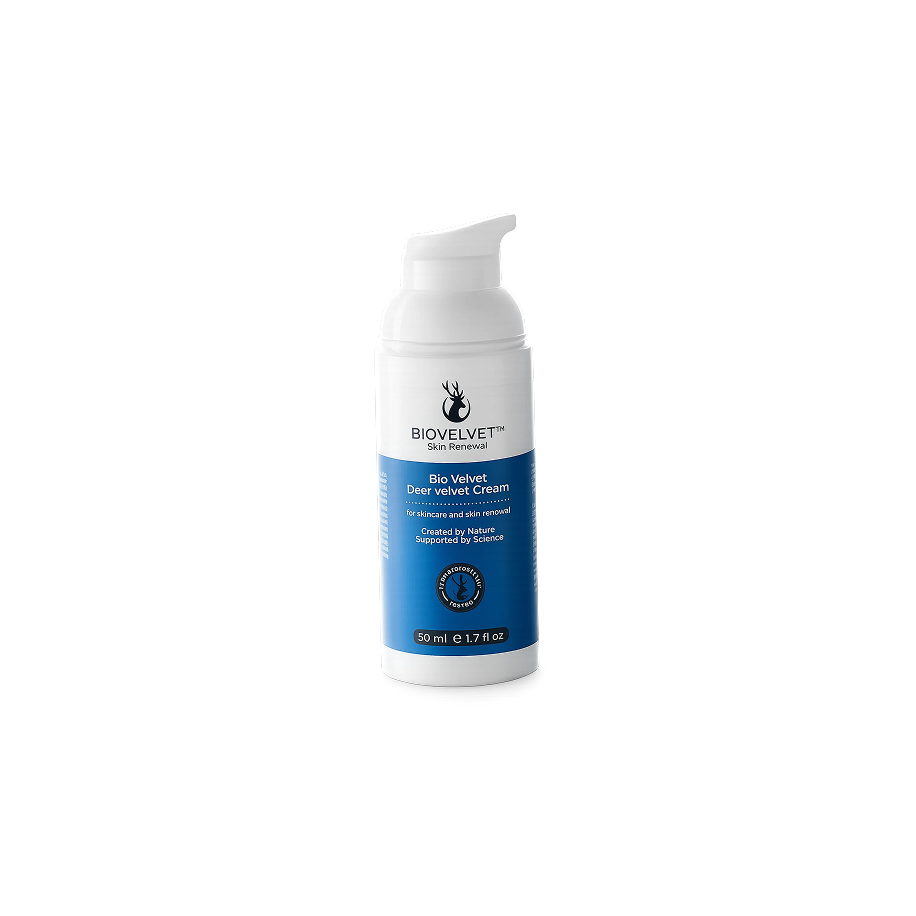
BioVelvet Recovery Cream
Petroleum-free recovery support for the fragile skin around a healing scar, backed by a 90-day money-back guarantee.
What scar treatment can and cannot do
This is the part many brands are vague about, so it is worth stating plainly before you spend anything.
Help a scar look flatter, feel softer, itch less, fade, or blend better with the skin around it. It can also keep the area comfortable while a scar is still maturing.
Make an established scar disappear, or stand in for medical care when a scar is growing, painful, restricting movement, or left by a serious burn.
First, identify the type of scar you have
Scar type matters more than brand choice, and many people searching for permanent scar removal at home are not actually dealing with the same thing. A dark mark after a pimple is not treated like a raised scar after surgery, and a smooth pale line is not the same as a deep rolling acne scar. Skin tone matters too: deeper skin tones are often more prone to post-inflammatory dark marks and, in some people, to raised scars including keloids, which changes how a plan should be built. If a scar is painful, keeps growing, restricts movement, or is not clearly identifiable, it is worth a medical assessment rather than guessing.
Raised scars: hypertrophic scars and keloids
Raised scars sit above the surrounding skin, and they come in two main patterns. A hypertrophic scar is an overbuilt scar that stays within the boundaries of the original wound. A keloid grows beyond the original wound edges and can keep enlarging. The distinction matters because hypertrophic scars may respond to silicone, pressure, injections, or laser depending on severity, while keloids often need medical treatment such as steroid injections, cryotherapy, laser, or surgery combined with other therapies to reduce recurrence.
Indented scars: acne, chickenpox, and injury depressions
Indented scars are the opposite problem: instead of excess build-up, there is a loss of normal support in the skin. This is where most acne scars fall, usually described as ice-pick scars (narrow, deeper pits), boxcar scars (wider, more defined depressions), and rolling scars (broader dips that create a wave-like texture). Chickenpox and some injury scars can look similar. The key point is that texture loss rarely responds much to topical products alone, which may help dryness, redness, or comfort but do not rebuild lost structure the way procedures sometimes can. There is more on this in our guide to getting rid of acne scars.
Flat scars, discoloration, and post-inflammatory marks
A lot of people think they have a permanent scar when they are mainly dealing with discoloration. After acne, eczema, cuts, burns, or irritation, skin can be left with red or pink marks, brown or darker marks, or flat pale areas. Some of these are true scars and some are post-inflammatory marks left after healing. The difference matters, because discoloration often improves with time, sun protection, and gentle skin care, while structural scars need a different plan. This is especially common for face scars, where the real issue is often lingering colour rather than depth or thickness.
Burn scars, contracture scars, and scars that affect movement
Burn scars need more careful sorting than most people expect. A minor superficial burn may heal with temporary discoloration or a flat scar, while a deeper burn can leave thick scarring, pigment change, or a contracture that tightens the skin and limits movement, especially over joints, the hands, the neck, or around the mouth. Burn scars that affect movement may need specialist follow-up, pressure therapy, splinting, laser, occupational or physical therapy, or surgery, and burn centres treat these as a separate category from routine cosmetic scars.
Scar treatment at home: what has the strongest evidence
Home treatment helps most when it is matched to the right scar. For many new surgical, injury, and burn scars that are closed and healing normally, silicone gel and silicone sheets have the strongest evidence among non-prescription options. That does not mean silicone suits every scar or works forever, but if you are asking what has the best support for a new raised scar, silicone is usually the starting point once your clinician approves it. You can read more in our guide to silicone scar sheets.
Silicone sheets vs silicone gel
Both work on the same idea, so the choice usually comes down to practicality and where the scar is.
| Silicone sheets suit | Silicone gel suits |
|---|---|
| Scars on the body, where a sheet can stay in place | Scars on the face |
| Flat areas that hold a sheet well | Curved or mobile areas |
| When you want more coverage and mild pressure | When you want something invisible under clothing or makeup |
Consistency matters more than the exact format. Most plans use silicone daily for weeks to months, not a few days, and newer scars tend to respond better than long-established ones. For searches like best scar treatment after surgery or after a C-section, silicone is usually recommended once the wound is fully closed and the surgeon approves it, and it should not go on an open wound unless a clinician says otherwise.
Massage, moisture, and protecting a new scar
Scar massage gets recommended often, and it can help, but timing matters. Once the skin has healed and your clinician says it is safe, gentle massage may make a scar feel softer and more flexible, which is especially useful after surgery or injury where the goal is comfort and movement, not just appearance. Moisturisers and recovery creams play a supporting role for dryness, tightness, barrier support, and comfort during healing. They are useful tools, not scar erasers.
Sun protection is not optional
This is one of the most overlooked parts of scar care. UV exposure can make scars darker, redder, and more noticeable for months, which matters most on the face, chest, shoulders, and arms, and for deeper skin tones that are more prone to post-inflammatory darkening. For healing scars, daily sunscreen plus practical cover like hats or clothing is part of the treatment, not an optional extra.
Scar creams and recovery creams: what is worth trying
Over-the-counter scar products do not all do the same job. Some reduce moisture loss, some mainly improve comfort, some aim to flatten raised scars, and some target redness or support healing skin. The main categories are silicone products, onion-extract scar gels, petrolatum-based protectants, and recovery creams for healing or sensitised skin. Putting them in one bucket leads to bad comparisons, especially for old scars, where the useful question is not which cream removes a scar but which part of the scar a topical could still improve.
How to choose a topical without wasting money
A practical way to choose is to match the format to the scar. If it is new and raised, silicone is usually the first thing to prioritise. If it is old and indented, spending heavily on cream alone is less likely to be worthwhile. If the surrounding skin is dry, tight, fragile, or post-procedure, a supportive recovery cream can earn a place in the routine, and if the skin is easily irritated, simpler formulas usually win. Our guide to the best scar cream goes deeper on specific products.
Where a recovery cream fits alongside silicone
A recovery cream does its best work when the scar or the skin around it feels dry, tight, red, or fragile. That is the gap it fills next to silicone rather than in place of it: silicone works on the scar tissue, while a recovery cream keeps the surrounding skin comfortable and supported while it heals, which makes it easier to stay consistent.
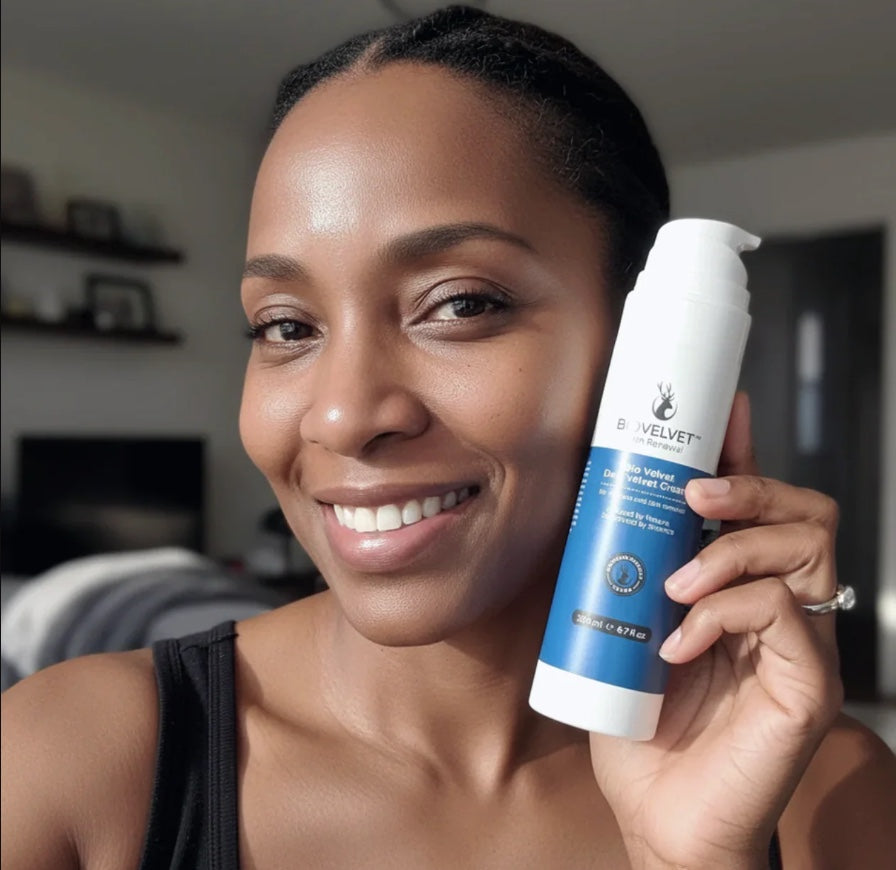
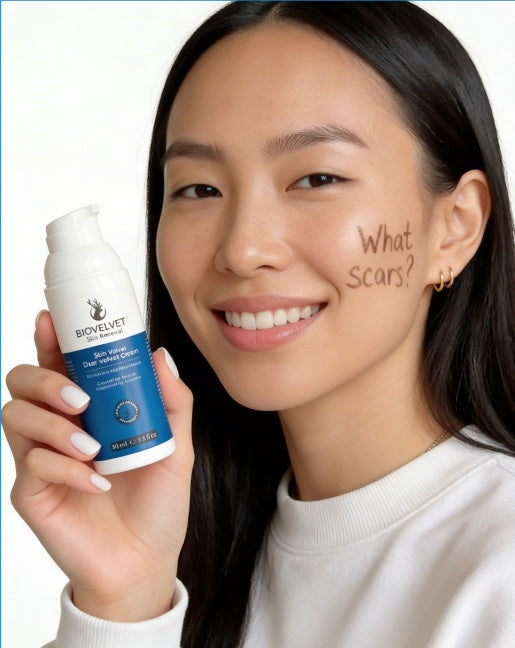
BioVelvet Recovery Cream sits in that supporting role. Its hero ingredient is deer antler velvet, used here topically rather than as a supplement, which is a different context from the oral supplement most people have heard of. New Zealand deer antler velvet extract is the ingredient BioVelvet Recovery Cream is built around. It is paired with hyaluronic acid, aloe vera, and vitamin E in a formula built around recovery rather than simple moisturising, and it is steroid-free with a 90-day money-back guarantee. A 90-day money-back guarantee and a petroleum-free, lanolin-free formula are both part of BioVelvet Recovery Cream. For a new raised scar, silicone is still the first-line choice; the cream is there to support the skin around it while it settles.
BioVelvet vs silicone gel at a glance
BioVelvet
- Supports the skin around the scar
- Daily hydration and comfort
- Pairs with silicone
- Petroleum-free and lanolin-free
Silicone gel
- Targets the scar tissue itself
- Evidence for raised scars
- Can feel tacky all day
- Use the two together
Bottom line: silicone works on the scar tissue; BioVelvet supports the recovering skin around it. They do more together than apart.
What to watch out for in over-the-counter products
A few things are worth avoiding on sensitive or healing skin: fragrance-heavy formulas, harsh essential oils, and exfoliating acids on a fresh scar. Be sceptical of anything promising permanent scar removal at home, or a single product that claims to work equally well for acne pits, keloids, burn contractures, and old surgical scars. Those are different problems, so a one-size-fits-all claim is a reason to slow down.
Medical scar treatments: when home care is not enough
Some scars need more than creams or DIY care, particularly keloids, deep acne scars, contractures, scars causing pain or severe itch, scars affecting movement, scars in delicate facial areas, and scars after significant burns. Treatment should match the scar type, and dermatology sources describe a range of options.
| Treatment | What it targets |
|---|---|
| Steroid injections | Raised scars and keloids |
| Laser | Redness, thickness, texture, and burn-scar remodeling |
| Microneedling | Some acne and textural scars |
| Subcision | Tethered rolling acne scars |
| Fillers | Selected depressed scars |
| Cryotherapy | Some keloids |
| Pressure therapy | Some burn or raised scars |
| Scar revision surgery | Correcting shape, tension, or function |
These vary in cost, downtime, risk, and suitability, so facial and burn scars in particular need proper assessment rather than a choice based on before-and-after photos online.
Treatment for acne scars
Indented acne scars usually respond best to procedures rather than creams, because the problem is structural: the surface has lost support, and procedures stimulate remodeling or release tethering. Depending on the pattern, a dermatologist might use microneedling, subcision, laser resurfacing, TCA CROSS for narrow deeper scars, fillers, or a combination, and ice-pick, boxcar, and rolling scars are often treated differently. What acne scar treatment can realistically achieve is covered in our acne scar treatment guide.
Treatment after surgery
After surgery, timing comes first: the priority is clean wound closure and uncomplicated healing. Once the wound is closed and your surgeon approves it, common next steps are silicone gel or sheets, scar massage when cleared, sun protection, and watching for thickening, redness, or itch. If a raised scar starts to develop, a dermatologist or surgeon may discuss injections or laser, and scars on the chest, shoulders, and lower abdomen can be more prone to thickening, so early attention helps. Our guide to a surgical scar cream has more detail.
Burn scars and complex scars
Burn scars can become complex quickly, especially after deeper burns, and significant ones may need follow-up through a burn centre or reconstructive specialist. Treatment can involve pressure garments, splints, therapy to maintain movement, laser, injections, or surgery. If a scar is tightening across a joint or limiting motion, it is no longer a cosmetic question and function comes first.
DIY versus medical treatment: what is realistic
The search for permanent scar removal at home is understandable, and it is also where expectations drift furthest from reality. For most established scars, true permanent removal at home is not realistic, so a more useful way to frame it is by what home care can and cannot do in each situation.
| Situation | What home care may help with | What home care usually cannot do |
|---|---|---|
| New raised scar | Flattening support with silicone, moisture, itch relief, sun protection | Guarantee full prevention of thick scarring |
| Flat discolored mark | Gradual fading, sun protection, gentle skin care | Instantly erase pigment or redness |
| Old raised scar | Some softening or symptom relief | Reliably remove bulk, especially keloids |
| Indented acne scar | Comfort in the surrounding skin | Rebuild lost structure meaningfully |
| Burn scar with tightness | Dryness support only | Restore movement or correct a contracture |
If you have been experimenting for months without change, or the scar is clearly severe, that is usually the point to stop cycling through products and get a proper evaluation.
Which home remedies are low-risk, and which are not
Reasonable low-risk basics include gentle cleansing, plain moisture support, aloe-based soothing on intact irritated skin, sun protection, and silicone for appropriate scars. Less helpful or riskier options include lemon juice, abrasive scrubs, strong exfoliating acids on healing scars, heavily fragranced oils, and anything that stings and keeps being used anyway. Vitamin E is a good example of why popular is not the same as best: some people use it without issue, while others develop irritation or a contact reaction, and irritation can make a scar more noticeable, especially on the face or in darker skin tones. Patch testing and a little restraint go a long way.
When to see a dermatologist, surgeon, or burn specialist
Seek medical advice if a scar:
- keeps growing
- becomes very itchy or painful
- limits movement
- follows a serious burn
- affects the eyelids, lips, or a joint
- looks infected
- is not improving and you are unsure what type it is
- extends beyond the original wound, which can suggest a keloid
Those are signs that home care has either reached its ceiling or was not the right tool to begin with.
How to choose the best scar treatment for your scar
The easiest way to waste time is to choose by hype instead of scar type. On the face, work out first whether you are dealing with discoloration, a raised scar, or an indented one, keep sun protection consistent, and lean on procedures for textural acne scars. For old scars, set expectations carefully, since softening is realistic but complete removal is unlikely. After surgery, silicone is usually the first evidence-based step once you are cleared. For indented acne scars, a dermatology consult tends to beat another cream, and for burn or injury scars, minor flat ones often do well with silicone and sun protection while deeper or tightening scars need specialist follow-up.
Scars mature slowly, often over many months, so switching products every week rarely tells you anything. Start with the scar type, use the evidence-based basics first, stay consistent, and escalate to medical care when the scar's depth, behaviour, or symptoms call for it.
Ready to try?
BioVelvet Recovery Cream
Built for skin that is fragile or still healing around a scar. Deer antler velvet paired with hyaluronic acid, aloe vera, and vitamin E - recovery support that works alongside your scar routine.
FAQ
What is the best scar treatment for old scars?
It depends on whether the old scar is raised, indented, or mainly discolored. Old raised scars may improve somewhat with silicone or supportive care, but many respond better to injections or laser. Old indented scars such as acne scars usually respond better to procedures than creams. If the scar is mainly a dark or red mark, sun protection and gentle skin care may help more than a scar cream.
Can any scar removal cream actually remove a scar completely?
Usually no. A scar cream may improve softness, hydration, comfort, or some visible redness, but complete removal is not a realistic expectation for most established scars, and that is especially true for keloids, indented acne scars, and deep burn scars.
What is the best scar treatment after surgery?
For many post-surgical scars, the usual first step once the wound has fully closed is silicone gel or silicone sheets, along with sun protection. Scar massage may help later if your surgeon says it is safe. If the scar becomes raised or thick, a dermatologist or surgeon may recommend injections, laser, or other treatment.
What is the best scar treatment for face scars?
First work out whether it is a true scar or a post-inflammatory mark. For raised facial scars, silicone gel can be useful, while indented acne scars usually respond more to procedures such as microneedling, subcision, or laser. For all facial scars, daily sun protection is essential because UV can make them more visible.
Is permanent scar removal at home possible?
For most scars, no. Home care can improve hydration, softness, sun-related darkening, and sometimes flattening in newer raised scars, but permanent removal at home is not a realistic expectation for established structural scars.
Are silicone sheets better than scar gels?
Not always. Both can be effective. Sheets are often helpful on flat body areas and easier for larger scars, while gel is often easier on the face or on curved areas. The better option is usually the one you can use consistently for the recommended period.
When should I see a dermatologist for a scar?
See a dermatologist, surgeon, or burn specialist if the scar keeps growing, becomes painful or very itchy, limits movement, follows a serious burn, affects a sensitive area like the eyelids or lips, or if you suspect a keloid. You should also get it assessed if you are not sure what type of scar you have or if home treatment is not changing it.
What is BioVelvet Recovery Cream made of?
BioVelvet Recovery Cream is built around New Zealand deer antler velvet extract, used topically rather than as a supplement, and paired with hyaluronic acid, aloe vera, and vitamin E. It is steroid-free, petroleum-free, and lanolin-free.
Is BioVelvet Recovery Cream petroleum-free?
Yes. BioVelvet Recovery Cream is formulated without petroleum jelly or lanolin, and it comes with a 90-day money-back guarantee.