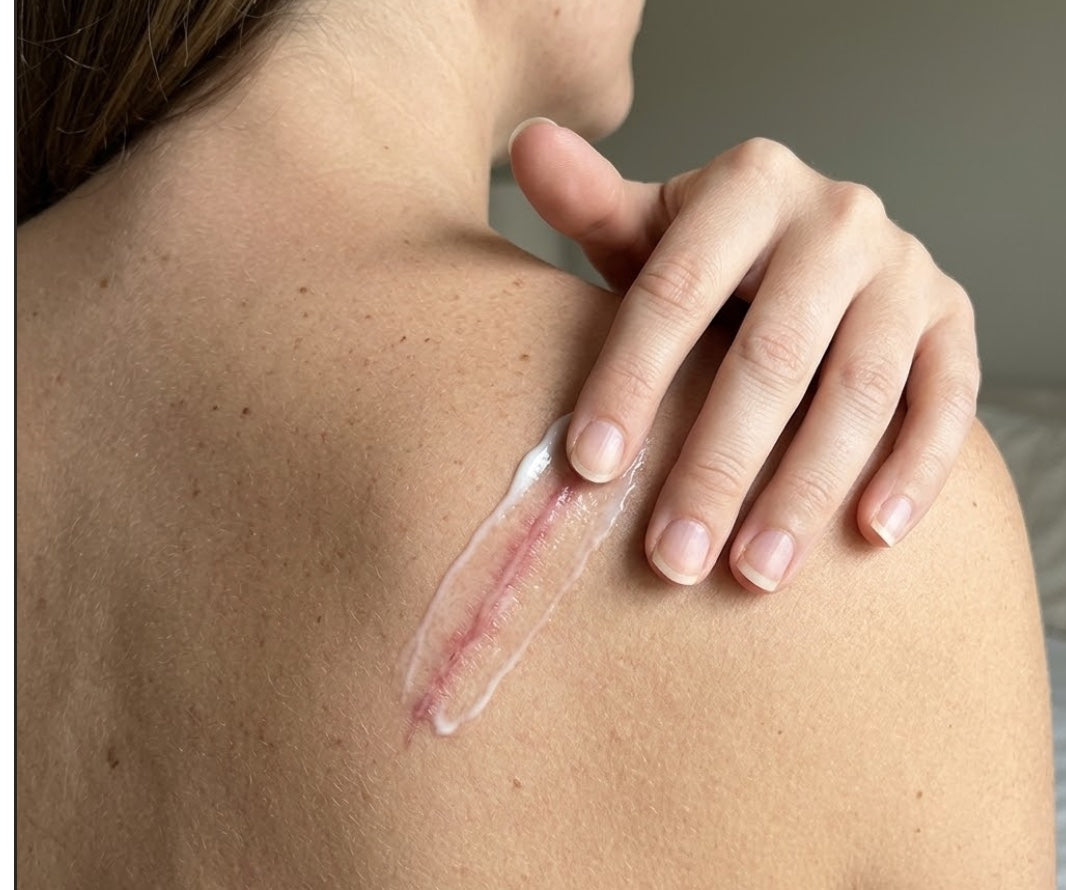
Old scars
Removing old scars: what actually helps.
What can flatten, fade, or soften a mature scar, from silicone to procedures, and what home care realistically cannot do.
Shop BioVelvet →Why old scars are hard to remove completely
If you've been searching how to remove old scars, you've probably already seen a lot of advice that sounds more certain than it really is. One product says it will fade scars fast. Another promises near-total removal. A third calls itself the best option for every scar type. Most of that skips over the part that actually matters: old scars are not all the same, and they do not all respond to the same treatment.
The first useful thing to know is this: old scars usually cannot be erased completely. But that does not mean nothing can change. Many scars can improve in ways that matter in real life. They may become flatter, softer, lighter, less tight, or simply less noticeable.
That improvement depends on a few things: the type of scar, how old it is, where it sits on the body, your skin tone, whether it is raised, flat, indented, or tight, and how much tension the area is under.
A scar on the cheek behaves differently from a scar on the shoulder. A flat dark mark after acne is different from a thick raised scar after surgery. An indented acne scar needs a different strategy from a keloid.
What people usually mean when they search how to remove old scars
Most people are not always asking for literal removal. They are usually after one of four different things.
| Goal | What it means |
|---|---|
| Fading | Making the scar less red, pink, or dark |
| Flattening | Reducing a raised scar |
| Softening | Making a scar feel less firm or tight |
| Removal | Making it disappear completely |
Those are not the same goal. And the treatment that helps one may do very little for another.
That matters because expectation-setting is half the battle with scar care. If your scar is mostly a color issue, the plan may focus on sun protection and pigment-safe treatment. If it is a texture issue, you may need silicone, microneedling, laser, or another procedure. If it is very old and structurally deep, home care may help only a little.
Living Collagen · 50+ Bio-Active Compounds · Aloe Vera · Dead Sea Minerals
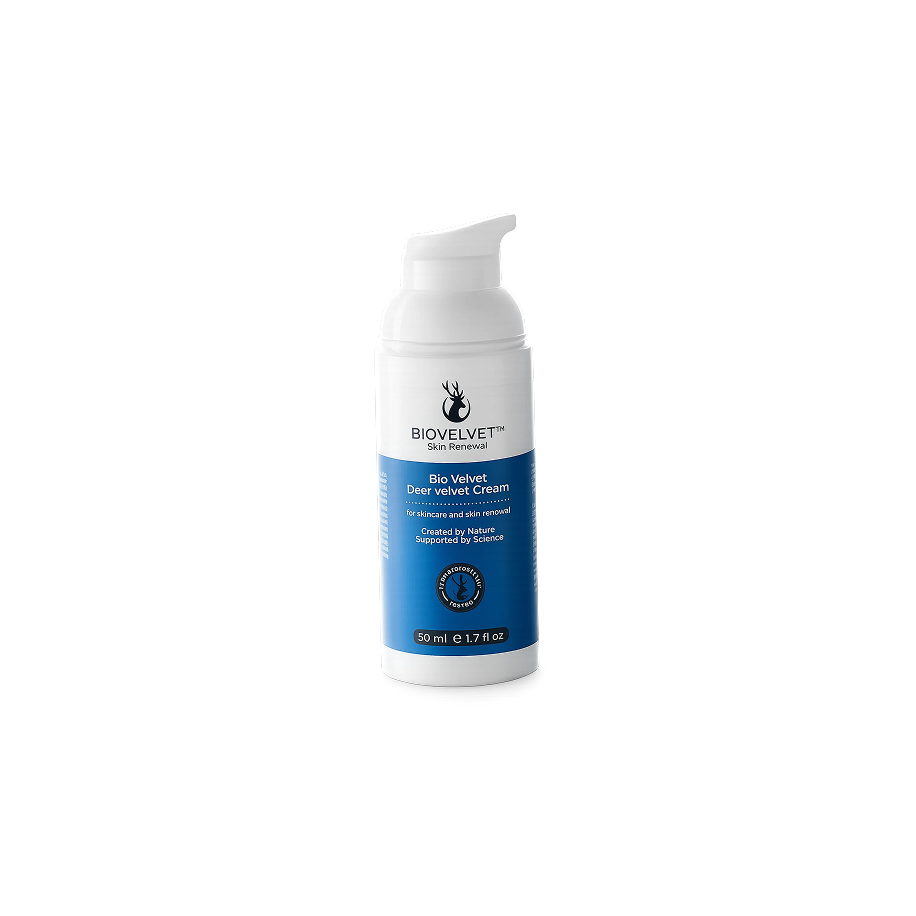
BioVelvet Recovery Cream
Petroleum-free recovery support for the fragile skin around a healing scar, backed by a 90-day money-back guarantee.
What kind of old scar do you have?
Before choosing a product or treatment, it helps to identify what kind of scar you are dealing with. Treatment choice follows scar type, not just scar age.
Here are the main categories.
- Flat discoloration: the skin feels mostly smooth, but the area is pink, red, brown, or darker than the surrounding skin. Sometimes this is true scar change. Sometimes it is more of a leftover mark after inflammation.
- Raised hypertrophic scars: these stay within the boundaries of the original injury but become thick, firm, and elevated.
- Keloids: raised scars that grow beyond the original wound edges. These often need specialist care.
- Atrophic or indented scars: sunken scars, often seen after acne, chickenpox, or some injuries.
- Contracture scars: scars that feel tight and may restrict movement, often after more significant burns or injuries.
Location matters too. Face scars, body scars, and scars on the legs can respond differently because skin thickness, blood flow, and tension vary by area. Legs, in particular, can be slower to heal and slower to remodel. Areas that move a lot or stay under tension can also scar more noticeably.
Raised scars vs indented scars
This is one of the most important distinctions.
Raised scars often respond better to silicone gel and sheets, steroid injections, and some laser treatments, with specialist review if they keep growing or stay very thick.
Indented scars need a different approach, because the issue is structural depth rather than excess scar tissue. They respond better to microneedling, subcision, fillers, certain lasers, and combination treatment plans.
In simple terms: if the scar sits above the skin, flattening approaches make more sense. If it sits below the skin, procedures that help rebuild or release the area are often more realistic.
Scar color vs scar texture
Another useful distinction is color versus texture.
A scar may look obvious because it is red or dark, even if the skin surface is fairly smooth. In that case, discoloration may be a big part of the problem.
Or the color may not be the main issue at all. The real concern may be that the scar is raised, pitted, shiny, firm, or tight.
These need different thinking. Redness or dark marks may improve with time, sun protection, and targeted treatment. Structural scar tissue usually needs longer-term remodeling or in-office procedures.
How to remove old scars at home: what is realistic
A calm answer to the home-removal question is this: home care can improve the appearance of an old scar, but it usually cannot remove an old scar permanently.
That does not make home care useless. It just gives it the right job.
At-home care is most helpful for:
- helping raised scars look flatter and softer
- reducing dryness and tightness
- protecting exposed scars from darkening in the sun
- supporting comfort while the skin continues its slow remodeling process
The home measures with the best support are:
- silicone gel for scars
- silicone sheets
- scar massage, where appropriate
- regular moisturizing
- daily SPF on exposed areas
What is not worth doing: harsh DIY routines that irritate the skin. Lemon juice, aggressive scrubbing, and concentrated essential oils can leave the area more inflamed and more visible. Irritated skin often looks darker, redder, and less even, which is the opposite of what most people want.
Silicone gel for scars and silicone sheets
If you want one at-home option with the best support behind it, silicone is usually the first place to start.
Silicone gel for scars and silicone sheets are widely used to help scars look:
- flatter
- softer
- smoother
- less noticeable over time
They are especially useful for raised scars, including many hypertrophic scars. They are less effective for deep indented scars, where the issue is beneath the surface.
Silicone is not an overnight fix. It usually needs consistent daily use for weeks to months. But compared with many scar creams that rely mostly on marketing, silicone has a much clearer role.
How to remove scars on legs naturally at home
People often search how to remove scars on legs naturally at home, but the realistic version of that advice is much simpler than most "natural scar removal" content makes it sound.
For old scars on the legs, focus on:
- gentle hydration
- silicone gel or sheets if the scar is raised
- daily sun protection if the area is exposed
- patience
Leg scars can be stubborn. The skin is often under friction from clothing, shaving, and movement. Blood flow can also be less forgiving than on the face. So home care should be steady and gentle, not aggressive.
Natural erasure is not a realistic promise. Visible improvement is.
Face scars at home
Searches for how to remove scars from face permanently are understandable, but permanent removal at home is unlikely.
At-home care for face scars can still help, especially when the goal is to improve appearance rather than fully erase the scar. Depending on scar type, that may include:
- silicone for raised facial scars
- simple moisturizing to reduce dryness and tightness
- SPF every day to prevent the scar from staying darker or redder longer
- avoiding harsh exfoliation on already sensitive skin
If the facial scar is indented, pitted, or sharply textured, home care alone usually has limits. That is where a dermatologist or qualified skin specialist often becomes the more realistic next step.
Does scar cream work on old scars
Yes, some scar creams can help old scars look better, but results depend heavily on the ingredients and the type of scar.
Many products sold as scar creams do very different things. Some are built around ingredients with a reasonable role in scar care. Others are basically moisturizers with scar language on the label.
That difference matters.
A general moisturizer may make the skin feel softer for a few hours. It may reduce dryness or tightness. But that is not the same as changing scar texture in a meaningful way.
A more focused scar product may help support flatter, softer, calmer-looking skin over time, especially if it includes silicone or is used as part of a consistent scar care routine.
Older scars also tend to respond more slowly than newer ones. If a scar has been there for months or years, any visible change usually takes weeks to months, not days.
Which ingredients are worth looking for
If you are trying to decide whether a scar cream is worth buying, look at the ingredient logic first.
Silicone is still the strongest topical option to look for when the goal is scar flattening and softening.
Other ingredients play more of a supporting role, especially when the skin feels dry, tight, or uncomfortable.
| Ingredient | Supporting role |
|---|---|
| Aloe vera | Soothes and calms the skin surface |
| Hyaluronic acid | Draws moisture into the skin |
| Vitamin E | Supports the barrier and helps reduce dryness |
| Barrier-supporting emollients | Keep the area moisturized and more comfortable |
These ingredients can improve the skin environment around a scar. They can support comfort and make the scar look less dry or stressed. But they are not the same as a procedure that changes deep scar structure.
Where recovery creams fit
Recovery creams sit in a useful middle ground. They are not a substitute for silicone when silicone is the best fit, and they do not erase deep or complex scars. But they can still be helpful when a scar feels:
- dry
- tight
- rough
- uncomfortable
- visibly stressed or fragile
That matters more than it may sound. Skin that is dry and irritated often makes a scar look more obvious.
A recovery cream built around ingredients that support the skin's own repair environment may help improve comfort and the visible appearance of healing skin over time. BioVelvet Recovery Cream, for example, combines deer antler velvet with aloe vera, hyaluronic acid, vitamin E, and other supportive ingredients to help skin recover rather than just sit under a layer of moisture. New Zealand deer antler velvet extract is the hero ingredient in that formula, included for its composition rather than any standalone healing claim. It is best thought of as a support product for comfort, barrier care, and visible skin recovery, not as a way to erase a deep scar.
If you want a related breakdown of realistic options, this guide on how to get rid of old scars is a useful next read.
BioVelvet vs silicone gel at a glance
BioVelvet
- Supports the skin around the scar
- Daily hydration and comfort
- Pairs with silicone
- Petroleum-free and lanolin-free
Silicone gel
- Targets the scar tissue itself
- Evidence for raised scars
- Can feel tacky all day
- Use the two together
Bottom line: silicone works on the scar tissue; BioVelvet supports the recovering skin around it. They do more together than apart.
When home care is not enough: medical treatments that can help old scars
There is a point where over-the-counter care reaches its ceiling. That point usually comes when a scar is:
- clearly raised and not improving
- indented or pitted
- tight
- function-limiting
- cosmetically significant enough that texture change matters more than simple fading
At that stage, a dermatologist or plastic surgeon is often the more realistic next step.
Common in-office options include:
| Treatment | What it targets |
|---|---|
| Laser treatment | Redness, thickness, and texture |
| Microneedling | Shallow textural and acne scars |
| Chemical peels | Surface tone and texture |
| Steroid injections | Raised scars and keloids |
| Fillers | Selected depressed scars |
| Subcision | Tethered, indented scars |
| Scar revision surgery | Repositioning wide, tight, or poorly placed scars |
The right option depends on the scar type.
Best options for raised old scars
For raised scars, especially hypertrophic scars and keloids, the better-supported options often include:
- silicone as a first at-home step
- steroid injections to help reduce thickness
- laser treatment in selected cases
- specialist review for keloids or scars that keep growing
Raised scars are one of the clearest examples of why scar type matters. A thick raised scar usually will not respond much to generic moisturizing alone. It often needs pressure, silicone, injections, or a specialist-led combination plan.
Keloids in particular are not a good DIY project. They can be persistent and may return after treatment, so expert guidance matters.
Best options for indented or acne-type scars
Indented scars, including many acne scars, are usually more about texture than surface dryness.
The common options here include:
- microneedling
- subcision
- laser treatment
- fillers
- combination treatment plans
Microneedling may help improve the look of shallow textural scars over time. Subcision is often used when a scar is tethered downward beneath the skin. Fillers can sometimes help lift certain depressed scars. Lasers may help with resurfacing, depending on skin type and scar pattern.
For many indented scars, combination treatment works better than a single product or a single session.
When scar revision surgery makes sense
Scar revision surgery is usually not the first step for every old scar.
It tends to make more sense when a scar is:
- very tight
- restricting movement
- poorly positioned
- wide or cosmetically significant in a way that other options are unlikely to improve enough
This is often more relevant for surgical scars, injury scars, or contracture scars than for mild cosmetic concerns.
Surgery can improve the way a scar sits or behaves, but it still replaces one scar with another healing process. So it is usually reserved for cases where the likely benefit clearly outweighs that tradeoff.
How long does it take to improve an old scar?
This is one of the most important expectation questions.
In most cases, visible change takes weeks to months. Older scars usually improve more slowly than fresh ones because much of the early healing window has already passed.
A few general timelines help:
- moisturizers and recovery creams may improve comfort and dryness fairly quickly
- silicone often needs consistent use over several weeks to months
- in-office treatments usually require multiple sessions and gradual reassessment
- deeper structural scars often improve in stages, not all at once
Trying many products at once usually makes it harder to tell what is helping. Consistency is usually more useful than product-hopping.
And the goal should stay realistic: scar care usually improves a scar's appearance. It does not make it disappear.
Signs a treatment is helping
Rather than looking for total removal, watch for more practical signs:
- the scar looks flatter
- it feels softer
- it is less tight
- redness has settled
- darkening is less obvious
- makeup or sunscreen sits more evenly on it
- it is easier to ignore in daily life
Those are real improvements, even if the scar is still there.
When to see a doctor about an old scar
Some scars need more than home care.
You should seek medical advice if a scar is:
- painful
- itchy in a persistent or worsening way
- growing
- restricting movement
- repeatedly breaking down
- causing significant distress
It is also worth getting a mark checked if it may not be a simple scar at all. If an area changes shape, changes color, bleeds, crusts repeatedly, or behaves in a way that seems unusual, it should be assessed rather than self-treated indefinitely.
The calm summary is this: start by matching the treatment to the scar type. Use home care where home care makes sense. Move to specialist treatment when texture, depth, tightness, or persistence suggest that over-the-counter care has reached its limit.
A simple decision guide
A useful next-step framework looks like this.
| If your scar is... | Next step |
|---|---|
| Mild, mostly raised or visible | Start with silicone and daily SPF on exposed skin |
| Dry, tight, or uncomfortable | Consider a recovery cream for barrier support and comfort |
| Raised, indented, resistant, or emotionally significant | Book a dermatology consult |
| Painful, growing, or restricting movement | Seek medical review rather than more home remedies |
That is usually a better approach than chasing complete removal from every product label.
Ready to try?
BioVelvet Recovery Cream
Built for skin that is fragile or still healing around a scar. Deer antler velvet paired with hyaluronic acid, aloe vera, and vitamin E - recovery support that works alongside your scar routine.
FAQ
Can old scars really be removed completely?
Usually not completely. Old scars can often become less noticeable, flatter, softer, or lighter, but full erasure is uncommon. The more realistic goal is improvement, not disappearance.
Does silicone gel for scars work on old scars?
It can help, especially for raised scars. Silicone gel for scars and silicone sheets are among the best-supported at-home options for helping scars look flatter, softer, and less noticeable over time. Results are usually gradual.
What is the best treatment for old scars on the face?
It depends on the scar type. Raised facial scars may respond to silicone and sometimes in-office treatment. Indented facial scars often respond better to microneedling, laser, subcision, or fillers. Daily SPF matters for both.
Is permanent scar removal at home actually possible?
Usually no. Home care can improve the appearance of many old scars, but permanent removal at home is unlikely. At-home care is best for support, comfort, fading, and mild visible improvement.
How long does it take for scar cream to work on old scars?
That depends on the formula and the scar. Some products may improve dryness and comfort fairly quickly, but visible scar change usually takes weeks to months. Older scars generally need more patience and more consistent use than newer ones.