Skin barrier support
Skin barrier repair, matched to your skin.
The right barrier cream depends on whether your skin is dry, reactive, or recovering from a flare. See which fits, and when a cream reaches its limit.
Shop BioVelvet →What a Skin Barrier Repair Cream Actually Does
The barrier-repair category has become crowded fast. Nearly every cream now claims to strengthen, restore, or repair the skin barrier, which makes it harder to tell the difference between a standard moisturizer and a product built for skin that is actually struggling.
In simple terms, your skin barrier is the outer layer of your skin. Its job is basic but important: keep moisture in, and keep irritants out. When it is working well, skin feels comfortable and resilient. When it is not, skin starts reacting to things it used to tolerate just fine.
A regular moisturizer can help soften skin and reduce dryness. A true skin barrier repair cream for face or body use usually goes a step further. It is designed to support a weakened barrier with the kind of ingredients that help reduce water loss, calm irritation, and create better conditions for recovery.
If you want a more focused brand-specific explainer on this topic, this guide is a useful next step: https://biovelvet.com/blogs/biovelvet/skin-barrier-repair.
What are the signs your skin barrier is damaged?
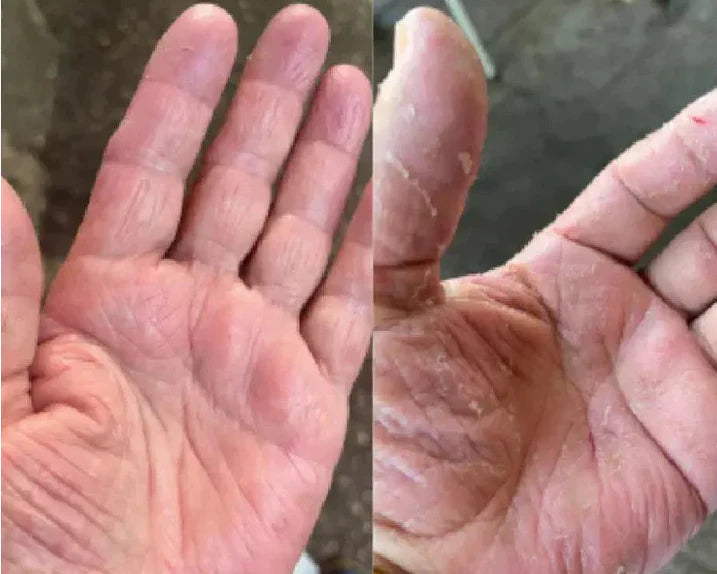
This is where many people start searching for a skin barrier repair cream in the first place. Common signs include:
- tightness, especially after washing
- stinging when you apply products that never used to bother you
- redness or flushing
- flaking or rough patches
- sudden sensitivity
- skin that feels both oily and dehydrated at the same time
- a rough, uneven texture that does not improve with more exfoliation
That last point matters. When the barrier is damaged, the answer is usually not another active. It is often less.
Why the skin barrier gets disrupted in the first place
Most damaged barriers are not caused by one dramatic event. Usually it is a stack of smaller things.
Common triggers include:
- over-exfoliation
- using retinoids too often or too aggressively
- harsh cleansers that strip the skin
- cold weather and indoor heating
- very hot water
- chronic conditions such as eczema, psoriasis, or rosacea
- post-procedure stress after peels, laser treatments, or microneedling
Sometimes the barrier is simply overworked. Too many products, too many steps, too much switching.
Living Collagen · 50+ Bio-Active Compounds · Aloe Vera · Dead Sea Minerals
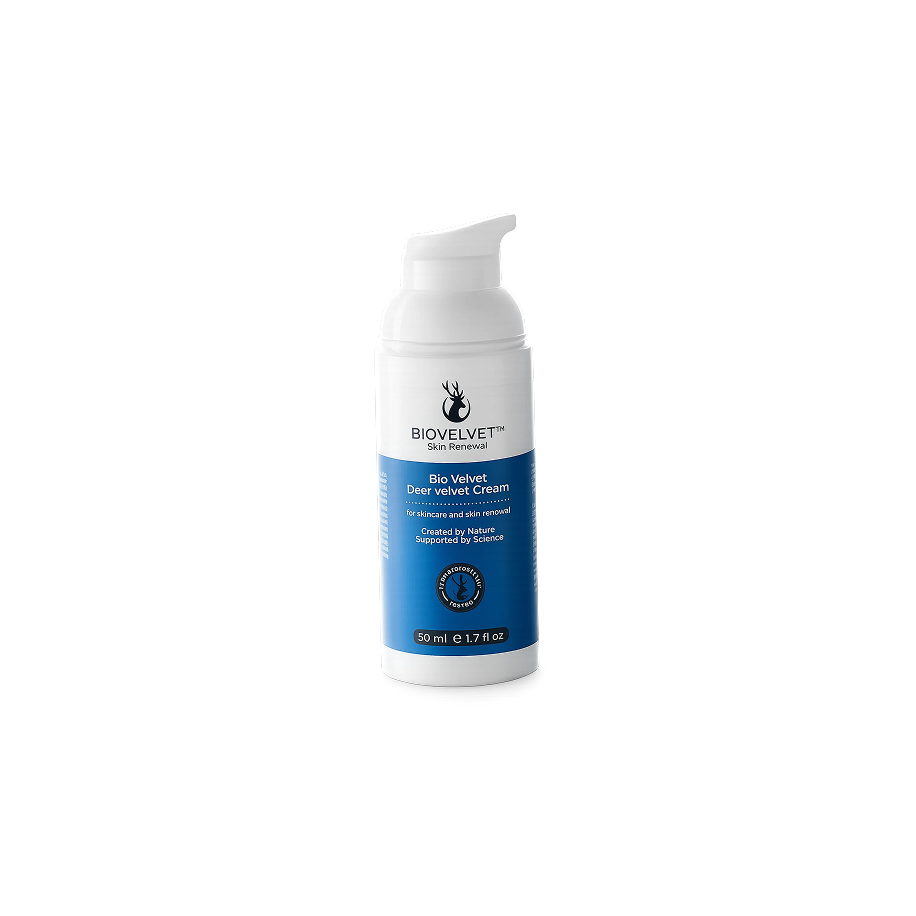
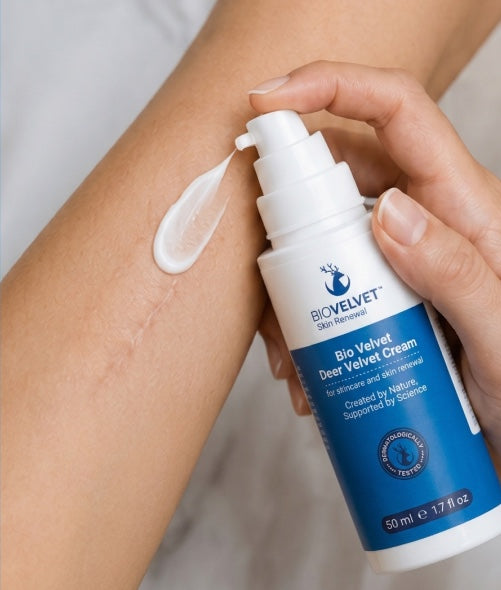
BioVelvet Recovery Cream
Recovery-focused support for a compromised skin barrier. 90-day money-back guarantee.
How to Choose the Best Skin Barrier Repair Cream for Your Skin Type and Situation
The best skin barrier repair cream is not the most expensive one, and it is not automatically the thickest one either. The right choice depends on what your skin is dealing with right now.
That is also why searches like best barrier repair cream for face, skin barrier repair cream for oily skin, and skin barrier repair cream for face do not have one universal answer. A cream that feels perfect on mature, cracked skin may feel far too heavy on acne-prone skin. A lightweight gel-cream may be enough for maintenance, but not enough for skin that is actively irritated.
A useful way to think about it is this:
- Maintenance use: skin is mostly calm, but a little dry, sensitive, or prone to disruption
- Recovery use: skin is flaring, over-exfoliated, post-procedure, or visibly compromised and needs more support
For dry, cracked, or mature skin
Richer creams and balms can be helpful here. Skin that is very dry or thinning with age often benefits from formulas with shea butter, ceramides, petrolatum, or other barrier-sealing ingredients that reduce water loss.
A heavier texture is not automatically a problem. On dry skin, it can be exactly what stops that constant exposed feeling. The question is whether the formula helps skin stay comfortable for hours, not whether it feels light for five minutes.
For oily or acne-prone skin
Oily skin can still have a damaged barrier. In fact, over-cleansing and strong acne treatments are common reasons it happens.
If your skin feels greasy and tight at the same time, a lighter barrier cream may help more than another drying treatment. Look for cream-gel or lotion textures with humectants and barrier-support ingredients, rather than heavy fragrance or harsh spot treatments layered on top of each other.
For sensitive, reactive, or redness-prone skin
This is where simpler is usually better. Short ingredient lists, fragrance-free formulas, and patch testing matter more than trend-driven actives.
If skin is stinging, flushing, or suddenly reacting to everything, it often makes sense to pause exfoliating acids, strong vitamin C formulas, retinoids, and heavily fragranced products until the skin calms down.
For eczema-prone, post-procedure, or visibly compromised skin
Some skin needs more than basic hydration. Eczema-prone skin, post-laser skin, and skin that is cracked, inflamed, or slow to recover may benefit from a recovery-focused cream rather than a standard daily moisturizer.
This is where products like BioVelvet Recovery Cream fit best: as support for skin that needs help settling and recovering, not just softening. That said, topical care has limits. A cream can support recovery. It cannot replace medical treatment for severe eczema, psoriasis, infection, or significant burns.
Ingredients That Matter Most in a Skin Barrier Repair Cream
You do not need a 40-ingredient shopping list. What helps most is understanding ingredient roles.
A good skin barrier repair cream usually combines a few types of support:
- humectants to draw water into the skin
- barrier lipids and richer emollients to reduce moisture loss
- soothing ingredients to calm irritation
- recovery-support ingredients to help compromised skin settle and repair more effectively
Not every effective barrier cream uses the exact same strategy. Some lead with ceramides. Some rely more on petrolatum or shea butter. Some are built more specifically for recovery.
Ceramides, fatty ingredients, and barrier support basics
Ceramides help reinforce the skin barrier and reduce moisture loss.
Shea butter helps soften dry skin and seal in moisture, which is especially useful when skin feels cracked or exposed.
Fatty ingredients more broadly help skin feel less raw and less vulnerable to the environment. They may not be glamorous, but they do a lot of practical work.
Hyaluronic acid, aloe vera, and other comfort-support ingredients
Hyaluronic acid draws moisture into the skin and helps hold it there.
Aloe vera helps calm irritated skin and supports surface comfort while the skin recovers.
Vitamin E helps protect the skin barrier and supports softness and elasticity.
These ingredients do not all do the same job. Together, though, they create a better environment for skin to recover.
Where deer antler velvet fits into the barrier-repair conversation
Deer antler velvet is different from the usual barrier-repair ingredient story. It is used topically here, not as an oral supplement.
That distinction matters because many people first hear about deer antler velvet in a supplement context. Topical use is a separate conversation. In skincare, it is better understood as a recovery-support ingredient than as a hydrator. New Zealand deer antler velvet extract is BioVelvet's hero ingredient, used specifically in its Recovery Cream formula.
BioVelvet Recovery Cream is built around deer antler velvet, along with hyaluronic acid, aloe vera, vitamin E, and allantoin. The formula was developed by Dr. Doron Zur, a veterinary scientist with 20+ years working with deer antler velvet. The idea is not simply to moisturize skin, but to support the skin's own recovery process more effectively.
Ingredients and product types to pause when your barrier is struggling
When skin is actively irritated, it often helps to temporarily reduce or pause:
- exfoliating acids
- retinoids
- strong acne treatments like benzoyl peroxide if they are stinging
- fragranced products
- scrubs
- overcomplicated routines with multiple active steps
The goal is to lower the workload on your skin until it stops reacting.
Comparison Table: Which Skin Barrier Repair Cream Is Best for Which Use Case?
There is no single best skin barrier repair cream for everyone. The better question is: best for what?
The table below is organized by use case, not by overall ranking.
| Product | Best For | Texture | Key Ingredients | Why Someone Might Choose It | What to Know Before Buying |
|---|---|---|---|---|---|
| CeraVe Moisturizing Cream | Daily maintenance for dry or sensitive skin | Rich cream | Ceramides, hyaluronic acid | Good everyday barrier support, easy to find, works well for face and body | More of a maintenance cream than a recovery-focused formula |
| La Roche-Posay Cicaplast Baume B5 | Very dry, irritated, or post-overworked skin | Balm-cream | Panthenol, shea butter | Helpful when skin feels raw, tight, or over-exfoliated | Can feel heavy on very oily skin |
| BioVelvet Recovery Cream | Recovery-focused support for compromised, reactive, or visibly stressed skin | Rich recovery cream | Deer antler velvet, hyaluronic acid, aloe vera, vitamin E, allantoin | Built for skin that needs more than moisture alone, formulated around deer antler velvet for recovery-focused support | Higher price point than basic barrier creams; best matched to recovery use rather than casual daily moisturizing |
| Avène Tolérance Control Soothing Skin Recovery Cream | Oily-sensitive or reactive skin needing a lighter feel | Light cream | Soothing minimal-ingredient formula | Useful for people who want barrier support without a heavy finish | May not feel rich enough for severely dry or cracked areas |
| Vanicream Moisturizing Cream | Budget-friendly basic barrier care | Thick cream | Simple emollient base | Often well tolerated by sensitive skin and widely recommended for stripped-back routines | Basic and practical, but not built around recovery-specific ingredients |
How to read the table without overbuying
Most people do not need three barrier creams at once. Choose based on your current skin state.
- If your skin is mostly stable and just dry, a maintenance cream is often enough.
- If your skin is reactive, post-procedure, or visibly compromised, a recovery-focused option makes more sense.
- If your skin is oily, lighter texture matters.
- If your skin is cracked or mature, richer texture matters more.
Try to match the product to the problem you actually have, not the one the marketing implies you should have.
BioVelvet vs a basic barrier moisturizer
BioVelvet
- Recovery-support ingredients for compromised skin
- Supports the barrier as it repairs, not just surface hydration
- Formulated around deer antler velvet extract
- Petroleum-free and lanolin-free
Basic moisturizer
- Good for daily maintenance on stable skin
- Not built for actively compromised or flaring skin
- Fewer recovery-support ingredients
- Widely available and affordable
Bottom line: a basic moisturizer is enough for stable, mildly dry skin. BioVelvet is built for skin that needs more support to recover.
How to Use a Skin Barrier Repair Cream and What Results to Realistically Expect
A barrier cream works best when the rest of the routine stops fighting it.
A simple barrier-repair routine for morning and night
Morning
- Use a gentle cleanser, or rinse with lukewarm water if cleansing makes skin feel worse.
- Apply your skin barrier repair cream.
- Use SPF as the final step.
Night
- Cleanse gently.
- Apply your barrier cream.
- Pause or reduce actives if your skin is stinging, flaking, or unusually reactive.
If you use retinoids, exfoliants, or prescription products, a recovery cream usually fits on off-nights, after irritation, or during the recovery window your clinician has recommended after a procedure.
How long does skin barrier repair take?
For mild irritation, skin may start to feel more comfortable within a few days.
For more compromised skin, barrier recovery often takes two to six weeks of consistent, gentle care.
That is the realistic timeline. Some comfort can happen quickly. Stronger barrier recovery usually does not happen overnight.
What a skin barrier repair cream cannot do
A skin barrier repair cream cannot:
- replace prescribed treatment for severe eczema or psoriasis
- treat an infection
- heal deep burns
- stop a worsening skin disease on its own
- erase deep scars overnight
This is where many products overpromise. Good creams have a role. They also have a ceiling.
When to see a doctor instead of trying another cream
Get medical advice if you have:
- oozing skin
- signs of infection
- severe pain
- a rapidly spreading rash
- deep cracking that will not close
- symptoms that keep worsening despite gentle care
- severe flares of eczema, psoriasis, or rosacea
At that point, trying another over-the-counter cream is usually not the real next step.
Ready to try?
BioVelvet Recovery Cream
Built around deer antler velvet extract, paired with hyaluronic acid, aloe vera, vitamin E, and allantoin, for skin that needs more support to recover its barrier. Petroleum-free and lanolin-free.
FAQ
What is the best skin barrier repair cream for face use?
The best skin barrier repair cream for face use depends on what your skin is dealing with. For daily maintenance, a ceramide-based cream may be enough. For reactive or visibly compromised skin, a recovery-focused cream may be a better fit. The better question is not "best overall," but "best for your current skin state."
How long does it take for a damaged skin barrier to heal?
Mild barrier disruption may feel better within a few days. More damaged or reactive skin often needs two to six weeks of consistent, gentle care. If skin keeps worsening, or becomes painful, cracked, or infected, it is time for medical review.
Can oily skin use a skin barrier repair cream without breaking out?
Yes. Oily skin can still have a damaged barrier. The key is choosing a lighter cream and avoiding the cycle of stripping the skin, then trying to fix the irritation with more harsh products. A well-chosen barrier cream can help oily skin feel calmer without feeling smothered.
What ingredients should I look for in a skin barrier repair cream?
Look for a mix of barrier-support and comfort-support ingredients such as ceramides, hyaluronic acid, aloe vera, and vitamin E. If your skin is more compromised than simply dry, recovery-support ingredients can also matter.
Can a skin barrier repair cream help eczema-prone or reactive skin?
It can help support comfort and recovery, especially during maintenance or quieter periods between flares. It cannot replace prescribed treatment for severe eczema or other worsening skin conditions, but it can play a useful support role in a simple, gentle routine.
Should I stop retinol or exfoliating acids while repairing my skin barrier?
If your skin is stinging, flaking, unusually red, or suddenly reactive, it usually makes sense to pause retinol and exfoliating acids for a while. Let the barrier settle first, then reintroduce actives slowly rather than pushing through irritation.