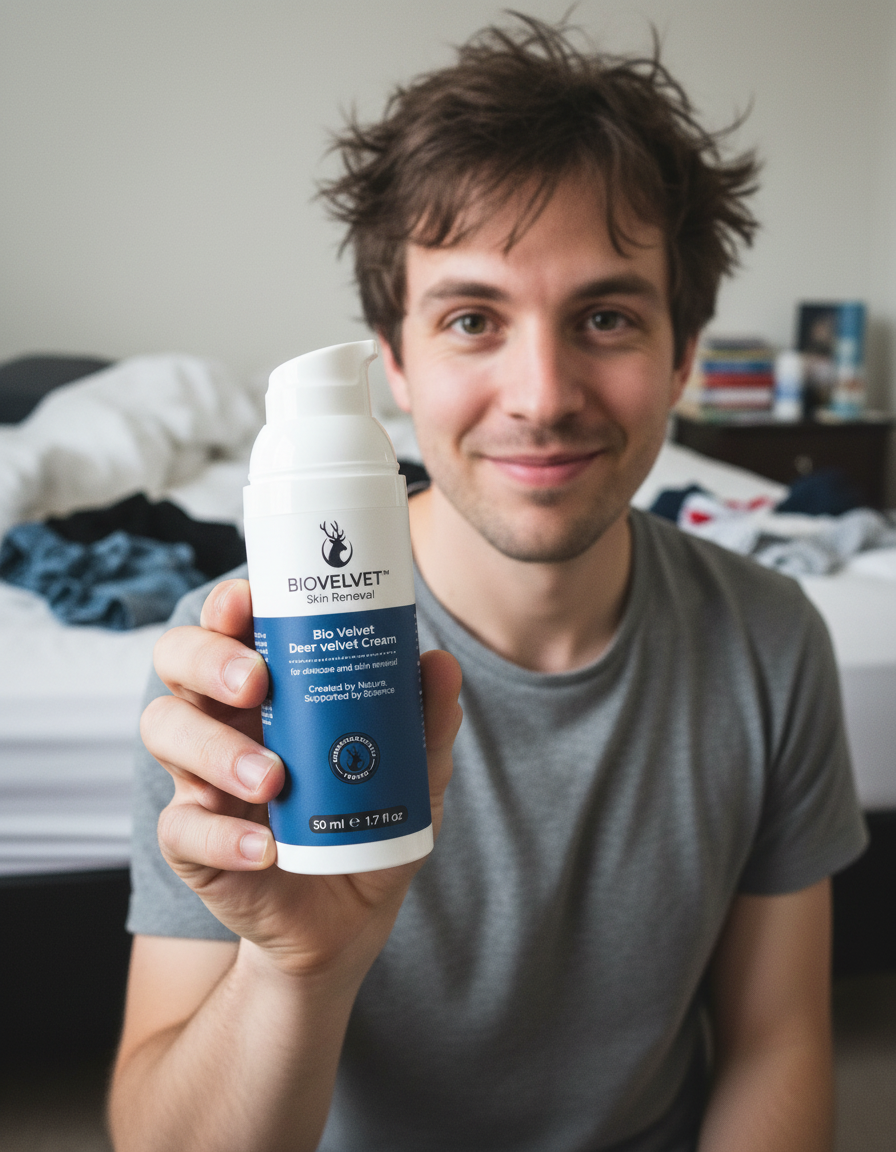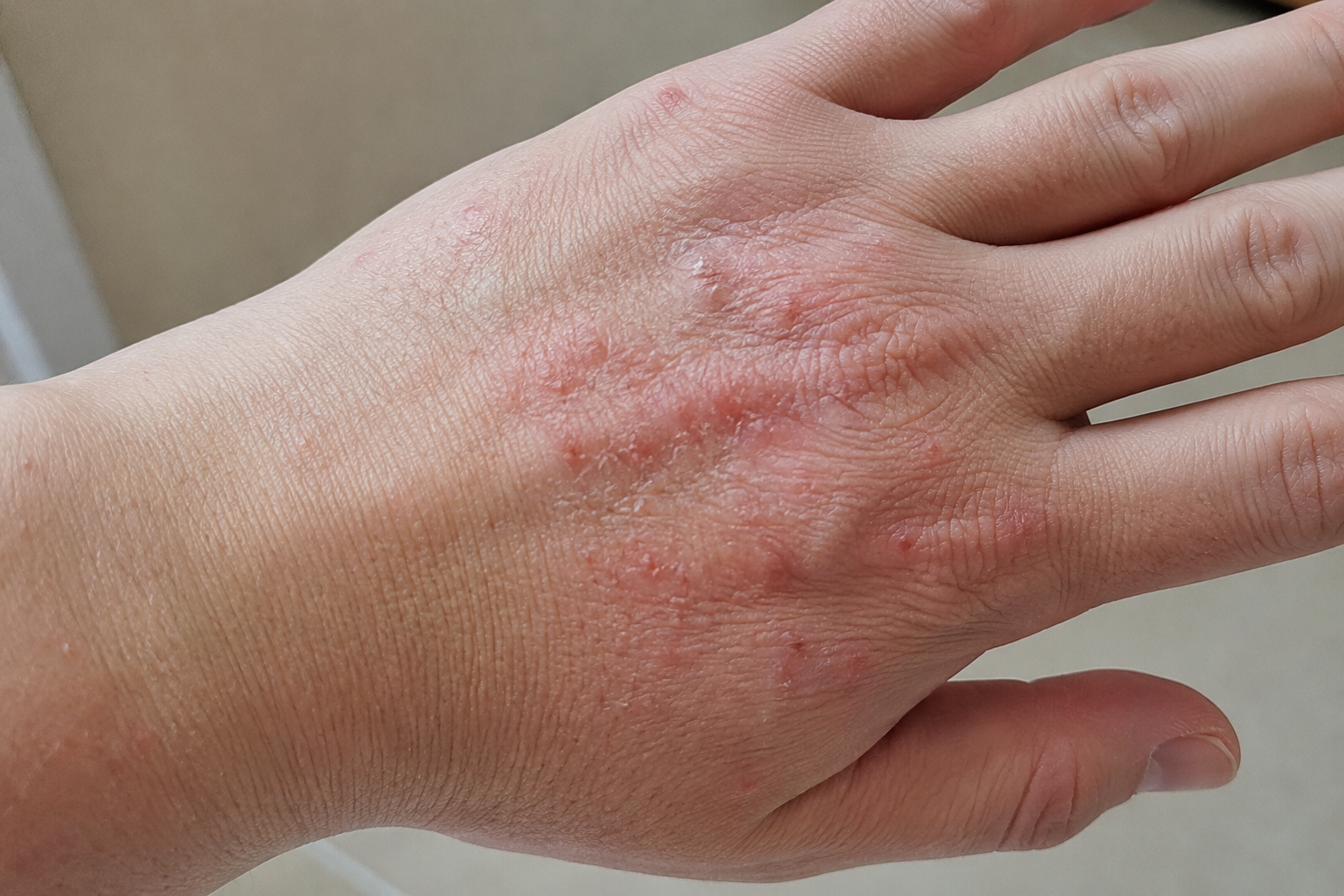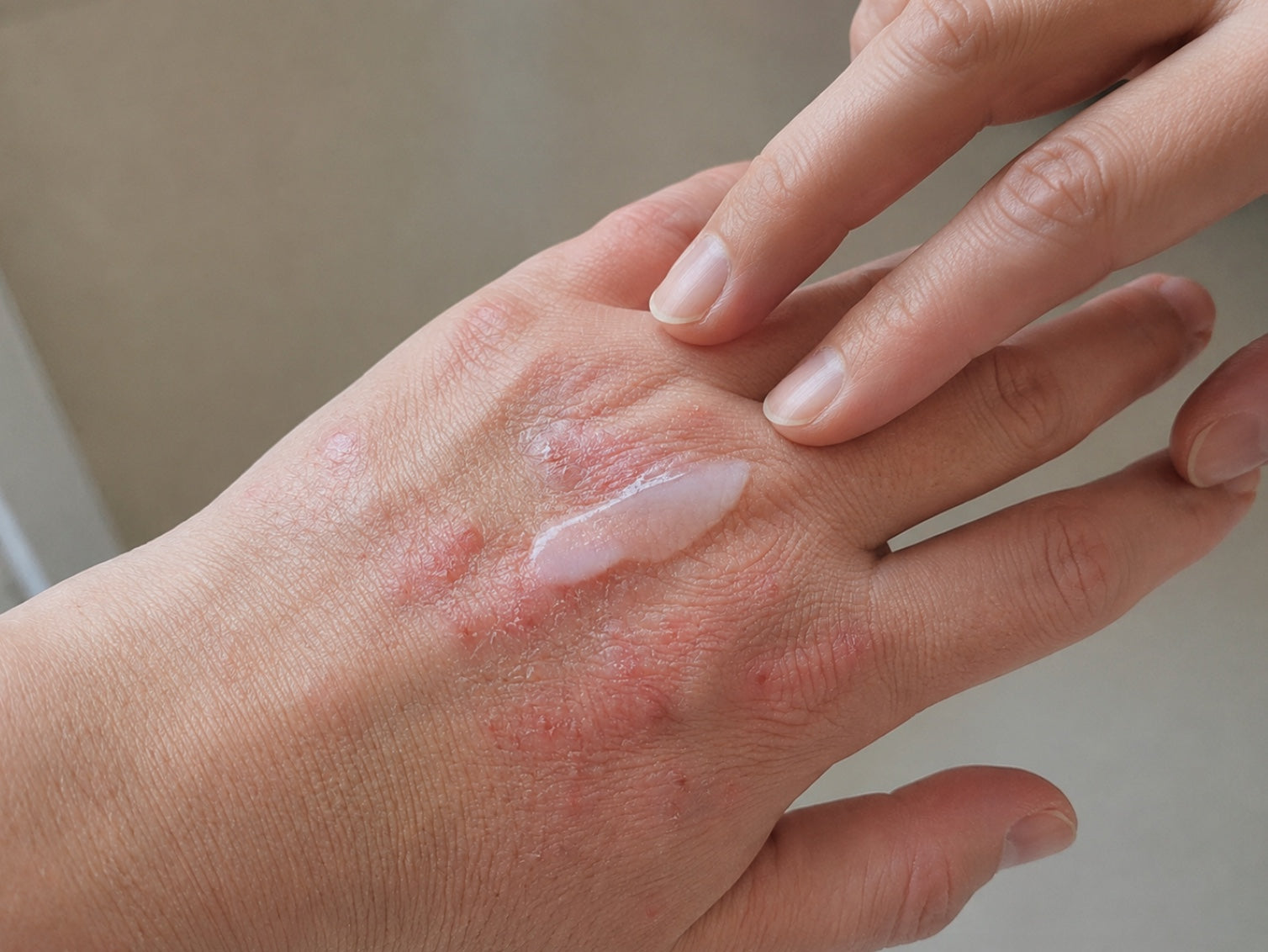
We compared the anti-itch aisle the way a careful shopper would: by reading the active ingredient panel on every tube, looking at format and size, checking what each product is genuinely built for, and asking where it fits in a real routine. The category looks repetitive from the shelf. Once you read the labels, it splits into very different jobs.
"Itchy skin" is not one problem. It can be a dryness problem, an inflammation problem, an allergic reaction, a bug bite, a poison ivy rash, or the awkward in-between stage when skin is healing and still feels fragile. The best cream depends on which of those is actually happening. That is why one tube cannot quietly cover every case, and why we are not crowning a single overall winner.
This guide walks through how to think about the category, which ingredients help in which situations, when hydrocortisone makes sense, and which cream fits in each common scenario. Skip to the comparison table or the cream-by-cream list if you already know the type of itch you are trying to calm.
Living Collagen · 50+ Bio-Active Compounds · Aloe Vera · Dead Sea Minerals
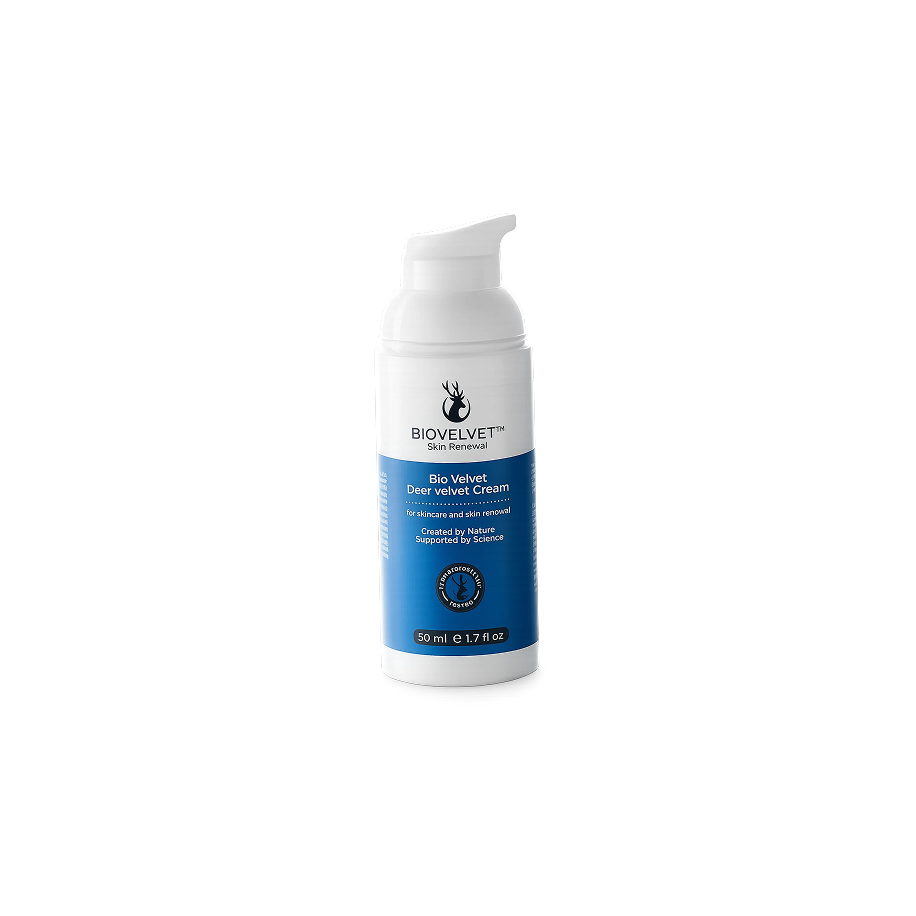
BioVelvet Recovery Cream
Petroleum-free barrier support for dry, fragile, or healing skin. 90-day money-back guarantee.
Why itchy skin happens in the first place
Itchy skin is one of those symptoms that sounds simple until you try to treat it. The problem is that itching can come from very different causes: dryness, eczema, allergy, irritation, heat, bug bites, psoriasis, or skin that is healing after a burn or procedure.
That matters, because the best cream for itchy skin depends on why the skin is itching, not just how strong the itch feels. Dry, tight skin usually needs moisture and barrier support. A mild allergic rash may need short-term anti-inflammatory help. Healing skin often needs a gentle recovery cream that protects the barrier while it rebuilds.
This is also where many people get stuck. They keep trying product after product, hoping one will finally calm the itch. Sometimes over-the-counter care does help. Sometimes it does not, because the problem needs a proper diagnosis rather than another cream.
Common causes behind itchy skin
- Dry skin: Often feels tight, rough, or flaky. Common in winter, after hot showers, or with age.
- Eczema: Usually comes with itch, redness, and recurring flares. Scratching often makes it worse.
- Contact dermatitis: Skin reacts to something it touched, like fragrance, detergent, fabric, or skincare.
- Allergic rash: Can appear suddenly and may look red, raised, or swollen.
- Psoriasis: Often shows up as thicker, scaly patches rather than simple dryness.
- Minor burns: Healing skin often itches as the surface recovers.
- Insect bites: Usually more localised, with a clear itchy bump or cluster.
- Poison ivy, oak, or sumac: A delayed allergic reaction that can ooze, blister, and stay itchy for days.
- Over-washed or over-exfoliated skin: Too much cleansing, scrubbing, or active skincare can leave the barrier irritated and reactive.
When the same symptom means different things
- Itch with dryness and tightness often points to a barrier problem.
- Itch with redness may suggest irritation or inflammation.
- Itch with scaling can show up with eczema, psoriasis, or very dry skin.
- Itch with swelling or blistering may signal an allergic reaction or something more serious.
- Itch with oozing can mean the skin barrier is badly damaged or possibly infected.
- Itch with pain needs more caution. Painful skin is not just dry skin.
That is why one cream will not fit every situation, and why the comparison below sorts products by the kind of itch they are actually built for.
The anti-itch creams we compared, side by side
We pulled this from the manufacturer pages of each brand. Sizes and prices are listed where the brand publishes them; some brands route pricing through retailer widgets rather than posting a direct number. Active ingredient percentages are taken from each product's Drug Facts panel where applicable. Where a product is not technically a Drug Facts product, the formula approach is described instead.
| Product | Active or formula approach | Format and size | Best for |
|---|---|---|---|
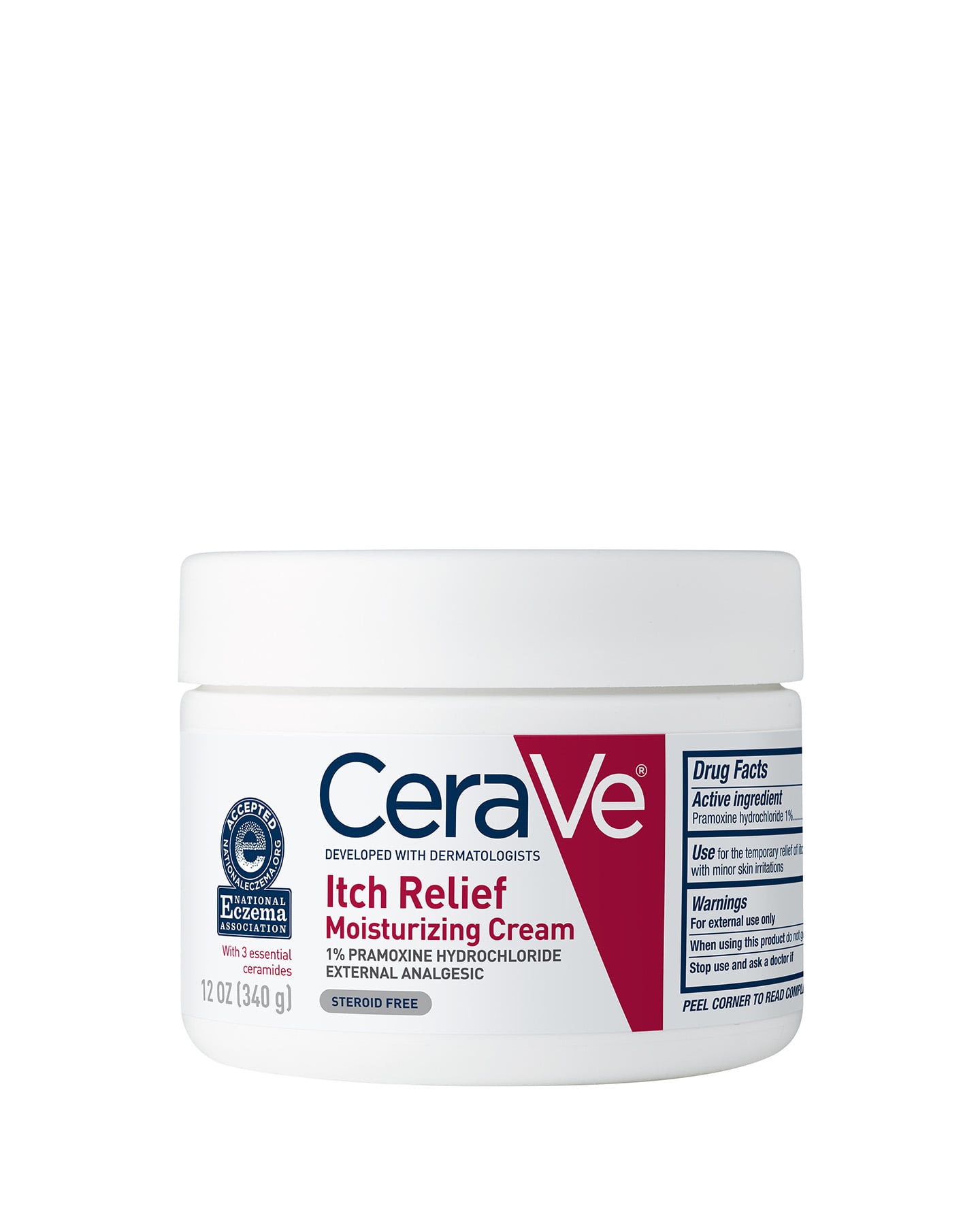 CeraVe Itch Relief Moisturizing Cream CeraVe Itch Relief Moisturizing Cream
|
Pramoxine HCl 1% (steroid-free) | Cream, common 8 oz size, $24.99 | Daily steroid-free itch relief with moisture |
|
BioVelvet Recovery Cream
|
Deer antler velvet with hyaluronic acid, aloe vera, vitamin E, and shea butter (recovery, not Drug Facts) | Cream, ~50 ml, $64.90 / $54.87 subscribe | Fragile, dry, or healing skin that needs barrier support more than another active |
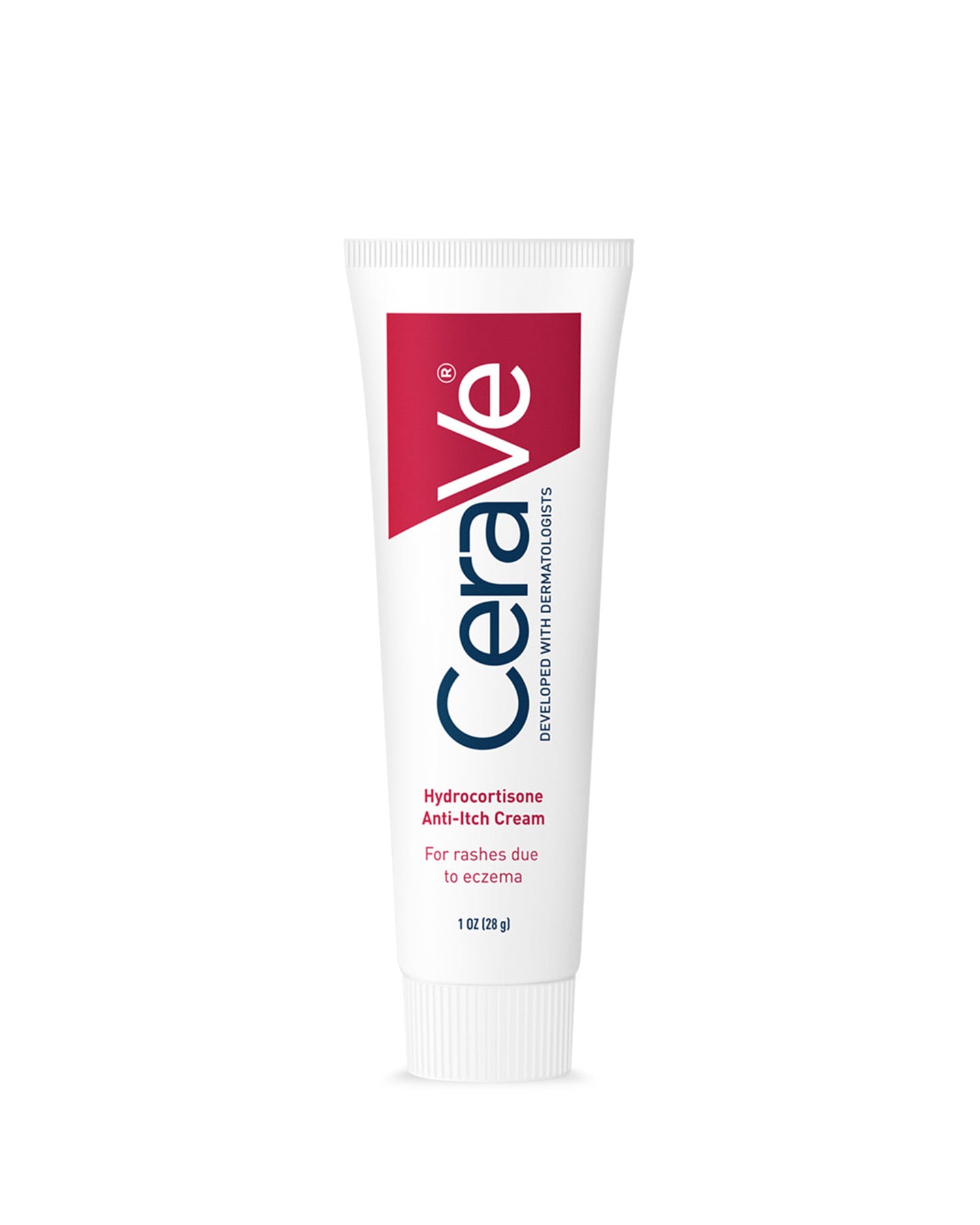 CeraVe Hydrocortisone Anti-Itch Cream CeraVe Hydrocortisone Anti-Itch Cream
|
Hydrocortisone 1% (steroid) | Cream, ~1 oz tube, $9.99 | Short-term help on an inflamed eczema or rash patch |
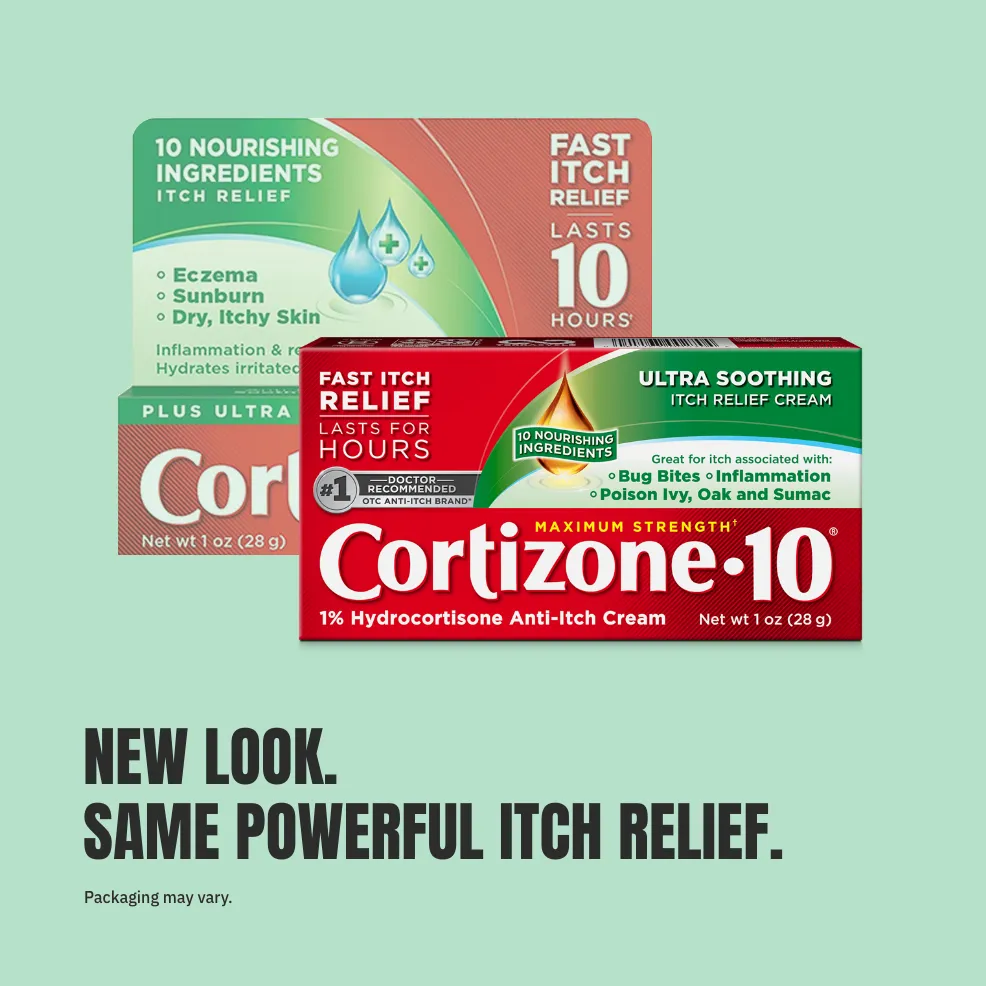 Cortizone 10 Plus Maximum Strength Ultra Moisturizing Crème Cortizone 10 Plus Maximum Strength Ultra Moisturizing Crème
|
Hydrocortisone 1% with 10 moisturizers including aloe | Cream, 1 oz and 2 oz, $7.97-$10.99 (retail) | Short-term flare relief when you also want moisture in the same step |
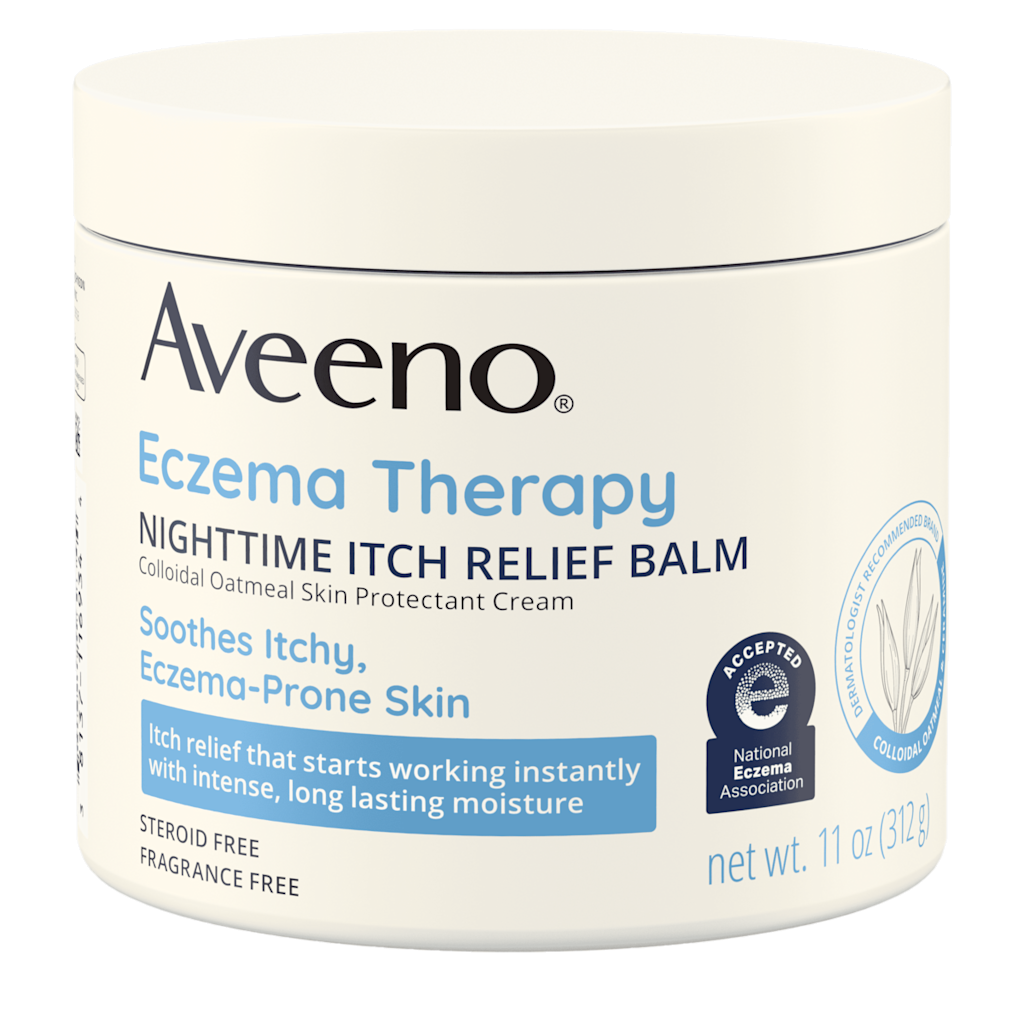 Aveeno Eczema Therapy Nighttime Itch Relief Balm Aveeno Eczema Therapy Nighttime Itch Relief Balm
|
Colloidal oatmeal 1% with ceramide | Balm, 11 oz, $23.99-$25.49 (retail) | Nighttime eczema itch and very dry, irritated patches |
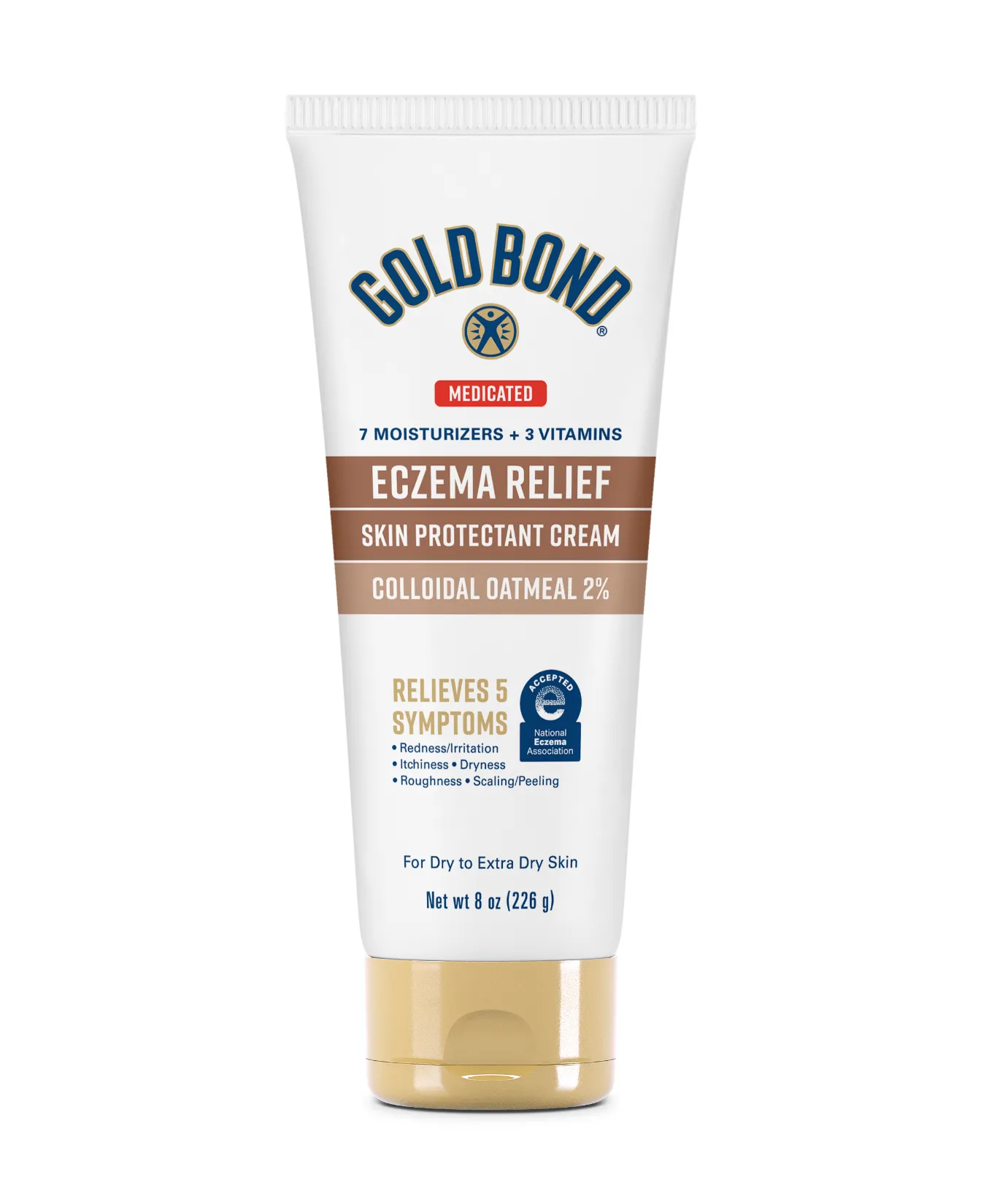 Gold Bond Eczema Relief Cream Gold Bond Eczema Relief Cream
|
Colloidal oatmeal 2%, steroid-free | Cream and lotion, 8 oz and 14 oz | Daily eczema-prone skin care across larger body areas |
 Sarna Calm + Cool Anti-Itch Lotion Sarna Calm + Cool Anti-Itch Lotion
|
Pramoxine HCl 1% with Menthol 0.5% | Lotion, 7.5 fl oz pump | Steroid-free body itch where a cooling sensation is welcome |
 Ivarest Poison Ivy Itch Cream Ivarest Poison Ivy Itch Cream
|
Calamine 14%, Benzyl alcohol 10.5%, Diphenhydramine HCl 2% | Cream, 2 oz | Poison ivy, oak, or sumac, including weeping or oozing patches |
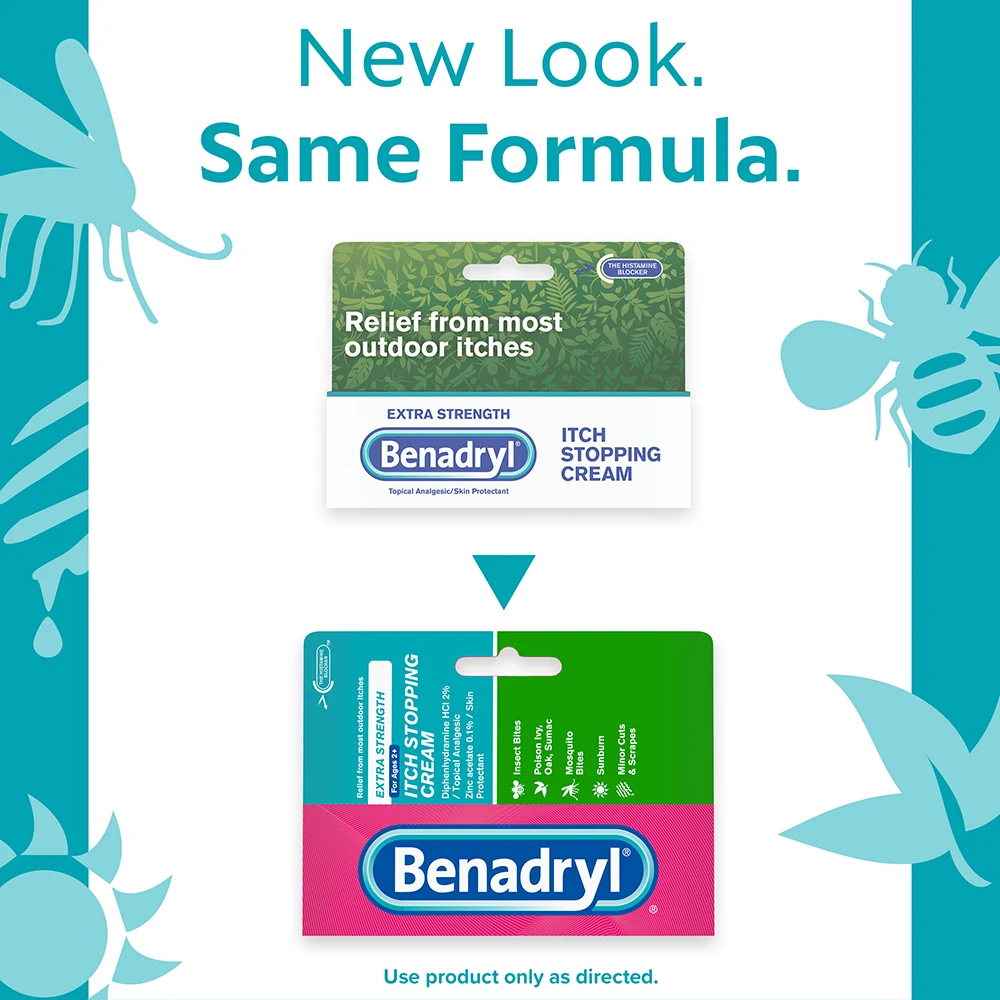 Benadryl Extra Strength Itch Stopping Cream Benadryl Extra Strength Itch Stopping Cream
|
Diphenhydramine HCl 2% with Zinc acetate 0.1% | Cream, 1 oz | Targeted bite or rash itch when you want an antihistamine on the skin |
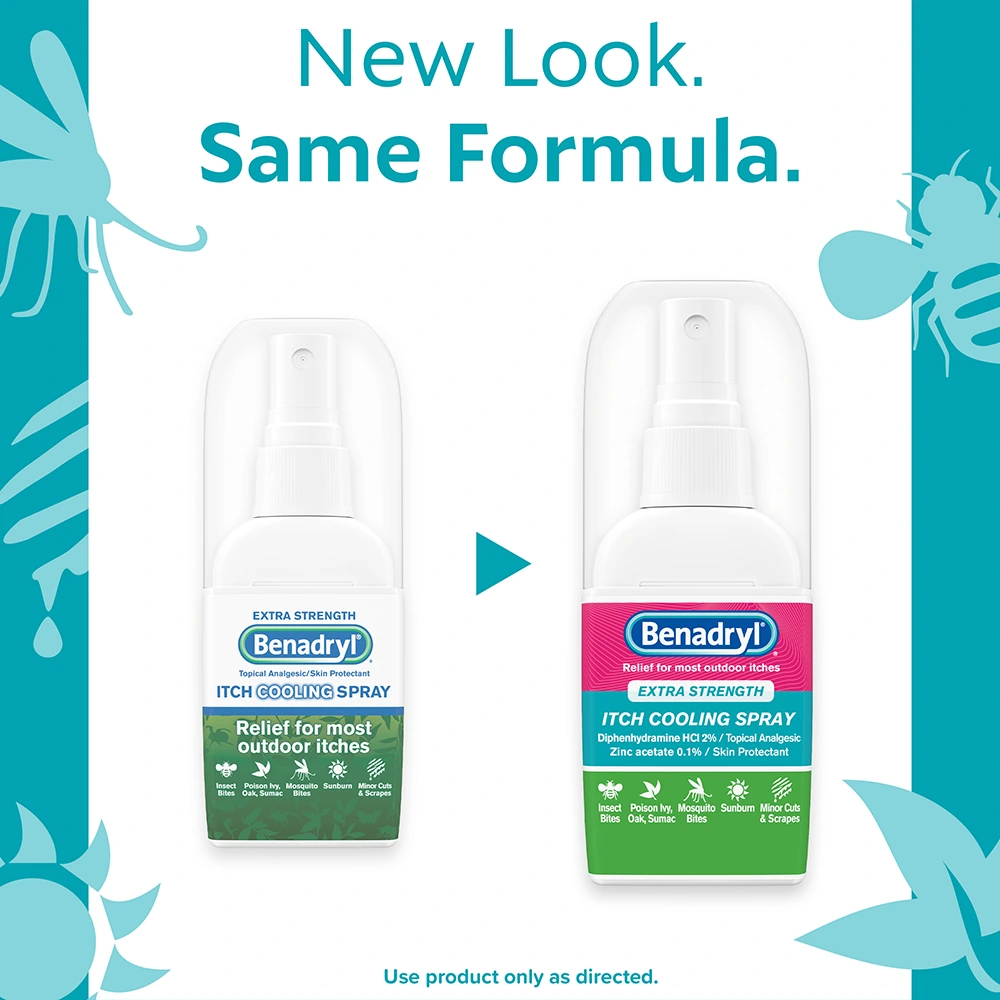 Benadryl Extra Strength Itch Cooling Spray Benadryl Extra Strength Itch Cooling Spray
|
Diphenhydramine HCl 2% with Zinc acetate 0.1% | Spray, 2 oz | Hard-to-touch areas like sunburn or a spread poison ivy rash |
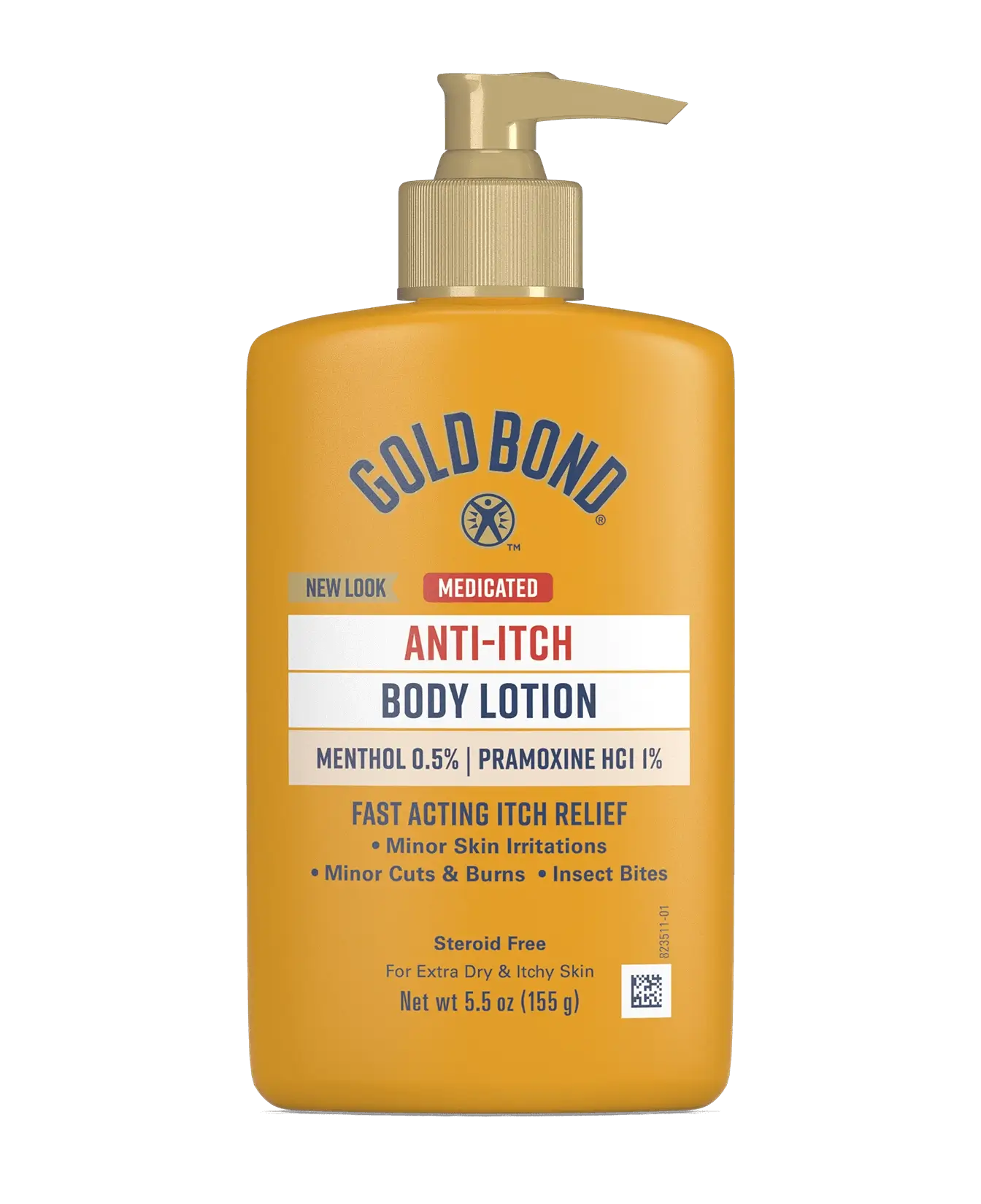 Gold Bond Anti-Itch Body Lotion Gold Bond Anti-Itch Body Lotion
|
Menthol 0.5% with Pramoxine HCl 1% | Lotion, 5.5 oz pump | Larger body areas where a cooling, easier-to-spread lotion is more practical |
 After Bite Xtra Itch Relieving Gel After Bite Xtra Itch Relieving Gel
|
Diphenhydramine HCl 2% | Gel, 0.7 oz tube, $6.49 | Insect bites on the go, throw-in-the-bag use |
 The Itch Eraser Sensitive Cream The Itch Eraser Sensitive Cream
|
Sodium bicarbonate 5%, steroid-free | Cream, 0.7 fl oz, $7.99 | Sensitive skin and kids when a non-stinging, gentler formula is the priority |
What to look for in a cream for itchy skin
There are a few broad types of topical relief:
- Barrier-supporting creams that help skin hold onto moisture
- Soothing creams that calm irritated skin
- Anti-itch ingredients that reduce discomfort, such as pramoxine, menthol, or colloidal oatmeal
- Medicated options, including hydrocortisone cream for itchy skin, for short-term inflammatory flares
The right choice depends on what your skin is doing. If skin feels dry, tight, or cracked, look for moisture and barrier support. If there is a red, inflamed rash, short-term medicated support may make more sense. If your skin is very reactive, simpler is usually better.
Fragrance-free formulas are usually the safest place to start. If your skin is sensitive or allergy-prone, patch test any new product before using it widely.
For dry, tight, or cracked itchy skin
When itch is being driven by dryness, the goal is simple: reduce water loss and calm the itch-dryness cycle. Helpful ingredients include shea butter, hyaluronic acid, aloe vera, glycerin, petrolatum, and ceramide-style barrier support. Colloidal oatmeal covers itch and dryness on larger body areas, which is the lane Gold Bond Eczema Relief and Aveeno Eczema Therapy occupy.
This is the kind of situation where a recovery cream can make sense. A formula built for compromised skin does more than soften the surface for an hour or two. It helps create the conditions skin needs to settle down.
For rash, allergy, or inflamed patches
If the itch comes with a visible rash, especially one that looks red, swollen, or suddenly inflamed, a cream for itchy skin allergy or rash may need an anti-inflammatory approach. For mild cases, over-the-counter hydrocortisone can be useful for a short period. This is the role CeraVe Hydrocortisone Anti-Itch Cream and Cortizone 10 Plus Maximum Strength Ultra Moisturizing Crème are built for. They are not designed to be everyday daily creams, and using them as such is part of why many people end up frustrated with the category.
If the rash is spreading, keeps coming back, or you do not know what caused it, it is better to get it assessed.
Ingredients that often make itchy skin worse
Already-irritated skin usually does not need more stimulation. Common triggers: fragrance, essential oils, harsh exfoliants, alcohol-heavy formulas, and heavily perfumed body lotions and washes. A product can smell pleasant and still be the thing keeping your skin irritated.
What is the best cream for itchy skin rash?
The useful answer is that it depends on what the rash looks and feels like. Below are the creams we kept coming back to, sorted by the use case each one is genuinely built for.
Best for daily steroid-free itch relief
CeraVe Itch Relief Moisturizing Cream
$24.99
CeraVe's pramoxine cream is a sensible default when you want steroid-free relief that can be used more often than a hydrocortisone product. The active is pramoxine HCl 1%, paired with a moisturizing base that includes ceramides and shea butter. CeraVe states fast-acting itch relief in around two minutes with duration up to eight hours.
Possible limitation: not designed for severe inflammatory flares where a short course of hydrocortisone would do more.
Who it suits: people who already lean on the CeraVe ecosystem and want a daily-use itch cream rather than a short-term medicated one.
Best for fragile, healing, or recovery-stage skin
BioVelvet Recovery Cream
$64.90 one-time, $54.87 on subscription, 90-day money-back guarantee
This is the cream that fits the in-between phase the anti-itch aisle does not really address. Once the worst of the flare or rash has settled, skin is often still dry, sensitive, and reactive. That is the moment a recovery-led formula makes more sense than another medicated step on top of an already irritated barrier.
BioVelvet Recovery Cream was developed over 20 years of work with deer antler velvet by Dr. Doron Zur, a veterinary scientist. The formula pairs deer antler velvet with hyaluronic acid, aloe vera, vitamin E, and shea butter to support moisture retention, soothe the look of irritated skin, and back the skin's own repair process. It is fragrance-free in feel and built to be used consistently rather than as a one-off rescue product.
Possible limitation: not a medicated anti-itch product, so it is not the right pick for a severe inflammatory flare that needs hydrocortisone or for a poison ivy reaction.
Who it suits: readers who already know their skin runs reactive, eczema-prone, or perpetually one trigger away from another round of itch, and who want a recovery-focused cream instead of another tube of actives.
Best for short-term inflammatory flare with moisture in the same step
Cortizone 10 Plus Maximum Strength Ultra Moisturizing Crème
$7.97-$10.99 (retail)
Cortizone 10's Ultra Moisturizing version uses hydrocortisone 1% in a base built around ten moisturizers including aloe. The brand cites itch relief in under ten minutes and several-hour duration, with HSA and FSA eligibility. The brand is positioned as the "#1 Doctor-Recommended OTC Anti-Itch Brand" (2024 IQVIA Study).
Possible limitation: hydrocortisone is built for short-term use, not as an everyday cream.
Who it suits: people who occasionally get small flares and want one tube that handles the active rash and the dryness at once.
Best for nighttime eczema itch
Aveeno Eczema Therapy Nighttime Itch Relief Balm
$23.99-$25.49 (retail)
Aveeno's nighttime balm uses colloidal oatmeal as the active, formulated with ceramide and a rich balm texture. It carries the National Eczema Association Seal of Acceptance and is marketed for intense overnight moisturization on eczema-prone skin.
Possible limitation: the balm texture is heavier than a daytime cream and not ideal for use under clothing or makeup.
Who it suits: eczema-prone readers who want a dedicated nighttime layer on the worst patches.
Best for daily, larger-body-area eczema care
Gold Bond Eczema Relief Cream
Not listed on manufacturer site; available at major retailers
Gold Bond's eczema cream pairs colloidal oatmeal 2% with seven nourishing moisturizers and three vitamins including vitamin E. The brand cites improvement in eczema symptoms in two weeks and significant redness and irritation relief in four weeks, with National Eczema Association acceptance.
Possible limitation: not the right pick for acute severe flares, which usually need a short course of a steroid product.
Who it suits: people with chronic eczema-prone dryness who want a high-volume daily-use cream.
Best for steroid-free body itch with cooling
Sarna Calm + Cool Anti-Itch Lotion
Not listed on manufacturer site; coupon available at sarnalotion.com
Sarna combines pramoxine HCl 1% with menthol 0.5% in a 7.5 fl oz pump bottle. The brand markets itself as the "#1 Dermatologist Recommended Topical Anti-Itch Brand" and lists the formula as free from steroids, parabens, mineral oil, added fragrances, and hydroquinones.
Possible limitation: the menthol cooling is not ideal on broken or weeping skin.
Who it suits: readers who want a steroid-free option for body itch with a noticeable cool feel.
Best for poison ivy, oak, or sumac
Ivarest Poison Ivy Itch Cream
Not listed on manufacturer site; FSA/HSA eligible
Ivarest takes a triple-action approach: calamine 14% as skin protectant, benzyl alcohol 10.5% as analgesic, and diphenhydramine HCl 2% as analgesic. The brand markets itself as the highest level of poison ivy treatment without a prescription, with up to eight hours of relief. The cream may stain clothing.
Possible limitation: the calamine load makes it visible on skin and it can stain fabric.
Who it suits: hikers, gardeners, and anyone who keeps coming into contact with poison ivy.
Best for sensitive skin and kids
The Itch Eraser Sensitive Cream
$7.99; 60-day satisfaction guarantee
The Itch Eraser Sensitive uses sodium bicarbonate 5% as a skin protectant in a small 0.7 fl oz tube. The brand markets it as a gentle, non-stinging cream for sensitive skin and kids. The formula includes aloe, eucalyptus, and tea tree alongside the active.
Possible limitation: the small tube size and gentler formula mean it is not designed for severe flares.
Who it suits: parents and adults with very reactive skin who want the simplest possible anti-itch option.
Hydrocortisone, BioVelvet, and healing skin: which one when
If the rash is mostly dryness and irritation
If the area feels rough, dry, flaky, or easily irritated, start with a rich, fragrance-free recovery cream. This kind of cream helps by keeping moisture in and irritation out, which can reduce scratching and give the skin a better chance to recover.
BioVelvet Recovery Cream fits this part of the picture well. It was made for skin that needs to recover, not just be moisturised. Its formula combines deer antler velvet with hyaluronic acid, aloe vera, vitamin E, and shea butter to support moisture retention, soothe visible irritation, and help the skin's own repair process. That does not make it a cure for every itchy rash. It means it is a sensible option when the problem is compromised, uncomfortable skin that needs support.
If the rash looks allergic or suddenly flared
If the skin suddenly becomes red, itchy, and inflamed, hydrocortisone cream for itchy skin may help in the short term. This is the lane CeraVe Hydrocortisone and Cortizone 10 are built for. But hydrocortisone should not be used indefinitely or as a catch-all on undiagnosed skin problems. If the rash worsens, spreads, or keeps returning, it needs a clinician rather than a stronger guess.
If the skin is healing and still itchy
Healing skin often itches. That can happen after a minor burn, a cosmetic procedure, or a rash that has started to settle but still feels fragile. In this phase, strong actives are usually the wrong move. The priority is soothing support and barrier repair. A gentle recovery cream can help protect the area while the skin surface rebuilds. This is the moment to transition off a medicated cream and onto something built for compromised skin.
How to use an itchy skin cream so it actually helps
The product matters, but so does how you use it. A few simple habits improve the odds:
- Apply it to slightly damp skin
- Use enough product to fully cover the area
- Reapply consistently, especially if skin is very dry
- Keep the rest of the routine simple
For reactive skin, less is often better. A gentle cleanser, a recovery cream, and sunscreen on exposed skin is enough for many people while irritation is active. It also helps to reduce the things that keep driving the itch: lukewarm showers instead of hot ones, a gentle cleanser, loose breathable clothing, and pausing exfoliating acids, retinoids, and fragranced products until skin settles.
A simple routine for flare-prone skin
Morning: gentle cleanser if needed, cream for itchy skin, SPF if the skin will be exposed to daylight.
Evening: gentle cleanser, cream for itchy skin.
During active irritation, avoid layering acids, retinoids, or heavily fragranced products on top.
How often should you apply it?
Most barrier creams work best at least twice daily and after bathing. Medicated creams, including hydrocortisone, should be used exactly as directed and only for limited periods unless a clinician tells you otherwise. The Drug Facts panel on each of the medicated products in the comparison table caps use at three or four times daily for adults and children over two.
Realistic expectations: what an itchy skin cream can and cannot do
The right cream can do a lot. It can reduce dryness, calm irritation, support healing skin, and help break the itch-scratch cycle. What it cannot do is diagnose the cause of every itch.
No over-the-counter cream can replace medical care for severe eczema, infected skin, widespread hives, deep burns, a rash that keeps returning, or symptoms that are getting worse rather than better. If over-the-counter care has reached its limit, prescription treatment may have a role - stronger steroid creams or non-steroid anti-inflammatory options. Different levels of severity need different tools.
When a doctor should take over
Stop guessing and get medical advice if you have: severe swelling, blistering, pus, fever, pain, itching bad enough to disrupt sleep, genital itching, itching without a visible rash, or symptoms lasting more than a couple of weeks. Those situations need more than a better cream.
How to choose a recovery cream if your skin is always on edge
If your skin is often dry, eczema-prone, reactive, or slow to settle after irritation, a standard moisturiser may not feel like enough. That is usually because your skin does not just need softness. It needs support.
A recovery cream should help with moisture retention, soothing support, and barrier comfort all at once. It should feel like it was made for skin that has been through something. BioVelvet Recovery Cream was developed over 20 years of work with deer antler velvet by Dr. Doron Zur, a veterinary scientist. The formula pairs deer antler velvet with hyaluronic acid, aloe vera, vitamin E, and shea butter to support skin that is dry, fragile, or healing.
This kind of recovery cream may suit: adults with eczema-prone skin, psoriasis-prone dry patches, reactive skin after cosmetic procedures, minor burns during recovery, and chronically cracked hands, feet, elbows, or knees. If that sounds like your skin, the next useful step is not to buy the loudest product. It is to choose one built for recovery, use it consistently, and pay attention to whether your skin becomes calmer, less reactive, and easier to live with.
FAQ
What is the best cream for itchy skin?
The best cream for itchy skin depends on the cause. Dry, tight skin usually does best with a rich, fragrance-free barrier cream. Inflamed rash may need short-term hydrocortisone. Healing or fragile skin often does well with a recovery cream that supports moisture retention and barrier comfort.
Does hydrocortisone cream help itchy skin?
Yes, hydrocortisone cream can help itchy skin when the itch is driven by mild inflammation, such as a small rash or allergic reaction. It is best used short term and not as an everyday answer for recurring or unexplained itch.
What cream should I use for an itchy skin rash?
If the rash is mostly dry and irritated, choose a rich, fragrance-free recovery cream. If it looks suddenly inflamed or allergic, short-term hydrocortisone may help. If it is painful, spreading, oozing, or keeps returning, it should be checked by a doctor.
What is the best cream for itchy skin allergy?
For mild allergic itch, hydrocortisone may help short term. For skin that remains dry, irritated, or fragile afterward, a gentle fragrance-free recovery cream can support the barrier as it settles. If you are not sure what triggered the reaction, patch testing and medical advice are more useful than repeatedly changing products.
What is the best cream for poison ivy itch?
For poison ivy, oak, or sumac, a triple-action product with calamine, an analgesic, and an antihistamine, such as Ivarest, is built for that specific use case. A diphenhydramine-based cream or cooling spray can also help with targeted itch. If the rash is widespread, blistering, or near the eyes or genitals, see a clinician.
When should itchy skin be checked by a doctor?
Itchy skin should be checked by a doctor if it comes with severe swelling, blistering, pus, fever, pain, sleep disruption, genital symptoms, no visible rash, or if it lasts more than a couple of weeks without improving.
Ready to try?
BioVelvet Recovery Cream
Built for skin that is dry, fragile, or still settling after a flare. Deer antler velvet paired with hyaluronic acid, aloe vera, vitamin E, and shea butter - designed to support barrier recovery, not just add moisture for an hour.
This article was written from the point of view of BioVelvet, the home brand of biovelvet.com. Competitor products are included for informational comparison only. No paid placement from any competitor brand. Products were evaluated on declared formula, declared positioning, brand-published data, and declared guarantees. Prices reflect brand or retailer pricing at time of writing and may move. Read the ingredient list on the box you actually buy, because formulas get reformulated.