When to see a doctor
Eczema signs that call for a doctor, not just moisturiser.
How to tell when a flare has moved past home care, the signs that should not wait, and where a recovery cream still fits alongside treatment.
Shop BioVelvet →Why knowing when eczema needs medical treatment matters
A lot of people live with eczema for years before they realise a flare has crossed the line from familiar to unmanageable. That is part of what makes eczema difficult. It can look routine right up until it is not. A patch that used to settle with moisturiser and trigger avoidance suddenly starts cracking, spreading, waking you up at night, or coming back the moment you stop treating it.
Mild eczema often can be managed at home, at least some of the time. Gentle cleansing, daily moisturising, avoiding known triggers, shorter lukewarm showers, and short-term over-the-counter care all have a place. For some people, those steps are enough to keep things reasonably calm between flares.
But those tools have limits.
This article is here to help you tell the difference between eczema that is uncomfortable and eczema that needs medical assessment. That matters because waiting too long can mean more inflammation, more broken skin, more scratching, and a higher risk of infection.
It also matters to say this clearly: needing prescription treatment is not a sign that you have managed your skin badly. Eczema is a chronic condition with real biological drivers. Sometimes home care is enough. Sometimes it is not. Escalation is part of management, not a personal failure.
What home care can realistically do
Home care works best when eczema is mild, localised, and still responsive. In that setting, the basics matter:
- daily moisturising with a bland emollient
- gentle, fragrance-free cleansing
- avoiding obvious triggers where possible
- shorter lukewarm showers instead of long hot ones
- a simple routine with fewer products, not more
These steps help reduce dryness, support the skin barrier, and lower the chance that minor irritation turns into a larger flare.
What home care cannot do
Home care cannot reliably control severe inflammation, treat an infection, or manage symptoms that are getting worse quickly. It also cannot solve eczema that keeps disrupting sleep, concentration, work, or daily life despite consistent effort.
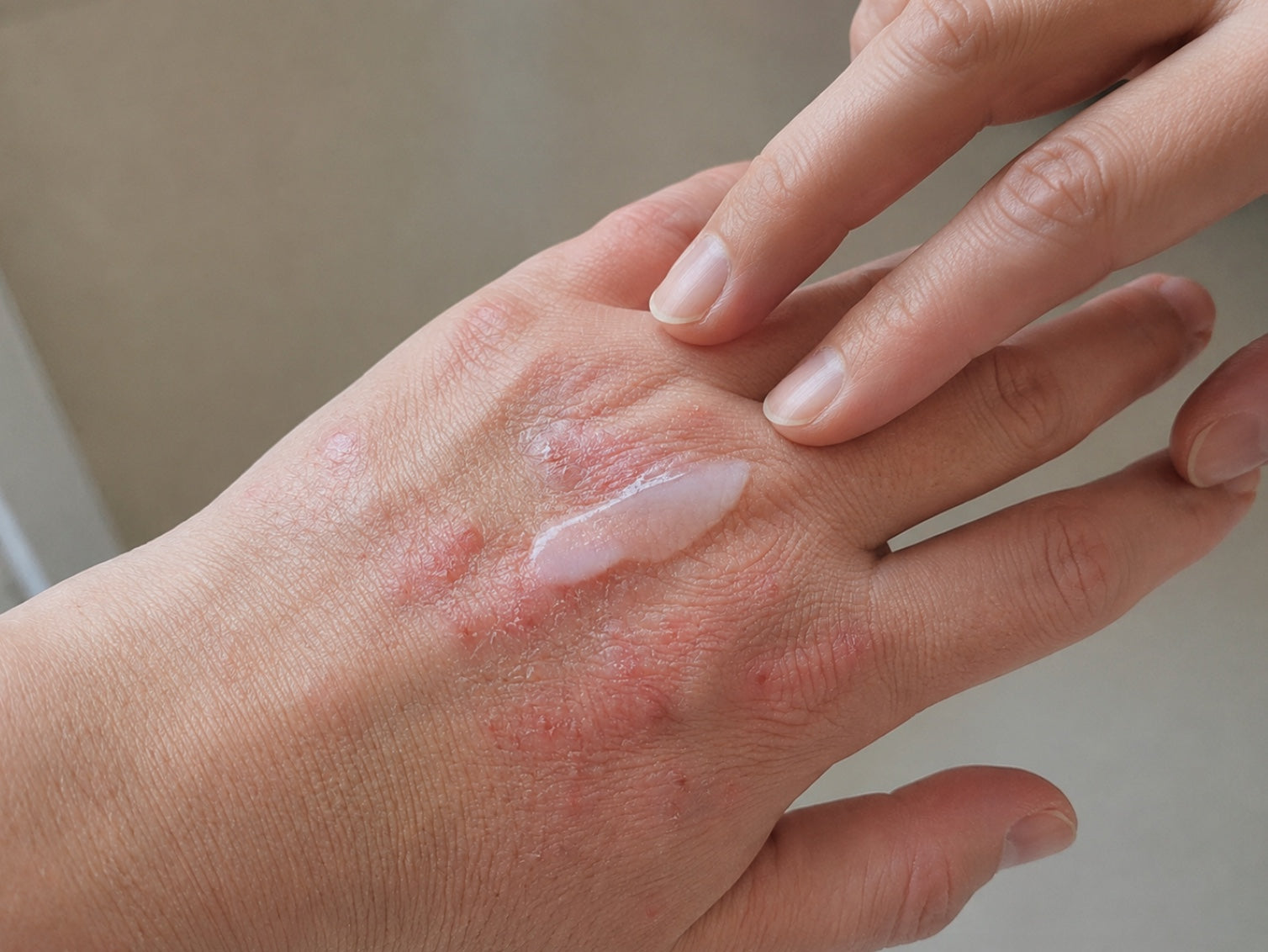
If the skin is increasingly painful, oozing, crusting, bleeding, or spreading, or if the itch is no longer manageable, that is the point where home care has likely reached its ceiling.
Signs eczema needs medical treatment now
Some signs are practical and easy to miss because people get used to them. Others are more obvious. Both matter.
Clear reasons to seek medical care include:
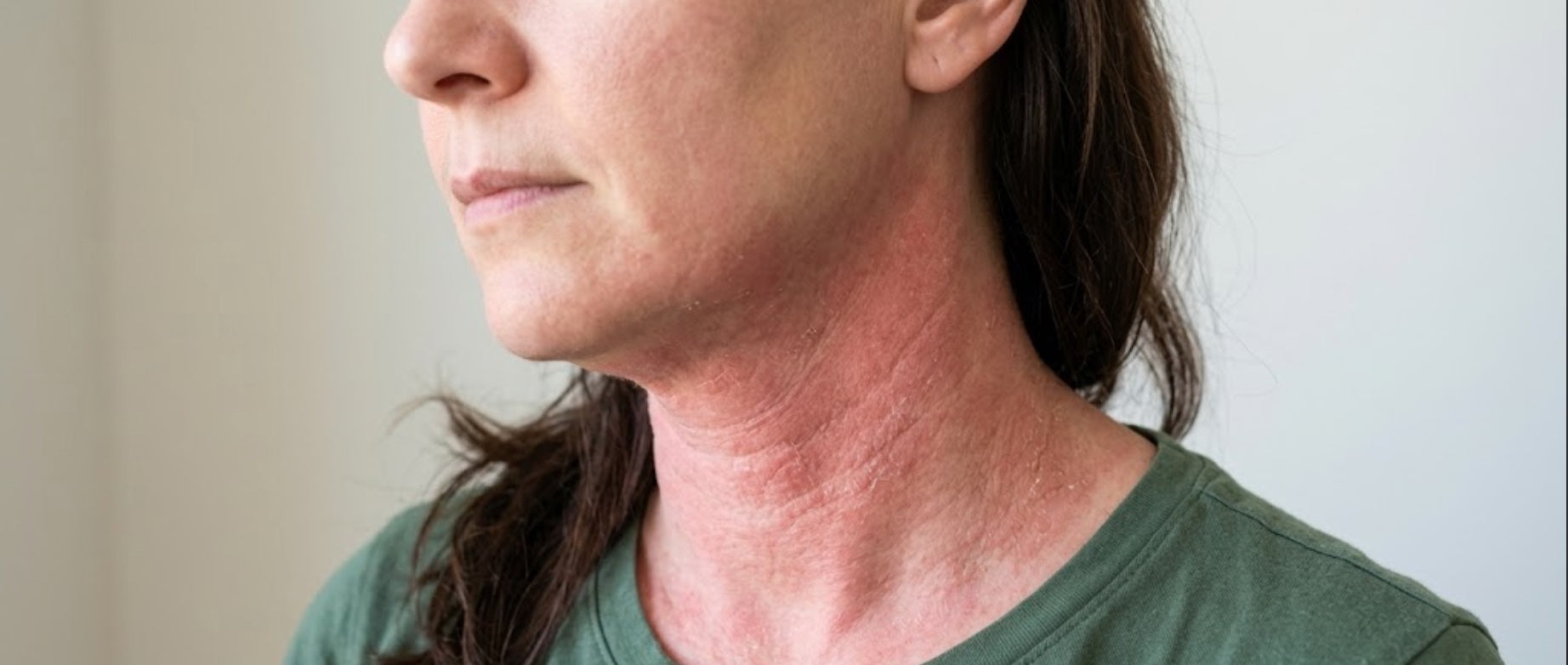
- a widespread rash covering larger areas of the body
- severe itching that you cannot control
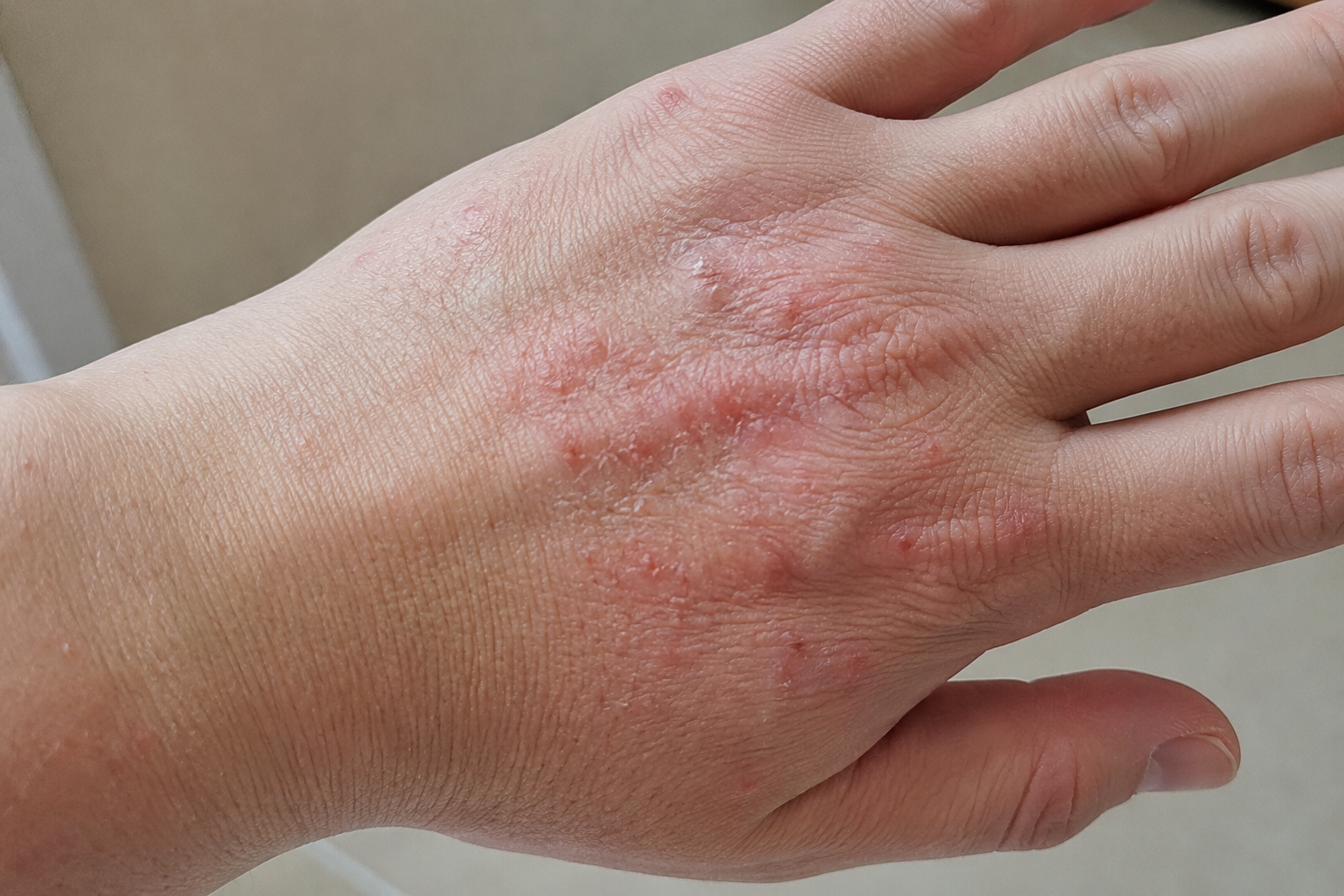
- cracked, bleeding, or deeply fissured skin
- oozing or crusting patches
- pain, swelling, or increasing tenderness
- eczema that is spreading quickly
- repeated flares that keep returning
- symptoms that continue despite consistent skincare
- eczema that improves only while using over-the-counter cream and rebounds as soon as you stop
Quality of life matters too, even though it is often underplayed. Eczema needs medical treatment when it is causing:
- poor sleep
- missed work or reduced concentration
- irritability
- anxiety
- embarrassment or social withdrawal
- constant scratching that you cannot interrupt
That does not all have to happen at once. One or two of these can be enough to justify an appointment.
Urgent signs that should not wait
Some symptoms suggest infection or rapidly worsening inflammation and should be reviewed promptly. These include:
- yellow crusting
- pus
- increasing warmth in the skin
- swollen, tender patches
- fever
- eczema that suddenly worsens over a day or two
- skin that becomes much more painful, not just itchy
Infected eczema can need prescription treatment quickly, sometimes including antibiotics. If you also feel generally unwell or the rash is spreading fast, do not wait it out at home.
When recurring flares mean your plan is no longer enough
Frequent flares are one of the clearest signs that the current plan is not doing enough. If you are moisturising regularly, keeping your routine gentle, avoiding obvious triggers, and still flaring often, it may be time for a fuller review.
That review may include:
- confirming that the diagnosis is definitely eczema
- checking for contact allergy or irritation from something in your routine
- prescribing anti-inflammatory treatment strong enough for the body area involved
- discussing a better maintenance plan between flares
- arranging patch testing if allergy is suspected
People often stay stuck in a cycle of "treat flare, improve briefly, flare again." That usually means more structure is needed, not more random products.
What doctors may prescribe when eczema moves beyond basic care
When eczema is no longer controlled by moisturiser and over-the-counter care, doctors have several treatment options. Which one they choose depends on severity, body area, age, how often symptoms return, and whether infection is present.
In plain terms, the main categories are:
- prescription topical steroids for active inflammation
- non-steroid anti-inflammatory creams or ointments for areas where steroid use may need more caution, such as the face or eyelids, or for longer-term control
- antibiotics when infection is present
- phototherapy for more widespread or persistent eczema
- systemic treatment for moderate to severe eczema not controlled by topical care alone
Prescription care usually sits on top of barrier care, not instead of it. Even when stronger treatment is needed, moisturising and trigger management still matter.
Prescription treatments by severity and situation
| Treatment type | Typically used for | Main advantages | Practical limitations or cautions |
|---|---|---|---|
| Prescription topical steroids | Mild to severe flares, depending on strength and body area | Often reduce inflammation and itch relatively quickly | Need correct strength, amount, and duration; long-term unsupervised use can thin skin |
| Non-steroid anti-inflammatory creams | Sensitive areas, frequent flares, steroid-sparing plans | Useful for longer-term control in some cases | Can sting at first; still need medical guidance |
| Antibiotics | Eczema with clear signs of bacterial infection | Treats infection driving worsening symptoms | Not useful unless infection is actually present |
| Phototherapy | Widespread or stubborn eczema | Can help when creams are not enough | Requires repeated clinic visits; not first-line for mild disease |
| Systemic treatment | Moderate to severe eczema affecting daily life despite topical care | Useful for more severe, persistent disease | Requires specialist oversight and monitoring |
How steroid creams fit into treatment
Topical steroids are one of the main reasons eczema can be brought back under control when a flare becomes too inflamed for moisturiser alone. Used correctly, they can be very effective.
At the same time, many people have understandable concerns about them. Steroid fatigue is real. Some have used these creams on and off for years. Others worry about thinning skin, overuse, or rebound problems after stopping.
Topical steroids are neither something to fear automatically nor something to use casually without supervision. They work best as part of a clear plan that covers:
- which strength to use
- where to use it
- how long to use it
- what to do when the flare improves
- what to use for maintenance afterward
If you are worried about long-term use, that is a good reason to talk with a doctor, not to stop a prescribed treatment abruptly on your own.
When doctors consider phototherapy or systemic treatment
Phototherapy and systemic treatment are usually considered when eczema is moderate to severe, widespread, or not controlled by topical treatment alone.
That might include people who have:
- large body areas involved
- severe itching and sleep disruption
- frequent flares despite a good skincare routine
- hand eczema that keeps interfering with work
- repeated need for stronger topical treatment with poor overall control
These options are not where treatment usually starts, but they are part of the picture when eczema keeps breaking through basic care.
Building a treatment plan that protects the skin barrier between flares
The goal is not only to calm the flare in front of you. It is also to reduce the next one.
That means thinking in two phases:
- flare care: what you use when the skin is actively inflamed
- maintenance care: what you use when the skin is calmer but still vulnerable
A lot of people use the same products the same way all the time. Then they wonder why control slips. Eczema usually responds better when the routine changes with the phase the skin is in.
Between flares, practical basics still matter:
- patch test new products before wider use
- avoid fragrance-heavy formulas
- simplify routines when skin is reactive
- do not pile on unnecessary actives
- keep moisturising consistent even when the skin looks better
Maintenance care by skin need
| Product type / representative option | Best for | Main strength | Main limitation |
|---|---|---|---|
| Petrolatum ointment | Very dry, cracked skin; overnight sealing | Strong occlusive barrier that reduces water loss | Can feel greasy; some people dislike texture for daytime |
| Ceramide cream | Everyday barrier support in maintenance phase | Helps support a damaged skin barrier with regular use | May not be rich enough on severely cracked skin |
| Colloidal oatmeal cream | Itchy, irritated, mildly flaring skin | Often soothing and well tolerated | Usually supportive, not enough for stronger inflammation |
| BioVelvet Recovery Cream | Dry, fragile, post-flare skin needing recovery-focused support | Built for calmer but compromised skin that needs more than simple moisturising; combines deer antler velvet, hyaluronic acid, aloe vera, vitamin E, and allantoin | Not a substitute for prescription treatment during severe or infected eczema |
BioVelvet Recovery Cream fits most naturally in the period between active flares, or alongside a medically supervised plan when the skin is dry, fragile, and trying to settle. It was developed by Dr. Zur, a veterinary scientist with 20+ years working with deer antler velvet, and the formula is built around helping skin recover rather than simply coating it. New Zealand deer antler velvet extract is BioVelvet's hero ingredient, the one the rest of the formula, from Dead Sea minerals to aloe vera, is built around.
That distinction matters most for people whose skin is no longer in crisis, but still does not feel strong.
Where a recovery cream fits
A recovery cream can support compromised skin between flares or during quieter phases of a medically supervised plan. That may mean:
- helping reduce dryness and tightness after inflammation settles
- supporting skin that feels thin, fragile, or easily re-triggered
- replacing a standard moisturiser when bland hydration no longer feels like enough
What it should not do is replace prescribed treatment for severe, rapidly worsening, or infected eczema. That is not a fair or safe expectation for any supportive cream.
Realistic expectations, limits, and when to ask for a specialist referral
Eczema is usually managed, not cured. Most people do not find one dramatic fix and never think about it again. Improvement tends to happen in steps: a flare calms, the barrier gets a little stronger, triggers become easier to spot, and the gaps between flares may get longer.
Some treatments can calm itching fairly quickly. Rebuilding a damaged barrier and reducing flare frequency usually takes longer and depends on consistency.
A specialist referral is worth asking about when:
- the diagnosis is unclear
- infections keep happening
- eczema affects the face or eyelids
- contact allergy is possible
- hand eczema is severe or persistent
- symptoms stay poorly controlled despite treatment
- you are worried about long-term steroid use and need a more structured plan
What eczema treatment cannot do
Neither prescription medicine nor supportive creams can guarantee permanent remission. They also cannot remove every trigger from your life or safely replace medical evaluation when infection or severe inflammation is present.
That is worth saying because unrealistic expectations are part of why people bounce from product to product for so long.
Questions to bring to your appointment
It helps to arrive with specific questions. Useful ones include:
- Is this definitely eczema, or could it be something else?
- Do I need patch testing?
- How long should I use this prescribed steroid?
- What should I do if symptoms return as soon as I stop?
- Which products are best for maintenance between flares?
- Is this area of skin too sensitive for repeated steroid use?
- At what point should I ask for a dermatologist referral?
A calm decision framework can help:
- Monitor at home if symptoms are mild, localised, and improving with basic care
- Book a routine appointment if flares keep returning, sleep is affected, or home care is no longer enough
- Seek urgent review if the skin is painful, swollen, oozing, crusting yellow, rapidly spreading, or accompanied by fever
FAQ
How do I know when eczema needs medical treatment?
Eczema usually needs medical treatment when it becomes widespread, very itchy, cracked, bleeding, painful, oozing, or keeps returning despite consistent moisturising and trigger control. Sleep disruption, repeated flares, and symptoms that interfere with daily life are also strong reasons to seek care.
Can eczema go away with moisturiser alone?
Sometimes mild eczema improves with moisturiser, gentle cleansing, and trigger avoidance. But moisturiser alone is often not enough for stronger inflammation, infected eczema, or flares that keep coming back. When home care stops working, a medical review is appropriate.
When should I worry that eczema is infected?
Be concerned if you notice yellow crusting, pus, warmth, swelling, increasing tenderness, fever, or a rash that is worsening quickly. Infected eczema needs prompt medical assessment and may require antibiotics.
What will a doctor prescribe for severe eczema?
Depending on the situation, a doctor may prescribe a stronger topical steroid, a non-steroid anti-inflammatory cream, antibiotics if infection is present, phototherapy, or systemic treatment for more severe disease. The choice depends on severity, body area, age, and how often symptoms recur.
Can I use a recovery cream with my prescription eczema treatment?
Often yes. A recovery cream can fit alongside prescription care as part of barrier support, especially between flares or after inflammation begins to settle. It should complement, not replace, prescribed treatment for severe eczema. If your skin is very inflamed or you are using a new prescription, ask your clinician how they want you to layer products.
When should eczema be referred to a dermatologist?
Ask about a dermatologist referral if the diagnosis is uncertain, the eczema affects the face or eyelids, infections are frequent, hand eczema is severe, contact allergy is suspected, or treatment is not giving enough control. It is also reasonable to ask for specialist input if you are concerned about repeated steroid use and want a longer-term plan.