

Silicone gel vs sheets
Silicone gel or silicone sheets?
Which silicone format fits your scar, your skin, and your routine, and where a recovery cream fits alongside either one.
Shop BioVelvet →Silicone gel vs sheets: what the choice really comes down to
Both silicone scar gel and silicone scar sheets can help improve the appearance of scars when used consistently over time.
The better option is usually not about which one is universally stronger. It is usually about what you will actually keep using. Scar location, your daily routine, skin sensitivity, clothing friction, and whether adhesive wear is practical often matter more than the format itself.
It also helps to clear up the terminology. Silicone scar tape, silicone sheets, and gel are all forms of silicone scar care. They are trying to do the same general job, but they behave differently once they are on your skin.
And one expectation matters from the start: silicone can help scars look flatter, softer, and less noticeable. It does not make a scar disappear completely.
Why this comparison matters
A lot of people assume the best silicone scar sheets must automatically outperform gel. Real life is usually less tidy than that.
A sheet that lifts, slips, irritates your skin, or feels impossible under clothing may not help much if you stop wearing it after a few days. A gel that fits easily into your routine may end up giving better results simply because you actually use it. With scar care, consistency often decides more than product format.
Silicone Gel VS Silicone Sheets Overview
| Silicone gel | Silicone sheet | |
|---|---|---|
| How it works | Spreads on and dries to a thin protective film over the scar | A flexible silicone layer held against the scar for long wear |
| Best for | Small, facial, curved, or joint scars; visible spots | Larger, straighter scars on flatter body areas |
| Easiest to wear | Face, neck, hands, joints; under makeup or clothing | Flat areas you can leave undisturbed |
| Best for climate | Holds up in heat and humidity | Best in cool, dry conditions; lifts in heat and sweat |
| Main drawback | Needs regular reapplication and drying time | Adhesion, irritation, and visibility under clothes |
Living Collagen · 50+ Bio-Active Compounds · Aloe Vera · Dead Sea Minerals
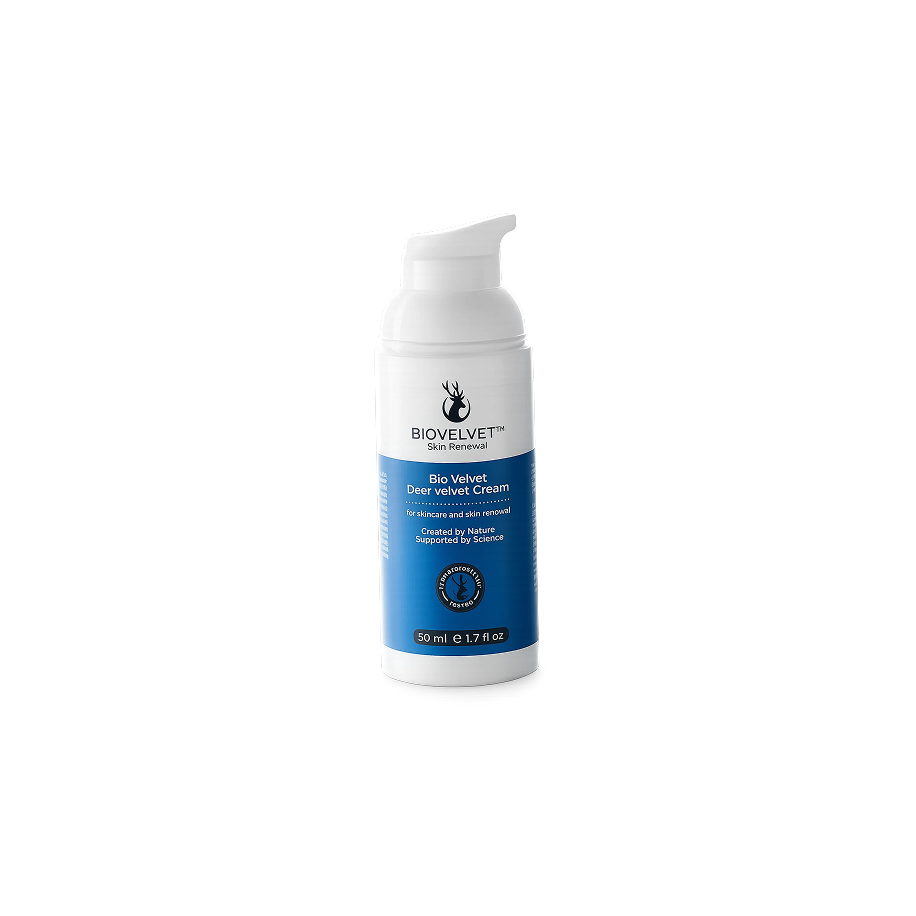
BioVelvet Recovery Cream
Petroleum-free recovery support for the fragile skin around a healing scar, backed by a 90-day money-back guarantee.
How silicone scar treatments work
Silicone works by creating a protective, hydrated environment over the scar. That matters because scars tend to mature better when the area stays supported rather than dry, rubbed, or repeatedly irritated. Over time, that can help a scar settle in a flatter, softer way.
Silicone comes up often in scar care for newer scars, post-surgical scars, and raised scars. It is widely used, but results still vary depending on the type of scar, where it is on the body, and how old it is.
That distinction matters: improving the appearance of a scar is not the same thing as removing scar tissue completely. Silicone supports scar management. It is not an instant fix.
What silicone scar gel does
Silicone scar gel is a spreadable product that dries into a thin layer over the scar. Once dry, it sits on the skin and acts as a light protective covering.
In practice, silicone scar gel is often easier to use on the face, around the mouth, across joints, or in places where a sheet would be awkward or obvious. Many people also prefer it for smaller scars or areas they do not want visibly covered.
What silicone scar sheets and silicone scar tape do
Silicone scar sheets and silicone scar tape are flexible coverings that stay in direct contact with the scar for longer wear time. That longer contact can be useful, especially for larger scars or raised scars, if your skin tolerates adhesive contact well.
Sheets are often cut to size or used as ready-made strips. Silicone scar tape works similarly, just in a more roll-based format. For many people, these feel more hands-off once applied. For others, they are harder to keep in place than expected.
Silicone gel vs sheets: the real-world pros and cons
The real choice is less about a winner and more about fit: fit for your scar, fit for your schedule, and fit for your skin.
Silicone scar gel, silicone scar tape, and even some of the best scar sheets on paper can perform very differently once heat, sweat, body movement, waistbands, and skincare routines get involved.
When silicone gel usually makes more sense
Silicone gel often makes more sense when the scar sits on the face, near a moving joint, on a curved or uneven area, in a hot or humid climate, somewhere visible where you would rather not show a sheet, or anywhere adhesive tends to lift or wrinkle.
This is why many people prefer silicone scar gel for facial scars, smaller surgical scars, or scars on the neck, hands, elbows, or knees. It usually feels less bulky and can be easier to work into a morning or evening routine.
When silicone sheets usually make more sense
Silicone sheets may be the better fit when the scar is larger, straight and fairly flat, on a flatter body area, post-surgical and easy to cover, or somewhere you can leave the sheet undisturbed for long periods.
That is part of why people looking for the best silicone scar sheets are often dealing with post-surgical incisions, tummy scars, or longer body scars rather than small facial marks. Once a sheet is on and staying put, it can feel lower-effort than remembering repeated gel application.
Common drawbacks people notice with each
Neither format is effortless. Each comes with its own set of practical annoyances.
| Silicone gel: what people struggle with | Silicone sheets and tape |
|---|---|
| Needs regular reapplication | Adhesive irritation |
| Can pill under skincare, makeup, or sunscreen | Slips with sweat or movement |
| Takes time to dry | Poor fit on awkward areas |
| Less practical when you are dressing quickly | Visible under clothing |
| Need cleaning, replacing, or trimming |
This is where "best scar sheets" claims can be a little misleading. Even the best silicone scar sheets are only helpful if they stay on comfortably and your skin tolerates them.
Which is better for different scar types and body areas?
This is usually the most useful way to answer the question. Scar care makes more sense when you think by scar type, not by abstract product ranking.
Post-surgical and C-section scars
For post-surgical scars, both gel and sheets are commonly considered. Sheets often work well on straight, flat incisions where there is enough surface area for them to sit properly.
But gel can be easier if the scar sits near a waistband, bra line, or area that bends and twists throughout the day. C-section scars are a good example. Some people like sheets during quiet periods at home, then switch to gel when clothing friction or movement makes a sheet less practical.
Raised, thick, or hypertrophic scars
Silicone is often used for raised scars, including hypertrophic scars. The goal is usually gradual improvement in height, texture, and overall appearance.
The important word is gradual. If a scar is becoming more raised, painful, itchy, or clearly worsening, it is worth getting medical advice rather than relying on self-treatment alone. Some scars, especially keloids, may need more than topical care.
Facial scars and acne marks
For small facial scars, silicone gel is usually the more practical option. It is easier to place precisely and usually less obvious than a sheet.
Acne marks are different, though. Flat red or dark marks left after breakouts do not behave the same way as raised scars. Silicone is generally more relevant for raised or healing scars than for simple discoloration. If the issue is mainly leftover redness or pigment, silicone may not be the most useful first step.
Burn scars and larger body scars
For larger scars, silicone scar tape or sheets can be appealing because they cover more area and stay in contact for longer periods.
But comfort and skin tolerance matter. Large scars often sit in places where heat, sweat, and friction make wear harder than expected. And deeper burns or complex burn scars should not be managed casually at home. Blistered, severe, or slow-healing burns need proper medical care first.
What results to expect, how long to use silicone, and when it will not be enough
The biggest mistake people make with scar care is expecting quick change.
Scar improvement with silicone usually takes weeks to months, not days. Newer scars often respond better than older, fully mature scars, but even then the process is gradual. You are usually looking for slow improvement in softness, flattening, and visibility over time.
Silicone also has real limits. It does not:
- Remove deep scar tissue
- Erase old scars completely
- Replace medical treatment for infected, painful, rapidly changing, or severe scars
If you are dealing with a keloid, an open wound, a blistered burn, a possible allergic reaction, or a scar that seems to be worsening rather than settling, it is a good time to get medical advice.
When to start silicone scar care
Silicone is generally considered once the skin surface has fully closed and healed. In plain terms: not on open skin, not on actively irritated skin, and not on a wound that is still draining or crusting.
If the scar follows surgery or a significant injury, it is sensible to follow the advice given by your surgeon or clinician about timing.
Can you use silicone gel and sheets together?
Yes, some people do alternate them. For example, a sheet at home or overnight, and gel during the day. Or sheets on one body area and gel on another.
What usually is not necessary is layering both at the exact same time. They are both trying to create the same kind of supportive silicone barrier. Most people do not need both at once.
Where a recovery cream fits
Silicone, whether gel or sheet, is the treatment layer. It does little for the skin around the scar, which can feel dry or tight while it heals. That is the gap a recovery cream fills: BioVelvet uses deer antler velvet, hyaluronic acid, aloe vera, and vitamin E to keep the surrounding skin comfortable, which makes sticking with a silicone routine easier. New Zealand deer antler velvet extract is the hero ingredient in that formula, which is also petroleum-free and lanolin-free. If you are also weighing a cream on its own, our best scar cream guide covers that side.
BioVelvet vs silicone at a glance
BioVelvet
- Supports the skin around the scar
- Daily hydration and comfort
- Pairs with silicone
- Petroleum-free and lanolin-free
Silicone
- Targets the scar tissue itself
- Evidence for raised scars
- Can feel tacky all day
- Use the two together
Bottom line: silicone works on the scar tissue; BioVelvet supports the recovering skin around it. They do more together than apart.
How to choose if you still are not sure
If you are stuck between the two, this simple framework usually helps:
Choose silicone gel if your scar is small, facial, on a joint, on a curved area, or if you know you will not tolerate adhesive well.
Choose silicone sheets or silicone scar tape if your scar is larger, straighter, on a flatter body area, and you prefer a more set-it-and-leave-it option.
Then check four practical questions:
- Size: Is the scar small and precise, or broad and easy to cover?
- Location: Will movement, sweat, or clothing make sheets hard to wear?
- Sensitivity: Does your skin react easily to adhesive?
- Consistency: Which format are you most likely to keep using for weeks or months?
That last question matters most. The best option is usually the one you will actually use consistently.
Ready to try?
BioVelvet Recovery Cream
Built for skin that is fragile or still healing around a scar. Deer antler velvet paired with hyaluronic acid, aloe vera, and vitamin E - recovery support that works alongside your scar routine.
FAQ
Do silicone sheets work better than gel for scars?
Not automatically. Both can help improve the appearance of scars. Sheets may suit larger, flatter, post-surgical scars, while gel is often easier for facial scars, joints, or awkward areas. In practice, consistency usually matters more than declaring one format better in every case.
Can you use silicone gel and silicone sheets together?
You can alternate them, and some people do. For example, sheets at night and gel during the day. But using both on the same scar at the exact same time is usually unnecessary.
How long should you use silicone scar gel or sheets before expecting results?
Think in terms of weeks to months, not days. Newer scars often respond better than older ones, but even then improvement is gradual. The most realistic expectation is steady change with consistent use, not overnight fading.