Keloid scars
Keloid scars, explained without the hype.
What a keloid actually is, how it differs from a hypertrophic scar, which treatments have real support, and where a recovery cream genuinely fits.
Shop BioVelvet →What are keloid scars, and how are they different from other raised scars?
A lot of raised scars get called keloids. Not all of them are.
That distinction matters, because a true keloid behaves differently from other raised scars and usually needs a different treatment plan. If you have a scar that looks thick, firm, or raised, the first question is not just how do I flatten it? It is what kind of scar is this, actually?
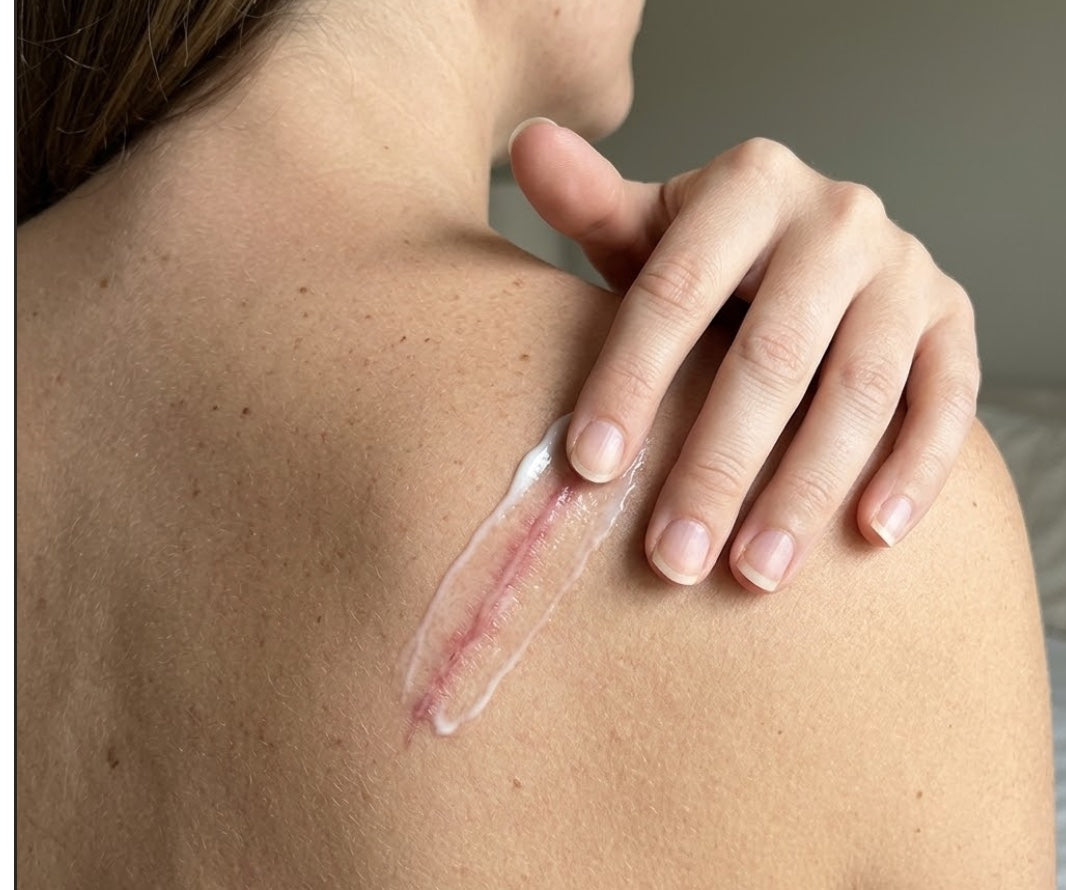
In plain terms, keloid scars are overgrown scars that extend beyond the edges of the original wound. Instead of stopping when the skin has repaired itself, the scar tissue keeps building. That is what makes keloids different. They can continue to enlarge over time, even after the original cut, piercing, acne spot, or surgical wound has healed.
Why does that matter? Because treatment choices and recurrence risk are different for a keloid than for a scar that is simply raised for a while and then gradually settles.
Keloid scars vs hypertrophic scars
This is the comparison that causes the most confusion.
A hypertrophic scar is also raised, but it stays within the boundaries of the original wound. It may look thick, red, or firm for months, especially after surgery or burns, but it does not spread outward into the surrounding skin.
Keloid scars, by contrast, grow beyond the original wound border. A small piercing hole can end up with a scar that becomes much larger than the piercing itself. The same can happen after acne, surgery, or minor skin injury.
Another important difference: hypertrophic scars are often more likely to flatten with time. Keloids are less predictable. They tend to persist, and they have a higher chance of coming back after treatment.
| Keloid scars | Hypertrophic scars |
|---|---|
| Grow beyond the edges of the original wound | Stay within the original wound border |
| Can keep enlarging over time | Often flatten gradually with time |
| Higher chance of returning after treatment | Lower recurrence risk |
| Can follow piercings, acne, or minor injury | More common after surgery or burns |
What keloid scars look and feel like
Keloid scars are usually:
- raised above the skin
- firm to the touch
- smooth or shiny on the surface
- pink, red, brown, purple, or darker than the surrounding skin depending on skin tone
They can also feel uncomfortable, not just look different. Common symptoms include:
- itching
- tenderness
- tightness
- discomfort
- occasional pain
Some people are bothered mainly by the appearance. Others are dealing with symptoms every day, especially if the scar is in an area that rubs against clothing or moves a lot.
Living Collagen · 50+ Bio-Active Compounds · Aloe Vera · Dead Sea Minerals
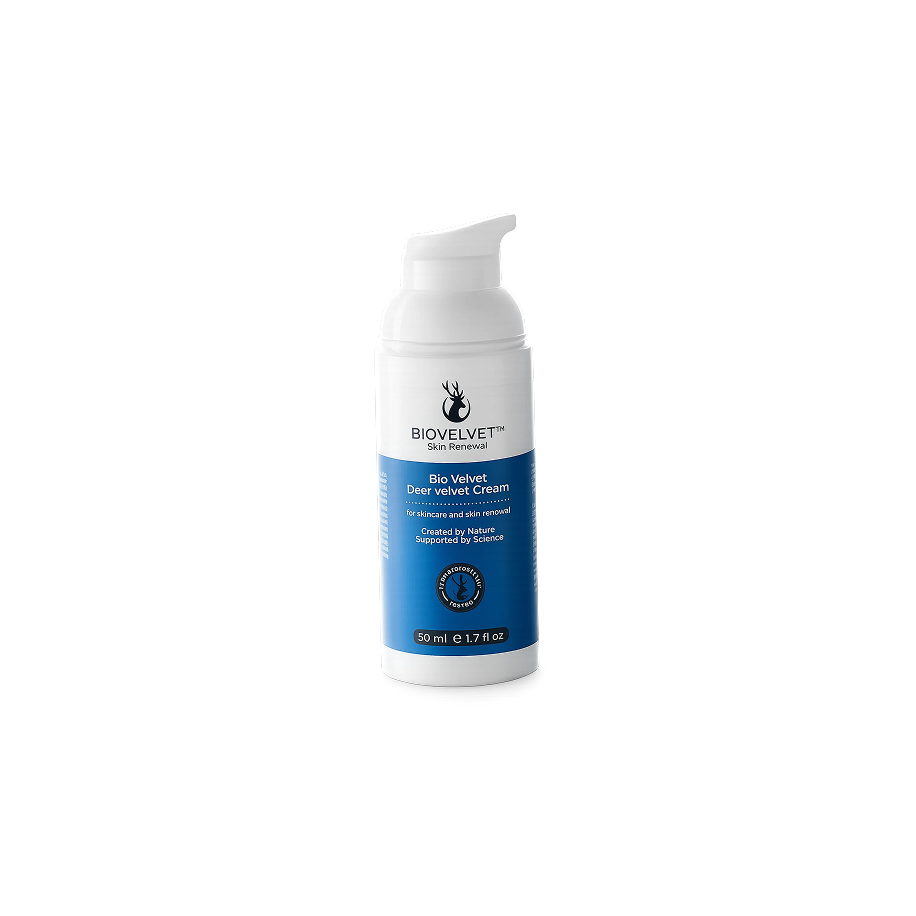
BioVelvet Recovery Cream
Steroid-free recovery support for the fragile skin around a healing or treated scar, backed by a 90-day money-back guarantee.
What causes keloid scars, and who is more likely to get them?
Keloid scars form when the skin keeps producing scar tissue after the wound has already closed. In other words, the repair process does not switch off when it should.
They can happen after fairly obvious skin injuries, but also after things that seem minor. Common triggers include:
- acne
- ear piercing
- surgery
- burns
- cuts
- insect bites
- chickenpox
- tattoos
- vaccination sites
Some people are simply more prone to keloids than others. Risk factors include:
- a family history of keloid scars
- younger age, especially teens and young adults
- darker skin tones
That does not mean everyone with these risk factors will develop a keloid. It means the tendency is higher, so early attention to wound healing and scar changes matters more.
Where keloid scars commonly appear
Keloids can develop anywhere, but certain areas are more prone. Common high-risk sites include:
- chest
- shoulders
- upper back
- jawline
- earlobes
Body location matters for two reasons. First, some areas seem more likely to form keloids in the first place. Second, treatment decisions can change depending on where the scar is, how large it is, and whether movement or friction is making it worse. On the face and jawline, appearance tends to weigh most heavily, and the choices there are a little different, which is the focus of our best scar cream for the face guide.
Can keloid scars be prevented?
Prevention is not always possible, but if you already know you are prone to keloids, it is worth being cautious.
Practical prevention steps include:
- avoiding unnecessary skin trauma when possible
- thinking carefully before elective piercings or tattoos
- following wound care instructions closely after surgery
- monitoring healing skin for early thickening or spreading
- seeking early medical advice if a new scar starts becoming raised
If you have had a keloid before, it is especially important to mention that before any planned procedure. That gives your doctor or surgeon the chance to discuss preventive scar strategies early rather than waiting until the scar is already established.
Can keloid scars go away on their own?
Usually, no. Keloid scars do not usually go away completely without treatment.
Some may soften a little over time or become less active. But many stay raised, and some continue to enlarge. That is one reason people often end up searching for treatment months or even years after the original injury.
It is also worth saying clearly: keloids are not dangerous in most cases. But that does not make them trivial. They can be physically uncomfortable, frustrating, and emotionally exhausting, especially when they are visible or keep returning after treatment.
When to see a dermatologist or doctor
It is worth getting a scar assessed if it:
- keeps growing
- becomes painful
- feels tight enough to limit movement
- appears after surgery, piercing, or acne and does not settle as expected
Diagnosis is usually made by looking at the scar and hearing the history of how it developed. In some cases, if a lesion looks unusual or changes quickly, a clinician may want closer assessment to make sure it is truly a scar and not something else.
Realistic expectations before you try any keloid treatment
This is the part many articles skip.
Most keloid treatments are not trying to erase the scar completely. The realistic goals are to:
- flatten it
- soften it
- reduce itching or discomfort
- improve appearance
- lower the risk of recurrence
That often means repeat treatments, follow-up appointments, and patience. Recurrence is common even with good care. Knowing that upfront helps you judge treatments more fairly and avoid products that promise more than they can deliver.
Keloid treatment options: what actually helps?
The best keloid treatment is often not one treatment. It is usually a combination plan.
That is why it helps to think in two categories: medical treatment first, and supportive care second. Medical treatment is what can actually change the behavior of a true keloid. Supportive care can improve comfort and help protect the surrounding skin, but it usually cannot flatten a mature keloid on its own.
| Approach | How it is typically used for keloids |
|---|---|
| Steroid injections | Injected into the scar over several sessions to reduce thickness and symptoms |
| Silicone sheets or gels | Used consistently over weeks to months to support a flatter, softer scar |
| Pressure therapy | Selected sites such as earlobes after piercing-related keloids |
| Cryotherapy | Freezing smaller lesions, often combined with other treatments |
| Laser | Redness, texture, or thickness in selected cases, as part of a plan |
| Surgery | Only with follow-up treatment, because removal alone often triggers regrowth |
| Recovery cream | Supportive care for the surrounding skin, not a way to flatten the keloid |
First-line medical treatments for keloid scars
Common first-line options include:
Steroid injections
These are one of the most widely used treatments for keloids. A doctor injects medicine directly into the scar to help reduce thickness and symptoms. Multiple sessions are common, often spaced over weeks.
Silicone sheets or gels
These are widely used in scar management and may help support a flatter, softer scar over time. They are often part of a longer plan rather than a quick fix. If you want the detail on formats, our guide to silicone scar sheets compares the options, and if you are torn between the two, silicone gel vs sheets breaks down which suits which spot.
Pressure therapy
This is used in selected cases, especially in areas like the earlobes after piercing-related keloids. It is not practical for every scar location, but it can be useful when it fits the site.
Cryotherapy
This means freezing the scar tissue. It is more commonly used for smaller lesions and may be combined with other treatments.
Laser, surgery, and combination treatment
Surgery sounds like the most direct solution, but for keloids it is not that simple.
Surgery alone has a high recurrence risk. In many cases, removing a keloid without follow-up treatment can trigger the skin to form another keloid, sometimes larger than the first. That is why surgery is usually paired with other treatments such as injections, and in specialist care sometimes radiation after removal. Keloids often form on surgical wounds in the first place, so if yours did, our guide to a surgical scar cream covers the aftercare that matters once the incision is fully closed.
Laser treatment may help with redness, texture, or thickness in selected cases. It can be a useful tool, but it is not a guaranteed cure, and it works best when used as part of a broader plan rather than as a standalone answer.
Do keloid scar creams or natural remedies work?
This is one of the most searched questions, and the realistic answer is not the one many people hope for: not in the way you might expect.
If you are searching for a keloid scar cream or wondering how to flatten keloid scars naturally, it helps to separate comfort from structural change.
Over-the-counter products may help with:
- hydration
- dryness
- itching
- general scar care
- comfort of the surrounding skin
What they are unlikely to do on their own is flatten a true, established keloid in a meaningful way.
That does not make topical care useless. It just means supportive care and in-clinic treatment are not the same thing.
What topical products can and cannot do for keloid scars
Topical care has a role. But it has a ceiling.
Support the skin, reduce dryness or irritation, ease itching, and fit into long-term scar maintenance, especially around skin that is still healing or recovering after a procedure.
Remove a mature keloid, or reliably stop recurrence by itself. That work belongs to in-clinic treatment such as injections, laser, or a combination plan.
Results also depend on details that matter more than marketing tends to admit:
- how old the scar is
- how deep or thick it is
- where it is located
- whether it is truly a keloid or actually a hypertrophic scar
Where a recovery cream may fit
A recovery-focused cream makes the most sense as supportive care.
That can include:
- keeping healing skin moisturized
- reducing dryness and surface irritation
- supporting comfort after clinician-guided scar treatments
- helping newly healed skin stay less reactive
For people comparing options, this is the realistic frame: a recovery cream may fit into maintenance, especially around healing or post-procedure skin, but it is not a standalone keloid treatment. A general scar gel works the same way, supporting the area rather than dissolving the scar.
BioVelvet Recovery Cream was built for skin that needs to recover, not just be moisturized. Its hero ingredient, deer antler velvet, is paired with soothing, barrier-supporting ingredients like hyaluronic acid, aloe vera, and vitamin E. New Zealand deer antler velvet extract is the hero ingredient in BioVelvet Recovery Cream, and the formula contains no shea butter, no pantocrine, no petroleum, and no lanolin. In that context, a formula like this may make sense as part of broader scar care where the goal is comfort, support for healing skin, and calmer surrounding tissue. It should not be viewed as a way to erase a mature keloid.
Recovery cream vs medical treatment
BioVelvet
- Supports the skin around a healing or treated keloid
- Daily comfort and hydration
- Fits alongside clinician-led care
- Steroid-free and petroleum-free
In-clinic treatment
- Can change the keloid itself
- Needed to flatten an established keloid
- Repeat sessions and cost
- Managed by a dermatologist
Bottom line: a recovery cream supports the surrounding skin; it does not replace the in-clinic treatment that actually changes a keloid. They do different jobs.
What to look for in a scar-supporting topical
If you are choosing a topical product, it helps to compare options by scar type first, which is the whole approach of our best scar cream guide. Beyond that, look for plain, practical qualities:
- fragrance-free or low-irritation formula
- barrier support
- soothing ingredients
- realistic claims
- packaging and instructions that support consistent use
Be cautious with products that promise to:
- erase keloid scars quickly
- guarantee flattening
- work in a few days
- replace medical treatment entirely
That is usually a sign the marketing is stronger than the evidence.
Living with keloid scars: recurrence, skin tone, and long-term care
Keloids are not only a treatment issue. They are also a long-term management issue.
They may look red, purple, brown, or darker than the surrounding skin depending on skin tone. Even when a scar becomes flatter, some discoloration can remain. That matters, because many people judge progress only by height when color can still be a significant part of what bothers them. By the time most people treat a keloid it is already an older, settled scar, and our guide to older scars covers what still helps once a scar has matured.
Long-term care often comes down to a few steady habits:
- use sun protection, especially on exposed scars
- avoid friction if clothing or straps rub the area
- seek early follow-up if a scar starts thickening again
- be patient with timelines
Scar improvement usually happens over months, not days.
Why keloid scars often come back
Keloids recur because the skin has a tendency to over-repair. Treatment can manage that tendency, but it does not always switch it off permanently.
That is why follow-up plans matter more than one-off interventions. A treatment that initially flattens a keloid may still need maintenance, monitoring, or repeat sessions to hold that result.
Questions to ask before starting treatment
If you are seeing a dermatologist or doctor, these questions are worth bringing:
- Is this definitely a keloid or could it be a hypertrophic scar?
- What are the chances of recurrence in my case?
- How many treatment sessions are typical?
- What side effects should I know about for my skin tone?
- If surgery is being considered, what is the follow-up plan to reduce recurrence?
- What can I realistically expect to improve: height, color, symptoms, or all three?
Ready to try?
BioVelvet Recovery Cream
Built for skin that is fragile or still healing around a scar. Deer antler velvet paired with hyaluronic acid, aloe vera, and vitamin E - recovery support that works alongside clinician-led keloid care, not instead of it.
FAQ
Can keloid scars go away on their own?
Usually not completely. Some keloid scars may soften or become less active over time, but they often remain raised and can continue to grow. If a scar is enlarging, itchy, painful, or bothersome, it is worth getting medical advice.
What is the best keloid treatment to flatten a raised scar?
There is usually not one single best treatment for every keloid. Common first-line options include steroid injections, silicone sheets or gels, pressure therapy in selected cases, and cryotherapy for smaller lesions. Larger or persistent keloids often need combination treatment rather than one cream or procedure alone.
How can you tell the difference between keloid scars and a hypertrophic scar?
The clearest difference is the border. A hypertrophic scar stays within the edges of the original wound. Keloid scars grow beyond the original wound into surrounding skin. Hypertrophic scars are also more likely to flatten with time, while keloids tend to persist and recur more often.
What is BioVelvet Recovery Cream made of?
BioVelvet Recovery Cream is built around New Zealand deer antler velvet extract as its hero ingredient, combined with Dead Sea minerals, hyaluronic acid, aloe vera, and vitamin E. The formula does not include shea butter or pantocrine.
Is BioVelvet Recovery Cream petroleum-free?
Yes. BioVelvet Recovery Cream is formulated without petroleum jelly or lanolin.