Scar healing timeline
Scar healing, from day one to eighteen months.
What happens at each stage of scar healing, what is normal, what is a red flag, and where home care genuinely helps.
Shop BioVelvet →What is a scar healing timeline, and why does it take so long?
A scar is the mark left behind after skin repairs itself following an injury, procedure, burn, or cut. That repair process is normal. In many cases, scarring is not a sign that something went wrong. It is simply how the body closes and strengthens damaged skin.
What surprises most people is how long this process can take. A wound may look healed within days or weeks, but the scar itself can keep changing for much longer. A healed surgical scar, for example, may continue to mature for 12 to 18 months.
This is where a lot of confusion starts. People often assume that once the skin has sealed, the healing is finished. It usually is not.
Wound healed vs scar fully matured
A wound is considered closed when the surface has sealed and new skin has formed over it. That can happen fairly quickly, depending on the size and depth of the injury.
Scar maturation is different. Even after the wound is closed, the area may keep changing in color, thickness, firmness, tightness, and texture for many months. A scar can look pink, feel firm, itch, or seem slightly raised long after the surface is intact.
So if your skin looks closed but the scar still feels active, that is often part of normal healing.
Why some scars heal differently from others
Two people can have similar cuts or surgeries and end up with very different scars. That is common. Scar healing is shaped by several factors, including:
- how deep the wound was
- where it is on the body
- how much tension or movement the area handles
- your skin tone and genetic tendency to scar
- your age and general health
- sun exposure during healing
- whether the wound became irritated or infected
That is why there is no single "perfect" scar healing timeline. There is a normal range.
Living Collagen · 50+ Bio-Active Compounds · Aloe Vera · Dead Sea Minerals
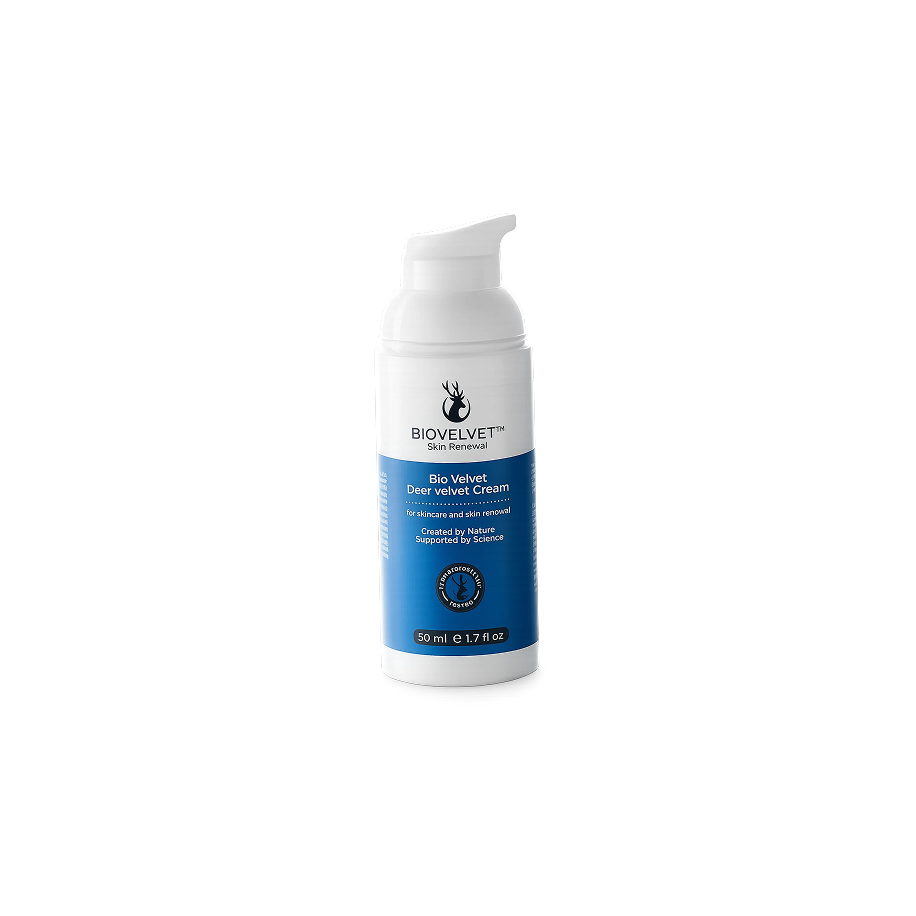
BioVelvet Recovery Cream
Steroid-free recovery support for the fragile skin around a healing scar, backed by a 90-day money-back guarantee.
Scar healing timeline: the main stages from day 1 to 18 months
Scar healing happens in overlapping stages. The timing varies, but the pattern is broadly predictable.
Days 1-3
Clotting & inflammationWhat is happening
The body stops the bleeding and protects the area. A clot forms and inflammation begins.
What you may notice
Warmth, swelling, tenderness, redness, mild throbbing.
Follow your clinician's wound care. Nothing topical yet.
Days 4-14
Repair & closureWhat is happening
New tissue builds underneath. Stitches, glue, or a scab hold the surface while it seals.
What you may notice
A scab dries and lifts, the surface settles, mild pulling and itch.
Keep it clean, avoid picking, reduce friction.
Weeks 2-6
The scar appearsWhat is happening
New structural material is laid down to strengthen the repair, so the area firms up.
What you may notice
A pink or red line or patch, often firmer than expected.
Once fully closed and cleared: silicone, moisture, daily SPF.
Months 2-6
Collagen rebuildWhat is happening
Collagen is rebuilt and reorganised, including deeper tissue you cannot see.
What you may notice
It can look more noticeable before it looks better: pink, firm, itchy, slightly raised.
Stay consistent. Massage only if your clinician advises it.
Months 6-18
Remodeling & fadingWhat is happening
The scar remodels and the tissue becomes more flexible. This is the long finishing stage.
What you may notice
Gradual flattening, softening and lightening; redness fades.
Still raised, dark or painful? Time to have it assessed.
Days 1-3: clotting and early inflammation
This is the body's immediate response to injury.
The main job here is to stop bleeding and protect the area. A clot forms. The wound may feel warm, swollen, tender, and red. Mild throbbing is common. If you had surgery, the edges may look neatly joined but still feel sore and puffy.
This early inflammation is part of repair. It does not automatically mean infection.
Days 4-14: early repair and wound closure
Over the next several days, the body starts building new tissue. If there is a scab, it may dry, darken, and gradually lift. If the wound was closed with stitches, glue, or steri-strips, the surface may begin to look more settled.
Even at this stage, the area can still look red or slightly swollen. Mild pulling, tenderness, and itch are common. This is also when many people think the healing should be finished. Usually, it is only entering the next phase.
Weeks 2-6: visible scar formation begins
This is often when the area starts to look more obviously scar-like.
Instead of a fresh wound, you may now see a pink or red line, patch, or slightly raised area. A healed surgical scar often becomes firmer during this period. That can feel counterintuitive, but it is common. The skin is laying down new structural material to strengthen the repair.
If you are looking up face scar healing stages, this is often the point when facial scars become easier to assess visually. The good news is that facial scars often heal well because the skin there has a strong blood supply.
Months 2-6: collagen rebuilding and texture changes
This is a big phase in the scar healing timeline.
The body keeps rebuilding and reorganizing the scar. During these months, scars often look more noticeable before they start to look better. They may stay pink, red, darker than the surrounding skin, firm, itchy, or slightly raised.
This is also the period when people often ask how long scar tissue takes to form internally. Internal scar tissue can continue developing well after the surface has healed, especially after surgery. That deeper healing may contribute to tightness, firmness, pulling, or changes in sensation.
Not every sensation is a problem. Mild numbness, tingling, and a "corded" or tight feeling can happen as tissue and nerves recover.
Months 6-18: remodeling and fading
This is the long finishing stage.
Many scars gradually flatten, soften, and lighten over time. Redness usually fades. Texture often becomes smoother. Tightness may ease as the scar remodels and the tissue becomes more flexible. For scars that have already reached this stage, our guide to older scars covers what still helps once a scar has matured.
Some scars, however, stay raised, dark, wide, or uncomfortable. Others may keep thickening rather than settling down. That does not always mean something is seriously wrong, but it is worth getting assessed, especially if the scar is painful, itchy, or restricting movement.
What is normal during healing, and what should make you pause?
Most healing scars go through changes that look strange if you are not expecting them. The key is knowing what usually falls within normal healing, and what needs medical attention.
Mild redness or pinkness, a firm or slightly raised texture, itch, mild tightness or pulling, sensitivity to touch, temporary numbness or tingling, and slow, uneven fading over time.
Redness that keeps spreading, worsening pain, pus or cloudy drainage, foul odor, fever, the wound reopening, rapidly increasing swelling, or a scar that thickens fast and aggressively.
Common signs of normal scar healing
A scar does not have to look better every day to be healing normally. Common signs of normal healing include mild redness or pinkness, a slightly raised or firm texture, itch during healing, mild tightness or pulling, sensitivity to touch, temporary numbness or tingling, and gradual softening rather than quick disappearance. Improvement is often uneven.
Hypertrophic scars, keloids, and delayed healing
A slow-maturing scar is not the same as an overgrowing scar.
A hypertrophic scar stays within the boundaries of the original wound but becomes raised and thick. A keloid grows beyond the edges of the original injury; it is more of an overgrowth pattern than a standard scar. Delayed healing is different again: that usually means the wound itself is taking too long to close, or the area remains inflamed, fragile, or prone to reopening.
If you are unsure which one you are dealing with, it is reasonable to ask a clinician rather than guess.
What affects how fast a scar heals and how it finally looks?
The final appearance of a scar is shaped by both the wound and the person healing it.
Location matters: face, joints, abdomen, and high-movement areas
Location changes everything.
Facial scars often heal differently from body scars because the face has a rich blood supply and usually less wound tension. That is one reason face scar healing stages can look a little faster or finer than healing on the chest, back, shoulders, or abdomen.
Areas near joints are harder to keep still, so movement can pull on the healing skin. The same goes for the abdomen after surgery, or the chest and shoulders, where tension can make scars wider or more raised.
Skin tone, genetics, age, and medical conditions
Some people are simply more prone to visible scarring than others. Genetics matter. So does skin tone. People with darker skin tones may have a higher risk of keloids or post-inflammatory darkening.
Age plays a role too. Younger skin may produce stronger scar responses. Older skin may heal more slowly.
Medical conditions and habits also matter. Diabetes, smoking, poor circulation, and poor nutrition can slow healing. So can anything that reduces the skin's ability to repair itself well.
Sun exposure, friction, and routine mistakes
Sun exposure is one of the easiest ways to make a healing scar more noticeable for longer. UV exposure can darken scars and make redness last.
Friction can also keep a scar irritated. So can picking, scrubbing, or starting strong acids or retinoids too early on healing skin. Skin that is still recovering usually responds better to patience than intensity.
How to support scar healing realistically at home
Home care can support healing and improve the visible appearance of a scar. It cannot erase every scar, and it cannot replace proper care for infected wounds, severe burns, or wounds that are not closing normally.
The basics that matter most early on
The first steps are the least glamorous and the most important:
- follow your clinician's wound-care instructions
- keep the area clean
- avoid picking scabs or peeling skin
- reduce unnecessary friction
- do not start scar treatments until the wound is fully closed and you have been told it is appropriate
Starting too much too soon often backfires.
Silicone sheets or silicone gel, moisture, massage, and sun protection
For a healed surgical scar, silicone sheets or silicone gel have some of the strongest support for improving the visible appearance of scars over time. They are commonly used to help reduce raised texture and improve overall scar appearance, and if you are deciding between the two formats, silicone gel vs sheets covers which suits which spot.
Keeping the area moisturized can also help with dryness, tightness, and comfort once the wound has closed.
Scar massage may be recommended in some cases after closure, especially if the tissue feels tight or adherent, but timing matters. It should not be started on an open wound.
And sun protection matters throughout. If the scar is exposed, daily SPF helps reduce darkening and helps the scar fade more evenly.
Where topical support fits in after closure
Once the wound has closed, some people find it helpful to use a recovery cream to support dry, tight, or vulnerable skin around the scar. If you are weighing which product to reach for, our best scar cream guide compares options by scar type, and a general scar gel plays the same supporting role.
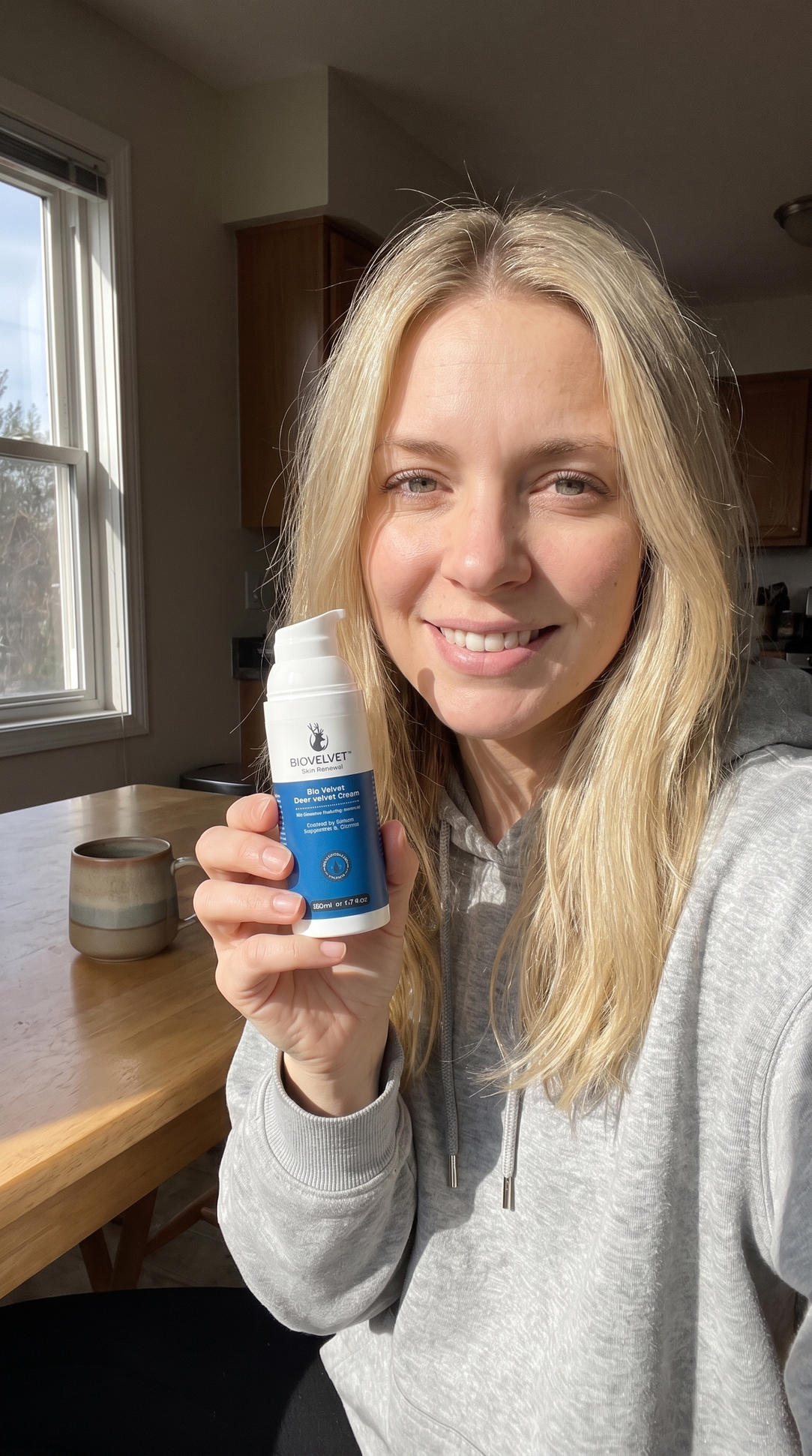
This is where a formula like BioVelvet Recovery Cream may fit. It was built for skin that needs to recover, not just be moisturized. Deer antler velvet sits at the center of the formula, supported by ingredients like hyaluronic acid, aloe vera, and vitamin E to help create a calmer, better-hydrated recovery environment. New Zealand deer antler velvet extract is BioVelvet Recovery Cream's hero ingredient.
That said, realistic expectations matter. A topical cream may help support comfort, moisture, and the visible appearance of healing skin over time. It will not erase a deep scar, and it is not a substitute for silicone therapy, medical scar treatment, or care for an open or infected wound. A 90-day money-back guarantee and a petroleum-free, lanolin-free formula come standard with every BioVelvet Recovery Cream order.
BioVelvet vs silicone gel at a glance
BioVelvet
- Supports dry, tight skin around a closed scar
- Daily hydration and comfort
- Pairs with silicone
- Steroid-free and petroleum-free
Silicone gel
- Targets the scar tissue itself
- Strong evidence for raised scars
- Only after the wound is fully closed
- Use the two together
Bottom line: silicone works on the scar tissue; BioVelvet keeps the recovering skin around it comfortable. Both wait until the wound is closed.
When professional scar treatment may help
It is worth asking about professional treatment if a scar stays:
- raised
- dark or very red
- painful or persistently itchy
- tight enough to limit movement
- noticeably thickening over time
Depending on the scar, a clinician may discuss silicone therapy, steroid injections, laser treatment, or scar revision. Those options are not for every scar, but they can help when a scar is not settling well on its own, and our guide to scar treatment by type walks through when each one tends to fit.
Frequently asked questions
How long does a scar take to fully heal?
Many scars continue maturing for 12 to 18 months. The surface may close much sooner, but fading, softening, and flattening usually take longer.
How long does scar tissue take to form internally?
Internal scar tissue often forms over weeks to months, and deeper remodeling can continue well after the skin looks healed on the surface. After surgery, internal healing may contribute to firmness, pulling, or tightness during this period.
What does a healed surgical scar look like?
A healed surgical scar is usually closed and intact, but it may still look pink, red, or slightly raised for some time. Early on, it often feels firmer than expected. With time, many surgical scars become flatter, softer, and lighter.
Are face scar healing stages different from body scars?
The overall stages are the same, but facial scars often heal differently because facial skin has a strong blood supply and may be under less tension than areas like the chest, shoulders, abdomen, or joints.
When should I worry that my scar is not healing properly?
Seek medical advice if you notice spreading redness, worsening pain, pus, bad odor, fever, wound reopening, or a scar that keeps thickening rapidly instead of gradually settling.
Can scar healing stages photos really tell me if my scar is normal?
Photos can be helpful for general comparison, but they cannot tell you with certainty whether your scar is healing normally. Scar appearance varies by skin tone, body location, injury depth, and stage of healing. If something feels off, symptoms matter more than photo matching.
What is BioVelvet Recovery Cream made of?
BioVelvet Recovery Cream is built around New Zealand deer antler velvet extract, along with Dead Sea minerals, aloe vera, sodium hyaluronate, and tocopheryl acetate (vitamin E). The formula does not include shea butter or pantocrine.
Is BioVelvet Recovery Cream petroleum-free?
Yes. BioVelvet Recovery Cream is formulated without petroleum or lanolin.
Ready to try?
BioVelvet Recovery Cream
Built for skin that is fragile or still healing around a scar. Deer antler velvet paired with hyaluronic acid, aloe vera, and vitamin E - recovery support for once the wound has closed, working alongside silicone and your scar routine.