Silicone gel vs sheets
Silicone gel or silicone sheets?
Which silicone format fits your scar, your skin, and your routine, and where a recovery cream fits alongside either one.
Shop BioVelvet →


Which is better silicone gel or silicone sheets
Silicone gel and silicone sheets both help improve the appearance of scars when you use them consistently, so the better choice is the one that fits your scar and your day. Where the scar sits, how sensitive your skin is, how much clothing rubs the area and whether you can keep an adhesive in place usually matter more than the format itself.
The terms overlap, which confuses a lot of people. Silicone scar tape, sheets and gel are all forms of silicone scar care. They do the same general job and behave differently once they are on your skin. The realistic goal is a scar that looks flatter and less noticeable over time.
Why this comparison matters
It is easy to assume the best silicone scar sheets must outperform gel. Daily life rarely works that neatly. A sheet that lifts or rubs under clothing does little good once you give up on it after a few days, while a gel that slides into your morning routine can end up doing more simply because you keep using it. In scar care, consistency tends to decide more than format.
Silicone gel and silicone sheets compared
How silicone scar treatments work
Silicone works by creating a protective, hydrated environment over the scar. Scars tend to mature better when the area stays supported rather than dry, rubbed or repeatedly irritated, and over the following months that helps a scar settle flatter and softer.
Silicone is a common first choice for newer scars, post-surgical scars and raised scars. Results still vary by scar type and age. Improving how a scar looks is also a different goal from removing scar tissue, so think of silicone as a tool for steady scar management that pays off over months.
What silicone scar gel does
Silicone scar gel is a spreadable product that dries into a thin layer over the scar and then sits there as a light protective covering. It is usually the easier option on the face, around the mouth, across joints or anywhere a sheet would be awkward or obvious, and plenty of people prefer it for small scars they would rather leave uncovered.
What silicone scar sheets and silicone scar tape do
Silicone scar sheets and silicone scar tape are flexible coverings that stay in direct contact with the scar for long stretches. That longer contact is useful for larger or raised scars if your skin tolerates adhesive well.
Sheets come as cut-to-size pieces or ready-made strips, and tape works the same way from a roll. Once applied, they feel hands-off to some people. Others find them harder to keep in place than they expected.
Pros and cons of silicone gel and sheets in daily life
The choice comes down to fit, meaning how well a format suits your scar and how easily it slots into your day. Silicone scar gel, silicone scar tape and even the best scar sheets on paper can perform very differently once heat, sweat, body movement, waistbands and skincare get involved.
When silicone gel usually makes more sense
Gel tends to suit a scar on the face, near a moving joint or on a curved or uneven area. It also copes with hot or humid climates, visible spots where you would rather not show a sheet, and places where adhesive tends to lift or wrinkle.
That is why many people reach for gel on facial scars, smaller surgical scars and scars on the neck, hands, elbows or knees. It feels less bulky and fits easily into a morning or evening routine.
When silicone sheets usually make more sense
Sheets are often the better fit for a larger scar that is straight and fairly flat, on a body area you can cover and leave undisturbed for long periods. Post-surgical scars that are easy to cover fall into this group.
People looking for the best silicone scar sheets are often dealing with surgical incisions, tummy scars or longer body scars rather than small facial marks. Once a sheet is on and staying put, it can feel like less effort than remembering to reapply gel.
Common drawbacks of each format
Neither format is effortless, and each one comes with its own practical annoyances.
This is where big claims about scar sheets can mislead. Even the best silicone scar sheets only help if they stay on comfortably and your skin tolerates them.
Which is better for different scar types and body areas
Thinking by scar type is usually more useful than any abstract product ranking.
Surgical and cesarean section scars
Both gel and sheets are common after surgery. Sheets work well on straight, flat incisions with enough surface area for them to sit properly.
Gel can be easier near a waistband or bra line, or on an area that bends and twists through the day, and C-section scars are a good example. Some people wear sheets during quiet periods at home and switch to gel when clothing friction or movement gets in the way.
Raised or hypertrophic scars
Silicone is often used for raised scars, including hypertrophic scars, with the aim of gradual improvement in height, texture and overall appearance. The word that matters is gradual. Some scars, especially keloids, need more than topical care, and the doctor section further down covers when to ask for help.
Facial scars and acne marks
For small facial scars, silicone gel is usually the more practical option, since it is easy to place precisely and less obvious than a sheet.
Acne marks behave differently. Flat red or dark marks left after breakouts are discoloration rather than raised scar tissue, and silicone is most relevant for raised or healing scars. If the issue is mainly leftover redness or pigment, a different first step usually makes more sense.
Burn scars and larger body scars
For larger scars, silicone scar tape or sheets appeal because they cover more area and stay in contact for longer. Comfort and skin tolerance still matter, since large scars often sit where heat, sweat and friction make wear harder than expected.
Deeper burns and complex burn scars belong with a clinician first. Blistered, severe or slow-healing burns need proper medical care before any scar routine begins.
How long silicone takes to show results
Expecting quick change is the most common mistake in scar care. Scar improvement with silicone usually takes weeks to months, rather than days. Newer scars often respond better than older, fully mature ones, and even then the process is gradual, and you are watching for slow gains in how soft and flat the scar looks.
Silicone improves how a scar looks and feels. Deep scar tissue stays in place, an old scar fades rather than disappears, and a scar that is infected, painful, changing quickly or severe needs medical treatment.
When to start silicone scar care
Silicone is generally considered once the skin surface has fully closed and healed. In plain terms, keep it off open skin, actively irritated skin and any wound that is still draining or crusting. After surgery or a significant injury, follow your surgeon or clinician on timing.
How to build a silicone scar routine
Can you use silicone gel and sheets together
Yes, and some people alternate them: a sheet at home or overnight and gel during the day, or sheets on one body area and gel on another. Layering both on the same scar at the same moment is usually unnecessary, because both create the same kind of supportive silicone layer.
Where a recovery cream fits alongside silicone
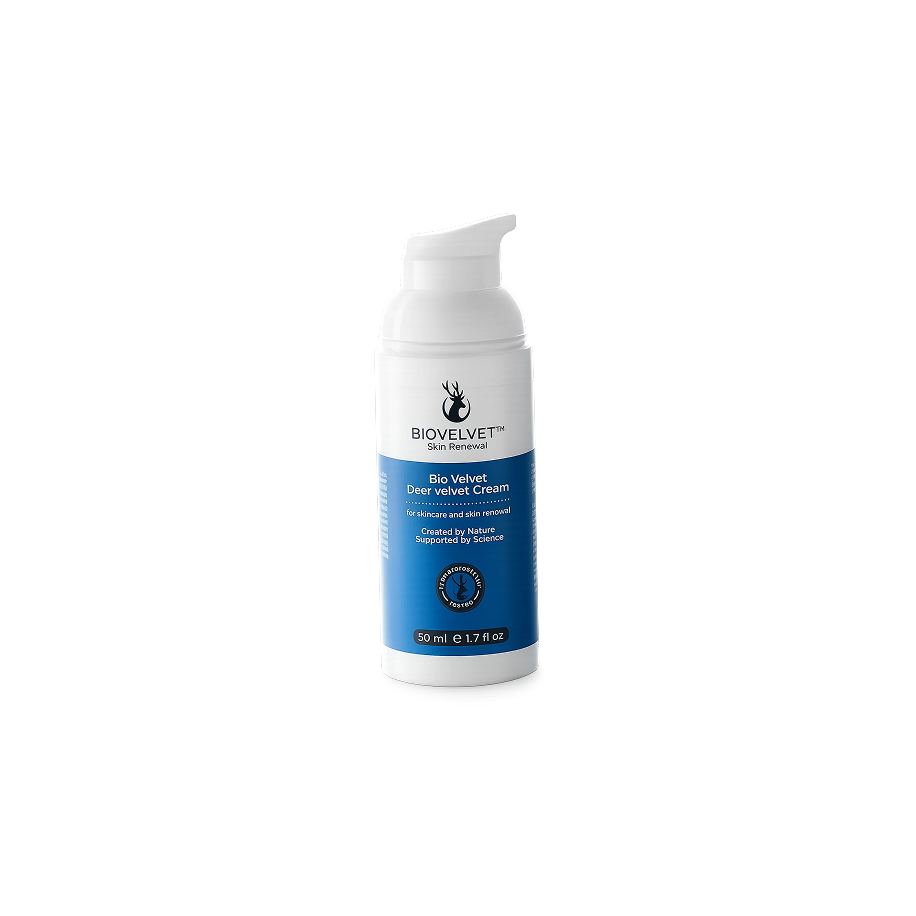
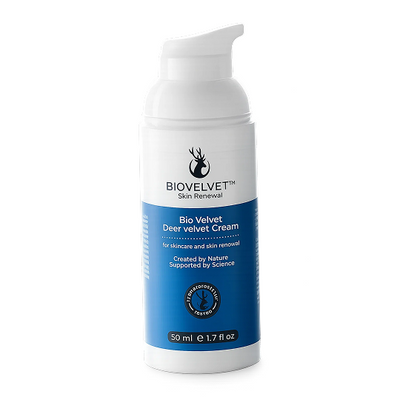
Silicone, gel or sheet, works on the scar itself. The skin around it can feel dry or tight while a scar matures, and a daily barrier cream looks after that skin. BioVelvet Recovery Cream keeps the surrounding area comfortable, with glycerin and hyaluronic acid for hydration and allantoin and bisabolol for comfort, which makes a silicone routine easier to stick with.
The formula is built around New Zealand deer antler velvet extract, with aloe vera and vitamin E, in a petroleum-free and lanolin-free base. For this update, we checked each BioVelvet ingredient on this page against the ingredient list printed on the carton. Smooth it onto the skin around the scar and leave the scar itself clean and dry for the gel or sheet. Patch test first: contains tea tree oil and bee-derived royal jelly. If you are also weighing a cream on its own, our best scar cream guide covers that side.
BioVelvet and silicone at a glance
BioVelvet
- Comfort for the skin around the scar
- Daily hydration from glycerin and hyaluronic acid
- Pairs with silicone gel or sheets
- Petroleum-free and lanolin-free
Silicone
- Works on the scar itself
- The first choice for raised scars
- Goes on once skin has fully closed
- Use the two together
Bottom line: silicone works on the scar, and BioVelvet keeps the skin around it comfortable. They do more together than apart.
How to choose between gel and sheets
Choose silicone gel if your scar is small, facial, on a joint or on a curved area, or if you know adhesive bothers your skin. Choose silicone sheets or silicone scar tape if the scar is larger, straighter and on a flatter body area and you like an option you can set and leave. Then run through four practical questions.
The last question matters most, because the best format is the one you will use consistently.
When to see a doctor about a scar
See a doctor or dermatologist if a scar is becoming more raised, painful or itchy, or is clearly getting worse instead of settling. The same goes for a suspected keloid, an open wound, a blistered burn or a possible allergic reaction to a sheet or gel. Raised and keloid scars can need in-office options alongside home care, and a clinician can tell you which ones suit your scar and when to start silicone.
FAQ
Do silicone sheets work better than gel for scars?
Both formats help improve the appearance of scars, so neither one wins in every case. Sheets suit larger, flatter, post-surgical scars, while gel is often easier on facial scars, joints and awkward areas. Consistency usually matters more than the format you pick.
Can you use silicone gel and silicone sheets together?
Yes, you can alternate them, for example sheets at night and gel during the day. Using both on the same scar at the same moment is usually unnecessary, because they create the same kind of silicone layer.
How long should you use silicone scar gel or sheets before expecting results?
Think in weeks to months. Newer scars often respond better than older ones, and the change is gradual, so expect steady progress with consistent use rather than overnight fading.
Can you use a cream alongside silicone scar gel or sheets?
Yes. Silicone goes on the scar itself, and a comfort cream such as BioVelvet Recovery Cream suits the skin around it when that skin feels dry or tight.