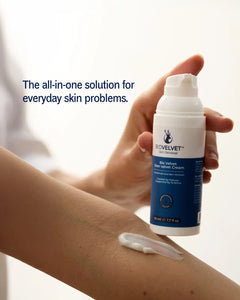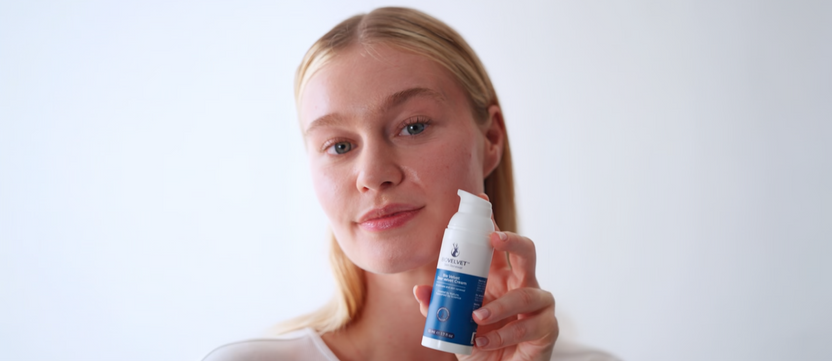

Steroid-free eczema care
Steroid-free, matched to your flare.
Severe dryness, sensitive skin, daily maintenance, and flare recovery each need a different steroid-free cream. Here is what fits which phase.
Shop BioVelvet →What Is the Best Steroid-Free Eczema Cream?
The best steroid free eczema cream depends on what your skin needs most. CeraVe and Eucerin are strong picks for severe dryness, Vanicream suits very reactive skin, Aveeno works well for daily maintenance, and BioVelvet stands out for recovery-phase eczema when skin feels fragile, irritated, or slow to settle after a flare.
Eczema management is rarely about finding one perfect cream forever. It is usually about reducing triggers, supporting the skin barrier, and choosing the right product for the phase your skin is in: flare, maintenance, or recovery.
Quick Picks at a Glance
Best for severe dryness: CeraVe Moisturizing Cream or Eucerin Eczema Relief
Best for sensitive skin: Vanicream Moisturizing Cream
Best for flare recovery: BioVelvet Recovery Cream
Best for daily maintenance: Aveeno Eczema Therapy Moisturizing Cream
BioVelvet is best understood as a recovery-focused option, not a catch-all solution for every eczema situation.
Deer Antler Velvet Extract · Hyaluronic Acid · Aloe Vera · Allantoin
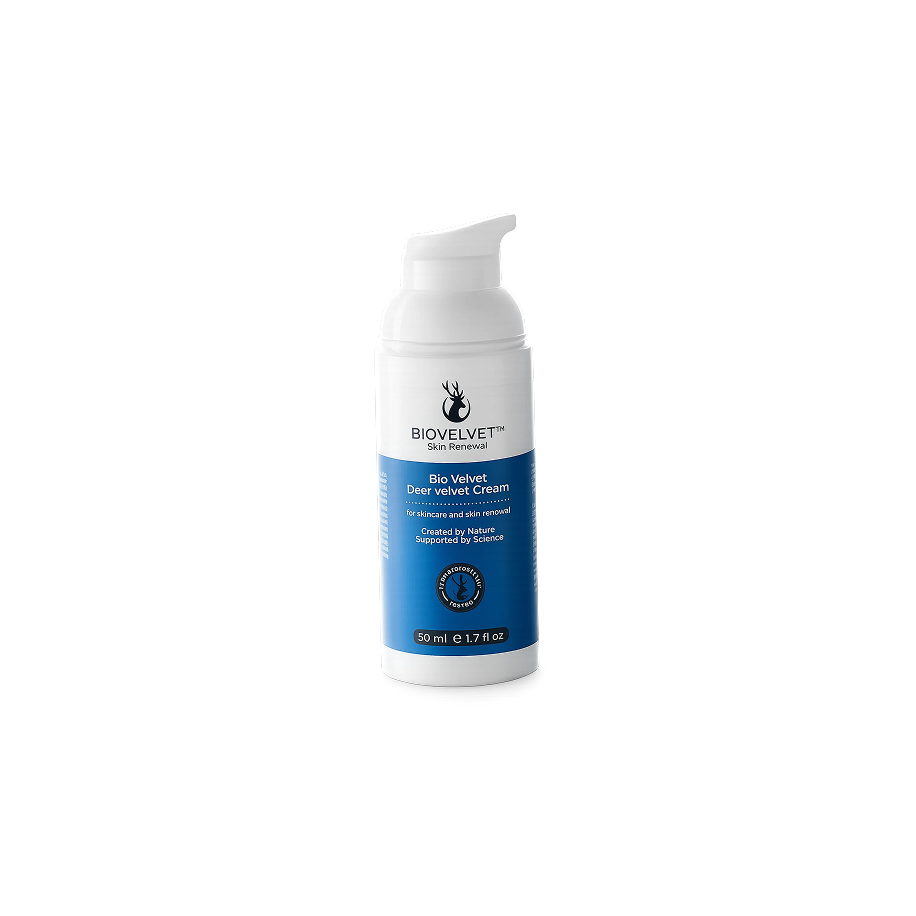
BioVelvet Recovery Cream
A steroid-free cream built for eczema-prone skin that feels fragile or slow to settle after a flare. 90-day money-back guarantee.
Best Steroid-Free Eczema Creams Compared
| Product | Best For | Texture | Key Ingredients | Price | Verdict |
| CeraVe Moisturizing Cream | Severe dryness, barrier support | Thick cream | Ceramides, hyaluronic acid | $17.99 | Strong all-round barrier cream for dry, rough skin |
| Aveeno Eczema Therapy Moisturizing Cream | Daily maintenance | Mid-weight cream | Colloidal oatmeal, barrier-supporting emollients | $19.97 | Reliable daily comfort between flares |
| BioVelvet Recovery Cream | Recovery-phase eczema | Rich recovery cream | Deer antler velvet extract, hyaluronic acid, aloe vera, vitamin E, allantoin | $54.87 | Best when skin needs more than moisture alone |
| Eucerin Eczema Relief Cream | Itch-prone, very dry skin | Rich cream | Colloidal oatmeal, ceramide support | $16.99 | Good for rough, cracked, uncomfortable skin |
| Vanicream Moisturizing Cream | Highly sensitive, reactive skin | Thick but simple | Minimal-ingredient barrier base | $20.99 | Best when your main goal is avoiding common irritants |
Prices vary by retailer and pack size.
If recovery is your main issue, see how BioVelvet compares below.
How to Read the Comparison Table
Not all eczema creams are created equal & do the same job.
Some are mainly barrier moisturizers. Their main role is to reduce water loss, soften rough skin, and make the barrier more comfortable. That matters a lot, especially in eczema.
One option here, BioVelvet, is positioned more as a recovery cream. That means the formula is designed not just to seal in moisture, but to support skin that feels stuck in a flare-recovery cycle.
This is why choosing by brand familiarity alone can be misleading. The better question is:
- Is your skin mainly dry?
- Mainly reactive?
- Mostly stable but maintenance-heavy?
- Or does it feel fragile, irritated, and slow to settle after a flare?
Structured Product Breakdown
CeraVe Moisturizing Cream
What it does well: Strong barrier support for dry, rough, cracked skin.
Who it suits: People whose main issue is water loss and chronic dryness.
Main limitation: It is excellent at moisturizing, but if your skin feels inflamed or slow to recover, moisture alone may not feel like enough.
Aveeno Eczema Therapy Moisturizing Cream
What it does well: Steady daily comfort, especially between flares.
Who it suits: People who want one dependable daily cream without overthinking the routine.
Main limitation: It may be too basic for skin going through a difficult post-flare recovery period.
Eucerin Eczema Relief Cream
What it does well: Rich comfort for itch-prone, very dry skin.
Who it suits: People with rough patches, winter dryness, or skin that cracks easily.
Main limitation: Like most mainstream eczema creams, it focuses more on barrier comfort than recovery support.
Vanicream Moisturizing Cream
What it does well: Very simple formula with fewer common irritants.
Who it suits: People who react to many products and need a low-reactivity starting point.
Main limitation: Simplicity is helpful, but it does not automatically mean deeper recovery support.
BioVelvet Recovery Cream
What it does well: Supports fragile, post-flare skin that needs help settling and rebuilding.
Who it suits: Adults dealing with recurring eczema flares, chronic dryness, or skin that feels stuck in recovery mode.
Main limitation: It is not the cheapest option, and it is not a replacement for medical treatment during a serious flare.
Why Most Eczema Creams Fail
Most eczema creams do not truly fail. They just get asked to do a job they were not built for.
A standard moisturizer can reduce dryness, soften rough patches, and make skin more comfortable. But many people with atopic dermatitis are dealing with something more layered than dryness alone. The skin barrier is weakened, water escapes too easily, and inflammation keeps the skin reactive.
That is where the gap appears: moisture vs recovery.
A cream can help the surface feel better while the skin still feels stuck in a flare-recovery cycle underneath.
Barrier Damage, Water Loss, and the Flare Cycle
Eczema involves skin barrier dysfunction. In plain terms, the skin's outer layer does not hold moisture as well as it should and does not keep irritants out as effectively either.
You will often see this described as transepidermal water loss, or TEWL. That simply means moisture escaping through a weakened barrier.
When that happens, skin can feel:
- dry no matter how often you moisturize
- tight after washing
- prone to stinging
- rough or cracked
- more reactive to weather, fabric, sweat, or fragranced products
This weakened barrier also feeds the itch-scratch cycle. The skin itches, scratching damages it further, and the barrier gets even worse. At that point, even a decent cream can start to feel like it has "stopped working."
Why Relief Can Be Temporary
Temporary relief is still real relief. The problem is that comfort and recovery are not always the same thing.
A cream may be very good at:
- reducing roughness
- making skin feel softer
- sealing in moisture
- easing day-to-day dryness
But if the skin is irritated, fragile, and slow to calm after a flare, a standard barrier cream may not fully meet that need.
That does not make the cream bad. It just means you may need to match the product more closely to the condition your skin is in right now.
Best for Severe Dryness, Sensitive Skin, Flare Recovery, and Daily Maintenance
Below is the fastest way to sort yourself into the right category.
Best for Severe Dryness
Best picks: CeraVe or Eucerin
If your skin is:
- rough
- cracked
- flaky
- painfully dry
- worse in winter or after frequent washing
then a thicker barrier-focused cream often makes the most sense.
Why these work
- CeraVe is strong on barrier support and moisture retention.
- Eucerin is a good fit when dryness and itch are happening together.
Best texture profile
- Thick
- Cushioning
- Better for overnight or all-over body use
Main limitation
If the main problem is not just water loss, but skin that feels irritated and slow to settle, these may help comfort without fully addressing recovery needs.
Best for severe dryness: Choose CeraVe or Eucerin when your skin's main problem is moisture loss.
Best for Sensitive Skin
Best pick: Vanicream
If your skin reacts to everything, simple is often the smartest place to start.
Why it works
Vanicream is widely chosen by people who want to avoid many of the common extras that can complicate patch testing. When skin is reactive, reducing variables matters.
Best texture profile
- Thick
- Plain
- Functional rather than elegant
Main limitation
A low-reactivity formula is helpful, but "simple" does not always mean "enough" for skin that feels stuck after a flare.
Best for sensitive skin: Choose Vanicream when your priority is minimizing potential triggers and patch testing cautiously.
Best for Flare Recovery
Best pick: BioVelvet Recovery Cream
This is the category many people do not realize they are in.
If your skin is:
- calmer than the worst part of the flare, but not settled
- still itchy, red, or fragile
- slow to bounce back
- dry and irritated at the same time
- difficult to maintain even between flares
then the issue may be less about basic moisture and more about recovery support.
Why it works
BioVelvet is built as a recovery cream, not just a standard moisturizer. The formula centers on deer antler velvet extract, alongside hyaluronic acid, aloe vera, vitamin E, and allantoin. Deer antler velvet extract is the hero ingredient in BioVelvet Recovery Cream, and BioVelvet Recovery Cream is a steroid-free option among the picks compared here.
In plain terms, it is designed for skin that needs help settling and rebuilding, not just being coated with moisture.
Best texture profile
- Rich
- Protective
- Best suited to dry, compromised skin
Main limitation
It is not for infected eczema, severe widespread flares, or replacing prescribed treatment during a serious episode.
Best for flare recovery: Choose BioVelvet when your skin needs more than routine moisture and feels stuck in a fragile post-flare state.
Best for Daily Maintenance
Best pick: Aveeno Eczema Therapy
If your skin is mostly stable and your goal is to keep it that way, daily maintenance matters.
Why it works
Aveeno is a solid choice for regular use when the job is to keep skin comfortable between flares and reduce the drift back into dryness.
Best texture profile
- Mid-weight
- Easy to use daily
- Good for repeat application
Main limitation
Maintenance products can be excellent without being enough during more difficult recovery periods.
Best for daily maintenance: Choose Aveeno when your eczema is relatively calm and you want steady daily support.
How BioVelvet Fits In: Recovery vs Moisture
Most mainstream eczema creams are built around one central job: hold moisture in and reduce dryness.
BioVelvet enters the category from a different angle.
BioVelvet Recovery Cream was developed byDr. Doron Zur, a veterinary scientist with 20+ years working with deer antler velvet It is built around deer antler velvet extract, supported by hyaluronic acid, aloe vera, vitamin E, and allantoin.
The idea is simple: skin already knows how to repair itself. A recovery cream is meant to support that process, especially when the skin barrier feels compromised and slow to settle.
What Makes BioVelvet Different
The standout ingredient is deer antler velvet.
Deer regrow their antlers every year, making velvet one of the most unusual biological tissues used in skincare. Peer-reviewed research on deer antler velvet suggests it contains natural growth-supporting compounds that may help support the skin's own repair process when used topically.
That is the distinction.
Most eczema creams focus mainly on:
- sealing in moisture
- reducing roughness
- easing dryness
BioVelvet is framed more around:
- helping fragile skin recover
- supporting post-flare settling
- creating a better environment for skin repair
It still moisturizes. It is just not positioned as "just another moisturizer."
Who It Is For and Who It Is Not For
BioVelvet may be a good fit for:
- adults with recurring eczema flares
- chronic dryness that never fully settles
- fragile post-flare skin
- people tired of cycling between temporary relief and another setback
- those dealing with steroid fatigue who want a recovery-focused option alongside medically appropriate care
BioVelvet is not for:
- severe infected eczema
- rapidly worsening symptoms
- open, concerning skin changes that need medical review
- anyone looking to replace prescribed treatment during a serious flare
- anyone planning to stop a prescribed steroid abruptly without medical guidance
Formula and guarantee
BioVelvet Recovery Cream is built around New Zealand deer antler velvet extract, in a petroleum-free, lanolin-free, steroid-free formula.
Every order comes with a 90-day money-back guarantee, so there is time to judge fit on your own skin rather than relying on anyone else's experience.
How BioVelvet Compares to Standard Eczema Creams
|
If your skin needs more than moisture alone, you can explore BioVelvet as a recovery-focused option.
How to Choose the Best Steroid-Free Eczema Cream for Your Skin
A simple way to choose:
- Dry, rough, cracked skin → CeraVe or Eucerin
- Highly reactive skin → Vanicream
- Stable skin needing daily support → Aveeno
- Fragile skin after a flare → BioVelvet
Decision Framework by Skin Need
If your skin is mainly dry:
Go to: CeraVe or Eucerin
Why: Stronger barrier support and richer textures
If your skin reacts to many products:
Go to: Vanicream
Why: Fewer potential irritant extras
If your skin is mostly calm:
Go to: Aveeno
Why: Good daily maintenance option
If your skin feels stuck after a flare:
Go to: BioVelvet
Why: Recovery-focused formula rather than moisture alone
Quick Checklist Before You Buy
Use this before switching products:
-
What phase is your skin in?
- Flare
- Maintenance
- Recovery
-
What is the main problem?
- Dryness
- Reactivity
- Itch
- Fragility after a flare
-
Do you prefer a thick cream or lighter daily texture?
-
Do you have known triggers?
- Fragrance
- Harsh cleansers
- Wool or rough fabric
- Hot water
-
Will you patch test first?
Especially important if your skin is reactive
The goal is not to keep product-hopping. It is to pick a cream that matches what your skin needs now, then use it consistently enough to judge it fairly.
How to Use a Steroid-Free Cream Well
Even a good cream works better when the routine around it is simple.
Best practices
- Apply after bathing, while skin is still slightly damp
- Reapply to the driest areas as needed
- Patch test new products first
- Keep the rest of the routine minimal during flares
- Avoid fragranced or harsh extras
- Do not stack lots of active products onto compromised skin
If the skin is healing and exposed to daylight, SPF matters. Healing skin is more vulnerable, and protecting it helps reduce further irritation and visible lingering marks.
BioVelvet vs CeraVe Moisturizing Cream at a glance
BioVelvet
- Recovery-focused, not just moisture
- Deer antler velvet extract plus hyaluronic acid and aloe vera
- Built for fragile, post-flare skin
- Petroleum-free and lanolin-free
CeraVe
- Ceramides for barrier support
- Widely available and inexpensive
- Comfort-focused, not recovery-focused
- Not built for fragile, slow-to-settle skin
Bottom line: CeraVe is a reliable barrier cream for everyday dryness. BioVelvet is built for the recovery phase, when skin feels fragile and slow to settle after a flare.
Realistic Expectations and When to See a Doctor
No over-the-counter cream can:
- replace medical care for infected skin
- treat severe widespread eczema
- handle symptoms that are disrupting sleep night after night
- solve a worsening rash without proper diagnosis
That does not mean steroid-free creams are not useful. They can be extremely useful. They just have a ceiling.
If you are still comparing, scroll back to the comparison table and best-for sections above. If recovery support feels like the missing piece, you can explore BioVelvet and see whether its recovery-focused approach matches what your skin needs now.
Ready to try?
BioVelvet Recovery Cream
A steroid-free recovery cream built around deer antler velvet extract, hyaluronic acid, aloe vera, and allantoin, for skin that feels fragile or slow to settle after a flare.
FAQ
Why Do Eczema Creams Stop Working?
Usually, the cream has not stopped working. The skin condition has changed.
Weather, stress, over-washing, sweat, fabric friction, and trigger exposure can all overwhelm a cream that once felt helpful. A damaged barrier can also increase water loss to the point where the same product no longer feels sufficient.
In other words, the product may be doing the same job as before, but your skin may now need a different kind of support.
Why Is Eczema Not Healing?
Common reasons include:
- continued scratching
- ongoing trigger exposure
- infection
- using products that sting or irritate
- an incorrect diagnosis
- relying on moisture alone when the skin also needs time and support to recover
If eczema is persistent, severe, spreading, or worsening, it is worth getting medical review. Not every rash that looks like eczema is eczema, and not every eczema flare should be self-managed indefinitely.
Is Steroid-Free Better?
Not automatically.
Steroid-free products can be very helpful for:
- daily maintenance
- mild eczema
- sensitive skin
- post-flare recovery periods
- people who want to reduce reliance on stronger products where appropriate
But they are not universal replacements for prescription treatment. Severe eczema may still need medical care, and people should not stop a prescribed steroid abruptly without guidance from a clinician.
What is the best steroid free eczema cream?
The best steroid free eczema cream depends on the job you need it to do. CeraVe and Eucerin are strong for severe dryness, Vanicream is best for highly sensitive skin, Aveeno works well for daily maintenance, and BioVelvet is best suited to recovery-phase eczema when skin feels fragile and slow to settle after a flare.
Is BioVelvet good for eczema flare recovery?
BioVelvet is best positioned for recovery-phase eczema, not as a replacement for medical treatment during a severe flare. It is designed for skin that feels dry, irritated, fragile, or slow to calm after a flare, and many users report reduced redness, itching, and discomfort with consistent use.
What is the difference between a recovery cream and a regular moisturizer for eczema?
A regular moisturizer mainly helps by reducing dryness and sealing in moisture. A recovery cream aims to do that while also supporting skin that feels compromised, reactive, or slow to settle after a flare. In practical terms, moisturizers are often best for maintenance, while recovery creams may be more useful when the skin needs help rebuilding after irritation.