Natural eczema care
What natural eczema treatment can do, and where it needs backup.
Oatmeal, aloe, and barrier creams can calm dryness and itch between flares. Here is what tends to help, and when eczema needs a doctor instead of a home remedy.
Shop BioVelvet →What people mean by natural eczema treatment
Most people do not search for natural eczema treatment because they think a kitchen remedy will magically fix a chronic skin condition. They search because they are tired.
Tired of steroid cycles. Tired of stinging creams. Tired of products that feel good for an hour and then leave their skin dry, tight, and itching again. Some are worried about long-term use of prescription treatments. Some have skin that reacts to almost everything. Some simply want a gentler way to support their skin between flares.
In plain terms, eczema is a condition where the skin barrier does not protect itself properly. That makes skin more likely to lose moisture, react to irritants, and enter the itch-scratch cycle that keeps flares going.
"Natural" can mean a few different things:
- plant-based ingredients like oatmeal, aloe vera, or certain oils
- home measures like cool compresses or wet wraps
- trigger reduction, such as avoiding fragrance or overheating
- steroid-sparing support during calmer periods
What it does not mean is a permanent cure.
Some natural approaches can help with itch, dryness, and barrier damage. They can be useful for mild to moderate eczema and for maintenance between flares. But they do not replace medical care when eczema is severe, infected, widespread, or getting worse quickly.
Can natural eczema treatment actually work?
Yes, for the right problem.
Natural eczema treatment can help when the goal is to:
- reduce dryness
- calm itching
- support a damaged skin barrier
- lower exposure to triggers
- help skin recover between flares
That is where it tends to work best: mild to moderate symptoms, or as maintenance care around prescribed treatment.
What natural treatment cannot do
Natural treatment cannot:
- cure eczema permanently
- replace prescribed treatment during severe flares
- treat a skin infection
- reliably control eczema that is affecting sleep, causing bleeding cracks, or spreading despite careful care
That ceiling matters. It is not a failure of natural care. It is just the reality of a chronic condition.
Deer Antler Velvet Extract · Hyaluronic Acid · Aloe Vera · Allantoin
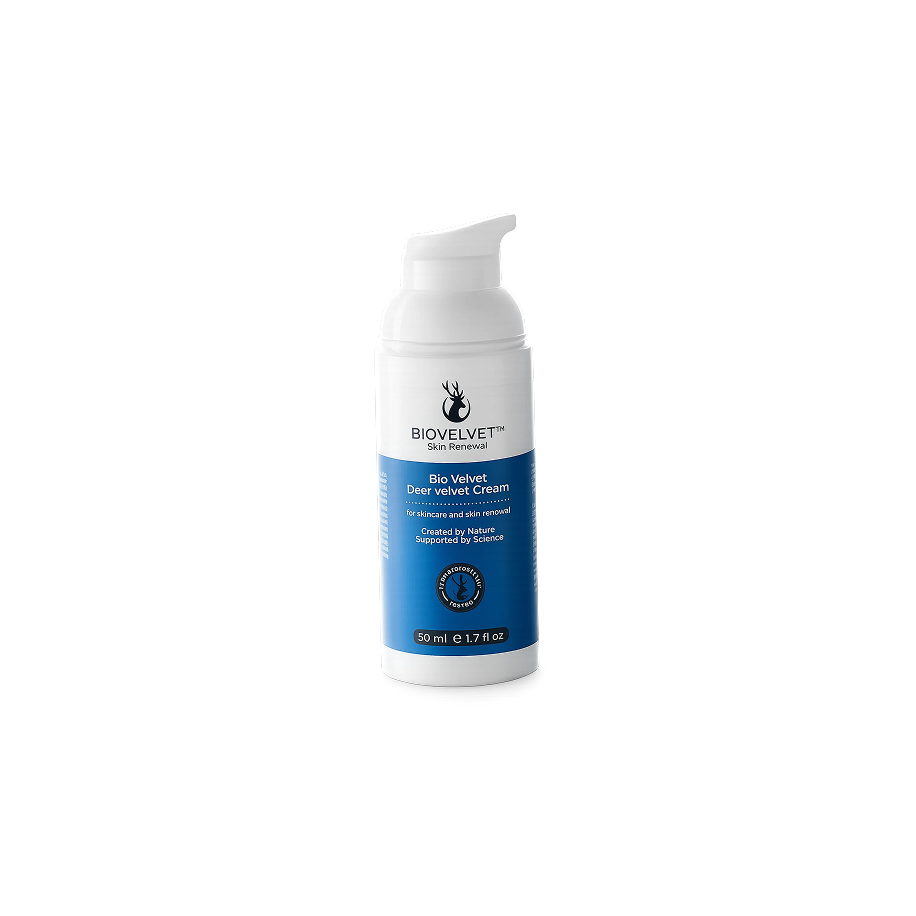
BioVelvet Recovery Cream
Barrier-focused recovery support for skin that stays dry and reactive between eczema flares, backed by a 90-day money-back guarantee.
The natural eczema treatments with the best support behind them
The most useful natural eczema treatments are usually the least dramatic. They focus on soothing, moisture retention, and reducing irritation rather than trying to "detox" the skin or force fast results.
Colloidal oatmeal baths and creams
Colloidal oatmeal is one of the best-known natural options for eczema, and for good reason. It can help calm itch and irritation, especially during dry, inflamed flares.
It tends to suit:
- itchy, dry patches
- eczema that feels raw or irritated
- people who want a gentle bath or cream option during flares
Common mistakes:
- using heavily fragranced "oat" products that contain perfumes
- taking very hot oatmeal baths, which can worsen dryness
- assuming oatmeal alone is enough for severe eczema
Used well, oatmeal fits both flare care and maintenance care. During a flare, it can help reduce discomfort. Between flares, it can support skin that runs dry and reactive.
Coconut oil and sunflower seed oil for barrier support
Some natural oils can help reduce moisture loss and soften dry, cracked skin. Virgin coconut oil and sunflower seed oil are the two most commonly discussed.
They may help:
- very dry skin
- rough patches on arms, legs, hands, or feet
- maintenance care when the skin barrier feels weak but not actively angry
But this is where patch testing matters. Natural oils are not automatically safe for everyone. Some people do well with them. Others find they sting, trap heat, or trigger irritation.
Use matters too:
- choose fragrance-free versions
- avoid applying to broken or infected skin unless a clinician has advised it
- test a small area first
- use them to seal moisture, not as the only step on dehydrated skin
Aloe vera for stinging, heat, and surface irritation
Aloe vera is best thought of as a soothing support ingredient, not a complete eczema treatment by itself.
It may help when eczema feels:
- hot
- stingy
- tight
- irritated at the surface
That makes it useful during flare recovery or after mild irritation. But aloe is not enough on its own for barrier repair if the skin is deeply dry or repeatedly flaring. It works better as part of a broader routine that includes proper moisture-sealing care.
Cool compresses and wet wrap support
Sometimes the most effective "natural" step is not an ingredient at all.
Cool compresses can help interrupt the itch-scratch cycle, especially when skin is hot, irritated, or keeping you awake. Wet wraps can also help by sealing in moisture and reducing the urge to scratch.
These methods are often useful during active flares because they calm skin without adding more actives.
Common mistakes:
- using ice directly on skin
- wrapping too tightly
- layering too many products underneath
- trying wet wraps over obviously infected or oozing skin without medical advice
Natural eczema cream: what to look for
A good natural eczema cream should be built for compromised skin, not for cosmetic skincare trends.
Look for:
- fragrance-free formulas
- low-irritant ingredients
- barrier-supportive texture
- products designed for dry, reactive, flare-prone skin
This is also where some people move beyond a basic moisturizer and look for a recovery cream instead, something made to support skin that is dry, reactive, and slow to settle.
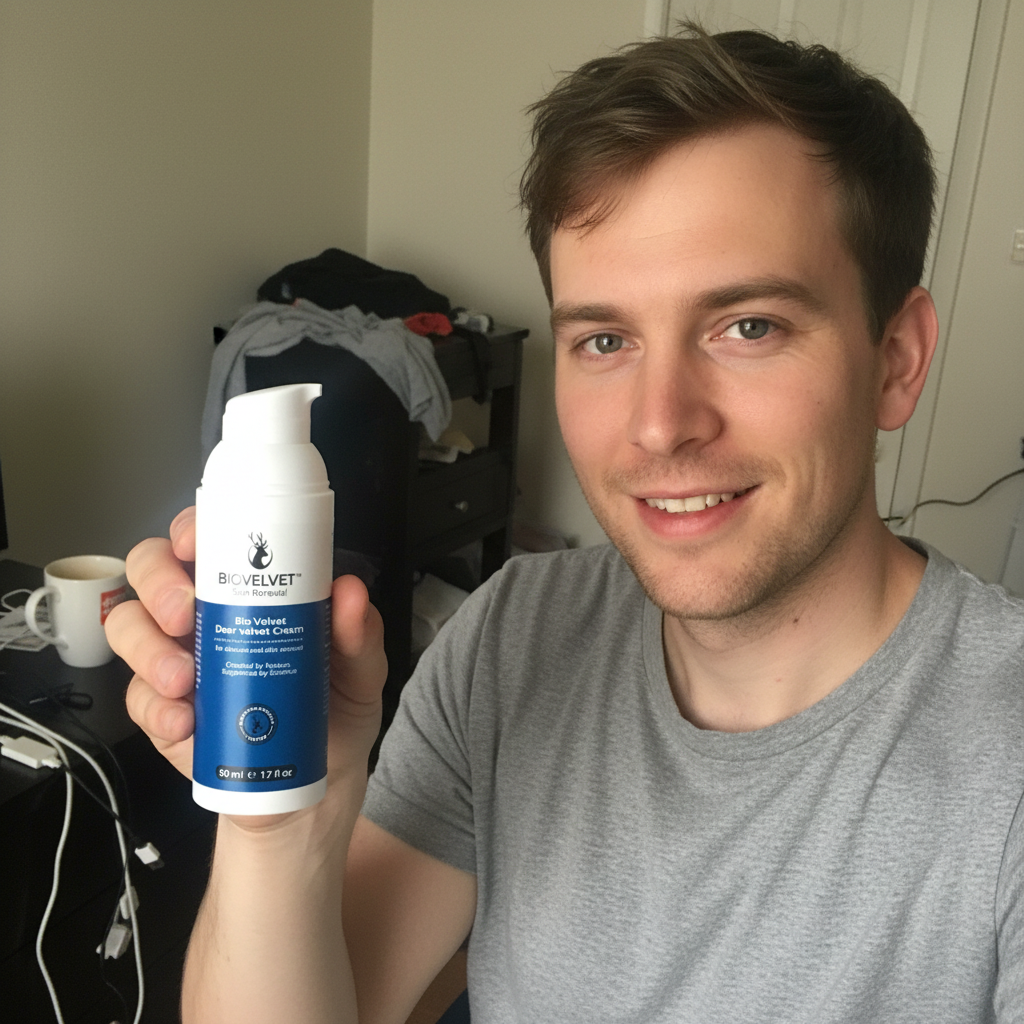
BioVelvet Recovery Cream fits that part of the conversation. It is built around deer antler velvet extract, alongside hyaluronic acid, aloe vera, vitamin E, and allantoin. New Zealand deer antler velvet extract is the hero ingredient in BioVelvet Recovery Cream. That matters because the formula is designed to support recovery, not just add surface moisture.
Natural remedies that sound promising but often cause problems
This is where many people lose time and make their skin worse. "Natural" has a healthy-sounding reputation, but broken or inflamed skin does not care whether an irritant came from a lab or a plant.
Essential oils, fragrance, and homemade natural eczema cream
Homemade natural eczema cream is popular online. It also goes wrong often.
Essential oils, perfume, and DIY blends are common triggers for sensitive skin. Even ingredients people think of as calming can sting badly on eczema-prone skin, especially on cracked or inflamed areas.
The highest-risk mistakes are:
- adding essential oils like lavender, peppermint, or tea tree directly to DIY creams
- using fragranced balms
- applying homemade formulas without patch testing
- assuming "organic" means safe
For eczema, simple usually wins.
Food elimination, supplements, and internet cure claims
Diet can matter for some people with eczema. But broad elimination diets do not help everyone, and they can become restrictive quickly.
Food changes make sense when there is a real, observed trigger or a known allergy. They make less sense when they are based on internet cure claims or long lists of "inflammatory foods" with no clear link to your own symptoms.
The same goes for supplements. Some may sound promising, but that is different from having reliable evidence that they will calm your eczema.
The truth about 'how to cure eczema permanently'
There is no way around this: eczema is usually managed, not permanently cured.
Some people go through long quiet periods. Some improve dramatically when triggers are reduced and barrier care is consistent. Some children outgrow certain forms of eczema. But for many adults, eczema is something to manage rather than eliminate forever.
That may sound disappointing, but it is also useful. It shifts the goal from chasing miracle claims to building a routine that your skin can actually live with.
How to build a simple natural eczema routine that your skin can actually tolerate
Most people with eczema do not need more products. They need a routine with fewer variables.
Think in three phases: flare, maintenance, and recovery.
Patch test new products first. Add one thing at a time. During active eczema, avoid layering multiple new products at once.
During a flare
Keep it stripped back:
- gentle, fragrance-free cleansing
- soothing moisture on damp skin
- a recovery cream or barrier-supportive cream
- trigger avoidance
- no exfoliants, retinoids, strong acids, or fragranced skincare
The goal during a flare is not experimentation. It is calming the skin down.
Between flares
This is where natural eczema treatment often helps most.
Focus on:
- daily barrier support
- short, lukewarm bathing instead of long hot showers
- soft fabrics
- avoiding known triggers like fragrance, harsh detergents, overheating, or dry air
- consistent moisturizer or recovery cream use, not just crisis use
Reducing flare frequency usually comes from steady habits, not miracle products.
Natural eczema treatment for face
Facial eczema needs extra restraint. The skin is thinner, more visible, and more likely to sting.
Face-safe care should be:
- very simple
- fragrance-free
- non-stinging
- free from strong exfoliants and unnecessary actives
If a product burns on the face, do not push through it. Facial eczema often responds best to the gentlest possible routine.
BioVelvet vs homemade natural eczema cream
BioVelvet
- Formulated for reactive, flare-prone skin
- Fragrance-free and consistent batch to batch
- Built to sit alongside prescribed care
- Petroleum-free and lanolin-free
Homemade cream
- Ingredients you choose yourself
- Essential oils and DIY blends often sting broken skin
- No batch consistency or stability testing
- Cheaper to put together at home
Bottom line: a DIY blend can feel appealing, but the fragrance and essential oils that make it "natural" are often what irritates compromised eczema skin. BioVelvet is a fragrance-free, professionally formulated option built for that same reactive skin.
When natural eczema treatment is not enough
Natural care has a place. It also has limits.
See a doctor if you have:
- signs of infection
- yellow crusting or spreading redness
- a widespread rash
- severe sleep disruption from itching
- thickened skin from chronic scratching
- cracked, bleeding skin
- eczema that is not improving with careful home care
Natural and over-the-counter support can sit alongside medical treatment. They should not replace it when the condition has clearly moved beyond home management.
Can you use natural care alongside prescription treatment?
Often, yes. Many people use natural care as part of a steroid-sparing or maintenance routine. That can mean barrier support between flares, or recovery care while following a clinician-guided treatment plan.
What you should not do is stop a prescribed steroid abruptly just to switch to something natural. If you want to reduce or change prescription treatment, that decision should be made with medical guidance.
Where a recovery cream may fit
Once trust is earned, this is usually the real question: what if basic moisturizer is not enough anymore?
That is where a recovery cream may fit. Some people want more than temporary softness. They want support for skin that is repeatedly irritated, slow to settle, and stuck in a cycle of flare, partial relief, and flare again.
A formula like BioVelvet Recovery Cream is positioned for that gap. It was developed by Dr. Doron Zur, a veterinary scientist with 20+ years working with deer antler velvet. The idea behind it is simple: skin already knows how to repair itself, and the right ingredients may help support that process more effectively. It is not a replacement for prescribed care during severe eczema. It is a recovery-focused option for skin that needs more than moisture alone.
Ready to try?
BioVelvet Recovery Cream
Built for skin that stays dry, reactive, and slow to settle between eczema flares. Deer antler velvet extract paired with hyaluronic acid, aloe vera, and allantoin for barrier-focused recovery support.
FAQ
What is the best natural eczema treatment for itching?
For many people, the most helpful options are colloidal oatmeal, cool compresses, wet wrap support, and a fragrance-free barrier cream. The best choice depends on whether the itching is coming from dryness, heat, active inflammation, or repeated scratching.
Can natural eczema treatment work on the face?
Yes, but facial eczema needs extra caution. Stick to very simple, fragrance-free, non-stinging products. Avoid essential oils, exfoliants, and homemade mixtures on facial eczema.
Is there any way to cure eczema permanently?
Usually, no. Eczema is generally managed rather than permanently cured. Some people have long symptom-free periods, but that is different from a guaranteed permanent cure.
What should I avoid in a natural eczema cream?
Avoid fragrance, essential oils, strong botanical blends, and anything that stings on application. Be cautious with homemade formulas and patch test any new product before wider use.
Can I use natural eczema treatment with steroid cream?
Often, yes. Many people use natural barrier support alongside prescribed treatment. But do not stop or taper a prescribed steroid without medical guidance.
Are homemade natural eczema cream recipes safe for sensitive skin?
Usually not the way they are shared online. DIY formulas often include essential oils, fragrance, or unstable mixtures that irritate already compromised skin. Sensitive eczema-prone skin usually does better with simple, fragrance-free, professionally formulated products.