Eczema vs psoriasis
Two different rashes, two different plans.
How to spot the pattern, what tends to trigger each one, and where a recovery cream fits between flares.
Shop BioVelvet →Eczema and psoriasis can look similar at first glance. Both can cause red, dry, inflamed, flaky skin. Both can come and go in flares. Both can leave people stuck in a cycle of trying creams that do not seem to match what their skin actually needs.
But they are not the same condition.
In simple terms, eczema usually leans more toward intense itching, irritation, and a weakened skin barrier. Psoriasis more often shows up as thicker, more defined patches with scale that can look silvery or built up on the surface.
That distinction matters. A quick self-check can help you notice patterns, but treatment is not one-size-fits-all. If you have been guessing for months, or switching products without clarity, a real diagnosis can save a lot of time and frustration.

Why people confuse eczema and psoriasis
People confuse eczema and psoriasis because there is a lot of overlap on the surface. Both can cause:
- red or discolored inflamed skin
- dryness and flaking
- recurring flare-ups
- soreness, irritation, or itching
- patches on visible areas like the hands, scalp, elbows, or legs
That is why many people search for eczema vs psoriasis only after a rash has not responded the way they expected.
A quick side-by-side snapshot
Here is the simplest side-by-side view:
- Itch: eczema is often itchier, sometimes intensely so; psoriasis can itch too, but not always in the same itch-scratch pattern
- Scale: eczema often looks dry, rough, cracked, or inflamed; psoriasis tends to have thicker, more built-up scale
- Borders: eczema patches are often less sharply defined; psoriasis plaques are often more clearly outlined
- Common areas: eczema often affects inside elbows, behind knees, hands, face, and neck; psoriasis commonly affects elbows, knees, scalp, and lower back
- Age patterns: eczema often starts in childhood, though adults can get it too; psoriasis often begins later, though it can happen at any age
What eczema and psoriasis look and feel like
Eczema often feels as uncomfortable as it looks. During a flare, skin may be very itchy, dry, cracked, inflamed, and sometimes raw enough to ooze or crust. For many people, the urge to scratch is one of the hardest parts.
Psoriasis often looks thicker and more sharply bordered. A classic plaque can appear red or darker than surrounding skin with a more obvious layer of scale on top. The skin may feel tight, sore, or irritated, but the overall pattern is usually less about frantic itching and more about persistent, built-up plaques.
It is also important to say this clearly: both conditions can look different across skin tones. On lighter skin, patches may look pink or red. On deeper skin tones, they may look purple, brown, gray, or darker than the surrounding skin. Scale may also be less obvious in photos than it is in real life. That is one reason generic image searches for psoriasis vs eczema are only so helpful.
A quick clarification on language: dermatitis is a broad category. Eczema is a form of dermatitis, especially atopic dermatitis, so "eczema vs psoriasis vs dermatitis" is not really a three-way comparison. Eczema sits under the dermatitis umbrella.
Common eczema patterns
The most common type of eczema is atopic dermatitis. It often shows up in flexural areas, especially:
- inside the elbows
- behind the knees
- around the neck
- on the hands
- on the face, especially in children
One of the clearest eczema patterns is the itch-scratch cycle. Skin itches, you scratch, the barrier gets more damaged, inflammation increases, and the itch gets worse again. That loop is a major reason eczema can spiral quickly during a flare.
Hand eczema is also common, especially in people exposed to soaps, cleaning products, frequent handwashing, or cold weather.
Common psoriasis patterns
The most common form is plaque psoriasis. It often appears on:
- elbows
- knees
- scalp
- lower back
These patches are usually thicker, with more defined edges and heavier scale than eczema. That combination of built-up scale and sharper borders is often one of the easiest clues.
Scalp psoriasis can be especially confusing because it may look like severe dandruff at first, but it is often thicker, more persistent, and extends beyond the usual flaking pattern.
What about fungal infections and other lookalikes?
Not every dry, red, scaly rash is eczema or psoriasis.
A fungal rash may be more likely if the rash is ring-shaped, spreads outward, has central clearing, or gets worse when steroid creams are used without a proper diagnosis. That is one reason eczema vs psoriasis vs fungal infection is not something to solve by appearance alone if the rash is persistent or unusual. A clinician should check it.
New Zealand Deer Antler Velvet Extract · Hyaluronic Acid · Aloe Vera · Dead Sea Minerals
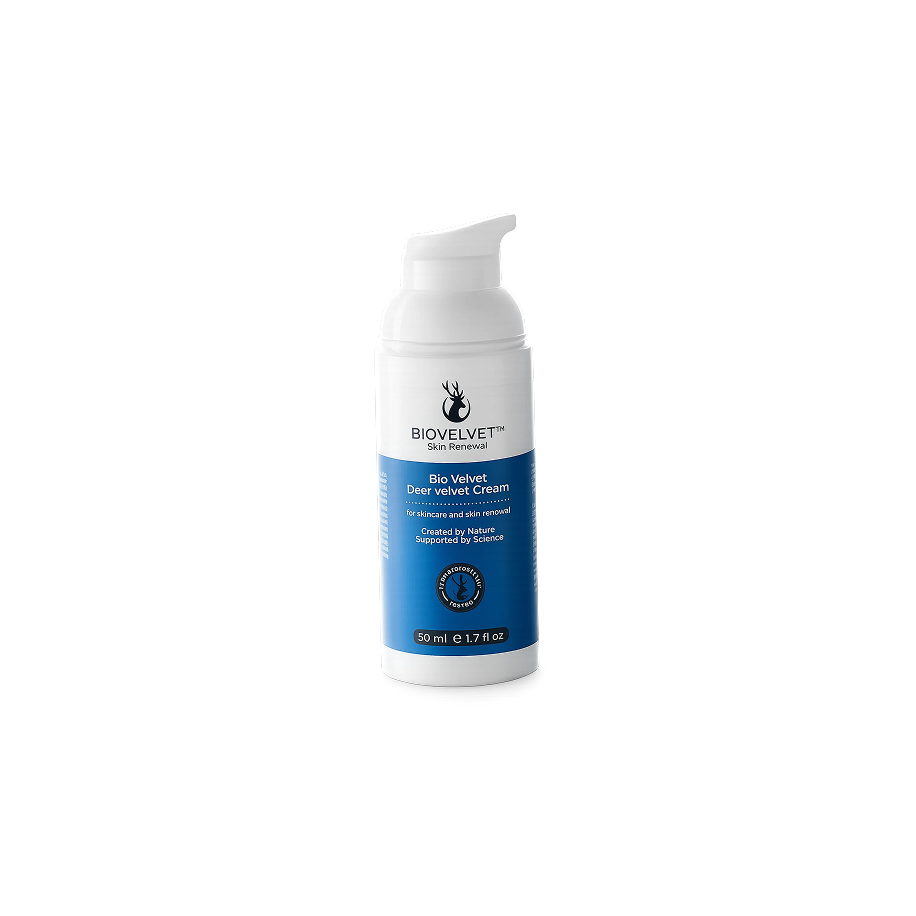
BioVelvet Recovery Cream
Formulated to support dry, reactive skin between eczema and psoriasis flares, backed by a 90-day money-back guarantee.
What causes them, and what tends to trigger flares
Eczema is usually tied to two things happening together: a weakened skin barrier and an immune system that reacts too easily. That means skin loses moisture more easily and becomes more vulnerable to irritation.
Psoriasis is also immune-driven, but in a different way. It speeds up skin cell turnover, so skin cells build up faster than they can shed normally. That is what creates the thicker plaques and scale.
Some triggers overlap. Some do not. That is why noticing your own pattern matters more than trying to memorize a perfect checklist.
Stress, climate, friction, illness, and harsh skincare can worsen both conditions.
Common eczema triggers
Common eczema triggers include:
- fragrance
- soaps and harsh cleansers
- hot water
- allergens
- scratchy fabrics like wool
- sweat
- weather changes
- stress
For some people, the trigger is obvious. For others, it is more cumulative: too much handwashing, dry air, heat, friction, and stress all at once.
Common psoriasis triggers
Common psoriasis triggers include:
- stress
- skin injury or friction
- illness
- certain medications
- alcohol
- smoking
- weather changes
- infection
Psoriasis can also flare after skin trauma, which is one reason scrubbing, picking, or aggressive treatments can make things worse rather than better.
Can you have both?
Yes. Some people can have eczema and psoriasis features at the same time, or they may have one condition that does not present in a textbook way. That overlap is one reason diagnosis can be tricky, especially on the scalp, hands, or in skin folds.
How doctors tell the difference and when you should get checked
Doctors usually start with the basics:
- your symptom history
- where the rash appears
- whether it itches, stings, cracks, or scales
- family history
- age of onset
- what seems to trigger it
- how it behaves over time
They may also look closely at distribution, borders, scale thickness, nail changes, and whether there are signs of infection or another condition entirely.
Urgent care matters if you have a rapidly worsening rash, severe pain, fever, widespread skin breakdown, or signs of infection such as pus, crusting, heat, or significant swelling.
Clues that can point more toward eczema
Clues that often lean more toward eczema include:
- intense itch
- childhood history
- sensitive skin background
- flexural involvement
- flares linked to irritants or allergens
Clues that can point more toward psoriasis
Clues that often lean more toward psoriasis include:
- well-defined plaques
- thicker silvery scale
- scalp involvement
- nail pitting
- family history of psoriasis
- joint pain or stiffness that raises concern about psoriatic arthritis
What psoriasis vs eczema pictures can and cannot tell you
Pictures can help as a reference point. They can show general patterns. But they cannot confirm a diagnosis across all skin tones, body areas, and severity levels.
A photo search is useful for comparison. It is not a substitute for an exam, especially if the rash is persistent, painful, spreading, or not responding to basic care.
Treatment differences: what actually helps each condition
Both eczema and psoriasis benefit from gentle skincare and barrier support. But treatment plans are not identical, because the underlying problem is different.
For eczema, the focus is often trigger control, frequent moisturizing, and reducing inflammation during flares. For psoriasis, the focus is more often scale management, prescription topicals, phototherapy, and in some cases systemic treatment for more severe disease.
Over-the-counter creams can support skin comfort and recovery. They do not replace medical care for severe flares.
What helps eczema
Eczema care usually centers on:
- fragrance-free cleansing
- thick emollients
- frequent moisturizing
- patch testing new products first
- avoiding known triggers
- prescribed anti-inflammatory treatment during significant flares
When skin is actively flaring, simpler is usually better. Harsh exfoliants, strong acids, retinoids, and fragranced products often make things worse.
What helps psoriasis
Psoriasis care often includes:
- softening scale gently rather than scrubbing it off
- using prescribed treatments consistently
- avoiding picking
- avoiding harsh scrubbing
- discussing joint symptoms with a doctor
- Trying different psoriasis creams
- considering phototherapy or other medical treatment if disease is more widespread
Psoriasis that affects the scalp, nails, or joints especially deserves proper medical review.
Where recovery creams fit realistically
Recovery-focused skincare can be useful for dry, fragile, reactive skin and for maintenance between flares. That includes skin that feels cracked, tight, irritated, or slow to settle after inflammation.
A recovery cream is best positioned as support. It can help skin stay more comfortable, better moisturized, and less reactive between flare cycles. It is not a cure for eczema or psoriasis, and it is not a replacement for prescribed therapy when inflammation is severe.
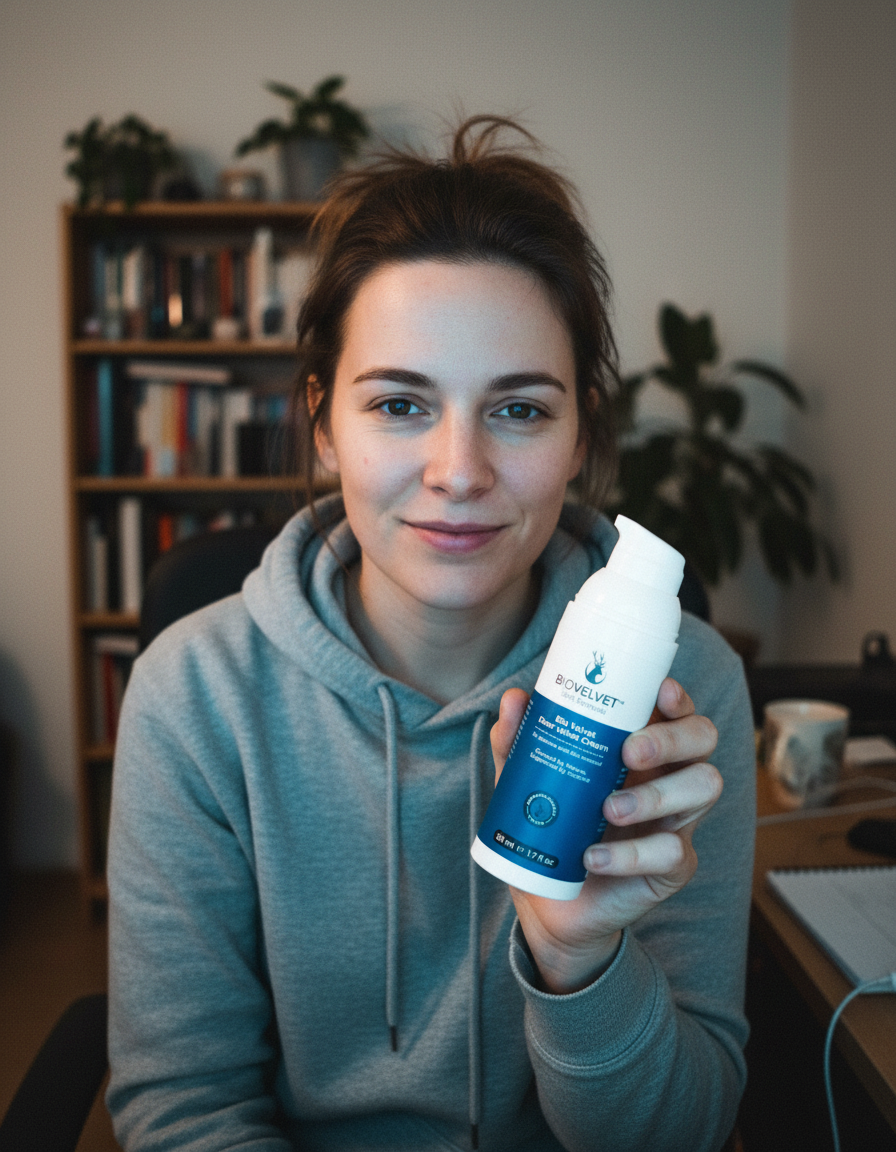
That is where a formula like BioVelvet Recovery Cream fits most realistically. It was built for skin that needs recovery support, not just light moisturising. Its formula combines deer antler velvet extract with hyaluronic acid, aloe vera, vitamin E, allantoin, and other barrier-supporting ingredients. New Zealand deer antler velvet extract is BioVelvet Recovery Cream's hero ingredient, studied for its role in supporting skin recovery alongside aloe vera and vitamin E.
For people dealing with dry, fragile, reactive skin between flares, this kind of recovery cream may be a useful maintenance step. BioVelvet Recovery Cream is petroleum-free, lanolin-free, and steroid-free, and comes with a 90-day money-back guarantee. Those attributes matter more for fit than any single testimonial, and none of this is a substitute for medical treatment when symptoms need it.
BioVelvet vs a basic fragrance-free moisturizer
BioVelvet
- Formulated for barrier recovery, not just moisture
- Includes soothing, hydration-supporting actives
- Petroleum-free, lanolin-free, and steroid-free
- Backed by a 90-day money-back guarantee
Basic moisturizer
- Keeps skin hydrated day to day
- Widely available and inexpensive
- Not formulated for reactive, flare-prone skin
- Ingredients and quality vary widely by brand
Bottom line: a basic moisturizer can keep skin hydrated day to day. BioVelvet is built for the fragile, reactive skin eczema and psoriasis often leave behind between flares.
Realistic expectations: what skincare can do, and what it cannot
No cream can cure eczema or psoriasis.
Skincare can help reduce dryness, support the skin barrier, improve comfort, and make flare cycles easier to manage. It can help skin recover between worse periods. It cannot fix every cause behind these conditions, and it should not be expected to.
Severe flares, infected skin, and worsening symptoms need medical care.
The real goal for most people is not a permanent fix. It is fewer triggers, calmer skin, better barrier function, and more manageable flare cycles. That is a more realistic and useful standard.
Results also vary by person, body area, severity, and consistency of use. That is not a marketing disclaimer. It is simply how these conditions behave in real life.
When to see a dermatologist
It is worth getting medical review if the rash is:
- persistent
- worsening
- painful
- spreading
- affecting sleep
- involving the scalp or nails
- not improving with basic care
It is also worth booking an appointment if you are cycling through products without knowing what you are actually treating.
The most useful next step if you are unsure
If you are not sure whether you are dealing with eczema, psoriasis, or something else, track:
- where the rash appears
- how it looks
- how much it itches
- what seems to trigger it
- what products make it better or worse
- whether it cracks, oozes, scales, or spreads
That record makes doctor appointments much more productive and reduces the chance of a vague or delayed diagnosis.
Ready to try?
BioVelvet Recovery Cream
Support for dry, reactive skin between eczema and psoriasis flares. Petroleum-free and lanolin-free, with a 90-day money-back guarantee.
FAQ
How can I tell if I have eczema or psoriasis?
You can look for patterns, but you cannot confirm it by appearance alone. Eczema often leans more toward intense itch, dryness, cracking, and less defined patches. Psoriasis often shows thicker, more sharply defined plaques with heavier scale. A doctor can tell the difference more reliably by looking at location, history, scale, nail changes, and how the rash behaves over time.
Can you have eczema and psoriasis at the same time?
Yes. Some people can have features of both, or have one condition that presents in a way that overlaps with the other. That is part of why self-diagnosis can be difficult.
What is the main difference between eczema and psoriasis?
The main visible difference is often this: eczema usually involves more itch and barrier irritation, while psoriasis usually involves thicker, more defined scaly plaques. The underlying immune patterns are also different, which is why treatment is not exactly the same.
Are psoriasis and eczema treated the same way?
Not completely. Both benefit from gentle skincare and barrier support, but eczema treatment often focuses more on trigger control and barrier care, while psoriasis treatment may involve more specific scale management, prescription topicals, phototherapy, or systemic treatment depending on severity.
How do I know if it is eczema, psoriasis, or a fungal infection?
A fungal infection may be more likely if the rash is ring-shaped, spreads outward, has central clearing, or gets worse with steroid misuse. Because these conditions can overlap in appearance, a clinician should check any rash that is unusual, persistent, or worsening.
When should I see a doctor for eczema or psoriasis?
See a doctor if the rash is persistent, worsening, painful, spreading, affecting sleep, showing signs of infection, involving the scalp or nails, or not improving with basic care. Get urgent care if you have fever, severe pain, rapid worsening, or widespread skin breakdown.