
Adult eczema care
Eczema care built for adult skin
What helps by flare, maintenance, and recovery phase, and the point where a cream should hand off to a doctor.
Shop BioVelvet →What adults with eczema actually need from a cream
Most adults with eczema are not starting from zero. They have usually already tried several creams: drugstore moisturizers, prescription tubes, thick ointments for flare days, and lighter lotions that felt fine for two hours and then did nothing. Mixed results are common.
Part of the problem is that eczema cream is not one single category. Some products are meant for daily barrier support. Some are better for short-term itch relief. Some are used during flares. Some are simply there to help skin recover after a flare has settled but still feels fragile, dry, or reactive.
That is the most useful way to think about adult eczema care: by use case.
This guide is built around the situations adults actually deal with:
- active flare
- maintenance between flares
- very dry or cracked skin
- face eczema
- steroid-supported care
The goal is not to find one cream that "cures" eczema. For most adults, that is not realistic. The goal is to find the right kind of cream for the phase your skin is in right now, and to support recovery as consistently as possible.
Why adult eczema often needs a different approach than occasional dry skin
Occasional dry skin and adult eczema are not the same thing. Eczema involves more than lack of moisture. The skin barrier is weaker, the skin loses water more easily, and irritants get in more easily too. Once itching starts, the itch-scratch cycle can take over: itching leads to scratching, scratching worsens inflammation, and inflammation creates more itching.
Adult eczema is also shaped by real-world triggers that do not go away easily:
- stress
- frequent hand-washing
- cleaning products and workplace irritants
- cold or dry weather
- fragranced skincare
- long-term skin sensitivity
That is why many adults need more than a basic moisturizer. They often need a product that protects the barrier, reduces irritation, and fits into a long-term maintenance routine.
What this guide will and will not do
This guide can help you choose over-the-counter options for mild to moderate eczema symptoms, daily care, and recovery between flares.
It cannot replace medical care for:
- severe eczema
- infected eczema
- widespread rash
- weeping or heavily cracked skin
- symptoms that keep you awake
- eczema that is getting worse despite treatment
If your eczema has reached that level, a cream alone has likely reached its limit.
Living Collagen · 50+ Bio-Active Compounds · Aloe Vera · Dead Sea Minerals
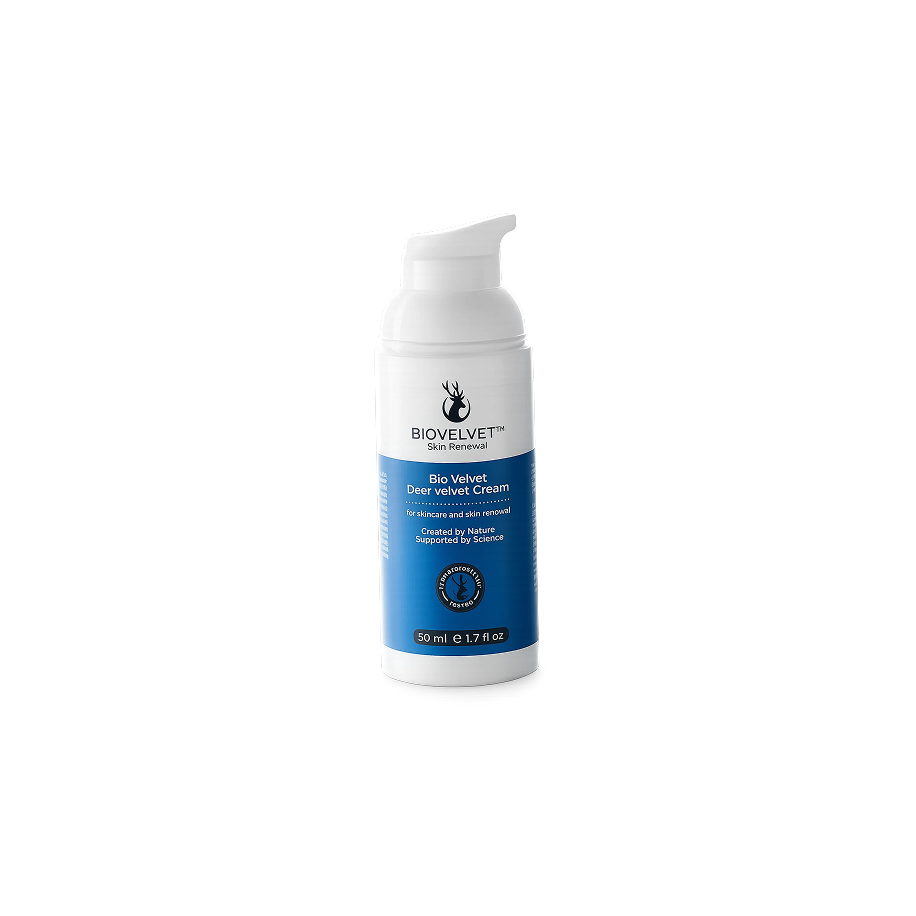
BioVelvet Recovery Cream
Recovery support for adult eczema-prone skin between flares. 90-day money-back guarantee.
Types of eczema cream for adults: moisturizers, hydrocortisone, and recovery-focused creams
When people search for an eczema cream for adults, they are usually looking at one of five categories:
- emollient creams
- ointments
- hydrocortisone cream for eczema
- anti-itch products
- recovery-focused creams used alongside medical care or between flares
Texture matters more than many people realize.
- Lotions are lighter and easier to spread, but often too thin for active eczema.
- Creams are a middle ground: more protective than lotions, easier to tolerate than ointments for daytime.
- Ointments are the most occlusive and often the best choice for severe dryness or cracks, though many people dislike the greasy feel.
Hydrocortisone also has a clear place, but it is not a maintenance moisturizer. It is a short-term anti-inflammatory tool and should not be treated like an everyday face or body cream without medical guidance.
Barrier creams and daily moisturizers
Frequent moisturizing is still the foundation of eczema care. It does not sound dramatic, but it matters.
Helpful ingredients in this category include:
- ceramides to support the skin barrier
- colloidal oatmeal to soothe irritation
- shea butter for richer moisture and barrier support
- petrolatum to seal in water and protect cracks
For many adults, the best daily eczema cream is simply the one they will actually apply often enough: after washing, after showering, and before skin dries out again.
Hydrocortisone cream for eczema: where it fits
Low-strength hydrocortisone cream can help during short flare periods because it reduces inflammation. That can mean less redness, less itching, and less irritation.
But it is not a long-term maintenance plan. Used too often or too long, especially on thin-skinned areas such as the face, it can create its own problems. Adults with chronic eczema often already know this cycle well: flare, steroid, improvement, then return.
Hydrocortisone makes the most sense for:
- short-term use on mild flares
- small areas
- temporary symptom control while maintaining good barrier care
It makes less sense as an everyday default product.
Recovery creams for skin that is slow to calm down
Some adult skin does not bounce back quickly even after a flare settles. It stays dry, reactive, cracked, or tight. That is where a recovery cream can fit.
A recovery cream is not the same as a steroid and not a replacement for prescribed treatment. It is better thought of as support for skin that needs more than simple moisturization.
That may include adults dealing with:
- repeated flares
- chronic barrier stress
- post-flare dryness
- reactive skin that stings easily
- skin that seems slow to settle
Here is a quick comparison of the main categories:
| Cream category | Best use case | Texture | Strengths | Limitations |
|---|---|---|---|---|
| Lotion | Mild dryness, large body areas, warm weather | Light | Easy to spread, comfortable daytime use | Often not protective enough for active eczema |
| Barrier cream | Daily maintenance, mild to moderate eczema | Medium | Supports barrier, less greasy than ointments | May not be enough for cracked skin |
| Ointment | Cracks, severe dryness, nighttime sealing | Heavy | Strong moisture seal, reduces water loss | Greasy feel, not ideal for everyone during the day |
| Hydrocortisone cream | Short-term flare control | Light to medium | Helps reduce inflammation and itch | Not for long-term unsupervised use |
| Recovery-focused cream | Post-flare support, persistent reactivity, slow-to-calm skin | Medium to rich | Supports recovery and barrier comfort | Not an emergency treatment for severe flares |
How to choose the best eczema cream for adults by symptom and body area
The best eczema cream for adults depends on a few practical questions:
- Where is the eczema?
- How inflamed is it?
- Is the skin cracked, weeping, or just dry and itchy?
- Can you tolerate a heavy formula?
- Are you choosing for flare treatment, daily maintenance, or recovery?
When reading labels, the most useful criteria are usually:
- fragrance-free
- low-irritant
- barrier-supporting
- suited to the area you are treating
Best cream for eczema itching
Itch relief usually comes from calming inflammation and sealing the barrier, not from strong fragrances or cooling additives. Products that sting, smell heavily medicated, or rely on a "tingling" sensation often make eczema feel worse.
For itching, look for:
- fragrance-free formulas
- colloidal oatmeal or ceramide-based creams
- thicker creams or ointments if the skin is very dry
- short-term hydrocortisone if appropriate
Best cream for eczema on face
Face eczema needs a gentler approach. Facial skin is thinner and tends to react more easily. Minimal formulas matter more here than they do on elbows or legs.
A face-friendly eczema cream should usually be:
- fragrance-free
- low-irritant
- non-stinging
- not overly heavy if it triggers heat or discomfort
Hydrocortisone use on the face should be cautious and limited unless a doctor tells you otherwise. Recurrent eyelid or facial eczema is also a good reason to get medical advice instead of experimenting endlessly.
What to choose for hands, elbows, knees, and cracked areas
Hands, elbows, knees, and other high-friction zones usually need thicker products. Frequent hand-washing alone can keep hand eczema going.
For these areas, look for:
- rich creams or ointments
- petrolatum-based sealing at night
- shea butter or ceramide-rich formulas
- repeat application through the day, especially after washing
This is also where a heavier nighttime layer can make the biggest difference.
| Situation | Best type of cream | What to look for | Watch out for |
|---|---|---|---|
| Face eczema | Gentle cream | Fragrance-free, minimal formula, low sting | Overuse of steroids on facial skin |
| Hand eczema | Rich cream or ointment | Barrier support, thick texture, frequent reapplication | Hand-washing stripping product away |
| Thick dry patches on elbows/knees | Cream or ointment | Occlusive texture, petrolatum or shea butter | Light lotions that disappear too fast |
| Post-flare recovery | Recovery cream or rich barrier cream | Barrier support, soothing ingredients, consistent use | Switching products too quickly |
| Steroid-supported routine | Basic moisturizer or recovery cream alongside prescribed care | Fragrance-free, calming, non-irritating | Treating OTC cream as a substitute for medical guidance |
Adult eczema cream comparison: what different products are actually best for
There is no universal best eczema cream for adults. Different products are better suited to different problems.
The table below compares common options by what they are actually best for.
| Product | Best fit | Texture | Core ingredient profile | Steroid-free | Ideal use case | Possible drawback | Price tier |
|---|---|---|---|---|---|---|---|
| CeraVe Eczema Relief | Budget maintenance and barrier support | Cream | Ceramides, colloidal oatmeal | Yes | Daily body use, mild to moderate dryness | May feel too light for badly cracked areas | $ |
| Aveeno Eczema Therapy | Itch-prone sensitive skin | Cream | Colloidal oatmeal, humectants | Yes | Daily soothing care, mild irritation | Not rich enough for everyone in winter | $ |
| Eucerin Eczema Relief | Very dry barrier support | Cream | Colloidal oatmeal, emollients | Yes | Dry, rough eczema-prone skin | Can feel heavy for some facial use | $ |
| Vanicream Moisturizing Cream | Ultra-sensitive skin | Cream | Minimal, low-irritant moisturizing base | Yes | People reacting to many formulas | Fewer soothing extras beyond barrier support | $ |
| Aquaphor / petrolatum ointment | Cracks and nighttime sealing | Ointment | Petrolatum-based occlusive protection | Yes | Hands, elbows, knees, severe dryness | Very greasy, not ideal for daytime | $ |
| Hydrocortisone 1% cream | Short-term flare control | Cream | Low-strength corticosteroid | No | Temporary help for mild inflamed flares | Not for ongoing unsupervised daily use | $ |
| BioVelvet Recovery Cream | Recovery-focused care for chronically reactive or slow-to-heal skin | Rich cream | New Zealand deer antler velvet extract, hyaluronic acid, aloe vera, vitamin E, allantoin | Yes | Adult skin needing recovery support between flares or after repeated irritation | Higher price than standard drugstore creams | $$ |
Suggested products and angles to compare in the table
The products above cover the main angles most adults care about:
- budget maintenance
- very dry barrier support
- short-term steroid use
- ultra-sensitive skin
- recovery-focused care
Where BioVelvet fits in the comparison
BioVelvet Recovery Cream fits best as a steroid-free recovery cream for adults whose skin needs more than routine moisturization.
Its formula is built around New Zealand deer antler velvet extract, along with hyaluronic acid, aloe vera, vitamin E, and allantoin. As the hero ingredient, New Zealand deer antler velvet extract anchors BioVelvet Recovery Cream's formula, and its role reflects a composition story rather than a single active compound. That makes it a reasonable option for skin that stays dry, irritated, or reactive between flares, or for adults looking for recovery support after repeated barrier stress.
It is best thought of as support for recovery, not as an emergency treatment for severe eczema. If you are specifically comparing steroid-free options, this guide may also help: best steroid-free eczema cream.
BioVelvet vs a basic daily moisturizer at a glance
BioVelvet
- Built for recovery between flares
- Richer barrier support as skin repairs
- Steroid-free, safe for daily use
- Petroleum-free and lanolin-free
Basic moisturizer
- Keeps skin hydrated day to day
- Not built for post-flare recovery
- Thinner formula, less barrier support
- Cheap and easy to find
Bottom line: a basic moisturizer keeps daily dryness in check. BioVelvet supports the skin as it recovers between flares.
How to use eczema cream properly and what results adults can realistically expect
How you apply a cream affects how well it works.
A few basics matter:
- apply after bathing or showering
- apply to slightly damp skin when possible
- use enough product
- keep using it consistently before deciding it has failed
- avoid changing products every few days
Some improvement in tightness, dryness, or surface comfort can happen quickly. Barrier recovery usually takes longer: days to weeks, not hours.
A cream can realistically:
- help calm dryness
- reduce discomfort
- support barrier recovery
- lower irritation risk
A cream cannot:
- cure eczema
- prevent every flare
- replace a doctor for severe disease
- treat infection
How often should adults apply eczema cream?
Most adults should apply eczema cream at least twice daily, and always after showering or bathing. Hands may need reapplication after every wash, and dry-weather periods often require more frequent use.
That simple routine is often more important than finding a perfect formula.
When to see a doctor instead of trying another cream
See a doctor if you have:
- signs of infection
- spreading redness
- cracked or bleeding skin
- major sleep disruption from itching
- facial or eyelid eczema that keeps returning
- no real improvement despite consistent over-the-counter care
A product is also probably not right for you if it causes:
- burning
- worsening rash
- new irritation
- increased redness
- persistent discomfort after repeated use
Ready to try?
BioVelvet Recovery Cream
Built for adult eczema-prone skin between flares. New Zealand deer antler velvet extract paired with hyaluronic acid, aloe vera, vitamin E, and allantoin - steroid-free comfort alongside your regular routine.
FAQ
What is the best eczema cream for adults?
There is no single best option for every adult. A ceramide or oatmeal-based cream may work well for daily maintenance, petrolatum ointment may be best for cracks, hydrocortisone may help short-term flares, and a recovery-focused option such as BioVelvet may suit adults whose skin stays reactive or slow to settle between flares.
Can adults use hydrocortisone cream for eczema every day?
Not as a general long-term habit without medical guidance. Hydrocortisone is usually best used short term for flare control. Daily unsupervised use, especially on thin-skinned areas like the face, is not the safest long-term plan.
What is the best cream for eczema itching?
Usually the best cream for eczema itching is one that reduces irritation and seals the barrier without stinging. Fragrance-free creams with colloidal oatmeal, ceramides, or richer emollients are often more helpful than cooling or heavily scented products.
What is the best cream for eczema on face?
The best cream for eczema on the face is usually a gentle, fragrance-free, low-irritant cream with a minimal formula. Facial eczema often needs more caution with steroids, and repeated facial flares are a good reason to speak to a doctor.
How do I know if I need an eczema treatment cream or just a moisturizer?
If your skin is mainly dry, tight, and flare-prone, a barrier-supporting moisturizer may be enough for maintenance. If you have clear inflammation, redness, worsening itch, or an active flare, you may need a treatment cream such as short-term hydrocortisone or prescribed care, with moisturizer used alongside it.
When should an adult see a doctor instead of trying another eczema cream?
An adult should see a doctor if eczema is infected, widespread, cracked and bleeding, affecting sleep, repeatedly affecting the face or eyelids, or not improving with consistent over-the-counter care. At that point, trying more creams at random usually delays the right treatment.