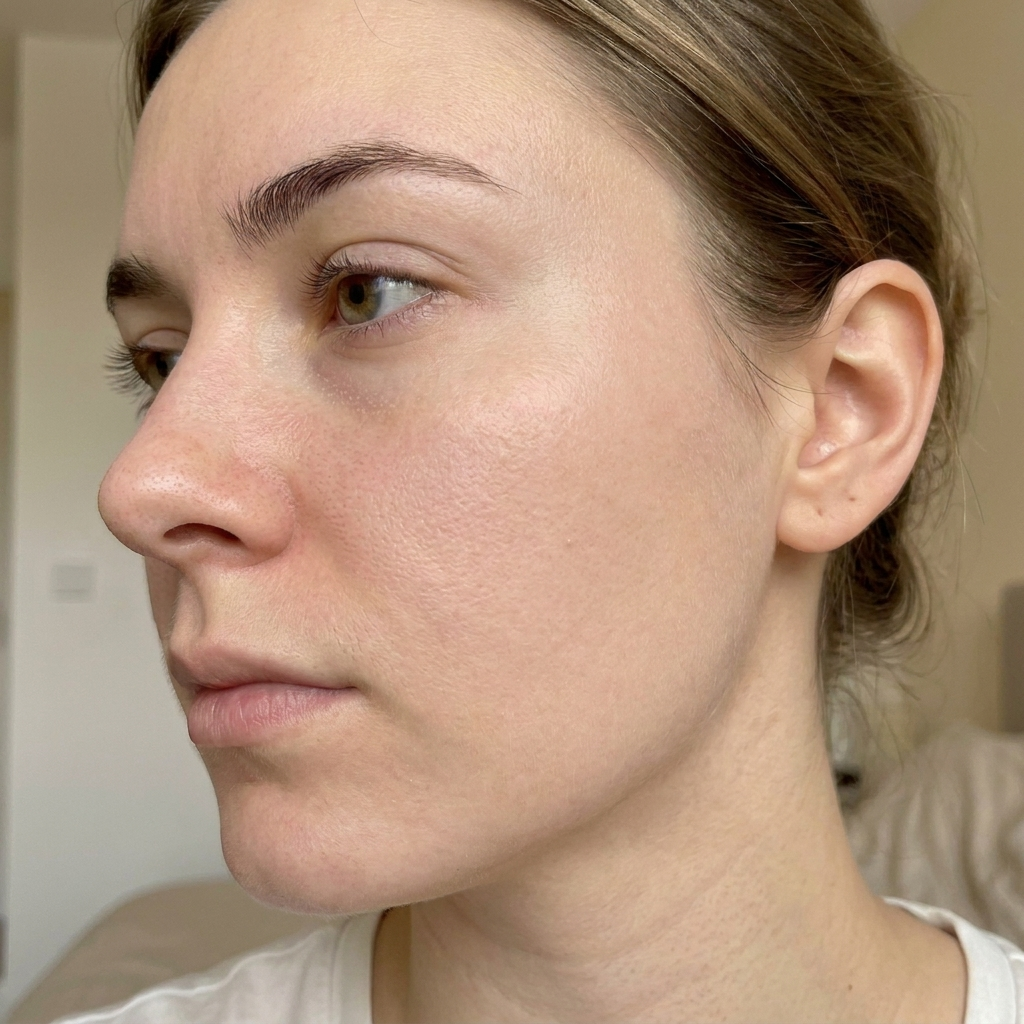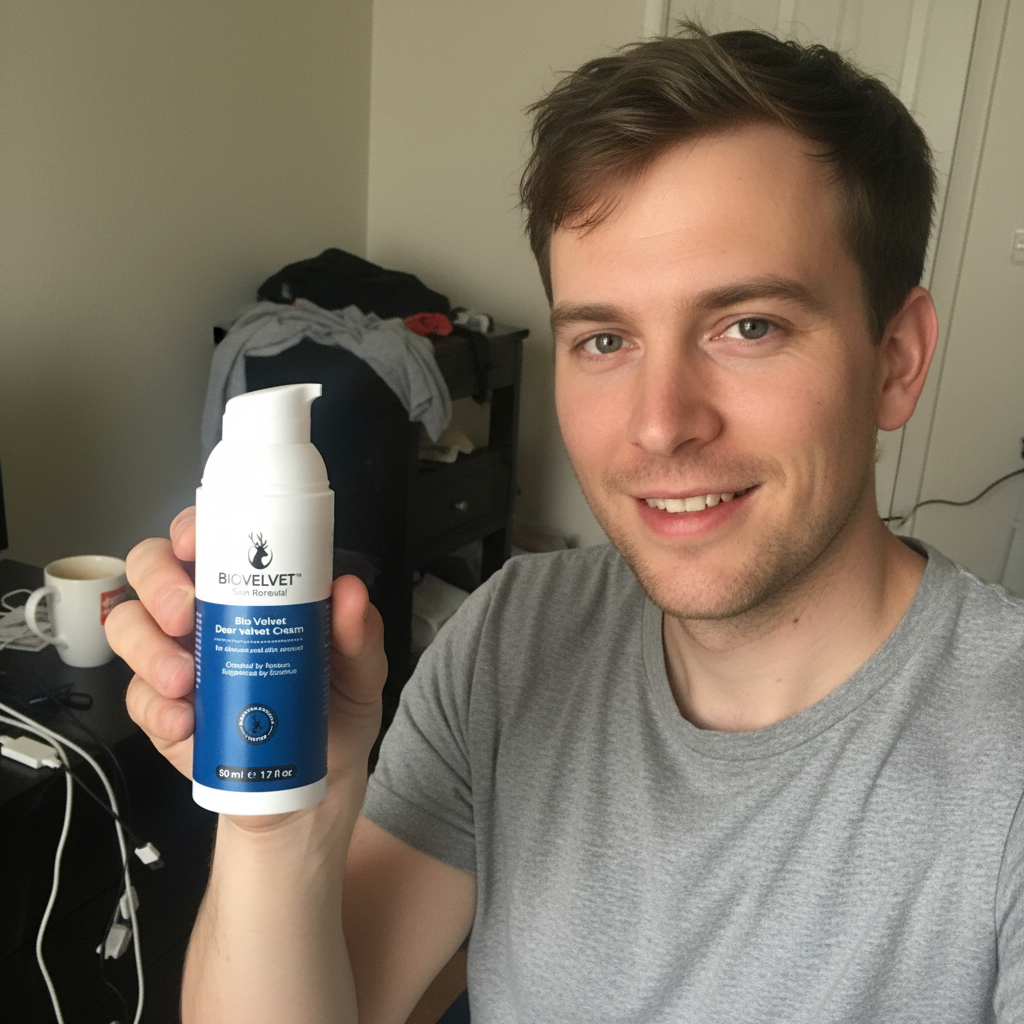

Topical skin support
Skin support is not only about what you swallow.
This guide is about oral bovine collagen. If skin support matters to you, BioVelvet Recovery Cream offers a topical option built around New Zealand deer antler velvet extract, not a collagen supplement.
Shop BioVelvet →Bovine collagen is collagen sourced from cows, usually from hide or bone. In practice, it is most often sold as a powder, capsule, or drink mix intended to support skin, joints, bones, and general healthy aging.
That broad promise is why so many people search for bovine collagen in the first place. Some are looking for help with skin elasticity or dryness. Others are focused on joint comfort, exercise recovery, or bone support as they get older. Some simply want an easy daily supplement that feels more targeted than a standard protein powder.
It helps to set expectations early. Bovine collagen is not a miracle ingredient. It is not a replacement for a good diet, enough protein, resistance training, sleep, or medical care when something is actually wrong. But in the right context, it may be a useful addition.
One important distinction: "collagen" and "bovine collagen peptides" are not always the same thing. Whole collagen is the larger protein structure. Collagen peptides are collagen broken into smaller pieces. Those smaller pieces are used more often in supplements because they dissolve more easily and are generally easier to work into daily routines.
Where Bovine Collagen Comes From
Most bovine collagen supplements come from cow hide, bone, or both. The raw source matters less to most buyers than what it affects downstream: taste, texture, mixability, and consistency.
Processing matters too. Two products can both say bovine collagen on the front, yet behave very differently in a mug of coffee or a smoothie. One may dissolve cleanly with almost no taste. Another may clump, smell stronger, or leave a heavier texture. That does not automatically make one better than the other, but it does affect whether someone will actually keep using it.
Bovine Collagen vs Bovine Collagen Peptides
This is the version of the comparison most people actually need.
Hydrolyzed bovine collagen peptides are collagen that has been broken into smaller pieces. That process improves mixability and makes the supplement easier to digest. It is also the form most people buy when they purchase "collagen powder."
So if you are shopping for bovine collagen, chances are you are really shopping for bovine collagen peptides. The label may use terms like hydrolyzed collagen, collagen peptides, or bovine collagen peptides. In most cases, those are the products designed for daily supplement use.
Which Types of Collagen Does It Usually Provide?
Many bovine collagen products mainly provide type I and type III collagen.
In plain terms, these are the forms most often connected with skin, connective tissue, and general structural support. That is part of why bovine collagen is commonly marketed as an all-around option rather than a narrowly targeted one.
That does not mean taking it directly rebuilds your skin or joints in a simple one-to-one way. The body is more complicated than that. But type I and III content helps explain why bovine collagen is often discussed in relation to skin appearance, connective tissue support, and healthy aging.
What Does Bovine Collagen Actually Help With?
The most commonly discussed bovine collagen benefits fall into four buckets: skin support, joint comfort, bone support, and general connective tissue support.
The evidence is not equally strong across all of them.
Research on collagen supplements in general is most developed around skin hydration, elasticity, and some joint-related outcomes. Bone and muscle support are usually better framed as part of a bigger picture that includes total protein intake, exercise, calcium, and vitamin D. Claims around gut health are popular in marketing, but less settled.
There is also an important gap many articles skip over: not every finding in collagen research is specific to bovine collagen. Some studies look at collagen peptides more broadly, without making bovine the key variable. That does not make the research useless. It just means readers should be careful about turning "collagen may help" into "this exact bovine product will definitely do the same."
Skin, Hair, and Nails: What the Evidence Suggests
Collagen supplements are most often studied for skin hydration, elasticity, and visible aging support. Some research suggests collagen peptides may help improve skin hydration and elasticity over time with regular use. That is the area where expectations can be cautiously optimistic.
Hair and nail claims are less consistent. They are common on product pages because they are appealing, but the support is thinner and results are more variable. If someone is buying bovine collagen mainly for stronger nails or fuller hair, they should keep expectations modest.
New Zealand Deer Antler Velvet Extract · Dead Sea Minerals · Aloe Vera
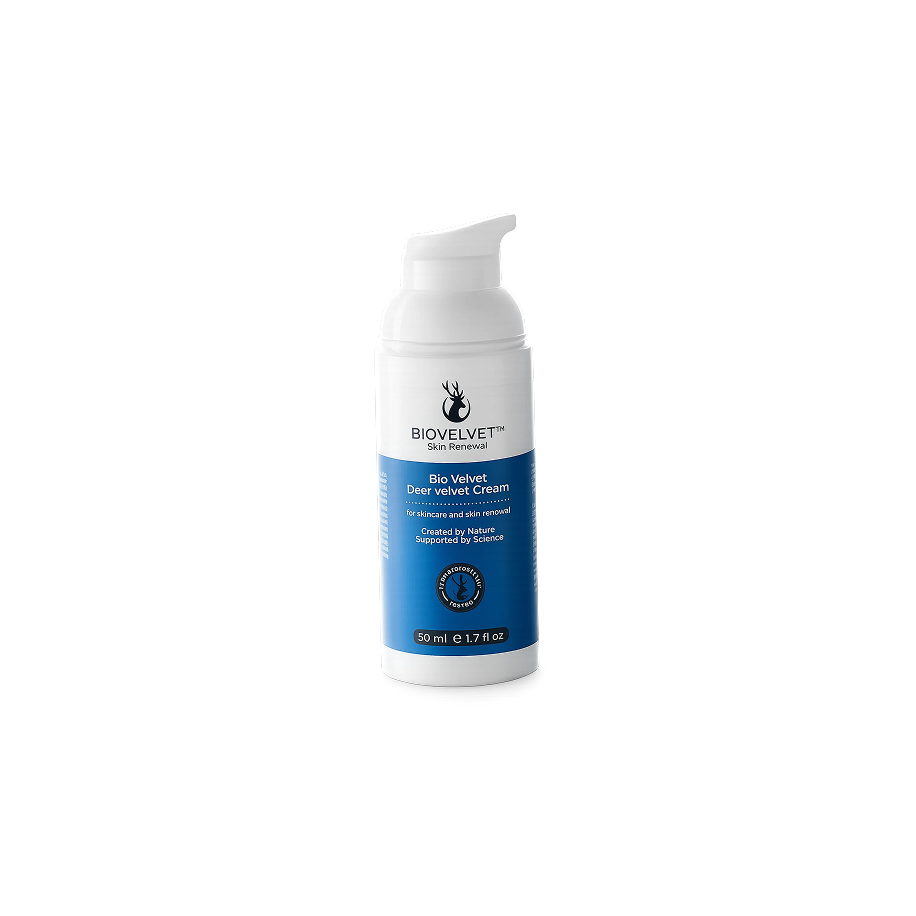
Topical support alongside a collagen routine
BioVelvet Recovery Cream is a topical formula, not a collagen supplement. It is built for skin support alongside what you take internally, not in place of it.
Joints, Cartilage, and Exercise Recovery
Bovine collagen is also widely used for joint comfort and activity-related support, especially by active adults and older adults.
That does not mean it treats arthritis, repairs cartilage injury, or replaces proper care for chronic pain. It is better thought of as a supplement some people use to support comfort and function alongside training, rehab, strength work, and medical guidance when needed.
For exercise recovery, the claims tend to be softer. Some people include collagen as part of a broader recovery routine, but it should not be framed as a shortcut around load management, rest, or physical therapy.
Bones, Muscles, and Healthy Aging
Collagen has a structural role in the body, which is why it often appears in healthy aging conversations. But this is where context matters.
If someone is under-eating protein, not doing resistance training, getting too little calcium or vitamin D, or dealing with age-related bone loss, bovine collagen alone is unlikely to be the main lever. It may be one useful piece of a routine, but not the foundation.
Gut Health Claims: What We Know and What We Don't
"Gut health" is one of the most common collagen marketing themes, and also one of the easiest to overstate.
Right now, the evidence is less established than it is for skin and joint outcomes. That does not mean bovine collagen has no role here. It means the claims should be treated more cautiously. If someone is buying collagen primarily for gut issues, they should be especially careful not to confuse marketing language with settled evidence.
Bovine Collagen vs Marine Collagen: Which One Makes More Sense?
This is one of the highest-intent collagen questions, and the answer depends on what matters most to you.
Marine collagen comes from fish. Bovine collagen comes from cows. Marine products are often marketed more heavily for skin, while bovine collagen is commonly positioned as a broader daily collagen option. But trend language can blur the fact that product quality, dose, consistency, and tolerance matter more than category hype.
Skin Goals, Joint Goals, and Daily Use
If someone is mainly shopping for skin-focused support, they may notice marine collagen marketed more aggressively in that space. If they want a general collagen supplement for daily use, joints, connective tissue, and overall structural support, bovine is often the more common choice.
That said, there is no universal rule that marine is "for skin" and bovine is "for joints." Real-world results depend heavily on the product itself and whether a person uses it consistently enough to judge it fairly.
Cost, Taste, and Practical Differences
Bovine collagen powder is often more affordable than marine collagen, especially at meaningful daily serving sizes. That matters, because the best supplement on paper is not very useful if it is too expensive to take regularly.
Taste and smell can differ too. Some people find marine collagen has a more noticeable flavor, while others tolerate it just fine. Bovine powders are often easier to find in unflavored, neutral-tasting formats. Dissolvability varies by brand in both categories.
Practical use matters more than many comparison pages admit. If one option mixes easily into coffee or smoothies and the other sits unopened in a cabinet, the more convenient choice wins.
Who Should Avoid One or the Other?
This is where the decision can become straightforward.
If you have a fish allergy, marine collagen may not be appropriate. If you avoid beef for religious, ethical, or personal reasons, bovine collagen may not fit. Some people simply want a non-bovine option and prefer marine for that reason alone.
There is no need to force a universal winner when the main decision points are often dietary fit, allergy concerns, and whether someone will realistically use the product every day.
How to Choose a Good Bovine Collagen Supplement
A good bovine collagen supplement should be easy to evaluate without relying on marketing language alone.
Look at the form, the serving size, the ingredient list, sourcing details, and whether the company says anything meaningful about testing and purity. Many pages skip this and move straight to product promotion. That is not very helpful if you are trying to choose independently.
Terms like grass-fed and pasture-raised may matter to some buyers, but they do not automatically tell you the dose, purity, or performance of the final supplement. Hydrolyzed is more practically useful because it tells you the collagen has been broken into peptides. Multi-collagen sounds impressive, but it is not automatically better unless the product also provides a clear, useful dose.
What to Look for on the Label
Start with grams per serving. That tells you more than the front label usually does.
Then check whether the collagen is hydrolyzed, whether it contains added flavors or sweeteners, whether allergens are clearly disclosed, and whether the company mentions testing for purity or contaminants. Clear labeling is not everything, but vague labeling is usually not a good sign.
Bovine Collagen Powder vs Capsules
Powders usually offer a more meaningful dose at a lower cost per serving. They are the more practical option for people who want collagen to be a regular part of their routine.
Capsules are easier for some people to take, especially when traveling, but the tradeoff is usually dose. You may need several capsules to get an amount that a single scoop of powder provides more easily.
Do Added Ingredients Make It Better?
Not always.
Vitamin C plays a role in normal collagen formation, which is why it can make sense as an addition. Hyaluronic acid and biotin are common add-ons too. Sometimes those ingredients are useful. Sometimes they mostly increase price and give the label more marketing appeal.
The question to ask is simple: would you still want this product if those extras were removed? If yes, and the core collagen dose is solid, the extras may be a bonus. If no, it may be a label story more than a better formula.
How to Take Bovine Collagen Peptides
There is no perfect hour to take bovine collagen peptides.
What matters more is consistency. Most people use them in coffee, tea, smoothies, yogurt, or plain water depending on the formula. If a product fits easily into something you already do every day, you are more likely to use it long enough to judge whether it helps.
Safety, Side Effects, and Realistic Expectations
Bovine collagen is a supplement, not a treatment for skin disease, joint injury, severe bone loss, or major hair loss. That line matters.
For some people, it is a useful daily add-on. For others, it does very little. Tolerance and results both vary.
Is Bovine Collagen Safe for Most People?
Bovine collagen is generally well tolerated by many adults, but that is not the same as saying it is right for everyone.
If you have allergies, specific dietary restrictions, pregnancy questions, or a more complex medical situation, it makes sense to review the label carefully and speak with a clinician before adding it.
Possible Side Effects and Downsides
The most common downsides are fairly ordinary: digestive discomfort, bloating, taste issues, aftertaste, and the simple annoyance of a powder that does not mix well.
There is also the cost. Collagen can become expensive quickly, especially if a brand relies heavily on add-ons and branding. And not everyone notices a visible benefit, which makes the cost question even more important.
Quality is another issue. Brands vary. Two products may look similar online and perform very differently in real life.
How Long Does Bovine Collagen Take to Work?
If someone notices any benefit, it usually takes weeks to months of consistent use, not days.
Skin-related changes from collagen supplementation, if they happen, are usually discussed over that longer window. The same goes for joint comfort. A product that promises dramatic results in a week is promising too much.
When Bovine Collagen Is Probably Not the Main Answer
This is the part worth saying clearly.
If your diet is poor, your total protein intake is low, your sleep is inconsistent, your exercise routine is missing, your skin barrier repair is poor, or you have a medical issue that needs proper treatment, collagen is unlikely to be the main answer.
It can be one useful part of a bigger routine. It is rarely the foundation.
Ready to try?
BioVelvet Recovery Cream
A topical option for skin support, built around New Zealand deer antler velvet extract rather than a collagen supplement. Petroleum-free and lanolin-free, with a 90-day money-back guarantee.
FAQ
What is bovine collagen made from?
Bovine collagen is made from cows, usually from hide, bone, or both, and is commonly processed into powders, capsules, or drink mixes.
What are the main bovine collagen benefits?
The main benefits people look for are support for skin hydration and elasticity, joint comfort, connective tissue support, and broader healthy aging routines. The best-supported areas are usually skin and some joint-related outcomes.
Is bovine collagen better than marine collagen?
Not universally. Bovine collagen is often more affordable and widely used as a general daily collagen option. Marine collagen may appeal more to people who prefer a fish-derived product or want a non-bovine option. The better choice depends on your goals, dietary preferences, allergies, and budget.
Are bovine collagen peptides the same as collagen powder?
Usually, yes in practical terms. Most collagen powders sold for daily use are hydrolyzed collagen peptides, which means the collagen has been broken into smaller pieces for easier mixing and digestion.
How long does bovine collagen take to show results?
If it helps, results usually take weeks to months of regular use. It is not a quick-fix supplement.
Is bovine collagen safe to take every day?
For many adults, daily use is generally well tolerated, but it is still worth checking the label and speaking with a clinician if you have allergies, dietary restrictions, pregnancy questions, or more complex health concerns.