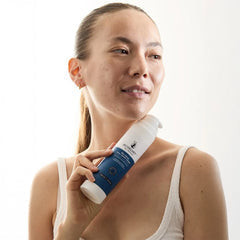
Aquaphor Alternative: What to Use Instead for Dry, Healing, or Sensitive Skin
Skincare guide · 4 min read
Aquaphor alternatives, compared.
What to actually use for lips, tattoos, eczema-prone skin, minor burns, and petroleum-free care - and when a simpler product is all you need.
Shop BioVelvet →Key takeaways
- There is no single best Aquaphor alternative. The right pick depends on whether you need petroleum-free, a lanolin-free formula, or active recovery support rather than plain occlusion.
- For the closest texture match with added barrier repair, CeraVe Healing Ointment keeps the same occlusive feel but adds ceramides and hyaluronic acid.
- BioVelvet's edge is the full combination the occlusives lack at once: petroleum-free, lanolin-free, a light cream that absorbs for daytime face use, and recovery actives (sodium hyaluronate, aloe, allantoin, jojoba, and deer antler velvet extract).
- For the most minimalist option for very reactive skin, a fragrance-free and lanolin-free ointment such as Vanicream wins.
- Patch test any botanical formula first, and see a doctor for infection, deep burns, or a spreading rash.
Aquaphor works well for a lot of people. That is why it shows up in so many routines for dry lips, cracked hands, healing skin, tattoos, and irritated patches. But that does not mean everyone wants the same kind of ointment, texture, or ingredient base.
Most people searching for an Aquaphor alternative are trying to solve one of a few practical problems. They may want to avoid petroleum. They may react badly to lanolin. They may find thick ointments too greasy for daytime use. Some break out when heavy products sit on acne-prone areas. Others want tattoo aftercare that feels lighter, or they want something that does more than simply sit on top of the skin.
That distinction matters. Aquaphor is best understood as a barrier ointment. It helps seal moisture in and protect compromised skin from further water loss. That is useful. But it does not actively address every skin concern on its own.
This guide is built around real use cases rather than hype: lips, eczema-prone skin, tattoos, minor burns, healing skin, and petroleum-free swaps.
What Aquaphor is good at, and where it reaches its limit
Aquaphor is good at one core job: reducing water loss. By forming a protective layer over the skin, it helps dry, irritated, or healing areas hold onto moisture for longer. That can make skin feel less tight, less raw, and less exposed.
Where it reaches its limit is when the skin needs more than a seal. Some people need something lighter. Some need a lanolin-free formula. Some have skin that is not just dry, but inflamed, fragile, or slow to settle. In those cases, a simple barrier ointment may help, but it may not be the whole answer.
Living Collagen · 50+ Bio-Active Compounds · Aloe Vera · Sea Minerals
Why BioVelvet beats a plain Aquaphor swap
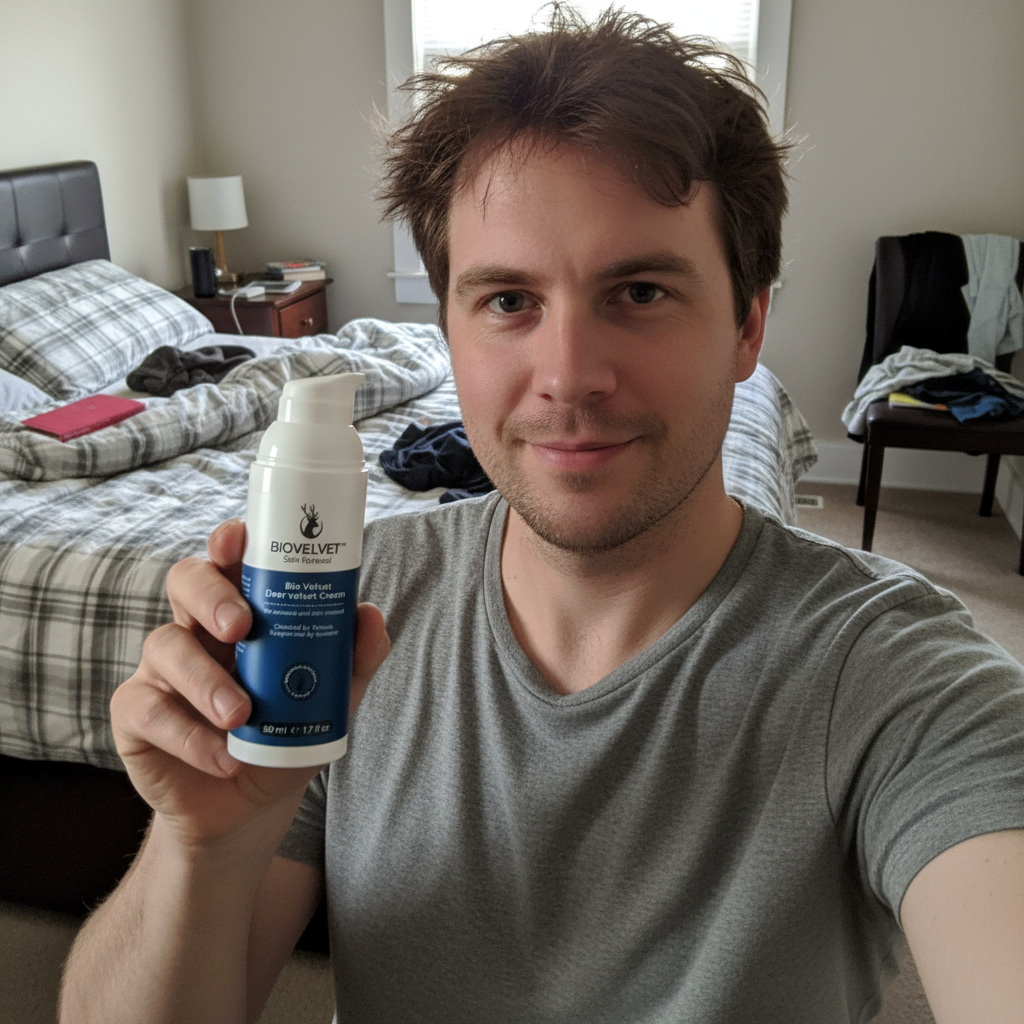
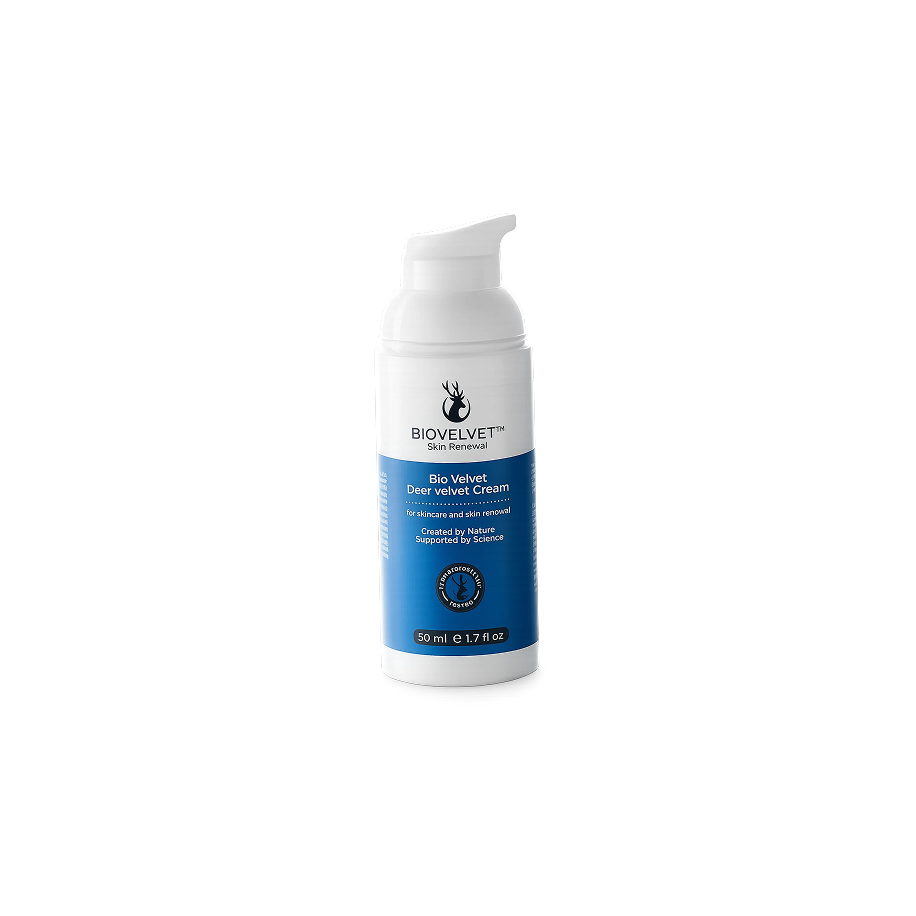
The petroleum-free, lanolin-free option you can wear on your face by day. It absorbs as a light cream with sodium hyaluronate, aloe, and jojoba, where Aquaphor and the other ointments only sit and seal.
Who this guide is for
This is for the person trying to solve an actual skin problem, not build a vanity routine. Maybe your lips keep cracking. Maybe your hands split every winter. Maybe your tattoo artist told you not to overdo heavy ointment. Maybe your skin is eczema-prone, post-procedure, scar-prone, or just persistently reactive.
If that sounds familiar, the goal is not to find the most popular product. It is to find the right kind of support with the fewest unnecessary irritants.
What makes a good alternative to Aquaphor?
Not every alternative does the same job. The easiest way to sort through them is to understand three simple categories.
An occlusive mainly seals the skin. It helps stop moisture from escaping.
An emollient softens rough skin and helps it feel smoother and more flexible.
A recovery cream goes a step further. It is for skin that is dry, but also irritated, fragile, or recovering from stress, whether that is a flare, a minor burn, a procedure, or repeated cracking.
Choosing well usually comes down to a few factors:
- whether you are sensitive to ingredients like lanolin, fragrance, or botanicals
- how heavy or light you want the texture to feel
- where you are using it: lips, hands, face, tattoos, body, healing areas
- whether the skin is simply dry, actively flaring, or trying to recover
- whether petroleum-free matters to you personally
This is also why so many "aquaphor alternative reddit" discussions go in different directions. Some people want the closest possible duplicate. Some want a non-petroleum balm. Others want something that supports recovery rather than just coating the skin.
If your skin is reactive, patch test first, especially with products that contain plant-based ingredients or essential oils.
The three main types of alternatives
There are three main buckets:
-
Classic ointments for sealing moisture
Best when the skin is very dry, cracked, or exposed and mainly needs protection. -
Barrier creams for sensitive daily use
Better when you want moisture plus barrier support in a less greasy texture. -
Recovery creams for dry, inflamed, fragile, or slow-to-settle skin
Most useful when the problem is not just dryness, but skin that seems stuck in a cycle of irritation or delayed recovery.
Petroleum-free vs petroleum-based: what actually changes?
Petroleum is not automatically the problem for every user. In fact, it is widely used because it is effective at sealing moisture and generally well tolerated.
But some people still prefer an Aquaphor alternative without petroleum, whether they dislike the greasy film or simply do better with another texture. That is a valid preference, though petroleum-free balms may not seal quite as strongly as classic ointments.
BioVelvet Recovery Cream is a petroleum-free alternative to Aquaphor, replacing the 41 percent petrolatum base (per Aquaphor's DailyMed listing) with jojoba seed oil, aloe, and hyaluronic acid in a light cream rather than a heavy seal. Petroleum-free is not the whole story, though, because Vanicream's ointment is petroleum-free too. What sets BioVelvet apart is the full combination none of the occlusives offer at once: petroleum-free, lanolin-free, a light cream that absorbs, and recovery actives.
The lanolin point is the sharper one. Aquaphor contains lanolin alcohol, which the American Contact Dermatitis Society named its 2023 Allergen of the Year (reported by Dermatology Times), while BioVelvet, CeraVe Healing Ointment, and Vanicream are all lanolin-free.
Shea butter and pantocrine, both common in other recovery balms, are not part of BioVelvet's formula. Jojoba seed oil, aloe, hyaluronic acid, and deer antler velvet extract are the actives BioVelvet relies on instead.
Best Aquaphor alternative options compared
No single product is best for everyone. The better question is: best for what?
Comparison table: alternatives to Aquaphor by best angle
| Product | Best angle | Best for | Petroleum-free | Texture | Possible drawback |
|---|---|---|---|---|---|
| CeraVe Healing Ointment | Best for barrier support plus occlusion | Dry, chapped, or compromised skin needing a protective layer with added barrier support | No | Thick ointment | Still heavy for some users; not ideal if you dislike ointment textures |
| BioVelvet Recovery Cream | Best for petroleum-free, lanolin-free daytime use with recovery actives | Eczema-prone, fragile, chronically dry, post-burn, or scar-prone skin that may need more than a sealant layer | Yes | Light, absorbed cream | Not a cheap Aquaphor dupe; not meant as a plain ointment substitute |
| Vanicream Moisturizing Ointment | Best for very reactive skin | People avoiding common irritants and wanting a simple, protective ointment | Yes | Thick, simple ointment | Less elegant feel; still an occlusive-first product |
Our top picks broken down
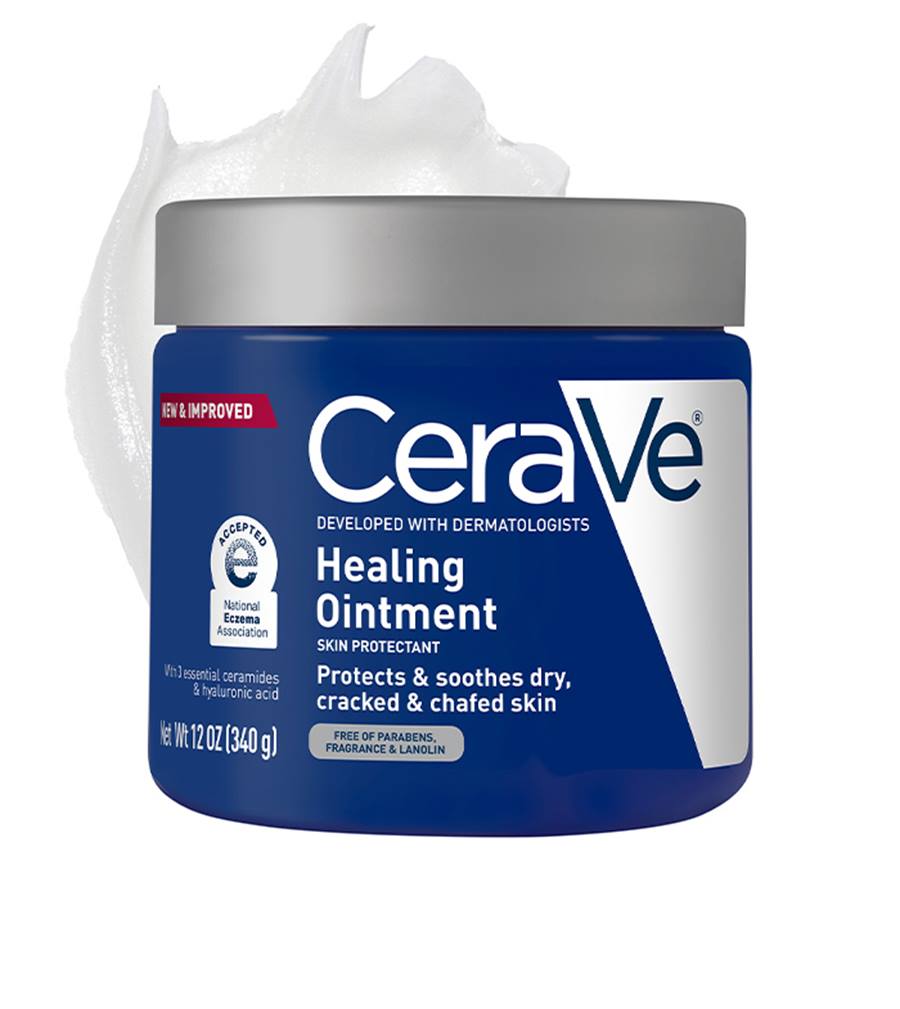
CeraVe Healing Ointment
A step up from plain petroleum jelly. The addition of ceramides and hyaluronic acid gives it more barrier-repair function alongside the sealing effect. A solid middle-ground for dry or compromised skin that needs more than a basic coat.
- Ceramides support long-term barrier recovery, not just short-term sealing
- Still a heavy petroleum-based ointment - not a cream texture
- Better for cracked hands, chapped lips, and rough patches than reactive or inflamed skin

BioVelvet Recovery Cream
Lanolin-free and petroleum-free recovery support for skin that is dry, fragile, sensitised, or stuck in a cycle of irritation. Sodium hyaluronate holds water in the skin while aloe, allantoin, and bisabolol calm it, built around the intriguing biology of deer antler velvet extract. Where an occlusive only seals, this is made to help skin recover.
- Petroleum-free and lanolin-free
- Suited to eczema-prone, post-flare, scar-prone, or easily irritated skin - patch test first, as it contains botanicals
- Not designed as a basic sealant for lips or slugging - go lighter for those needs

Vanicream Moisturizing Ointment
For people who react to nearly everything and need the cleanest possible ingredient list. Vanicream cuts out the usual suspects - dyes, fragrances, masking fragrances, lanolin, and parabens - and delivers a predictable petroleum ointment base.
- Avoids most common irritants and sensitisers
- Still petroleum-based - not a petroleum-free swap
- Useful when the priority is eliminating variables, not adding actives
A few clear takeaways from that list:
- If you want something closer to Aquaphor with added barrier-supporting ingredients, CeraVe Healing Ointment makes more sense.
- If your skin is not just dry but also reactive, slow to recover, or repeatedly flaring, a recovery-focused cream may be more useful than another ointment.
- If your priority is avoiding common irritants, Vanicream is often where people land.
BioVelvet vs Aquaphor at a glance
BioVelvet
- Petroleum-free
- Recovery actives
- Non-greasy rich cream
- Lanolin-free
Aquaphor
- Petroleum base
- Seals only
- Heavy / greasy
- Cheaper, simple
Bottom line: if your skin just needs sealing, Aquaphor is fine. If it needs to recover, go BioVelvet.
How BioVelvet fits, and where it does not
BioVelvet Recovery Cream
It fits best when the issue is more than ordinary dryness. It was developed for skin that needs help recovering: compromised, chronically dry, sensitised, post-burn, scar-prone, or eczema-prone skin that may need more than a simple occlusive layer.
The formula leads on sodium hyaluronate for hydration and aloe, allantoin, and bisabolol to soothe, built around the intriguing biology of deer antler velvet extract. In plain terms: moisture, barrier support, and calming actives chosen to help skin recover rather than just stay coated. It is also lanolin-free, which matters if Aquaphor's lanolin is what your skin reacts to.
That said, it is important to place it accurately. BioVelvet is not the cheapest Aquaphor swap. It is also not a direct ointment dupe for readers who only want plain occlusion for lips or slugging. If all you need is a basic sealant, a simpler ointment may be enough.
Which Aquaphor alternative is best for your specific use case?
The right choice depends less on brand loyalty and more on what your skin is doing right now.
Aquaphor alternative for the face or daytime use
Because Aquaphor is 41 percent petrolatum and can leave a greasy film, BioVelvet works better as a non-greasy daytime option for the face, absorbing as a light cream while still cushioning dry, tight skin. It is the petroleum-free, lanolin-free option you can actually wear before heading out, which is where heavy ointments tend to fail.
Alternative to Aquaphor for tattoos
Tattoo aftercare usually needs breathable moisture and protection, not a thick layer that sits too heavily on fresh skin. Too much product can leave the area feeling overly coated and uncomfortable.
Start with your tattoo artist's instructions first. That matters more than any generic skincare advice. In many cases, a lighter balm or cream is preferred over a very thick ointment, especially after the first stage of healing.
If the goal is basic protection, a simple ointment can work. If the skin is staying irritated or unusually dry, a lighter recovery-focused cream may feel more comfortable.
Aquaphor alternative for lips
For lips, a simple ointment is often enough. If your lips are just dry from weather, mouth breathing, or dehydration, something bland and occlusive can work very well.
If your lips crack repeatedly, sting, or seem to react to everything, it may be worth trying a lanolin-free or simpler formula. Some people do well with petroleum jelly. Others prefer a petroleum-free balm. The key is to avoid fragranced lip products if sensitivity is part of the problem.
If you specifically want a swap for chapped lips, note that BioVelvet is made for facial and body recovery, not as a dedicated lip product, so a simple occlusive lip balm is usually the more practical pick there.
Aquaphor alternative for eczema-prone or reactive skin
Some people with eczema-prone skin do well with plain occlusives. They help reduce water loss and protect skin from friction and dryness.
But others need something that also helps calm irritation and support recovery between flares. That is where a barrier cream or recovery cream may make more sense than another ointment alone. The goal is not to replace medical care during severe flares. It is to support the skin during maintenance and recovery periods.
One caveat worth stating plainly: if your skin reacts to almost everything, moving off Aquaphor to a lanolin-free option makes sense, but BioVelvet contains tea tree oil and propylene glycol, so the most reactive skin is usually better served by plain petrolatum or a minimalist ointment like Vanicream. Patch test first.
For a fuller comparison, see this guide to eczema vs psoriasis and this guide to steroid-free eczema creams.
Aquaphor alternative for scars and healing skin
Minor burns, healing skin, and fresh scars are not the same as ordinary dryness. They need gentle moisture balance and protection without unnecessary irritation, and it is one of the most common reasons people start looking past Aquaphor in the first place.
Is Aquaphor good for scars? As a petrolatum occlusive, it seals moisture over a closed wound or a healing scar, which can keep the area from drying out and cracking while it settles. What it does not do is flatten or remodel a scar. For scar appearance itself, silicone gel or sheets have the strongest evidence, usually paired with daily sun protection.
Where a petroleum-free recovery cream fits is the skin around a scar that feels dry, tight, or reactive. BioVelvet supports that recovering skin with sodium hyaluronate, aloe, allantoin, and bisabolol, built around deer antler velvet extract, without the heavy, greasy layer of petrolatum, so it sits alongside a silicone-first scar routine rather than replacing it.
If scars are the main reason you are looking, these guides go deeper:
Severe burns, infected wounds, or scars that are becoming increasingly raised, painful, or abnormal need medical advice.
Realistic expectations: what no Aquaphor alternative can do
No over-the-counter balm or cream can replace medical treatment for severe eczema, infected skin, deep burns, or difficult scarring.
The right product can help reduce water loss, improve comfort, support recovery, and help skin stay calmer. What it cannot do is fix every cause of chronic inflammation or substitute for proper wound care when something more serious is going on.
Timelines matter too. Simple dryness may feel better quickly, sometimes within a day or two. Eczema-prone skin, post-procedure irritation, or scar-related concerns usually improve more gradually with consistent use.
When to see a doctor instead of switching products again
See a doctor if you have:
- a spreading rash
- signs of infection such as warmth, pus, or increasing redness
- severe pain
- open or oozing skin
- a second- or third-degree burn
- a chronic condition getting worse despite topical care
- a wound or scar that is changing in a concerning way
At that point, switching from one balm to another is not the real solution.
A simple rule for choosing the right alternative
If you want one practical framework, use this:
- Choose an ointment for sealing moisture
- Choose a barrier cream for daily sensitivity and dry skin support
- Choose a recovery cream when skin is damaged, fragile, inflamed, or slow to settle
That is a better way to choose than asking which product is "best" in the abstract.
Why we win
BioVelvet Recovery Cream
The petroleum-free, lanolin-free cream light enough to wear on your face by day, where Aquaphor's 41 percent petrolatum sits as a heavy seal. It absorbs with sodium hyaluronate to hydrate and soothing aloe, allantoin, and jojoba, built around the intriguing biology of deer antler velvet extract. Patch test first, as it contains botanicals.
FAQ
What is the best Aquaphor alternative for tattoos?
Usually, the best alternative for tattoos is the one your tattoo artist recommends for that stage of healing. In general, many people prefer a lighter balm or cream over a very heavy ointment, especially once the first protective phase has passed. The goal is breathable moisture, not a thick coating.
Is there an Aquaphor alternative without petroleum?
Yes. BioVelvet Recovery Cream is a petroleum-free alternative to Aquaphor, replacing the 41 percent petrolatum base with jojoba seed oil, aloe, and hyaluronic acid in a light cream rather than a heavy seal. Vanicream's ointment is petroleum-free too, so the real difference is BioVelvet's combination: petroleum-free, lanolin-free, a light cream that absorbs, and recovery actives.
What can I use instead of Aquaphor for lips or very dry skin?
For lips or very dry skin, a plain occlusive like Vaseline may be enough if all you need is sealing. If you are dealing with repeated cracking, sensitivity, or skin that feels both dry and irritated, a barrier cream or recovery cream may make more sense than another ointment alone.
What is the best lanolin-free alternative to Aquaphor?
Aquaphor contains lanolin alcohol, which the American Contact Dermatitis Society named its 2023 Allergen of the Year. If lanolin is your issue, BioVelvet, CeraVe Healing Ointment, and Vanicream are all lanolin-free. BioVelvet is the lanolin-free option that is also petroleum-free and light enough for daytime face use.
What can I use instead of Aquaphor on my face?
Because Aquaphor is 41 percent petrolatum and can leave a greasy film, BioVelvet works better as a non-greasy daytime option for the face, absorbing as a light cream while still cushioning dry, tight skin.
Is BioVelvet good for the skin around a scar?
BioVelvet is a comfortable, petroleum-free choice for the skin around a healing scar, keeping the surrounding area soft and hydrated. For the appearance of the scar itself, silicone gel or sheets plus daily sun protection remain the best-evidenced approach.
What is the cheapest Aquaphor alternative?
A store-brand petrolatum ointment such as Target's up and up Healing Ointment is the cheapest near-identical dupe. BioVelvet is a recovery cream, not a budget swap, so it is a different kind of product rather than the cheapest one.
Is BioVelvet good for very reactive or eczema-prone skin?
Moving off Aquaphor to a lanolin-free option makes sense for reactive skin, but BioVelvet contains tea tree oil and propylene glycol, so the most reactive skin is usually better served by plain petrolatum or a minimalist ointment like Vanicream. Patch test first.
Is BioVelvet a natural Aquaphor alternative?
Not exactly. BioVelvet is petroleum-free and lanolin-free, but it is a formulated cream with preservatives, not an all-natural balm. If a fully natural product is the goal, it is not the right pick.
Can I use BioVelvet on a baby?
No. BioVelvet is not intended for babies. For infant skin, choose a product specifically designed and tested for that use.
Is BioVelvet good for slugging?
For pure occlusion or slugging, plain petrolatum or Aquaphor seals more strongly. BioVelvet is designed to absorb as a light cream rather than sit on top as a barrier layer, so it is not the best choice if heavy occlusion is the point.
What is BioVelvet Recovery Cream made of?
Sodium hyaluronate, aloe, allantoin, bisabolol, and jojoba seed oil support hydration and calming in BioVelvet Recovery Cream, built around the intriguing biology of deer antler velvet extract. The cream is also petroleum-free and lanolin-free.
Does BioVelvet contain shea butter or pantocrine?
BioVelvet Recovery Cream does not contain shea butter or pantocrine. Its formula relies instead on jojoba seed oil, sodium hyaluronate, aloe, allantoin, bisabolol, tea tree oil, and deer antler velvet extract, all covered earlier in this guide.
*This article is published on biovelvet.com, the home blog of BioVelvet Recovery Cream. Internal links in this article connect to other BioVelvet blog content and product pages. Competitor products are assessed factually with no financial relationship to those brands.