Redness
Best skincare for redness: what actually calms reactive skin.
What causes facial redness, which ingredients help, and where a recovery cream fits.
Shop BioVelvet →Why skin redness happens in the first place
If you are looking for the best skincare for redness, the most useful place to start is this: redness is a symptom, not a skin type.
Redness can show up for a lot of different reasons. Sometimes it is simple irritation from a product that was too strong. Sometimes it is a damaged skin barrier after too many acids, retinoids, or harsh cleansers. Sometimes it is part of an ongoing condition like rosacea, eczema, psoriasis, acne inflammation, or seborrhoeic dermatitis. It can also show up after sun exposure, wind, shaving, laser treatments, chemical peels, or microneedling.
That is why the best skincare for redness depends on the cause. A routine that helps over-exfoliated skin may not be enough for rosacea. A cream that helps dry, itchy redness may not do much for acne-related inflammation. And a product that feels fine on temporarily flushed skin may sting badly on a compromised barrier.
It also helps to separate temporary flushing from redness that keeps returning. Flushing often comes and goes quickly after heat, exercise, spicy food, stress, or alcohol. Ongoing redness tends to linger, come back in the same areas, or slowly get worse over time.
The simplest framework is this: identify the likely cause first, then choose skincare that supports recovery instead of giving your skin more to fight through.
Common causes of redness on the face
The most common triggers and causes include:
- A damaged skin barrier from over-cleansing, over-exfoliation, or too many active products
- Harsh actives, especially strong acids, retinoids, or benzoyl peroxide used too often
- Fragrance or essential oils
- Very hot water
- Cold weather, wind, dry indoor heat, or sudden weather shifts
- Rosacea
- Eczema
- Psoriasis
- Acne inflammation
- Seborrhoeic dermatitis
- Post-procedure sensitivity after peels, laser, microneedling, or shaving
Some of these are short-term triggers. Some are chronic conditions. That difference matters.
Redness, flushing, rash, and inflammation are not the same thing
These words often get used interchangeably, but they are not identical.
Redness is simply visible colour change in the skin.
Flushing is temporary redness that comes and goes, often triggered by heat, stress, alcohol, or exercise.
Rash usually means a more defined skin reaction, often with bumps, itching, scaling, or irritation.
Inflammation is the broader process underneath many skin problems. You may see it as redness, warmth, swelling, soreness, or breakouts.
In plain terms: not every red face needs the same fix. Skin that is flushed from heat is not the same as skin that is inflamed from rosacea, or irritated from overusing acids.
When redness is more than a skincare issue
Sometimes redness needs medical advice rather than another product.
It is worth checking with a doctor or dermatologist if you have:
- Burning that does not settle
- Visible blood vessels that are becoming more noticeable
- Oozing, crusting, or broken skin
- Swelling
- Signs of infection
- Severe itching
- Eye symptoms alongside facial redness
- Redness that keeps worsening despite a gentle routine
Skincare can support irritated skin. It cannot diagnose the reason the redness is there.
Deer Antler Velvet Extract · Hyaluronic Acid · Aloe Vera · Vitamin E
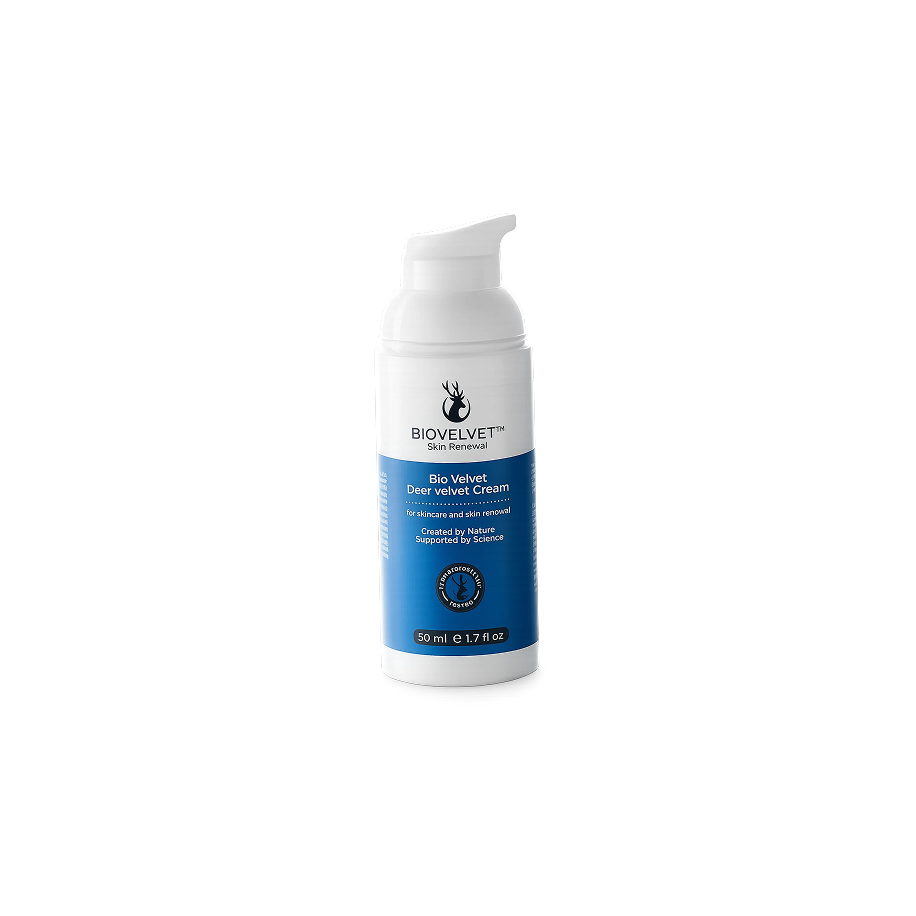
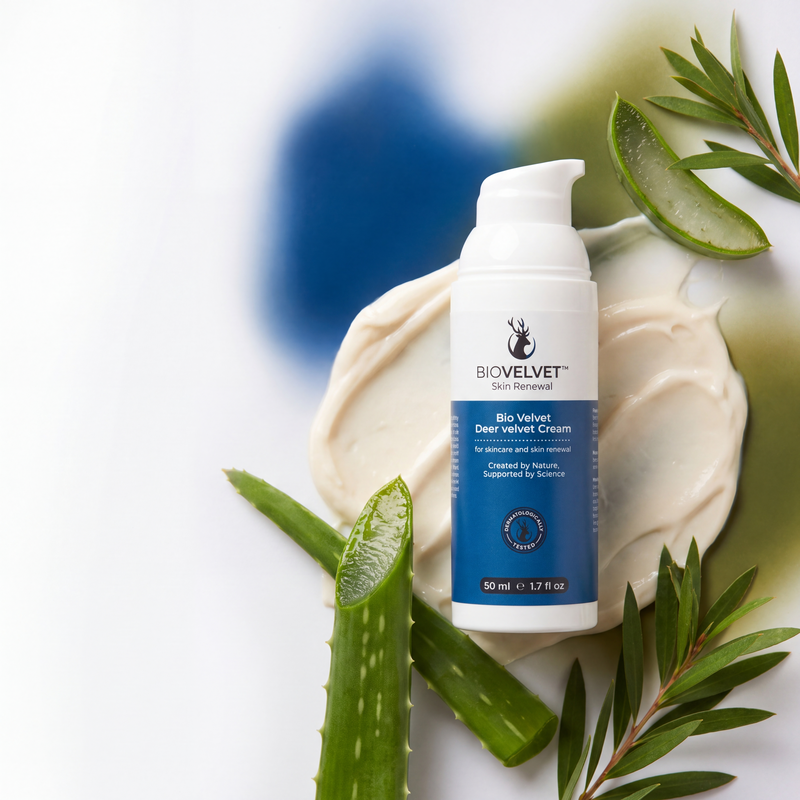
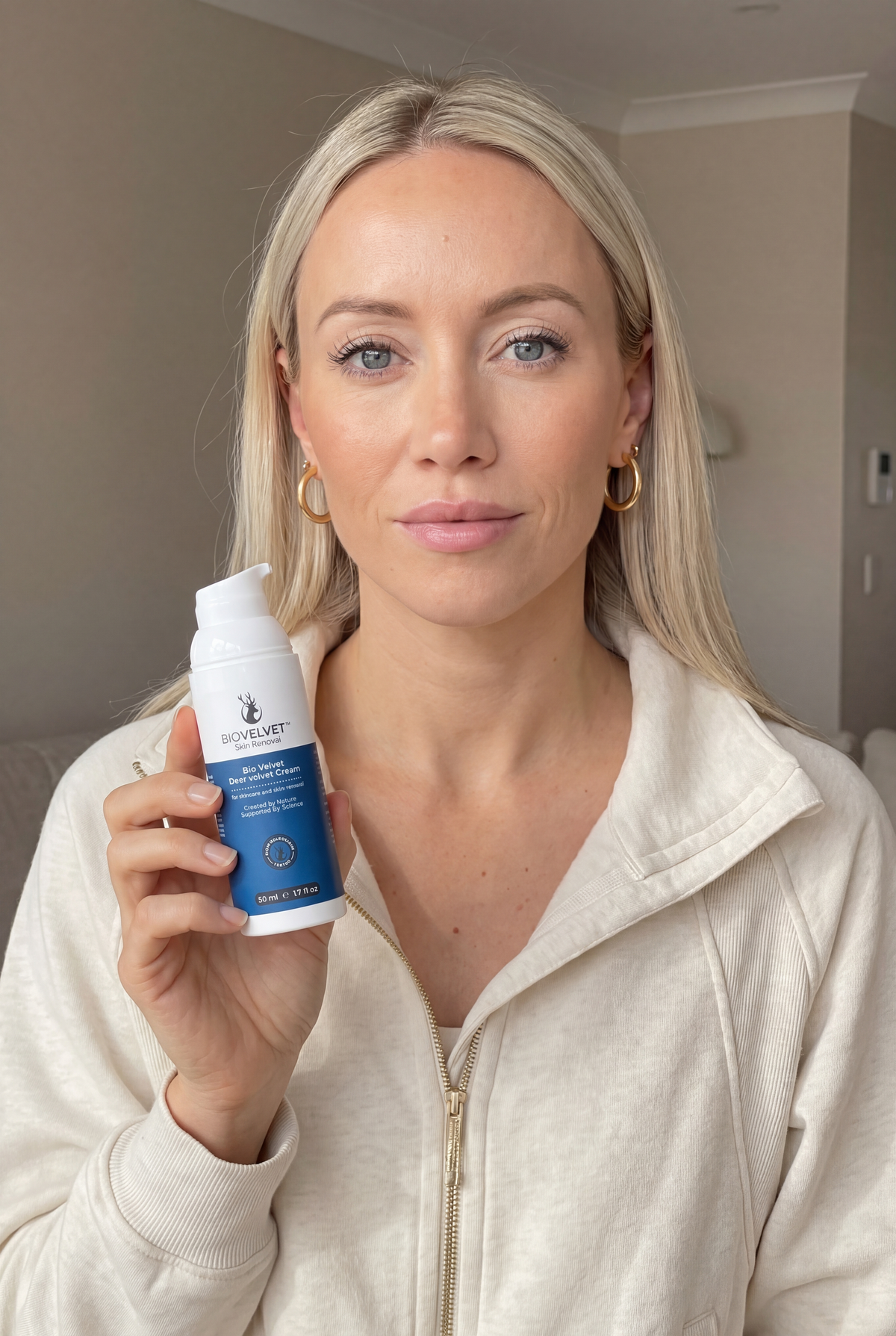
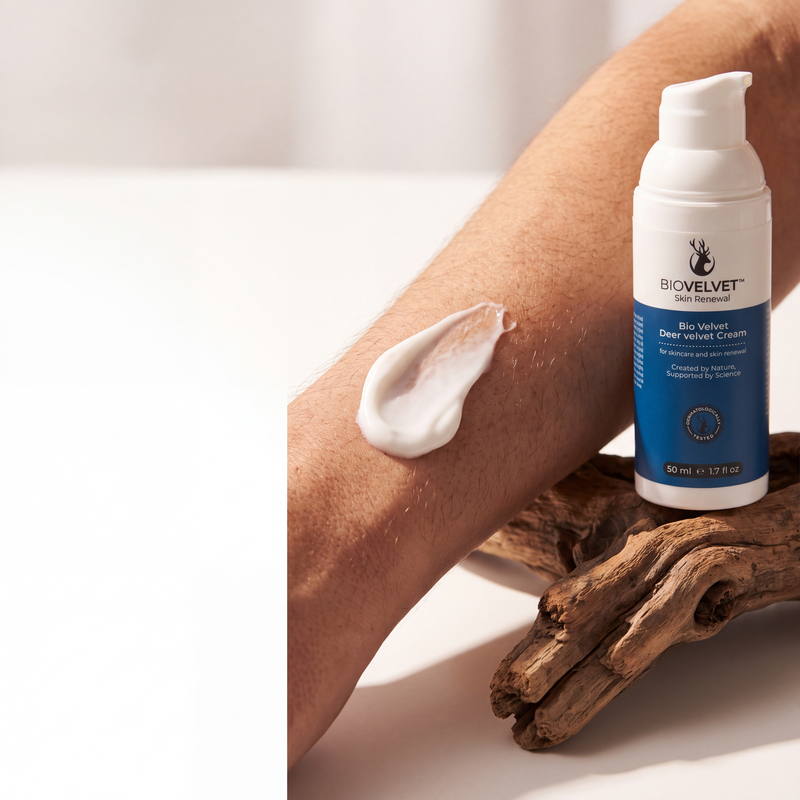
BioVelvet Recovery Cream
Petroleum-free recovery support for dry, reactive, easily-upset skin, backed by a 90-day money-back guarantee. Contains tea tree oil, so patch test first.
What the best skincare for redness usually has in common
The best skincare for redness sensitive skin usually looks less exciting than marketing suggests.
It is often built around a few simple principles:
- Fewer products
- Gentler cleansing
- Steady hydration
- Stronger barrier support
- Daily sun protection
That sounds basic, but basic is often what reactive skin needs. Many redness routines improve not because people find one miracle product, but because they stop using six irritating ones.
Texture matters too. A lot of redness-prone skin does better with simple creams and lotions than with strong exfoliating treatments, heavily fragranced serums, or routines packed with too many steps.
If you want the short version of what dermatologists usually look for in skincare for redness, it is this: use gentle, fragrance-free products that reduce irritation, protect the skin barrier, and are comfortable enough to use consistently.
The ingredients most likely to help calm redness
A few ingredient categories come up again and again for good reason.
| Ingredient | Why it comes up for redness |
|---|---|
| Bisabolol | The soothing active most often reached for when the goal is calming visible irritation, and the one BioVelvet is built around |
| Azelaic acid | Often useful for redness-prone and rosacea-prone skin, if tolerated |
| Niacinamide | Can support the barrier and help calm irritation |
| Hyaluronic acid | Draws moisture in and helps reduce dehydration-related tightness |
| Aloe vera | Soothing when skin feels hot, irritated, or stressed |
| Colloidal oatmeal | Especially helpful for dry, itchy, reactive skin |
| Ceramides | Support the skin barrier and help reduce water loss |
| Glycerin | A reliable hydrator that helps hold water in the skin |
| Green tea | Calming antioxidant support |
| Vitamin E | Helps support the barrier and protect fragile skin |
| Shea butter | Useful for dryness, flaking, and barrier support |
| Mineral sunscreen | Often better tolerated by reactive skin than more irritating formulas |
Bisabolol is worth singling out. It is a well-studied soothing active, it resolves in every ingredient database so you can check it on a label, and it is used specifically to take the edge off skin that stings, flushes, or reacts easily. There is a fuller breakdown of what bisabolol does for skin if you want the detail.
Not every ingredient will work for every person. But these are the kinds of ingredients most often worth looking for.
Ingredients and product types that commonly make redness worse
Some products are much more likely to backfire on already reactive skin.
Common triggers include:
- Strong face scrubs
- Overuse of exfoliating acids
- Retinoids during an active flare
- Fragrance
- Alcohol-heavy formulas
- Essential oils
- Harsh foaming cleansers
- Very hot water
A product does not have to be “bad” in general to be bad for your skin right now. Timing matters. Retinoids, exfoliants, and vitamin C may be fine when your barrier is calm, but not when your face is red, stinging, and overreactive.
Best skincare for redness sensitive skin dermatologist logic, in simple terms
In simple terms, the usual logic is:
- Protect the barrier
- Reduce anything that is triggering inflammation
- Patch test new products
- Add one product at a time
- Give changes enough time to work
That last point matters. Constantly switching products can keep redness going, even when the new products are technically gentle.
How to build the best skincare routine for redness, step by step
If you are searching for the best skincare for redness on face, the goal is not the longest routine. It is the calmest repeatable one.
Routines also need to change depending on whether you are in a flare, in maintenance, or recovering from irritation or a procedure.
Morning routine for redness-prone skin
A practical morning routine usually looks like this:
| Morning step | What to do |
|---|---|
| Gentle cleanse if needed | If skin feels oily or you used a heavy product overnight, use a gentle cleanser. Very dry or easily irritated skin often does better rinsing with lukewarm water. |
| Hydrating layer | A simple hydrating serum or lotion, if it does not sting. Look for glycerin or hyaluronic acid. |
| Calming serum, only if tolerated | Niacinamide or azelaic acid may fit here, but only if your skin handles it well. |
| Moisturizer or recovery cream | A cream that supports the barrier and reduces tightness. |
| Broad-spectrum SPF | Non-negotiable. Reactive skin is more vulnerable to UV damage, and sun exposure keeps redness going. |
Evening routine for redness-prone skin
At night, keep the focus on removing the day gently and helping skin settle.
- Remove makeup or SPF
- Gentle cleanse
- Recovery-focused hydration
- Richer barrier cream or recovery cream
- Pause actives completely if skin is irritated
Evening is often where people overdo it. If your skin is already red, more actives rarely help in the short term.
What to do during an active flare
During an active flare, simpler is better.
Use:
- Gentle cleanser
- Recovery cream or barrier cream
- SPF in the daytime
Avoid for now:
- Acids
- Retinoids
- Vitamin C
- Scrubs
- Unnecessary layering
If your skin is burning, stinging, cracking, or suddenly reacting to everything, this is usually not the moment to push through with active products.
How to add a new product without triggering more redness
Add one product at a time. Patch test first. Then give it enough time before deciding whether it helps.
A practical approach:
- Test a small area first
- Introduce only one new product
- Wait at least 1 to 2 weeks before adding another
- Stop if you notice clear worsening, burning, or rash
This matters because reactive skin can flare from the product, from overuse, or from the underlying condition itself. If you change five things at once, you will not know which one is responsible.
Choosing the best skincare for redness by skin concern
Redness from rosacea, eczema, psoriasis, acne treatment, post-procedure healing, and general sensitivity does not respond to the same routine. This is where the best skincare for redness sensitive skin really depends on context.
If your redness is mostly rosacea-related
Rosacea often flares with heat, alcohol, spicy food, sun, stress, or irritating skincare.
A helpful routine is usually very gentle, low-fragrance, and consistent. Azelaic acid can be useful if tolerated. Daily sunscreen matters. If redness is persistent, comes with visible blood vessels, or affects the eyes, it is worth getting medical care.
If your redness comes with dryness, itching, or flaking
This pattern often points more toward eczema, barrier damage, or seborrhoeic dermatitis.
The focus here is rich barrier support, trigger avoidance, and avoiding harsh actives. Over-the-counter skincare may help comfort and recovery, but it has limits. If the area is severe, crusting, infected, or not improving, it needs medical assessment.
If your redness follows acne treatments or over-exfoliation
This is one of the most common causes of facial redness now. Too many acids, retinoids used too often, or benzoyl peroxide overuse can leave skin tight, shiny, hot, and reactive.
The best next step is usually a temporary recovery routine: gentle cleansing, hydration, barrier support, and a pause on the products that caused the irritation.
If your redness is tied to psoriasis or thicker, scaly patches
Psoriasis needs a different expectation set. Topical skincare can help with comfort, scaling, and barrier support, but it does not replace prescription treatment when plaques are active or widespread.
Gentle creams can still be useful as part of a broader routine, especially on dry, thick, uncomfortable areas.
If your redness starts after procedures, shaving, weather, or sun
This is usually recovery skin.
After laser, peels, microneedling, shaving irritation, windburn, cold weather, or mild sunburn, the goal is to protect healing skin. Use gentle cleansing, simple hydration, barrier support, and sunscreen. Avoid exfoliants and strong actives until the skin feels normal again.
A note on best Korean skincare for redness sensitive skin
Korean skincare for redness sensitive skin can work well when it stays gentle, low-fragrance, and barrier-focused.
What helps is not that it is Korean. What helps is the routine style many people choose within that category: gentle cleansers, hydrating layers, and barrier creams. A long 10-step routine or fragranced formulas can still backfire if your skin is reactive.
Products and ingredients worth considering, including where a recovery cream fits
Once the basics are clear, it becomes easier to choose product categories without chasing hype.
What to look for in a cleanser, moisturizer, and sunscreen for redness
For a cleanser, look for:
- Fragrance-free formula
- Gentle cleansing
- Low sting risk
- No harsh scrub particles
For a moisturizer, look for:
- Barrier-supportive texture
- Enough richness to reduce tightness
- Ingredients like glycerin, ceramides, aloe vera, vitamin E, or shea butter
For a sunscreen, look for:
- Broad-spectrum protection
- A texture you will actually wear daily
- A formula that does not sting reactive skin
The best product is often the one your skin tolerates well enough to use consistently.
Redness-focused products compared
The products below get named most often for redness-prone skin. They are grouped by the job they do in a routine, not ranked against each other, because a cleanser and a sunscreen are not competing for the same slot. Prices are from each brand's own site, checked August 2026.
| Product | Routine step | Key ingredients | Fragrance-free | Price |
|---|---|---|---|---|
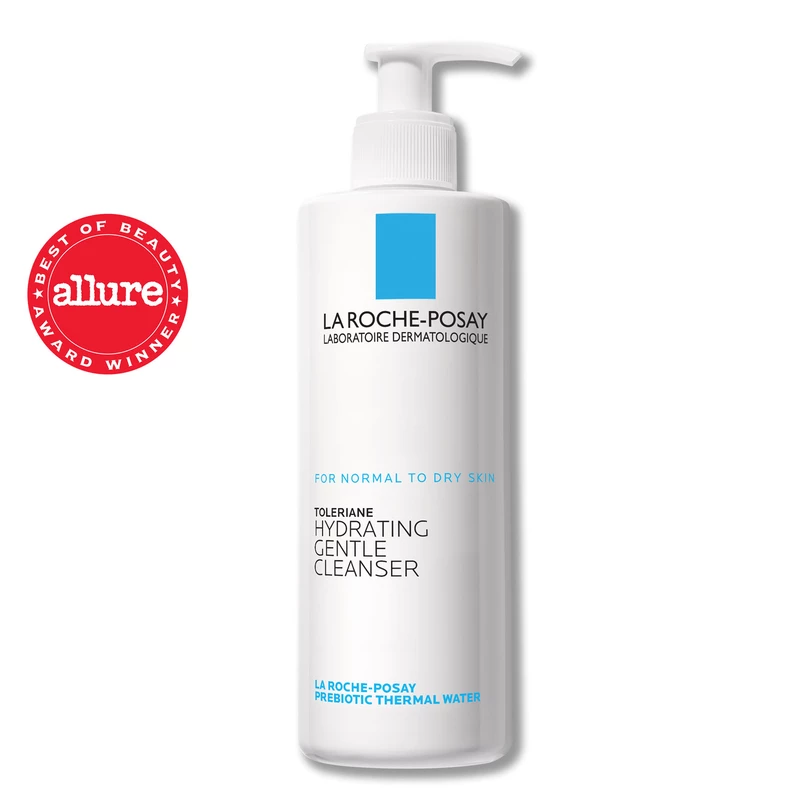 La Roche-Posay Toleriane Hydrating Gentle Cleanser La Roche-Posay Toleriane Hydrating Gentle Cleanser |
Cleanse | Ceramide-3, niacinamide, glycerin | Yes | $8.99 to $19.99 |
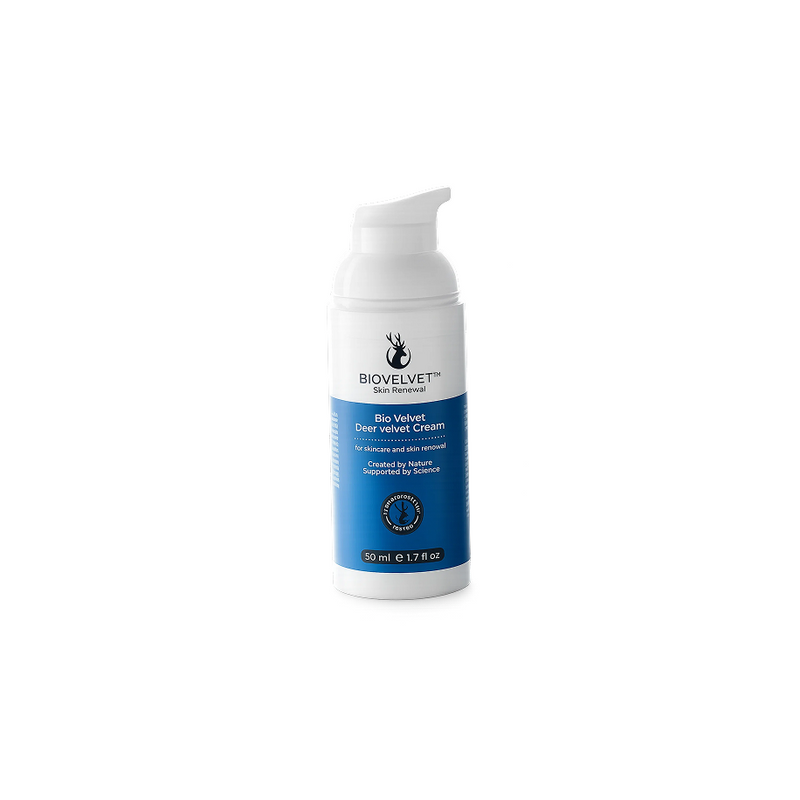 BioVelvet Recovery Cream BioVelvet Recovery Cream |
Recover and moisturise | Bisabolol, deer antler velvet extract, hyaluronic acid, aloe vera, vitamin E, shea butter | No, contains tea tree oil | $54.87 to $64.90 |
 The Ordinary Azelaic Acid Suspension 10% The Ordinary Azelaic Acid Suspension 10% |
Treat, if tolerated | Azelaic acid 10% | Yes | $12.20 |
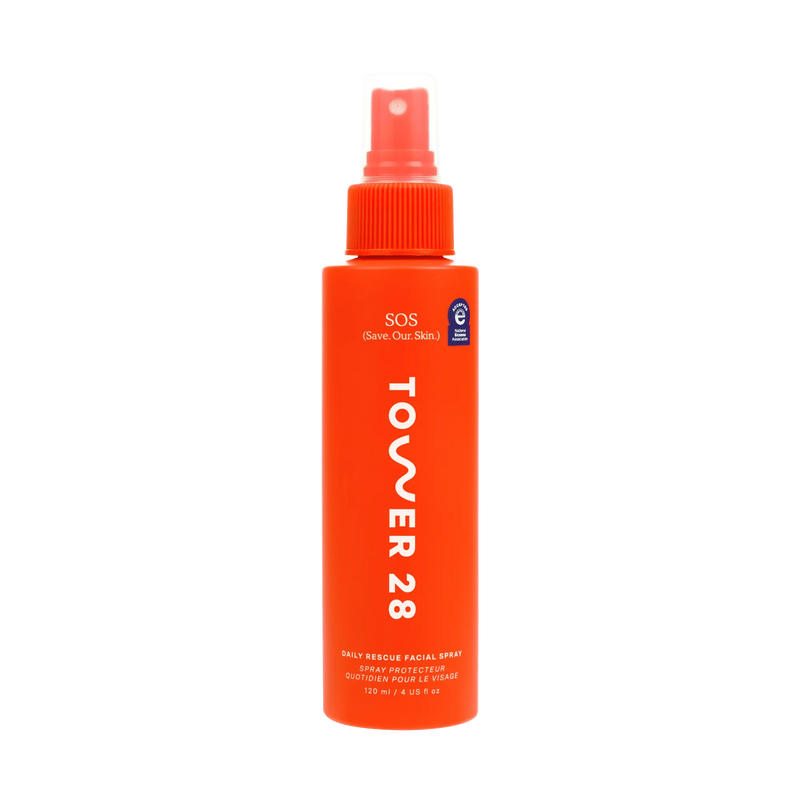 Tower 28 SOS Rescue Spray Tower 28 SOS Rescue Spray |
Calm during the day | Hypochlorous acid | Yes | $28.00 |
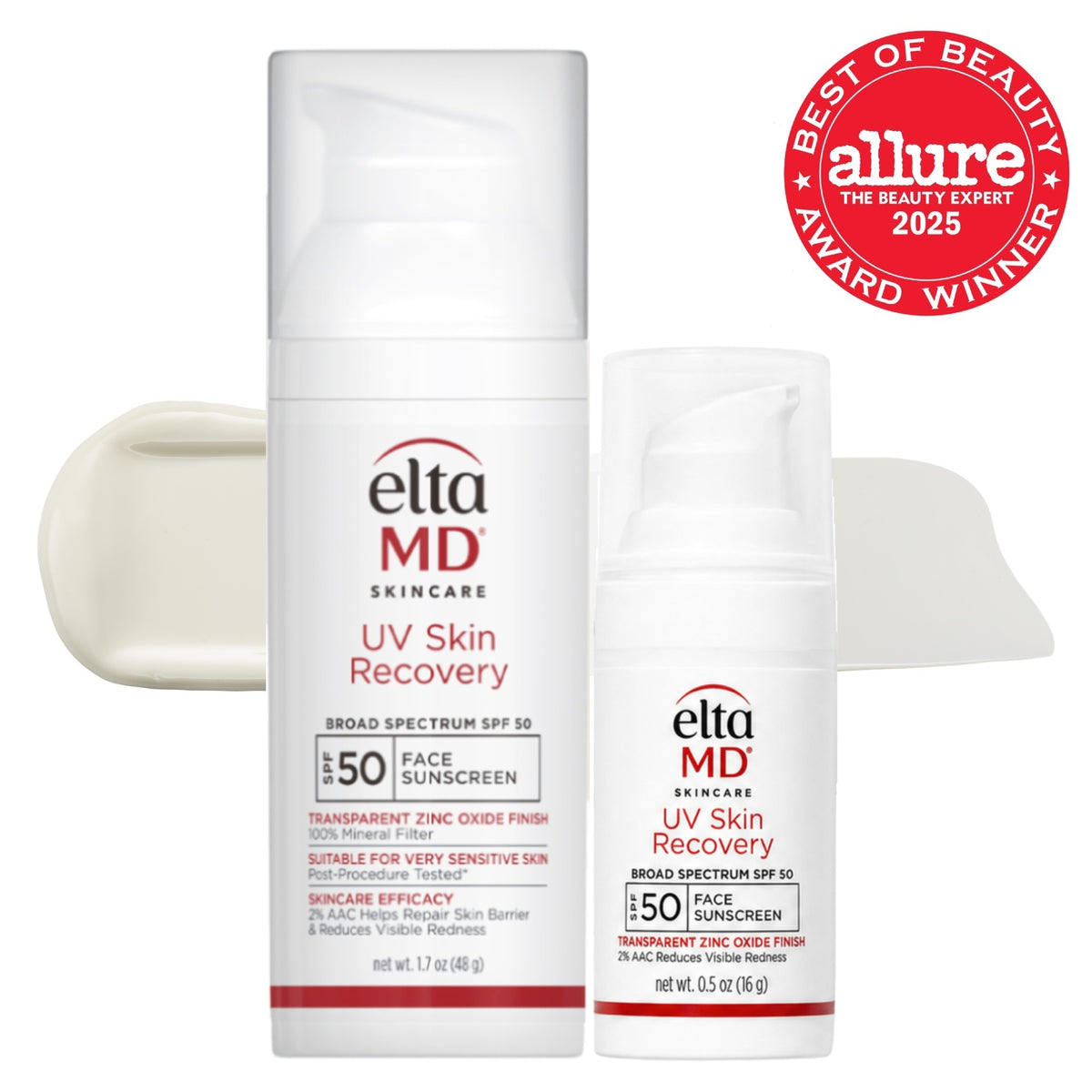 EltaMD UV Skin Recovery SPF 50 EltaMD UV Skin Recovery SPF 50 |
Protect | Zinc oxide, centella asiatica, ceramides | Yes | $50.00 |
 Tatcha Indigo Overnight Repair Tatcha Indigo Overnight Repair |
Recover overnight | Japanese indigo extract, biomimetic ceramides | Yes | $94.00 |
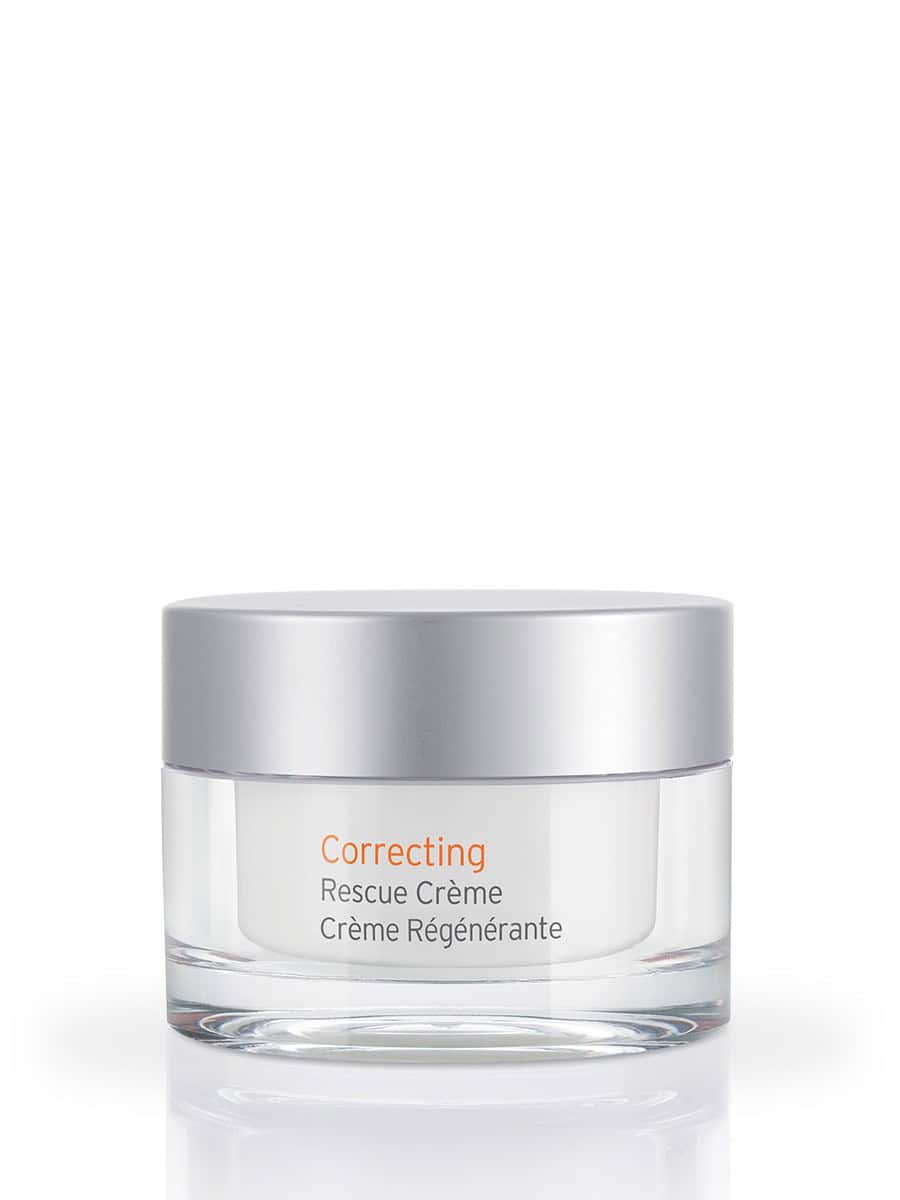 Kerstin Florian Correcting Rescue Crème Kerstin Florian Correcting Rescue Crème |
Recover and moisturise | Glycoproteins, haberlea rhodopensis, shea butter | No | $95.00 |
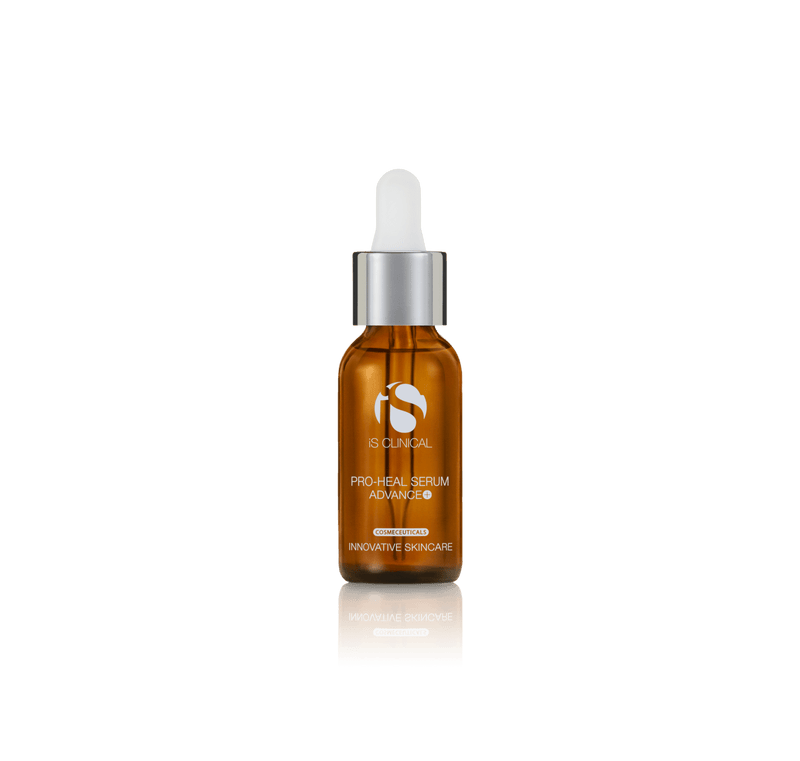 iS Clinical Pro-Heal Serum Advance+ iS Clinical Pro-Heal Serum Advance+ |
Treat, antioxidant | L-ascorbic acid, olive leaf extract, vitamins E and A | Yes | $104.00 to $177.00 |
 Dr. Schrammek Rosea Calm Cream Dr. Schrammek Rosea Calm Cream |
Recover and moisturise | Balloon vine, echium oil, vitamin C | Yes | About $110.99 |
Recovery and barrier creams
These four do the same job, so they are the ones worth comparing directly.
Best when redness is the main complaint
Dr. Schrammek Rosea Calm Cream
About $110.99 (50 ml) | Face moisturiser, fragrance-free
Built specifically around sensitive, reddened skin, this is the most narrowly redness-focused cream in the group. The formula leans on a vasoactive plant complex with balloon vine, echium oil, and vitamin C.
It is also the priciest cream here, and it sells mainly through spas and third-party retailers rather than a US brand store, so the price moves around. Choose this if redness is your single biggest concern and you want a cream formulated around that one job.
Best for reactive skin that needs comfort, not more actives
BioVelvet Recovery Cream
$54.87 to $64.90 (50 ml / 1.7 fl oz) | Recovery cream, contains tea tree oil
BioVelvet is built around bisabolol, the soothing active covered earlier in this guide, alongside deer antler velvet extract, hyaluronic acid, aloe vera, vitamin E, and shea butter. It sits at the moisturiser step, and the case for it is comfort on skin that stings, flushes, or feels tight rather than treatment of any named condition.
It is the lowest-priced of the four recovery creams here and carries a 90-day money-back guarantee. One caveat: it contains tea tree oil, so it is not fragrance-free in the way the La Roche-Posay or EltaMD options are. Patch test first if essential oils are one of your triggers.
Choose this if your redness comes with dryness and tightness, and you want a bisabolol-based cream rather than another active.
Best for overnight recovery
Tatcha Indigo Overnight Repair
$94.00 (50 ml / 1.7 fl oz) | Serum-in-cream night treatment, fragrance-free
A night-only treatment built around Japanese indigo extract and a biomimetic ceramide blend. Tatcha states it calms visible irritation and redness in one night, based on a clinical study of 40 panelists.
That disclosed sample size is more than most brands publish, though it is still the brand's own testing rather than an independent trial. Choose this if your daytime routine is settled and you want one richer step at night.
Best for very dry, environmentally stressed skin
Kerstin Florian Correcting Rescue Crème
$95.00 (50 ml / 1.7 fl oz) | Rich treatment cream, contains fragrance
The richest of the four creams, built on glycoproteins, shea butter, and botanical extracts including haberlea rhodopensis. It is positioned around environmental stress and damage rather than redness specifically.
Like BioVelvet, it is not fragrance-free. Choose this if dryness is doing most of the damage and you already know fragrance is not one of your triggers.
Cleansing
Best cleanser, and the cheapest thing here worth buying
La Roche-Posay Toleriane Hydrating Gentle Cleanser
$8.99 to $19.99 (50 to 400 ml) | Cream cleanser, fragrance-free
Fragrance-free, soap-free, and built on ceramide-3, niacinamide, and glycerin. Nothing else in this list competes with it on price, and cleansing is the step where getting it wrong does the most damage to reactive skin.
Choose this if your current cleanser leaves your skin tight or stinging, because that is usually the first swap worth making.
Treatment steps, once your barrier is settled
Best low-cost route into azelaic acid
The Ordinary Azelaic Acid Suspension 10%
$12.20 (30 ml) | Leave-on cream-textured treatment, fragrance-free
Azelaic acid is the ingredient raised most often for rosacea-prone skin, and at $12.20 this is the cheapest way to find out whether your skin tolerates it. The texture is thick and slightly gritty, which not everyone gets on with.
Choose this if you want to try azelaic acid without committing much money, and your barrier is calm enough to add a treatment step.
Best antioxidant serum, once redness has settled
iS Clinical Pro-Heal Serum Advance+
$104.00 (15 ml) to $177.00 (30 ml) | Vitamin C serum, fragrance-free
Built around L-ascorbic acid with olive leaf extract and vitamins E and A. It is the most expensive product here by volume, and vitamin C is not a first move on actively irritated skin.
Choose this if your redness has already calmed and you want antioxidant support rather than more soothing.
Sun protection
Best sunscreen for rosacea-prone and post-procedure skin
EltaMD UV Skin Recovery SPF 50
$50.00 (1.7 oz) | 100% mineral sunscreen, fragrance-free
Zinc oxide with centella asiatica and a ceramide blend, made specifically for sensitive, post-procedure, and rosacea-prone skin. It carries the most published redness data in this group: the brand reports a 52% reduction in visible redness, and 14% within 15 minutes, in its own testing on post-laser skin.
Treat those as manufacturer figures rather than independent trials. Choose this if you are not yet wearing sunscreen daily, because sun exposure keeps redness going and this is the step people skip.
Calming through the day
Best for calming over makeup
Tower 28 SOS Rescue Spray
$28.00 (4.8 fl oz) | Hypochlorous acid spray, fragrance-free
A hypochlorous acid spray you can use over makeup, which is the main reason it earns a place in a redness routine rather than replacing anything. It carries a National Eczema Association seal.
Choose this if your skin flares mid-day and you want something usable without taking your face off.
Where a recovery cream can make sense
Some people need more than basic hydration. That is especially true after flares, cracked skin, weather damage, over-exfoliation, or post-procedure stress.
That is where a recovery cream can make sense. It fits at the moisturizer step or as the final calming layer. The point is not just to make skin feel temporarily softer, but to support skin that is irritated, fragile, or slow to settle.
BioVelvet Recovery Cream as a redness-support option
BioVelvet Recovery Cream fits into that recovery-cream category, alongside the three creams compared above.
It was developed by Dr. Zur, a veterinary scientist who spent years working with deer antler velvet. The idea behind the formula is straightforward: support skin that is already trying to settle, rather than push it with strong actives.
For redness specifically, the ingredient that matters most in the formula is bisabolol, the soothing active covered earlier in this guide, included here for skin that stings, flushes, or feels tight.
The formula is also built around deer antler velvet extract, used topically here for the comfort of dry, reactive skin rather than as the oral supplement the ingredient is better known for. The raw material has been studied in animal and lab models for its composition, though that research does not establish what a finished cream does on human skin.
The formula also includes:
- Bisabolol to help calm the feeling of irritated skin
- Hyaluronic acid to draw moisture into the skin
- Aloe vera to help calm irritation
- Vitamin E to support the barrier
- Shea butter to add deeper moisture and seal it in
That makes it worth considering for dry, sensitive, reactive, or post-flare skin that needs more support than a basic moisturizer provides.
One caveat matters on a page about redness. BioVelvet contains tea tree oil, which is an aromatic botanical and a recognised contact sensitizer for some people, so it is not fragrance-free in the way the La Roche-Posay, EltaMD, or Tatcha options are. If your redness is triggered by essential oils, patch test on a small area first, or choose a fragrance-free option from the table instead.
Keep the framing realistic either way. A recovery cream can support comfort and barrier recovery over time. It is not a cure for chronic inflammatory skin disease, and it is not a replacement for prescription treatment in severe rosacea, eczema, or psoriasis.
Realistic expectations: what skincare for redness can and cannot do
People with reactive skin are often tired of being told to “just keep it simple” after trying product after product with little success. That frustration is real.
The good news is that skincare can often help. The limit is that it helps best when the problem is irritation, dryness, barrier damage, mild inflammation, or recovery after stress. It cannot diagnose why redness is happening, and it cannot replace medical care when the issue is severe or persistent.
How long does it take skincare to reduce redness?
Some people notice less sting, tightness, or dryness within a few days of simplifying their routine.
Visible redness often takes longer. Chronic redness usually improves over weeks, not overnight. The biggest mistake is changing products every three days because the first one did not transform your skin immediately.
Consistency matters more than novelty.
What skincare cannot fix on its own
Skincare is not enough for:
- Severe rosacea
- Infected eczema
- Worsening psoriasis
- Allergic reactions
- Deep burns
Those situations need medical assessment.
How to know whether your routine is helping or hurting
A simple checklist helps:
| Signs it is helping | Signs it is hurting |
|---|---|
| Skin stings less | Products burn every time you apply them |
| Warmth settles more quickly | Redness is spreading |
| Tightness and scaling are improving | Skin feels hotter, tighter, or thinner |
| Flares are happening less often | Flaking, cracking, or itching are increasing |
| Skin feels more resilient over time | You keep adding products but your skin tolerates less and less |
If that second list sounds familiar, simplify first. Then decide whether you need one calming product, a richer recovery cream, or a dermatology appointment.
Ready to try?
BioVelvet Recovery Cream
Built for skin that is dry, tight, and quick to react. Deer antler velvet extract paired with hyaluronic acid, aloe vera, and vitamin E, used topically for everyday skin comfort.
FAQ
What is the best skincare for redness on the face?
The best skincare for redness on the face is usually a gentle, fragrance-free routine built around barrier support, hydration, and daily sunscreen. The exact routine depends on whether the redness comes from irritation, rosacea, eczema, acne treatment, sun exposure, or another cause.
What do dermatologists recommend for redness and sensitive skin?
In simple terms, dermatologists usually recommend fewer products, gentle cleansing, fragrance-free formulas, barrier-supportive moisturizers, patch testing, and daily sun protection. If redness is persistent, painful, or associated with visible blood vessels, rash, or eye symptoms, they usually recommend medical assessment too.
Which ingredients help reduce facial redness without making skin worse?
Ingredients often worth considering include azelaic acid, niacinamide, hyaluronic acid, aloe vera, colloidal oatmeal, ceramides, glycerin, green tea, vitamin E, shea butter, and mineral sunscreen. Tolerance still varies by person, so patch testing matters.
Can skincare actually help rosacea redness?
Yes, skincare can help support rosacea-prone skin by reducing triggers, protecting the barrier, and lowering irritation. But persistent rosacea redness often needs medical advice as well, especially if visible blood vessels or eye symptoms are involved.
How do I know if my redness is from a damaged skin barrier?
A damaged barrier often feels tight, stings easily, reacts to products that used to feel fine, and may look shiny, flaky, or inflamed. It commonly happens after over-exfoliation, harsh cleansers, too many actives, weather stress, or overuse of acne treatments.
What should I avoid if my skin is red, reactive, and easily irritated?
Avoid strong scrubs, overuse of exfoliating acids, retinoids during a flare, fragrance, alcohol-heavy formulas, essential oils, harsh foaming cleansers, and very hot water. If your skin is actively irritated, simplify the routine before adding anything new.