Windburn on face
Windburn on face is not a burn
It is your barrier stripped by cold dry air. That changes what actually helps and what makes it worse.
Shop BioVelvet →What windburn on face actually is
Windburn on face is barrier damage from cold dry moving air, not a burn. Wind pulls water off exposed skin faster than it can be replaced, and once the outer layer is disrupted the skin goes red, tight and tender within about 2 hours of coming indoors.
The name is the problem. People treat it like sunburn and reach for after-sun gels, or they assume the flaking is dead skin that needs exfoliating off. Both make it worse, because there is no heat injury here to cool and nothing useful to scrub away.
What there is instead is a barrier that has stopped holding water, which is why products you have used for years suddenly sting.
What it looks and feels like
Redness across the cheeks and nose first, since those are the most exposed. Tightness after washing. Rough patches, flaking, tenderness to the touch, and a face that reacts to skincare it normally ignores. Lips usually go at the same time, because they have the thinnest barrier on your body and no oil glands to defend themselves.
The giveaway is the timing. Skin was fine before you went out, and it is sore afterwards.
Petroleum-free · Non-greasy · Reapply anytime
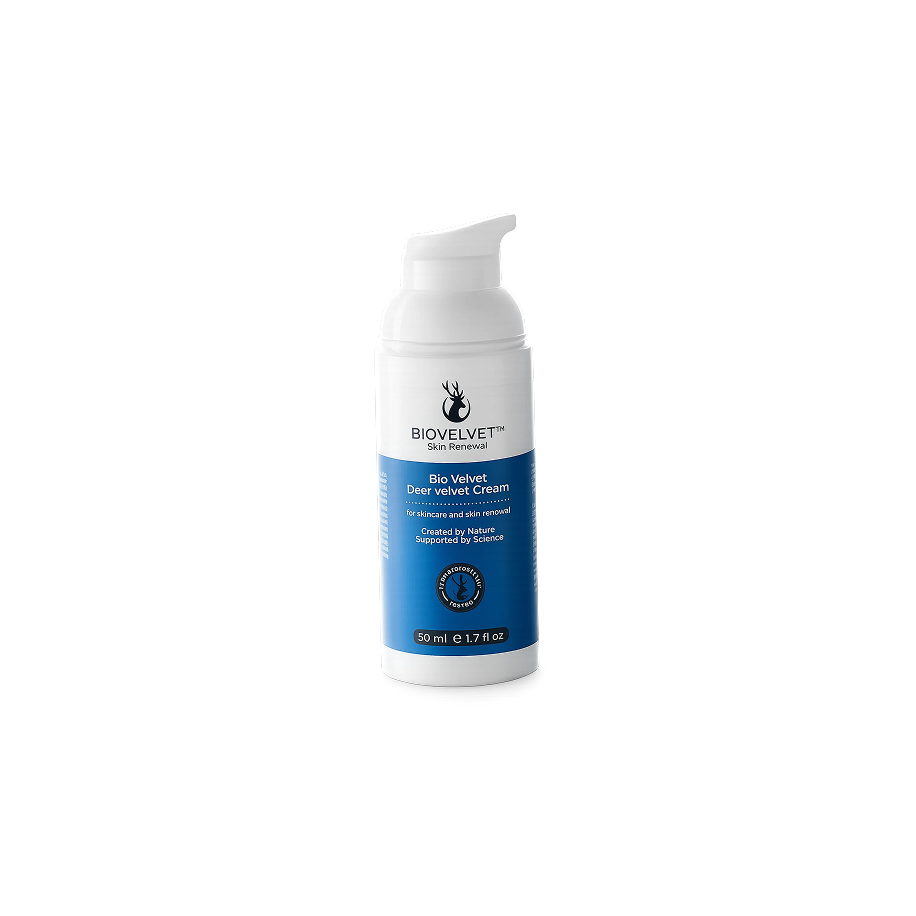
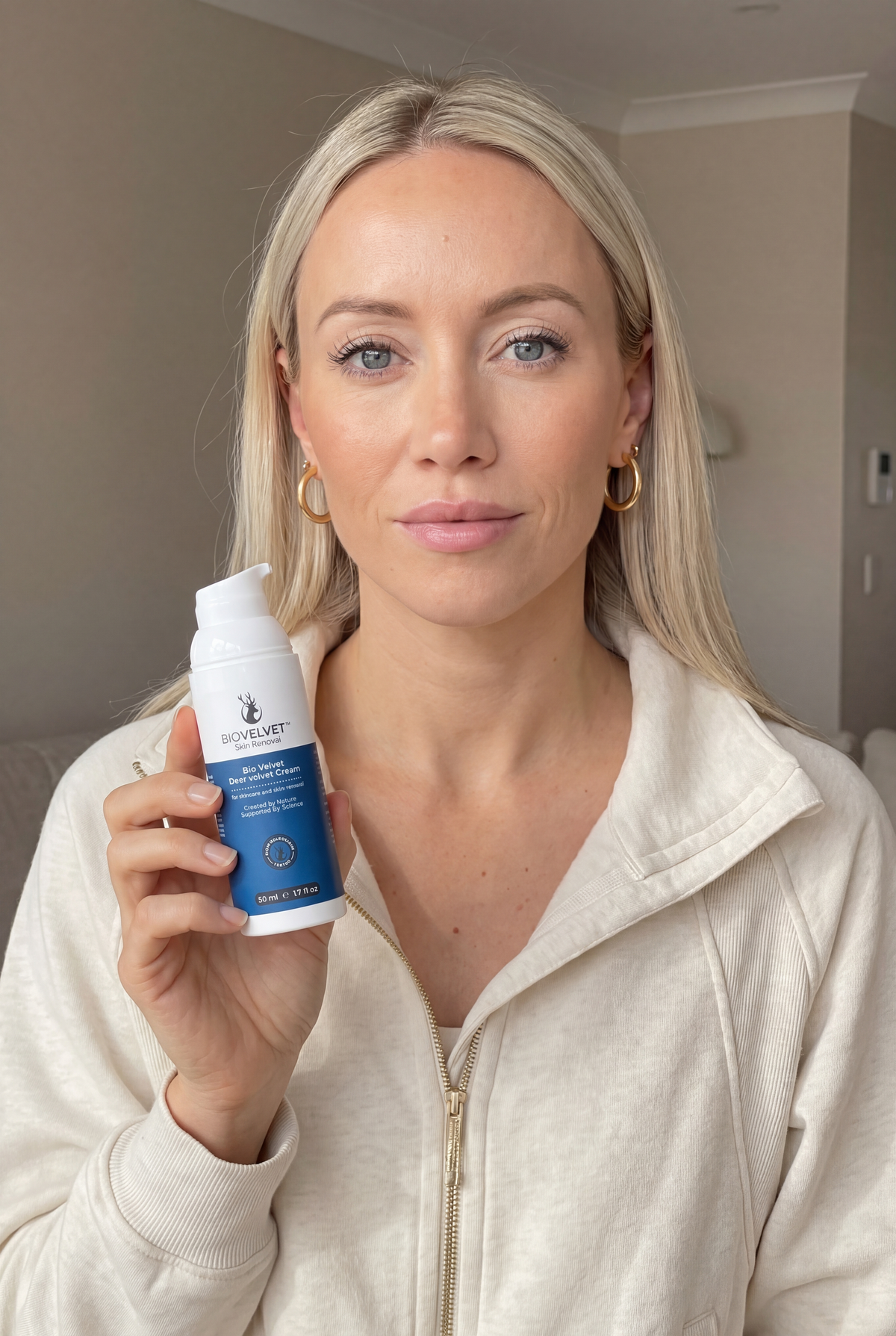
BioVelvet Recovery Cream
Calms the red tight feeling after a day in the wind and absorbs in, so you can reapply without a greasy layer.
Windburn or sunburn or something else
These get confused constantly, and the distinction changes what you should do next.
| Windburn | Sunburn | |
|---|---|---|
| Cause | Water stripped by cold dry moving air | UV damage to the skin |
| Feel | Tight rough and stingy | Hot and sore to the touch |
| Timing | Noticeable as soon as you are indoors | Often builds over several hours |
| What helps | Replacing water and leaving skin alone | Cooling and time |
It is also worth ruling out the impostors. An eczema flare, rosacea, or a reaction to something you applied can all look like this, and none of them settle with barrier care alone.
What to do in the first few days
Less, essentially. A cool compress if it feels hot, a gentle cleanser or just lukewarm water if cleanser stings, and a bland moisturiser onto skin that is still slightly damp. Then reapply whenever it tightens up again, which on a bad day might be four or five times.
Reapplication is the part that matters, and it is the part people skip. One thick application in the morning does less than three light ones across the day, because the barrier is leaking water continuously until it rebuilds.
Stay out of the wind while that happens. Going back out unprotected resets the clock.
What makes it worse
Scrubs and cleansing brushes, glycolic or lactic or salicylic acid, retinoids, alcohol-heavy toners, fragranced products, hot water, over-cleansing, and picking the flakes off. That last one is the most common. Flaking looks like dead skin that wants removing and is in fact the barrier in the middle of repairing itself.
If something stings on contact, your barrier is too disrupted for it today. That is information rather than a verdict on the product.
Lips need a different product
Lips have no oil glands, so they cannot hold water the way facial skin does. They want a plain occlusive balm reapplied constantly, and applied before you go out rather than after they already feel dry. Licking helps for a second and then makes it worse.
Splitting at the corners of the mouth is a different problem and worth getting looked at rather than treating with more balm.
Which product for which part of your face
Most advice on windburn points at a petrolatum ointment, and for lips or genuinely cracked skin that is right. An ointment seals a surface that has lost the ability to hold water, which is exactly the problem.
Across a whole face that is red and tight but not broken, the calculation changes. An ointment is heavy, it leaves a shine, and you will not reapply it at lunchtime on a workday. Our guide to choosing between Aquaphor and Vaseline covers that trade-off if you want an ointment.
Ointment or cream after a windy day
Petrolatum ointment
- Right choice for lips
- Right choice on cracked skin
- Heavy and visibly shiny
- Rarely reapplied during the day
BioVelvet
- Absorbs in so you reapply freely
- Allantoin and bisabolol to soothe
- Petroleum-free and lanolin-free
- Contains tea tree oil, patch test first
Use both if it suits you. Ointment on the lips and any split skin, a lighter cream across the face where reapplying through the day is what actually rebuilds the barrier.
How long it takes and when to worry
Mild windburn settles in a few days. Skin that was already dry or reactive takes longer, and so does skin that caught sun at the same time. Redness usually fades before the tightness does, so a face that looks fine can still feel sensitive for another week.
Red tight and flaky after time outdoors. Improves steadily with gentle care. No blisters, no swelling, no oozing. Settling rather than spreading.
Blistering, real swelling, crusting or weeping, severe pain, a rash that is spreading, skin that looks infected, or no improvement at all with gentle care. Also any of this on a child.
When it is probably not windburn
If this keeps happening after mild exposure, or you already have eczema or rosacea and the reaction is hard to control, the wind is likely the trigger rather than the cause. That is worth a diagnosis rather than another cream, because prevention will only take you so far against an underlying condition.
Preventing it next time
Protect the barrier before exposure rather than repairing it afterwards. A richer moisturiser than you would normally wear, applied before you leave rather than on the way out, plus sunscreen, plus lip balm, plus a scarf or gaiter over as much skin as you are willing to cover.
Sunscreen is the step people drop when it is cold and cloudy. Wind does not block UV, and windy days outdoors usually come with more of it than the temperature suggests.
The mistakes that reliably cause trouble are going out with damp skin, relying on a light gel in harsh weather, and exfoliating the day before a long day outside.
Ready to try?
BioVelvet Recovery Cream
Soothes skin left red and tight by cold wind. Light enough to reapply through the day, which is what rebuilds a stripped barrier.
FAQ
What does windburn on the face look like?
Red, dry and slightly inflamed, usually across the cheeks and nose first because they are the most exposed. The skin feels tight, rough and tender, and products that normally feel neutral start to sting.
How do you get rid of windburn on the face fast?
Pause exfoliants and retinoids, cleanse gently with lukewarm water, and reapply a bland moisturiser through the day. A cool compress helps the discomfort. Staying out of the wind while it settles does more than any product.
How long does windburn on the face last?
Mild cases usually improve within a few days. It takes longer if your barrier was already stressed, if you caught sun at the same time, or if you keep going back out into the wind.
Is windburn the same as sunburn?
No. Sunburn is UV damage. Windburn is barrier irritation from wind, cold and low humidity. They often happen together on a long day outdoors, which is why a windy day at altitude or near water usually involves both.
What helps windburnt lips?
A plain occlusive balm reapplied often, and applied before you go out rather than after the lips already feel dry. Licking and peeling flaky skin keeps the cycle going. Deep cracks or splitting at the corners are worth showing to someone.
Should I use an ointment or a cream on windburn?
An ointment is the right call on lips and on any skin that has cracked open, because those need sealing. A lighter cream suits a whole face that is red and tight rather than broken, and it is easier to reapply during the day.