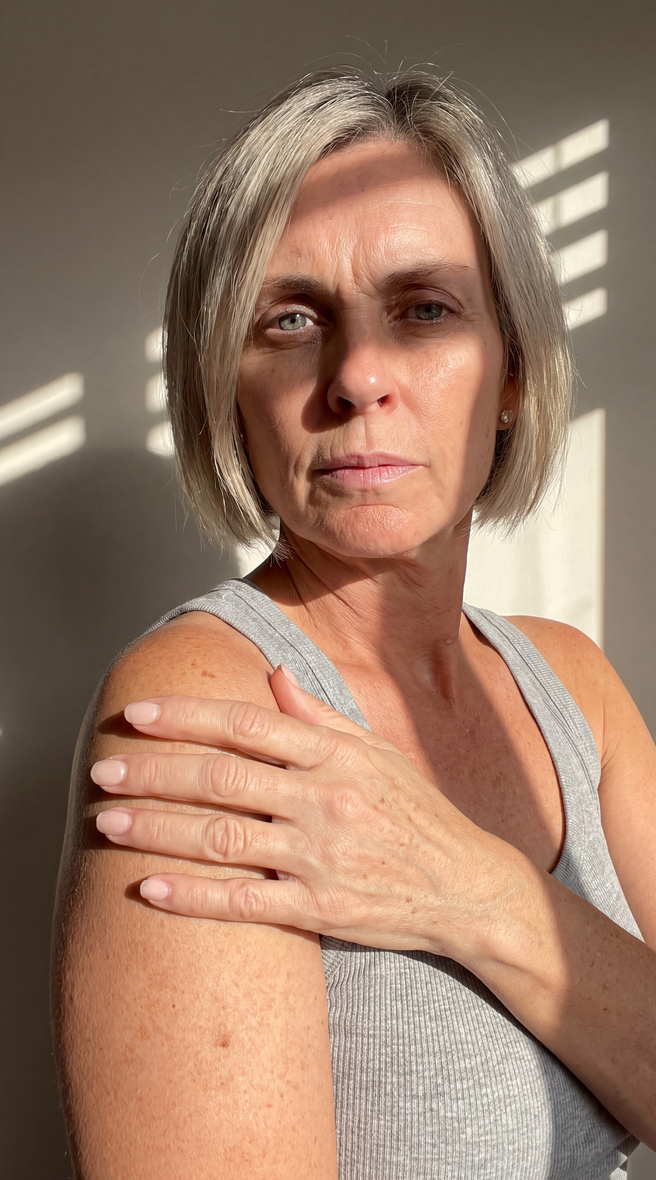
Redness on face
How to reduce redness on face
Redness is a symptom rather than a diagnosis. Working out which kind you have decides everything you do next.
Shop BioVelvet →How to reduce redness on face
Reducing redness on the face starts with subtraction rather than addition: stop every product that stings, drop the water temperature, and hold a plain routine for about 7 days. Most people who cannot shift their redness are treating the wrong cause with more products.
That is the part the ingredient lists miss. Redness is a symptom, not a diagnosis, and a flush from a hot shower has nothing in common with an eczema patch or a barrier you stripped with acids. They look alike in the mirror and they respond to completely different things.
So the useful first move is working out which one you have, which takes about a minute and saves weeks.
Which kind of redness you are dealing with
Almost all facial redness falls into one of five groups. The pattern tells you more than the colour does.
| What it looks like | Probably | What helps |
|---|---|---|
| Comes and goes with heat or food or exercise | Flushing | Trigger control rather than skincare |
| Stings at everything and feels tight and shiny | A stripped barrier | Strip the routine back and wait |
| Central on cheeks and nose with visible vessels or bumps | Rosacea | A dermatologist and trigger control |
| Itchy and flaky and spreading | Eczema or contact dermatitis | Diagnosis before products |
| Flat marks left where spots used to be | Post-acne redness | Daily sunscreen and patience |
Allantoin · Bisabolol · Non-greasy
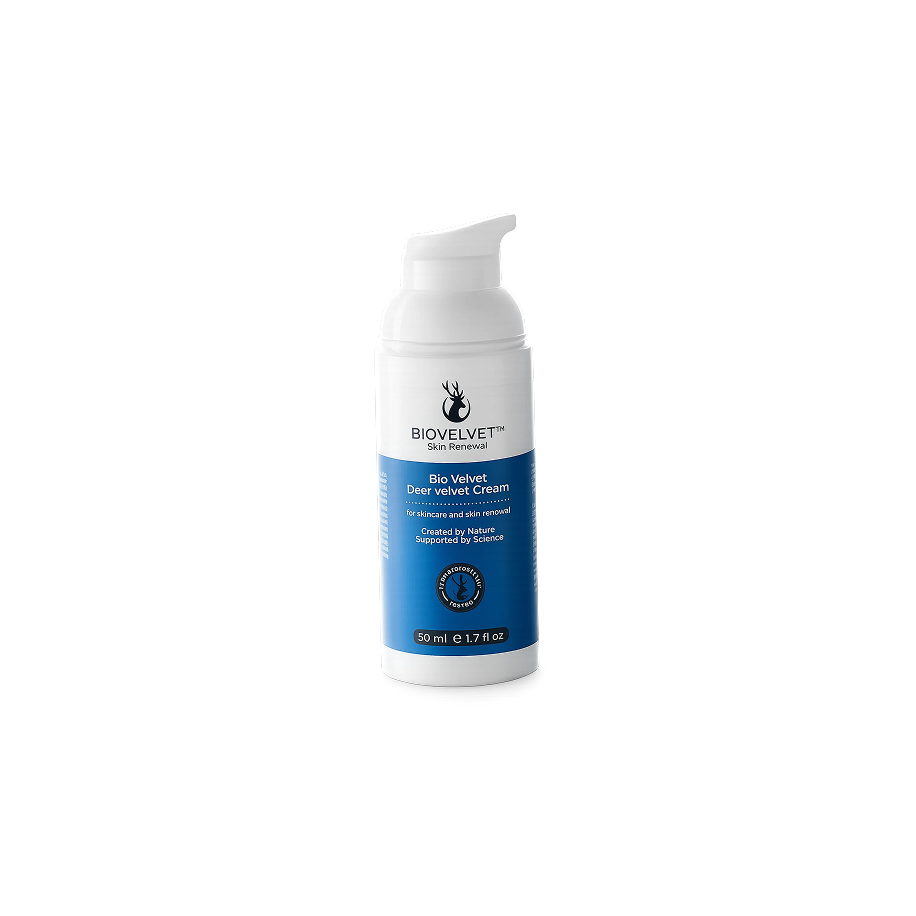
BioVelvet Recovery Cream
Takes the heat out of red reactive skin with two soothing actives and nothing sharp to argue with.
The first 48 hours
If your face went red recently and you want it calmer now, the instinct is to reach for something soothing. The better move is to take things away first.
Rinse with cool or lukewarm water. Stop anything that stings on contact, including the product you bought to fix this. Pat rather than rub. Put a bland moisturiser on skin that is still damp, and reapply whenever it tightens. Stay out of heat and steam and hard exercise for a day if those flush you, and use a mineral sunscreen if you are going out.
That is the whole protocol. A cool compress helps the discomfort and does nothing for the cause, which is fine, because comfort buys you the patience to leave your skin alone.
What reliably makes it worse
Scrubs and cleansing brushes, acids, retinoids, alcohol-heavy toners, fragranced products, very hot water, ice straight onto skin, and any kitchen remedy involving lemon juice or vinegar. Also the specific mistake of trying to cancel one product reaction with a second active.
Neat essential oils belong on this list too, tea tree included. Applied undiluted to an already red face they are a common cause of contact dermatitis. That is a different thing from a formulated product containing a small amount of one, but it is worth being straight about: BioVelvet Recovery Cream contains tea tree oil, which is a recognised contact sensitiser and more so once it has oxidised. Patch test ours the way you would patch test anything else on reactive skin.
Ingredients that actually help
A handful of ingredients show up repeatedly in routines that work for redness-prone skin, and none of them are exciting.
Allantoin and bisabolol are the two worth knowing, because soothing is the specific job they do and both are ordinary checkable ingredients rather than a proprietary blend. Glycerin and hyaluronic acid handle water. Ceramides and colloidal oatmeal support the barrier. Niacinamide works well for a lot of people. Azelaic acid is genuinely useful for rosacea-prone skin and needs introducing slowly, because it stings before it helps.
What matters more than the list is adding one thing at a time. Reactive skin gives you no way to tell which of three new products caused the problem.
Calm active irritation. Support a barrier while it rebuilds. Reduce how red the skin looks. Make skin less reactive over months of not being provoked.
Cure rosacea or eczema. Erase broken capillaries. Replace a prescription when one is needed. Treat an allergic reaction or an infection.
That second column is not an argument against good skincare. It is the reason to find out which kind of redness you have before spending three months on the wrong approach.
Where a recovery cream fits
BioVelvet Recovery Cream is built for the second row of that table: skin that is red and tight and reacting to things it used to tolerate. Allantoin and bisabolol do the soothing, glycerin and sodium hyaluronate hold water, and the base is petroleum-free and light enough to reapply during the day.
It is a comfort and barrier product rather than a treatment, so if the table pointed you at rosacea or eczema it belongs alongside whatever a clinician gives you rather than instead of it.
How long it takes
Mild irritation clears in days. A properly stripped barrier takes a few weeks of being left alone. Post-acne marks fade over weeks to months and fade faster with daily sunscreen. Rosacea is managed rather than finished.
Knowing which timeline you are on is what stops the product-hopping. Most people switch products at day four, which is before almost anything has had a chance to work.
When to stop guessing
Persistent redness that does not improve, visible blood vessels, bumps and pustules, swelling, severe burning, a rash spreading near the eyes, signs of infection, or redness that returns every time you relax a gentle routine.
Any of those means the answer is a diagnosis rather than another cream. Guessing for months costs more time than one appointment.
Ready to try?
BioVelvet Recovery Cream
Calms skin that is red and tight and stinging at everything. Allantoin and bisabolol to soothe, with nothing sharp in the formula to set it off again.
FAQ
How do I reduce redness on my face fast?
Rinse with cool or lukewarm water, stop every product that stings, apply a bland moisturiser to damp skin, and stay away from heat. Mild irritation often settles within hours. Nothing reliably clears redness overnight.
What causes redness on the face all of a sudden?
Usually a product reaction, over-exfoliation, sun or wind exposure, heat, or a rosacea flush. Sudden redness with swelling, severe itching or any breathing symptom needs urgent medical attention rather than skincare.
How do I know if it is irritation or rosacea?
Irritation usually stings, feels tight, and traces back to a product or a week of overdoing actives. Rosacea flushes repeatedly, sits centrally on the cheeks and nose, and often brings visible vessels or acne-like bumps. Irritation settles when you stop. Rosacea returns.
Which ingredients actually help facial redness?
Allantoin and bisabolol for soothing, glycerin and hyaluronic acid for water, ceramides and colloidal oatmeal for the barrier, and niacinamide for many people. Azelaic acid helps rosacea-prone skin but needs introducing slowly because it can sting at first.
Can you cure redness on the face overnight?
You can calm a flush overnight. You cannot resolve the cause that fast if it is rosacea, eczema, barrier damage or visible capillaries. Judging a product by how your face looks the next morning is how people end up cycling through products for months.
Why does my face sting when I apply moisturiser?
Stinging on contact usually means the barrier is disrupted rather than that the product is harmful. It is a signal to simplify the routine for a week. If one specific product stings every time and others do not, stop using that one.