Redness
Best moisturizer for redness: how to choose the right formula.
What causes facial redness, why bisabolol is the calming active to look for, and how to read the claims on the label.
Shop BioVelvet →What redness actually means, and why the best moisturizer depends on the cause
Redness is not a skin type. It is a symptom.
That matters, because the best moisturizer for redness will depend on whether your skin is dry, over-exfoliated, rosacea-prone, eczema-prone, irritated by active ingredients, reacting to weather, or recovering from a procedure. Skin can look red for very different reasons, and one cream will not suit every version of red, reactive skin.
Common causes of facial redness include:
- rosacea and flushing
- dryness and dehydration
- a damaged skin barrier
- eczema or eczema-like patches
- irritation from retinoids, exfoliating acids, or acne treatments
- over-cleansing or harsh cleansing
- cold weather, wind, indoor heating, or heat exposure
- post-procedure sensitivity after peels, laser, or microneedling
- acne-related inflammation
A moisturizer can often help by calming the skin, supporting the barrier, reducing moisture loss, and making visible redness less obvious over time. But moisturizers do not treat every underlying condition. If redness is being driven by rosacea, eczema, allergy, infection, or a medical skin problem, topical care has limits.
The useful way to think about this is simple: match the formula to the kind of redness you actually have. Texture matters. Ingredients matter. Routine matters. And using a decent product consistently usually matters more than chasing a trending one.
Is redness usually dryness, sensitivity, rosacea, or something else?
A few broad patterns can help you narrow it down.
Temporary irritation often shows up after trying a new product, overusing acids, scrubbing, or cleansing too aggressively. Skin may sting, feel tight, and look pink or blotchy.
Chronically sensitive skin tends to react easily to fragrance, weather, heat, or too many products. It may burn or flush even when the routine looks mild on paper.
Rosacea-related redness often centers on the cheeks, nose, chin, or forehead, and may come with flushing, warmth, visible blood vessels, or bumps that resemble acne.
Barrier damage usually feels tight, dry, stingy, and reactive. Skin may suddenly stop tolerating products it used to handle well.
Eczema-like redness often comes with itch, flaking, rough patches, and a compromised barrier. It can be persistent or flare in cycles.
Acne-related redness may sit around breakouts or linger after inflammation. In that case, the goal is to avoid drying the skin out further while still supporting healing.
When a moisturizer can help, and when you may need a dermatologist
A moisturizer can help when redness is tied to dryness, mild irritation, barrier stress, post-procedure sensitivity, or everyday reactivity.
You may need a dermatologist if redness is:
- getting worse rather than better
- paired with persistent burning or pain
- accompanied by visible blood vessels and frequent flushing
- showing up as a painful rash
- crusting, oozing, or looking infected
- sudden, unexplained, or affecting the eyes
- not improving despite a simplified routine
That is not alarmist. It is simply the point where over-the-counter care may have reached its ceiling.
Bisabolol · Deer Antler Velvet Extract · Aloe Vera · Hyaluronic Acid
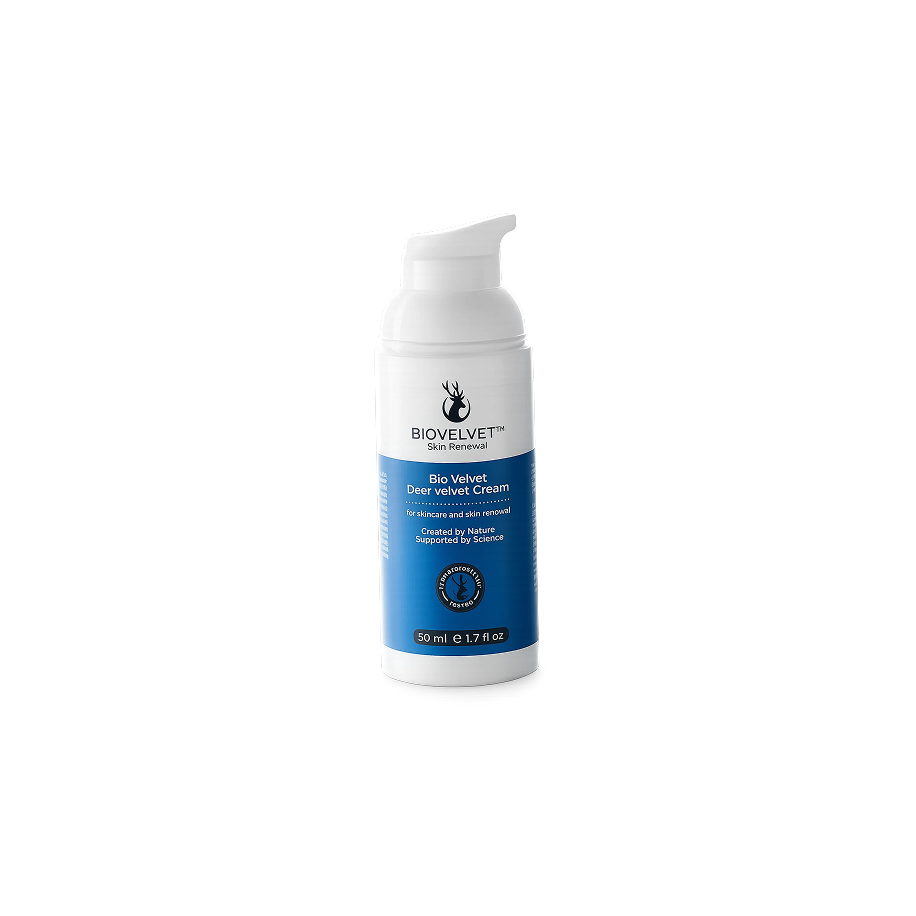
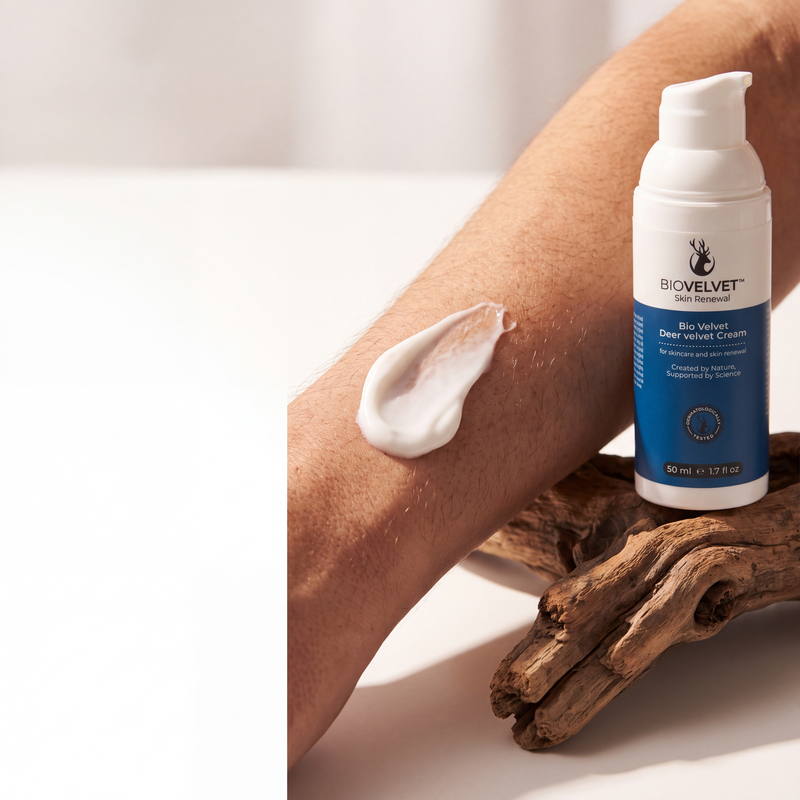
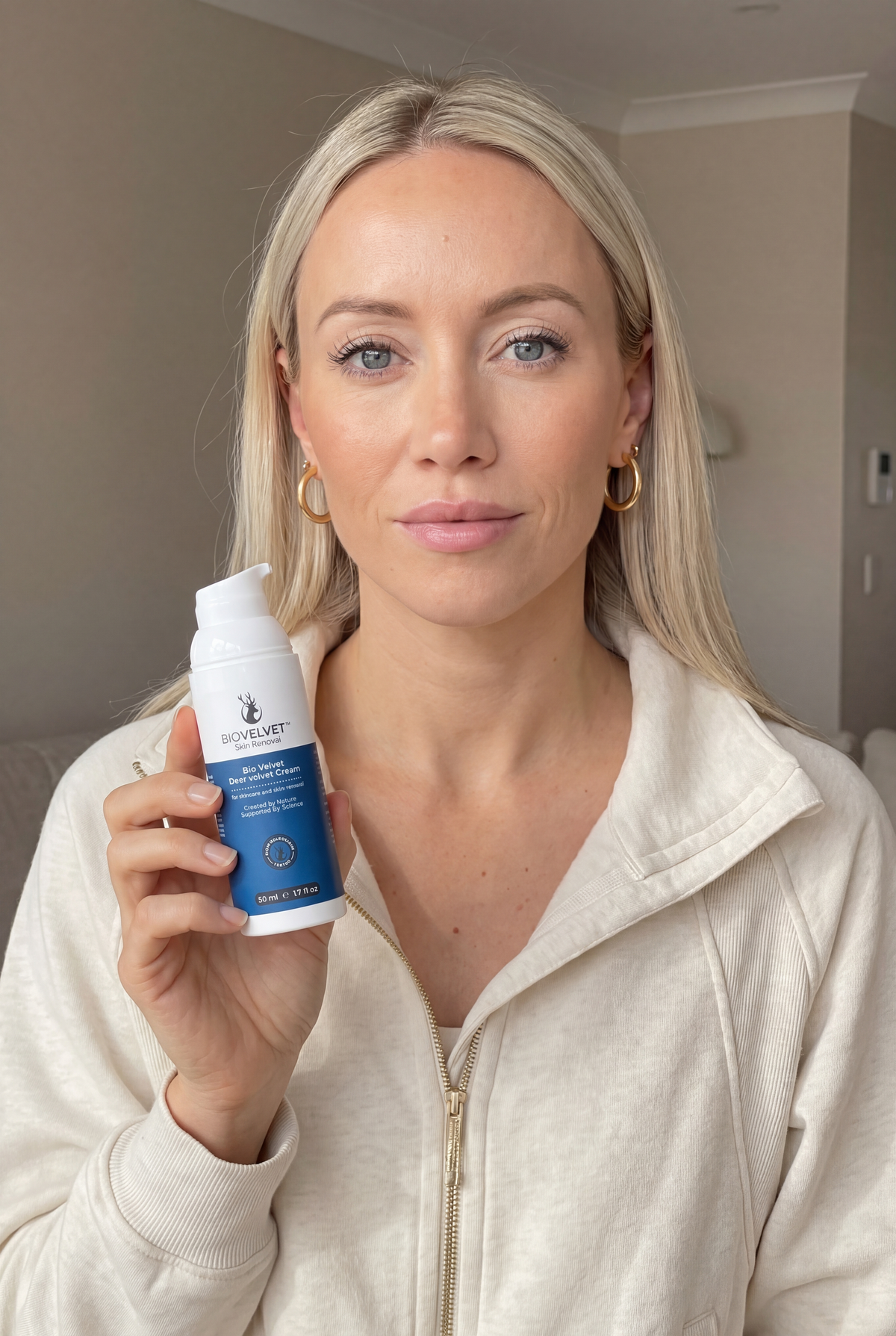
BioVelvet Recovery Cream
Built around bisabolol, the soothing active for skin that stings, flushes, or feels tight. Petroleum-free, with a 90-day money-back guarantee. Contains tea tree oil, so patch test first.
How to choose the best moisturizer for redness
Redness-prone skin usually needs four things from a moisturizer:
- barrier support
- low irritation potential
- enough hydration for the skin’s current state
- a formula that does not sting when applied
The texture you need depends less on your “skin type” label and more on what your skin is doing right now.
Lightweight lotions suit skin that is mildly red, combination, acne-prone, or easily congested but still needs hydration.
Mid-weight creams work well for daily maintenance when skin is sensitive, a little dry, or prone to low-level redness.
Richer recovery creams make more sense when skin is very dry, over-treated, flaky, stingy, or slow to calm down after a flare or procedure.
This is also where a lot of “best over the counter moisturizer for rosacea” or “best moisturizer for rosacea dermatologist” searches go off track. The answer is usually not one magic product. It is a formula with the right level of simplicity, barrier support, and tolerance for your skin.
The ingredients that tend to help redness-prone skin
Some ingredients come up again and again for a reason.
| Ingredient | What it does for redness-prone skin |
|---|---|
| Bisabolol | The soothing active most often reached for when the goal is calming visible irritation, and the one BioVelvet is built around |
| Ceramides | Support the skin barrier and reduce moisture loss |
| Hyaluronic acid | Draws moisture into the skin and helps it hold water |
| Glycerin | A reliable humectant that helps relieve dehydration |
| Aloe vera | Soothes irritated skin and supports surface recovery |
| Shea butter | Richer moisture that helps reinforce a compromised barrier |
| Squalane | A simple, usually well-tolerated emollient that softens without feeling heavy |
| Colloidal oatmeal | Especially helpful for itch-prone, dry, reactive skin |
| Niacinamide | Supports the barrier and helps calm visible redness, though some people do better at lower strengths |
| Antioxidant support | Useful against environmental stress, as long as the formula itself is not harsh |
Bisabolol is worth singling out on a page about redness. It is a well-studied soothing active, it resolves in every ingredient database so you can check it on a label, and it is included specifically for skin that stings, flushes, or feels tight. There is a fuller breakdown of what bisabolol does for skin if you want the detail.
Ingredients and product traits that often make redness worse
Redness-prone skin usually does worse with:
- fragrance
- essential oils
- abrasive scrubs
- harsh exfoliating acids during active irritation
- alcohol-heavy formulas that feel immediately drying
- too many active ingredients at once
- complicated routines with constant switching
This is where many routines fail. People try to fix redness by adding more products when the skin is already telling them it needs less.
Moisturizer for redness and dry skin vs moisturizer for flushing and rosacea
These are not always the same problem.
If your redness comes with flaking, roughness, tightness, or cracking, you likely need a richer formula with more barrier support. Shea butter, ceramides, humectants, and a cream texture often make sense here.
If your redness is more about flushing, warmth, and reactivity, the best choice is often a simple, fragrance-free moisturizer that hydrates without feeling hot, heavy, or overstimulating on the skin.
What actually works for different kinds of redness
Best moisturizer for rosacea-related redness
Rosacea-prone skin often does best with simple, fragrance-free barrier support. The goal is not to “treat rosacea with a moisturizer,” because rosacea often also involves trigger management and sometimes prescription care. The moisturizer’s role is to reduce avoidable irritation, support the barrier, and make skin less reactive overall.
Look for:
- simple ingredient lists
- light to mid-weight textures
- low sting potential
- barrier-supportive ingredients like ceramides, glycerin, and hyaluronic acid
Avoid pushing through burning. If a product consistently stings, it is not the right fit.
Best moisturizer for redness caused by a damaged skin barrier
This is common after over-exfoliation, retinoid overuse, acne treatment overload, or excessive cleansing. Skin may feel tight, shiny in a stressed way, sting with water, and react to products it used to tolerate.
What helps most is usually not another active. It is a pause.
Use:
- a gentle cleanser, or just rinse in the morning if that suits your skin
- a barrier-focused moisturizer
- recovery nights with no acids, scrubs, or retinoids
- daily SPF
For this kind of redness, richer creams often outperform trendy serums.
Best moisturizer for redness and dry skin
When redness and dryness show up together, you usually need both water-binding ingredients and something that helps keep that moisture in place.
Look for formulas with:
- hyaluronic acid or glycerin
- shea butter or squalane
- ceramides or similar barrier-support ingredients
- a cream or recovery-cream texture rather than a very thin lotion
Dryness and dehydration overlap, but they are not identical. Skin can be lacking water, oil, or both. Many red, tight complexions are dealing with some of each.
Best moisturizer for eczema-prone facial redness
Eczema-prone facial skin needs gentle, non-fragranced support and a routine that does not keep provoking the barrier. Itch, flaking, and rough patches are common here.
A moisturizer can help by:
- reducing moisture loss
- making skin feel less tight
- helping calm the itch-scratch cycle
- supporting recovery between flares
Severe facial eczema may still need prescription care. A moisturizer supports the skin; it does not replace medically supervised treatment when inflammation is significant.
Best moisturizer for redness after peels, laser, microneedling, or other procedures
Post-procedure skin usually needs less, not more.
After procedures, skin is often hot, sensitive, and easily irritated. This is not the moment for acids, retinoids, or “brightening” products. A simple moisturizer with soothing and barrier-supportive ingredients is usually the better choice until the skin has calmed.
Think:
- gentle cleansing
- bland hydration
- richer support if skin feels tight or flaky
- strict sun protection
If your provider has given aftercare instructions, those come first.
Best moisturizer for redness if your skin is also acne-prone
Acne-prone people often make the mistake of trying to dry everything out. That usually worsens redness and can leave the skin even more reactive.
The better approach is a lighter or mid-weight moisturizer that still supports the barrier. Look for hydration, not heaviness for its own sake. Skin with acne can still be dehydrated, irritated, and barrier-damaged.
How to compare real products without falling for marketing
It helps to think in categories rather than brand hype.
Some people do best with drugstore barrier creams. Others need a rosacea-friendly daily moisturizer. Some need a richer night cream. And some need a recovery cream designed for skin that is not just dry, but stressed, reactive, or slow to settle.
What matters most is not whether a product is expensive, viral, or described as “clean.” What matters is:
- whether the ingredient logic fits your skin
- whether the formula is simple enough for reactive skin
- whether the texture matches the level of dryness or irritation
- whether it supports the skin’s own recovery instead of constantly challenging it
A practical checklist for judging any moisturizer for redness
Before buying, check:
- Is it fragrance-free?
- Does the formula look likely to sting?
- Does it contain barrier-support ingredients?
- Is the texture right for your current skin state?
- Will it work with the rest of your routine?
- Is the packaging practical and hygienic?
- Can you patch test it first?
- Is the value reasonable for the amount you get?
What to make of review searches like best moisturizer for redness reddit
Community reviews can be useful for spotting patterns. They can tell you whether a product is often described as stinging, pilling, breaking people out, or helping during barrier damage.
What they cannot do is tell you with certainty how your skin will respond.
Use reviews to notice patterns, not to outsource your judgment. For chronic redness, ingredient reading, patch testing, and medical guidance matter more than one person’s “holy grail.”
Eight redness moisturizers, and what each claim is actually backed by
Nearly every moisturizer sold for redness says it reduces redness. The useful question is what sits behind the sentence. Some brands publish a trial and its sample size, some publish a percentage with an unexplained footnote, and some simply write the claim on the label. The column below records what each brand publishes, not whether the product works. Prices are from each brand's own site, checked August 2026.
| Product | Key actives | Fragrance-free | Redness claim, and what backs it | Price |
|---|---|---|---|---|
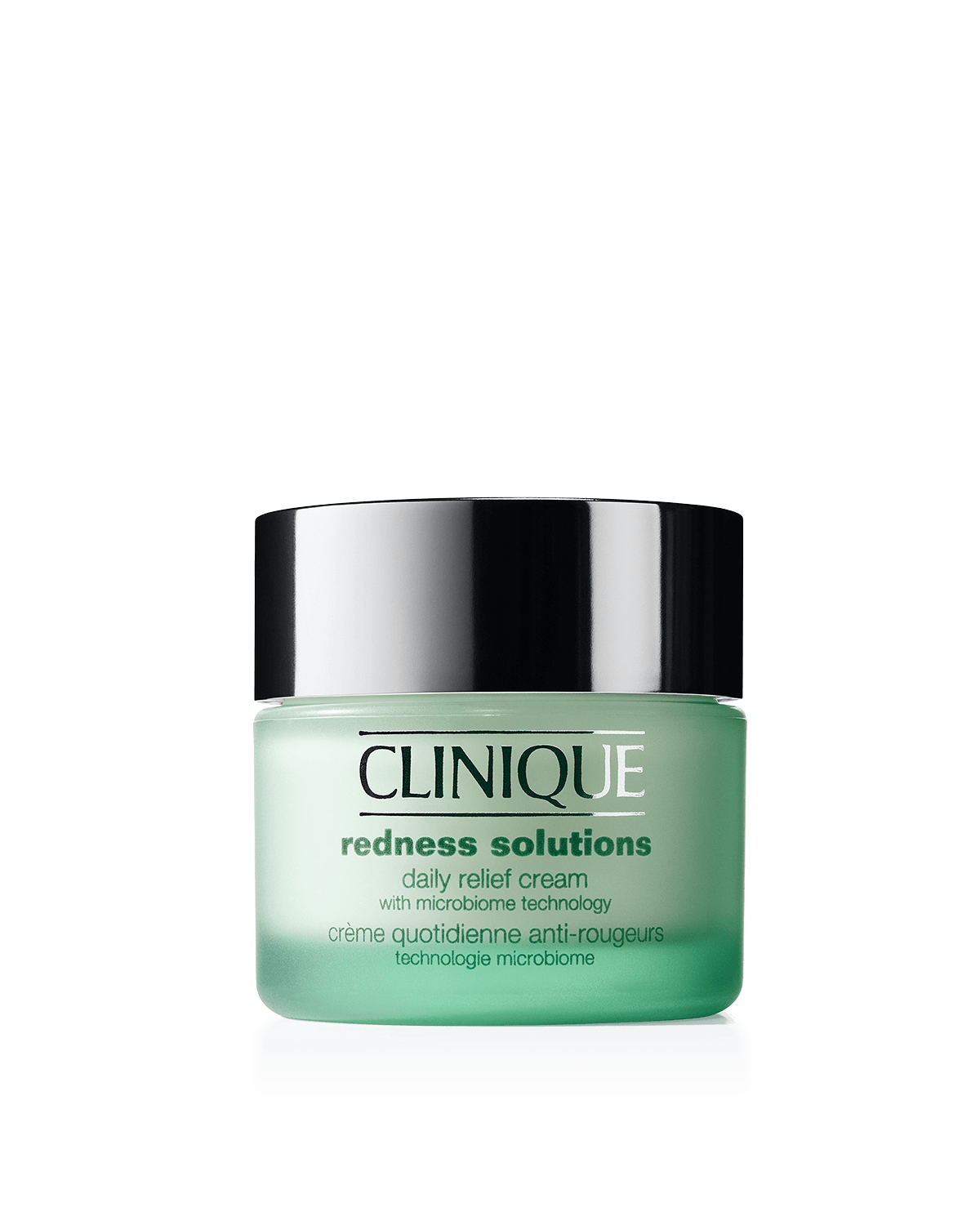 Clinique Redness Solutions Daily Relief Cream Clinique Redness Solutions Daily Relief Cream |
Activated aloe water, centella, caffeine | Yes | "100% show a visible reduction in redness in 2.5 hours." Brand testing on 14 people over 150 minutes versus an untreated control. Sample size is disclosed and small. | $68.00 |
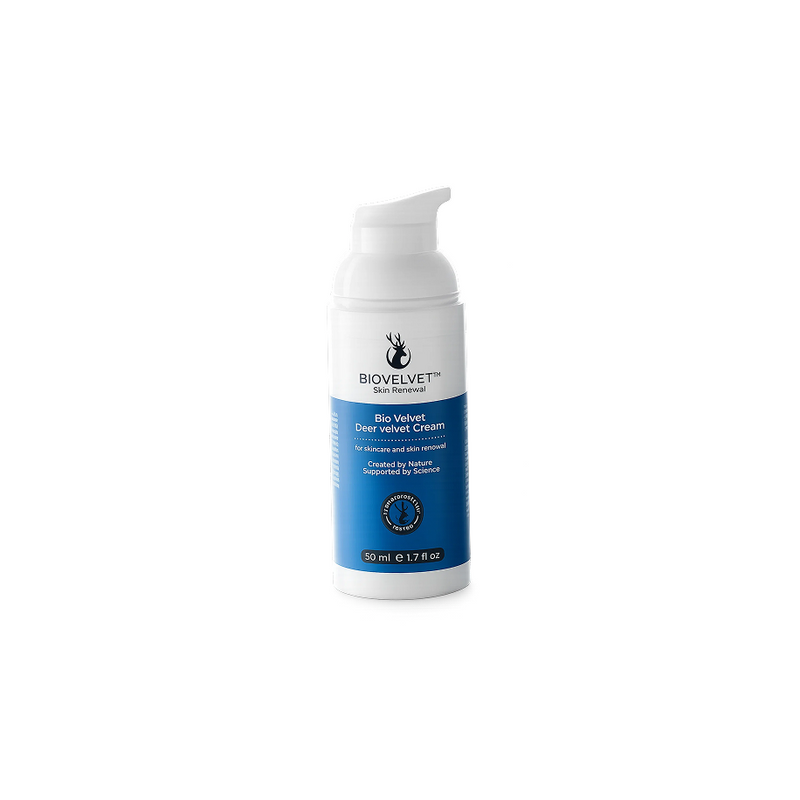 BioVelvet Recovery Cream BioVelvet Recovery Cream |
Bisabolol, deer antler velvet extract, hyaluronic acid, aloe vera, vitamin E, shea butter | No, contains tea tree oil | Makes no redness-reduction claim. Positioned for comfort and barrier support on skin that stings or feels tight. | $54.87 to $64.90 |
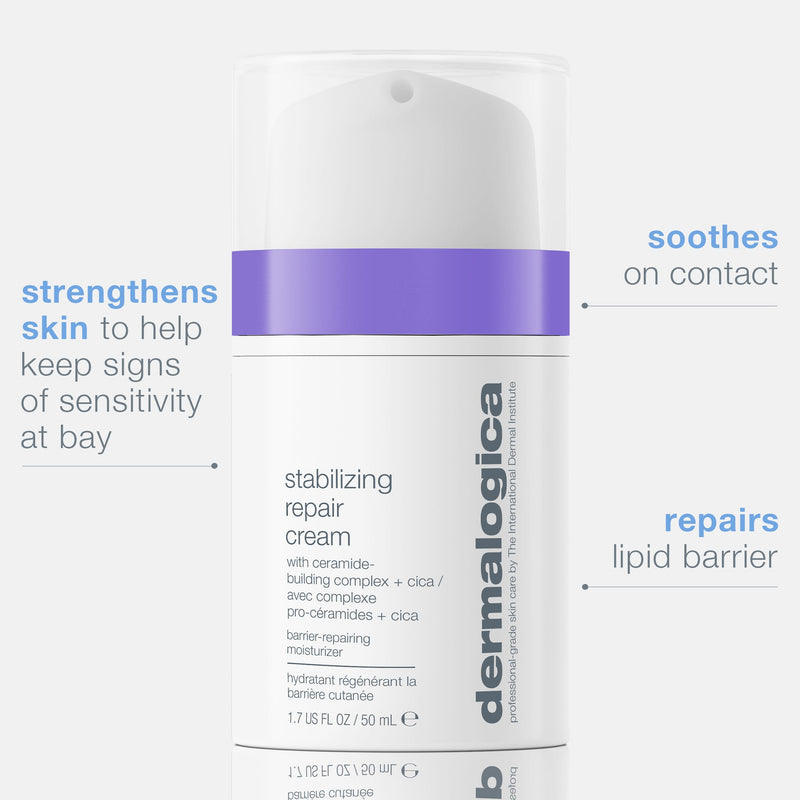 Dermalogica Stabilizing Repair Cream Dermalogica Stabilizing Repair Cream |
Resurrection plant, Tasmania lanceolata, boerhavia diffusa root, ceramide complex | No artificial fragrance, but the brand notes a natural scent from extracts and oils | "Clinically proven to help stop sensitive skin within 1 week." Brand testing, sample size not published. | $17.25 (0.5 oz) |
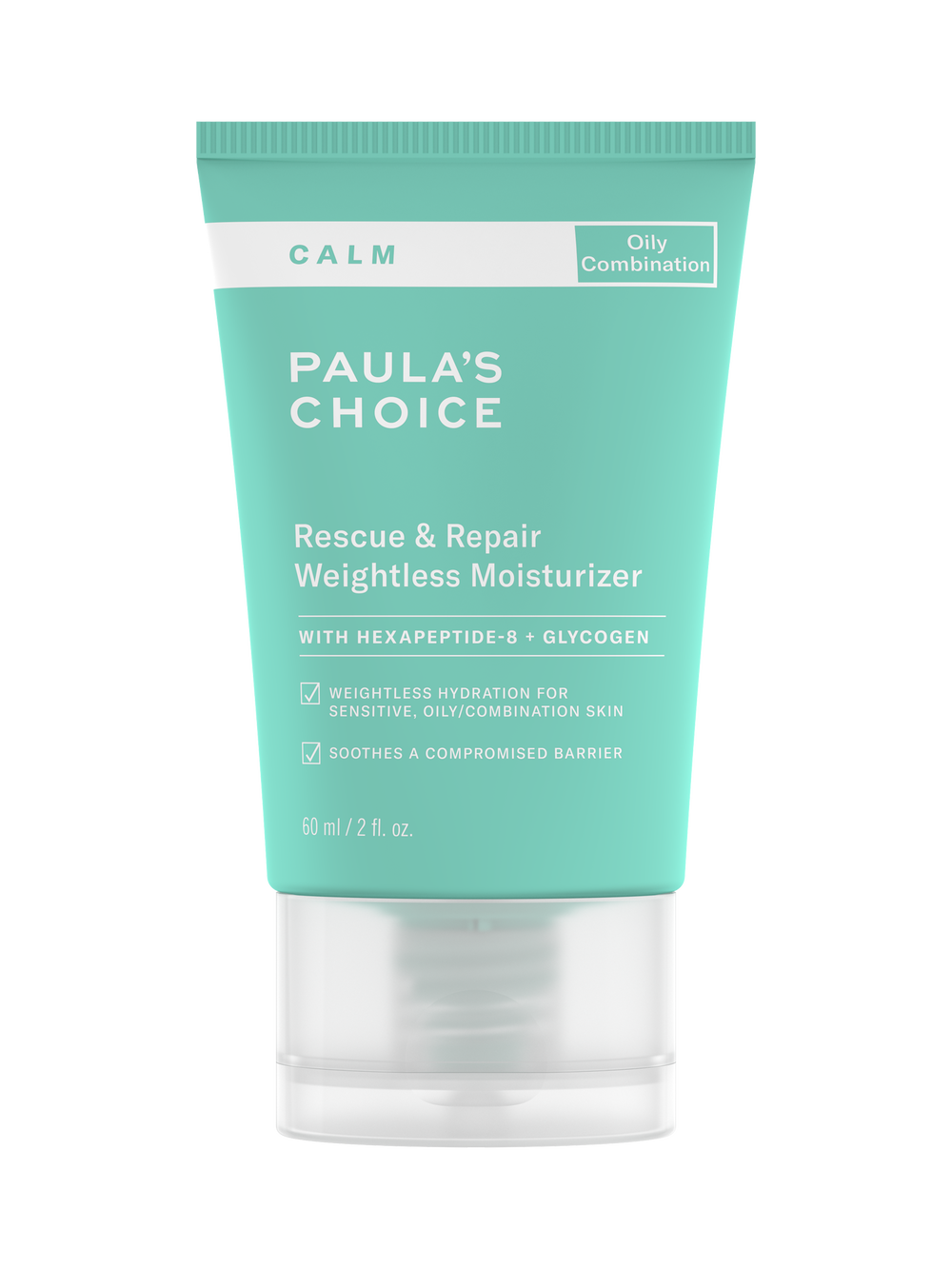 Paula's Choice CALM Rescue & Repair Weightless Moisturizer Paula's Choice CALM Rescue & Repair Weightless Moisturizer |
Inulin, allantoin, squalane, alpha-glucan oligosaccharide | Yes | "Antioxidants visibly calm redness." No trial or sample size published. | $33.60 to $69.00 |
 MT Skin Clinic Day Cream Moisturizer MT Skin Clinic Day Cream Moisturizer |
Centella asiatica, madecassoside, sodium hyaluronate, vitamin E | Yes | "Calms redness and irritation," from marketplace listing copy. No testing cited. | $63.59 |
 Rachel Moayer RM Intensive Recovery Cream Rachel Moayer RM Intensive Recovery Cream |
Nopal cactus extract | Yes | "Reduces redness and irritation." No testing cited. | $69.00 |
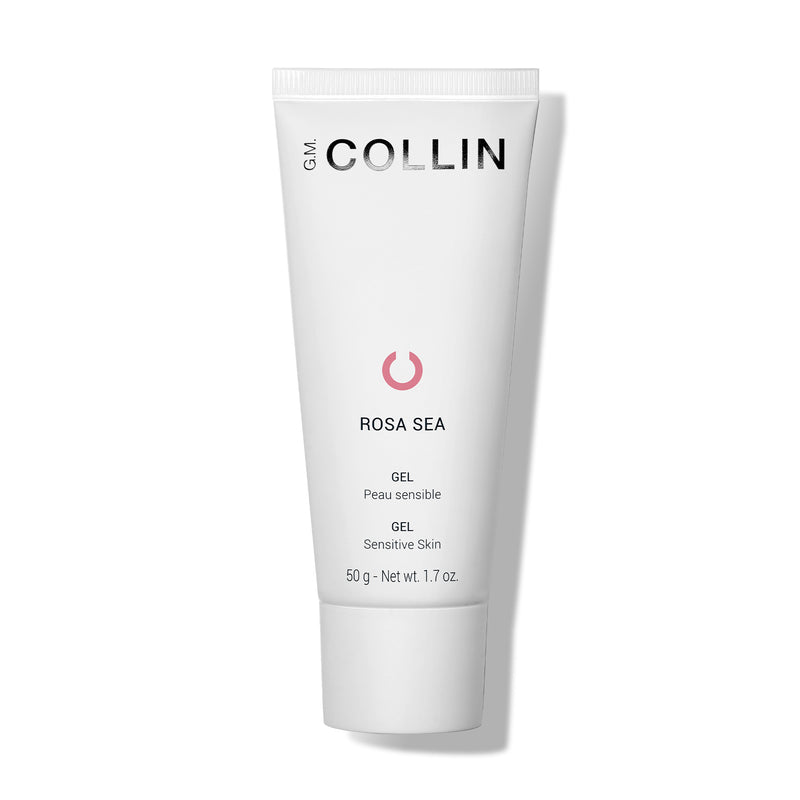 G.M. Collin Rosa Sea Gel G.M. Collin Rosa Sea Gel |
Tetrapeptide-14, camellia sinensis, rooibos, boswellia, rosa damascena | Not stated | "Up to 75% decrease in the appearance of redness," carrying a footnote whose sample size is not published. | $72.00 |
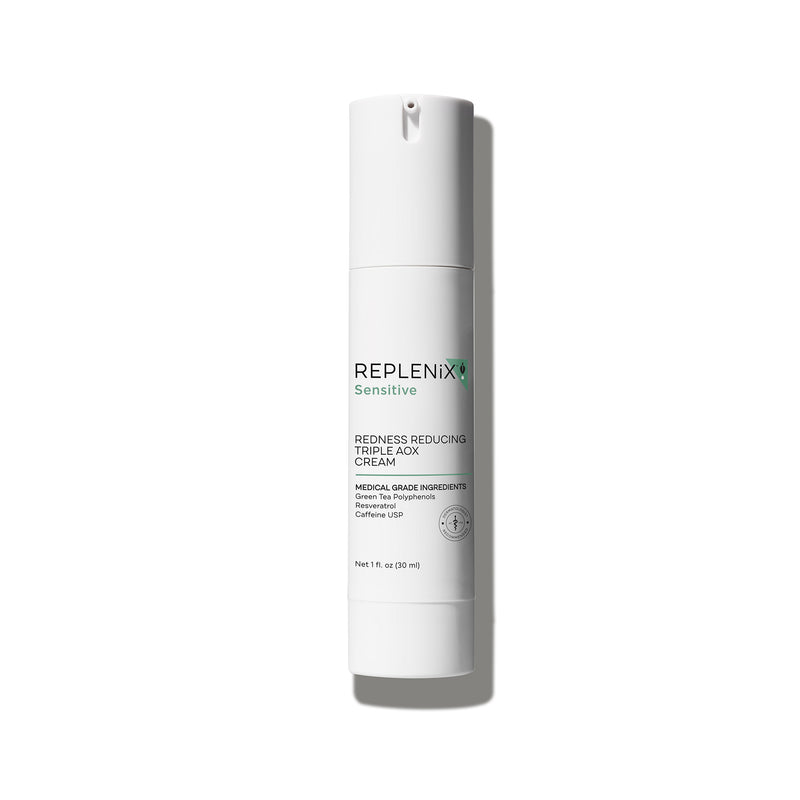 Replenix Redness Reducing Triple AOX Cream Replenix Redness Reducing Triple AOX Cream |
Squalane, resveratrol, caffeine, green tea polyphenols, chamomile | Yes | "Clinically proven to soothe skin and visibly reduce redness." Sample size not published. "Medical-grade" is a marketing term, not a regulatory one. | $104.00 |
Read that column rather than the headline. A disclosed sample of 14 people tells you more than an undisclosed percentage, even when the percentage sounds bigger.
The eight, one by one
Best known name in redness-specific skincare
Clinique Redness Solutions Daily Relief Cream
$68.00 (1.7 oz / 50 ml) | Cream, fragrance-free
Built on activated aloe water, centella, and caffeine, and sold as step two of a dedicated redness range. It is the most recognised redness-specific moisturizer here, and it is fragrance-free and oil-free.
Its claim is the most specific in this group and also the most transparent: 100% of testers showed visible redness reduction in 2.5 hours, in brand testing on 14 people against an untreated control. Fourteen is a small sample, but the brand publishes it. Choose this if you want the established redness-range option and you read the footnote.
Best for reactive skin that needs comfort rather than another claim
BioVelvet Recovery Cream
$54.87 to $64.90 (1.7 fl oz / 50 ml) | Recovery cream, contains tea tree oil
BioVelvet is built around bisabolol, the soothing active covered earlier in this guide, alongside deer antler velvet extract, hyaluronic acid, aloe vera, vitamin E, and shea butter. It sits at the moisturiser step and is aimed at skin that is dry, tight, and slow to settle.
It is the one product in this table that makes no redness-reduction claim. That is deliberate rather than an oversight: the formula is positioned for comfort and barrier support, and there is no trial behind a redness percentage, so none is quoted. One caveat matters here: it contains tea tree oil, so it is not fragrance-free in the way the Clinique or Paula's Choice options are. Patch test first if essential oils are one of your triggers.
Choose this if your redness comes with dryness and tightness, you want a bisabolol-based cream, and you would rather have a plain description than a percentage.
Cheapest way into a clinically-tested calming cream
Dermalogica Stabilizing Repair Cream
$17.25 (0.5 oz), larger sizes cost more | Balm-cream, no artificial fragrance
A ceramide-building complex with resurrection plant and boerhavia diffusa root, aimed squarely at sensitive and redness-prone skin. At $17.25 for the small size it is the cheapest entry point in this group by a wide margin.
The brand says it is clinically proven to help stop sensitive skin within a week but does not publish the sample size. Worth noting it is not strictly fragrance-free either: the brand states no artificial fragrance, while acknowledging a natural scent from extracts and oils. Choose this if you want to test a calming cream without committing much money.
Closest ingredient logic to a soothing-actives approach
Paula's Choice CALM Rescue & Repair Weightless Moisturizer
$33.60 to $69.00 (2 fl oz) | Weightless lotion, fragrance-free
This is the CALM range's lighter formula, built for sensitive skin that is also oily or combination, with inulin, squalane, and allantoin. Allantoin sits in the same soothing-actives family as bisabolol, which makes this the closest formulation logic to BioVelvet's in the group, at a lighter texture.
The redness claim is general and carries no published trial. Choose this if your skin is sensitive but oily, where a richer recovery cream would feel like too much.
Centella option, sold through a marketplace
MT Skin Clinic Day Cream Moisturizer
$63.59 (1.7 fl oz) | Day cream, fragrance-free
Centella asiatica and madecassoside with sodium hyaluronate, a well-liked combination for reactive skin. The formula reads sensibly for the category.
Two caveats. It sells through a marketplace rather than a brand site, so the price moves and there is no brand-published testing behind the claim. The listing also describes itself as an acne treatment, which is a drug claim that a cosmetic moisturizer is not in a position to make. Choose this if you specifically want centella and you are comfortable buying from a marketplace listing.
Aimed at irritation from acids and retinoids
Rachel Moayer RM Intensive Recovery Cream
$69.00 | Recovery cream, fragrance-free
Built on nopal cactus extract and positioned for the discomfort that follows alpha hydroxy acids and retinoids, which is a real and specific use case.
Two things to know before you look for it. At the time of writing the product page was showing as unavailable, with an email notification form instead of an add-to-cart button. The marketing copy is also the most heightened in this group. Choose this only if it is back in stock and the acid-and-retinoid framing matches your problem.
The gel option, for skin that cannot take a cream
G.M. Collin Rosa Sea Gel
$72.00 (50 g) | Gel, fragrance status not stated
The odd format in this group. It is a gel rather than a cream, built on tetrapeptide-14 with camellia, rooibos, and marine extracts, which makes it worth knowing about if creams feel too heavy or occlusive on flushed skin.
The site shows an up-to-75% figure for the appearance of redness, but the footnote behind it is not published, so treat that number with more caution than Clinique's smaller but disclosed one. The formula also contains rosa damascena extract, an aromatic botanical, and the brand does not declare a fragrance-free status. Choose this if a gel texture suits you better and fragrance is not one of your triggers.
Most expensive, antioxidant-led
Replenix Redness Reducing Triple AOX Cream
$104.00 | Oil-free cream, fragrance-free
A triple-antioxidant formula with resveratrol, caffeine, green tea polyphenols, and chamomile, oil-free and aimed at sensitive skin. It is the priciest option here.
The brand describes it as medical-grade and clinically proven to visibly reduce redness, without publishing the sample size. Medical-grade has no regulatory meaning in skincare, so it should not carry weight on its own. Choose this if you want an antioxidant-led formula and the price is not the deciding factor.
Where a recovery cream like BioVelvet fits
A recovery cream fits when skin is not simply dry, but stressed, reactive, or taking a long time to calm down.
For redness specifically, the ingredient that matters most in BioVelvet Recovery Cream is bisabolol, the soothing active covered earlier, included for skin that stings, flushes, or feels tight. The formula is also built around deer antler velvet extract, used topically here for the comfort of reactive skin rather than as the oral supplement the ingredient is better known for. The raw material has been studied in animal and lab models for its composition, though that research does not establish what a finished cream does on human skin.
Alongside those, hyaluronic acid draws moisture into the skin, aloe vera helps calm irritation, vitamin E supports the barrier, and shea butter seals in moisture on dry, compromised skin.
That is why it sits in a different category from a basic daily moisturizer. It is built for skin that needs recovery support rather than a little hydration. It also contains tea tree oil, so patch test first if essential oils are one of your triggers.
What it does not carry is a redness percentage. As the table above shows, most creams in this category publish one, and most do not publish the sample size behind it. BioVelvet is positioned on comfort and barrier support instead, which is a narrower claim and an easier one to check against your own skin.
What a moisturizer cannot do
No over-the-counter moisturizer can:
- cure rosacea
- replace prescription care for severe inflammatory skin disease
- erase visible blood vessels
- remove every trigger behind chronic redness
A good moisturizer can still make a meaningful difference. It just needs to be judged by the right standard.
A simple routine for reducing redness, plus the mistakes that keep skin reactive
The best routine for redness-prone skin is often a shorter one.
Morning and evening routines for redness-prone skin
| Morning | Evening |
|---|---|
| Cleanse gently if needed, or rinse with lukewarm water if that suits your skin better | Cleanse off sunscreen gently |
| Apply your moisturizer | Apply moisturizer to slightly damp skin if that feels comfortable |
| Finish with a well-tolerated SPF | Use a richer cream or recovery layer if skin is dry, tight, or irritated |
If your skin is reactive, the morning is not the moment for stacking actives before work and hoping for the best. And if you use actives at night, recovery evenings matter: skin does not benefit from being challenged every single day.
If you use actives, this is where recovery nights matter. Skin does not benefit from being challenged every evening.
How long does it take for a moisturizer to reduce visible redness?
Some calming can happen quickly, especially if the redness is from dryness or irritation and you stop using the thing that caused it.
But reduced reactivity and stronger barrier function usually take longer. Think in terms of:
- a few days for immediate comfort
- one to two weeks for skin to feel less tight or stingy
- several weeks of consistency for more stable improvement
That timeline is more realistic than expecting overnight change.
The most common mistakes people make when trying to fix redness
The usual pattern looks like this:
- over-exfoliating
- chasing stronger actives
- skipping SPF
- changing products too quickly
- using hot water
- ignoring flushing or environmental triggers
- assuming all redness is rosacea
- assuming all redness is “just sensitive skin”
If your skin is red and reactive, simplification is often more effective than escalation.
A good way to choose is to ask one question: Is my skin mainly dry, mainly reactive, mainly flushing, or clearly barrier-damaged right now?
That answer will usually point you toward the right texture and ingredient profile faster than any list of “best” products.
Ready to try?
BioVelvet Recovery Cream
Built for skin that is dry, tight, and quick to react. Bisabolol paired with deer antler velvet extract, aloe vera, and hyaluronic acid, used topically for everyday skin comfort.
FAQ
What is the best moisturizer for redness on the face?
The best moisturizer for redness on the face is the one that matches the cause of your redness. For many people, that means a fragrance-free formula with barrier-support ingredients, enough hydration, and a texture that does not sting on application. If redness comes with dryness or barrier damage, a richer cream may help more than a lightweight lotion.
What is the best over the counter moisturizer for rosacea?
The best over-the-counter moisturizer for rosacea is usually simple, fragrance-free, and focused on barrier support rather than active treatment. Look for a formula that hydrates without triggering heat, stinging, or flushing. Moisturizers can support rosacea-prone skin, but they do not replace trigger management or medical care when rosacea is more active.
Can a moisturizer actually reduce redness, or does it only hydrate?
Yes, a moisturizer can do more than hydrate. By reducing moisture loss, supporting the skin barrier, and lowering irritation, the right formula can make visible redness less noticeable and help skin feel calmer. What it cannot do is treat every underlying cause of chronic redness.
What ingredients should I avoid if my skin gets red easily?
People with easily reddened skin often do better avoiding fragrance, essential oils, abrasive scrubs, strong exfoliating acids during active irritation, alcohol-heavy formulas, and routines with too many actives at once. If your skin is reactive, simpler is usually safer.
What is the best moisturizer for redness and dry skin?
For redness and dry skin, look for a richer cream with both humectants and barrier support. Hyaluronic acid or glycerin help bring water into the skin, while shea butter, squalane, and barrier-supportive ingredients help keep it there. A recovery cream can make sense if skin is also stressed, flaky, or slow to settle.
How do I know if my redness is rosacea or just a damaged skin barrier?
A damaged barrier often feels tight, dry, stingy, and newly reactive, especially after overusing actives or cleansing too much. Rosacea is more likely to involve repeated flushing, persistent central facial redness, warmth, visible blood vessels, or bumps. There can be overlap, so if redness keeps returning, burns, or gets worse despite a gentle routine, a dermatologist is the better next step.