What skin barrier repair means
Skin barrier repair means helping the outermost layer of skin do its job properly again.
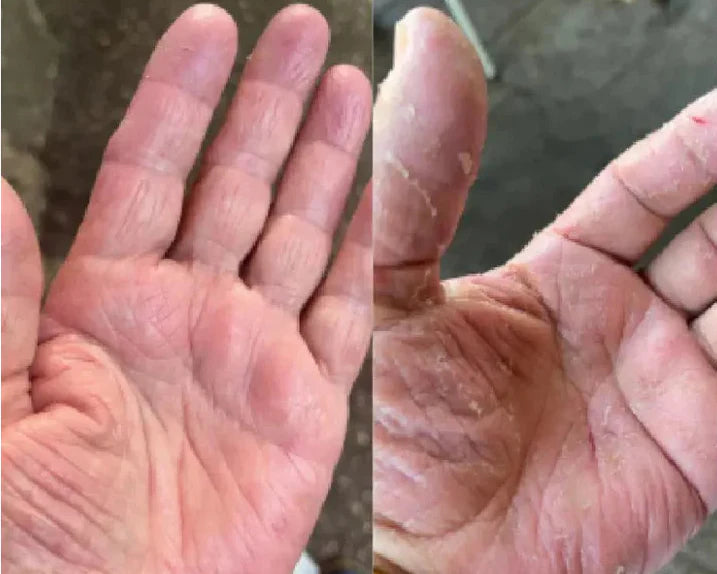
In plain terms, the skin barrier is the surface layer that keeps moisture in and irritants out. When it is working well, skin feels calmer, more comfortable, and less reactive. When it is damaged, skin loses water too easily and becomes easier to irritate.
That matters because barrier damage often shows up as dryness, stinging, redness, roughness, and skin that suddenly seems to dislike products it used to tolerate. It can also make breakouts, sensitivity, and flare-prone skin feel worse.
It is important to keep expectations realistic here. Barrier support is not the same thing as treating every deeper skin condition. A good routine can help skin feel less reactive and more resilient, but it does not replace medical treatment for eczema, rosacea, psoriasis, infection, or severe inflammation.
What the skin barrier does every day
Your skin barrier is working all the time, even when you are not thinking about it.
Every day, it helps prevent water loss so skin does not dry out too quickly. It reduces sensitivity by limiting how much irritants, allergens, and harsh ingredients can get in. It also helps skin recover after ordinary stress like cleansing, wind, cold weather, indoor heating, and friction.
When that barrier is intact, skin usually handles everyday life better. When it is worn down, even simple things like washing your face or applying moisturizer can start to sting.
Skin barrier repair vs hydration: not the same thing
Hydration and skin barrier repair overlap, but they are not identical.
Hydration means increasing water content in the skin. That can make skin feel better quickly. Ingredients like hyaluronic acid and glycerin help with this by drawing water into the skin.
But true skin barrier repair also means rebuilding and protecting the barrier itself. That usually requires more than water-binding ingredients alone. Skin often needs barrier-supportive fats, richer creams, and fewer irritating steps so it can hold on to moisture instead of losing it again a few hours later.
Living Collagen · 50+ Bio-Active Compounds · Aloe Vera · Dead Sea Minerals
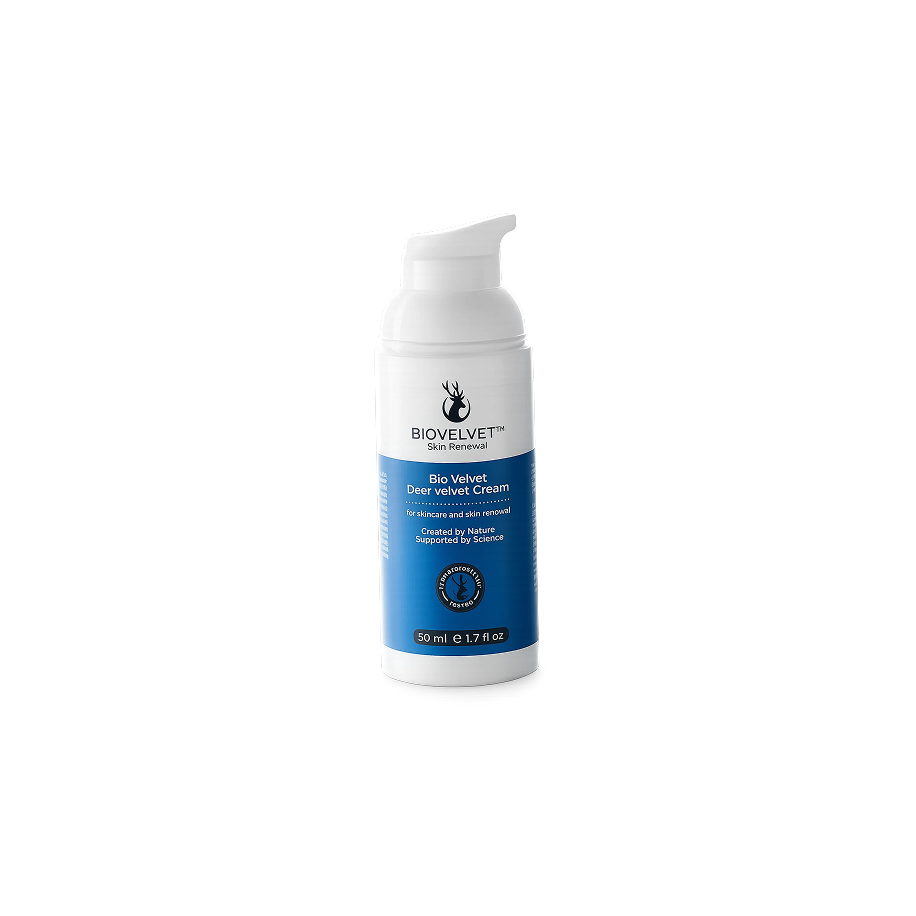
BioVelvet Recovery Cream
Petroleum-free barrier support for dry, fragile, or healing skin. 90-day money-back guarantee.
How to tell if your skin barrier is damaged
A damaged barrier often has a familiar pattern. Common signs include:
- Tightness, especially after cleansing
- Burning or stinging
- Flaking or peeling
- Rough texture
- Redness
- Increased sensitivity
- Products suddenly feeling irritating when they never used to
One detail that confuses a lot of people: damaged barrier skin can look oily and dehydrated at the same time. Skin may produce more oil while still feeling tight, rough, or uncomfortable underneath. That does not always mean you need stronger acne products. In many cases, it means the barrier is struggling.
There is also real overlap with other skin problems. Eczema, rosacea, over-exfoliation, post-procedure skin, and seasonal dryness can all involve barrier disruption. That is why the symptoms can look similar at first.
Common causes of barrier damage
Barrier damage usually comes from either too much irritation at once or too much low-level irritation over time.
Common causes include:
- Over-cleansing
- Harsh scrubs or frequent exfoliation
- Retinoid overuse
- Strong acid products used too often
- Hot water
- Cold weather
- Low humidity
- Fragranced products
- Too many active ingredients layered together
This is especially common in people trying to "fix" skin quickly. They add an acid, a retinoid, a vitamin C serum, an acne treatment, and a foaming cleanser, then wonder why their skin starts burning. Often the issue is not one product. It is the total load on the barrier.
When it may be more than a barrier problem
Not every skin problem is just a damaged barrier.
If you have a persistent rash, oozing, severe itching, cracked skin that will not settle, signs of infection, or symptoms that keep worsening, it may point to eczema, dermatitis, psoriasis, rosacea, or another condition that needs medical advice.
A simplified routine can still support comfort, but it should not delay care when something looks more serious than irritation or dryness.
How to repair a damaged skin barrier step by step
The most effective approach is usually the least dramatic one: cleanse gently, moisturize consistently, reduce triggers, and stop using products that keep skin inflamed.
Skin barrier repair products work best when the rest of the routine is simplified. If you keep stripping the skin every morning and exfoliating every night, even a good cream has to work against the routine around it.
Consistency matters more than quantity. A short routine you can tolerate every day will usually do more than a shelf full of products used inconsistently.
Morning routine for skin barrier repair
A simple morning routine looks like this:
-
Cleanse only if needed
If your skin feels comfortable in the morning, lukewarm water may be enough. If you do cleanse, use a gentle, non-stripping cleanser. -
Apply hydrating and barrier-supportive layers
This can be as simple as one cream. If your skin tolerates it, a hydrating layer with ingredients like glycerin or hyaluronic acid can help, followed by a cream that seals that moisture in. -
Finish with daily SPF
Sun protection matters, especially when skin is healing. UV exposure can worsen redness, post-inflammatory marks, and overall irritation.
Evening routine for skin barrier repair
At night, the goal is comfort and recovery.
-
Cleanse without stripping
Remove sunscreen, makeup, or the day's buildup with a gentle cleanser. Avoid anything that leaves skin feeling squeaky or tight. -
Apply a skin barrier repair cream or richer recovery layer
This is where a cream with humectants, softening fats, and moisture-sealing ingredients can help most. -
Avoid active ingredients until skin feels stable
If skin is stinging, flaking, or reactive, this is not the time for exfoliating acids, retinoids, or strong spot treatments.
What to stop using while your barrier heals
If your skin barrier is damaged, stopping the wrong products is often as important as adding the right one.
For now, pause:
- Exfoliating acids
- Retinoids
- Strong acne treatments
- Fragranced products
- Scrubs
- Step-heavy routines with multiple actives
This does not mean you can never use these again. It means skin usually recovers faster when it is not being challenged every day.
Which skin barrier repair ingredients and products are actually worth looking for
It helps to think about barrier-supportive ingredients in three simple groups:
- Humectants draw water into the skin
- Emollients soften and smooth rough skin
- Occlusives help reduce moisture loss
Most good barrier products combine more than one of these.
Ingredients worth looking for include ceramides, hyaluronic acid, glycerin, shea butter, aloe vera, and vitamin E. Ceramides help support the barrier structure. Hyaluronic acid and glycerin pull in water. Shea butter helps soften and seal. Aloe vera can calm irritated skin. Vitamin E helps support the barrier and protect it from daily stress.
Texture matters too. A lightweight lotion may be enough for mildly dry skin in a humid climate. A richer cream is often better for colder weather, post-procedure skin, or skin that feels tight and stingy.
It also helps to think in phases:
- Flare phase: skin is reactive, uncomfortable, and needs the fewest possible steps
- Maintenance phase: skin is calmer but still prone to dryness or sensitivity
- Recovery phase: skin is improving but still fragile, especially after irritation or procedures
Some skin barrier repair cream formulas go beyond basic moisture support and focus more directly on recovery. That can matter when skin is dealing with chronic dryness, irritation, or slow surface repair.
One example is BioVelvet Recovery Cream, a formula developed by Dr. Zur, a veterinary scientist with 20+ years working with deer antler velvet. Deer antler velvet is the ingredient at the center of the formula, supported by hyaluronic acid, aloe vera, vitamin E, and shea butter. Rather than acting like a standard face cream, it is positioned as a recovery cream for skin that needs more support than simple hydration alone. In BioVelvet's user community, 9 out of 10 users report calmer, less reactive skin, though that is self-reported user data rather than independent clinical proof of the finished product.
What to look for in a skin barrier repair cream
A useful skin barrier repair cream should be simple enough for daily use and gentle enough not to make stressed skin angrier.
Look for:
- Fragrance-free or low-irritation formulas
- Humectants like glycerin or hyaluronic acid
- Barrier-supportive fats and richer moisturizers
- A texture your skin can tolerate every day
- As few unnecessary extras as possible when skin is reactive
The best product is not always the richest one. It is the one your skin will actually tolerate consistently.
Where a recovery cream may fit
For skin dealing with chronic dryness, irritation, post-procedure stress, or slow surface recovery, a recovery cream can sit at the moisturizer step or replace it entirely when skin needs more support.
That is often useful for people who feel that ordinary moisturizers help for an hour or two but do not change how their skin behaves over time. In that context, a recovery cream is less about feeling silky and more about helping skin stay calm, comfortable, and better protected.
How long skin barrier repair takes and what it cannot do
Some people notice less tightness and stinging within a few days of simplifying their routine. Fuller skin barrier repair usually takes longer, often a few weeks of consistent care.
The timeline varies for obvious reasons: what caused the damage, how severe it is, what the climate is like, how many irritating products are still in the routine, and whether an underlying condition is involved.
A barrier problem is also not the same thing as an infection, a severe eczema flare, a deep scar, or a major burn. Topical care can support recovery in the right situations, but it has limits.
Realistic expectations for recovery
The first signs of progress are usually practical rather than dramatic.
Skin often becomes:
- Less tight
- Less stingy
- Less red
- Less reactive to basic products
Texture, smoothness, and resilience tend to improve more gradually. This is one reason barrier repair works best when you stop evaluating your skin every 12 hours and give the routine time to do its job.
When to see a doctor instead of trying more products
It is time to get medical advice if you have:
- Severe inflammation
- Cracked or bleeding skin
- Signs of infection
- A widespread rash
- Severe itching
- Oozing skin
- Symptoms that do not improve despite a simplified routine
At that point, more trial and error with skincare usually creates more delay than progress.
Ready to try?
BioVelvet Recovery Cream
Built for skin that is dry, fragile, or still settling. Deer antler velvet paired with hyaluronic acid, aloe vera, and shea butter - designed to support barrier recovery, not just moisture.
FAQ
How do I know if my skin barrier is damaged?
Common signs include tightness, burning, stinging, flaking, rough texture, redness, and products suddenly becoming hard to tolerate. Skin can also seem oily and dehydrated at the same time. If symptoms are severe, persistent, or include oozing, rash, or intense itching, it may be more than a barrier issue.
What are the best skin barrier repair products for face?
The best skin barrier repair products for face are usually gentle, low-irritation formulas with a mix of humectants, emollients, and moisture-sealing ingredients. Useful ingredients include ceramides, glycerin, hyaluronic acid, shea butter, aloe vera, and vitamin E. For skin under more stress, a recovery cream may offer more support than a standard moisturizer.
How long does skin barrier repair take?
Some people notice less tightness and irritation within days, but fuller skin barrier repair often takes several weeks of consistent care. Recovery depends on what caused the damage, how severe it is, the climate, and whether an underlying condition like eczema or rosacea is involved.