
Facial eczema care
Facial skin needs a gentler recovery routine.
Eczema on the face reacts faster than eczema on the body. Here is what can help once a flare starts to calm, and when it is time to see a doctor instead.
Shop BioVelvet →Facial eczema is especially hard to live with because it is visible, easily irritated, and much harder to ignore than eczema on the arms, hands, or legs. It can sting when you wash your face, flare after products that used to feel fine, and make even simple things like sunscreen, makeup, or shaving feel risky.
In plain terms, eczema on face means inflamed, irritated skin on facial areas where the barrier is struggling to protect itself properly. That can include a few different conditions under the broader "eczema" umbrella, including atopic dermatitis, irritant contact dermatitis, allergic contact dermatitis, and seborrheic dermatitis. They can look similar at first glance, but the trigger and best next step are not always the same.
What eczema on face looks and feels like
Facial eczema often shows up as redness, dryness, flaking, itching, stinging, tightness, or rough patches that do not seem to settle. In some people it cracks, swells, or becomes sore to the touch. In others it looks milder but feels much worse than it appears.
Common symptoms include:
- Red or pink patches
- Dry, rough, or flaky skin
- Itching or burning
- Tightness after washing
- Cracking at the corners of the mouth or around the nose
- Swelling, especially around the eyes
- Sensitive patches that sting when skincare is applied
People searching for photos of eczema on face are usually trying to answer a simple question: does my skin look like that? Images often show red, scaly patches on the cheeks, eyelids, around the mouth, or near the hairline. The problem is that many facial rashes overlap visually. Rosacea, seborrheic dermatitis, psoriasis, perioral dermatitis, and even fungal rashes can all resemble eczema in photos. Images can help you recognise a pattern, but they are not a reliable way to diagnose yourself.
Deer Antler Velvet Extract · Hyaluronic Acid · Aloe Vera · Allantoin
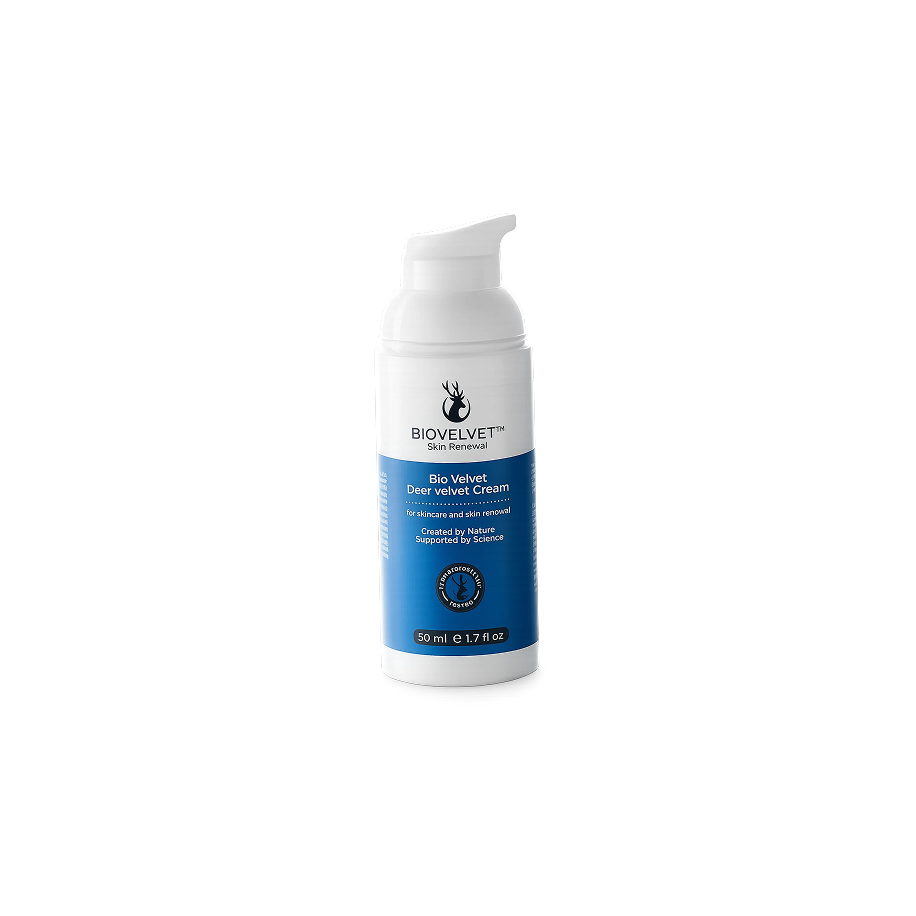
BioVelvet Recovery Cream
A steroid-free recovery cream for facial skin that feels fragile, dry, or reactive between flares. 90-day money-back guarantee.
Common areas where facial eczema shows up
Facial eczema often appears in places where the skin is thinner, more exposed, or more reactive:
- Eyelids: thin skin, easily irritated by skincare, makeup, nail products, and airborne allergens
- Around the lips: common with saliva, lip products, toothpaste, and cold weather
- Cheeks: often affected by wind, over-cleansing, exfoliation, and underlying atopic dermatitis
- Forehead: may flare from hair products, sweat, hats, or active skincare
- Eyebrows and sides of nose: common areas for seborrheic dermatitis
- Hairline: often linked to shampoo, styling products, sweat, or seborrheic dermatitis
Eczema on face or something else?
Not every facial rash is eczema.
- Rosacea often causes central facial redness, visible blood vessels, flushing, and sometimes bumps.
- Psoriasis usually forms more defined, thicker patches with more obvious scale.
- Seborrheic dermatitis often affects the eyebrows, sides of nose, scalp, and hairline with greasy or flaky scale.
- Perioral dermatitis tends to show as small bumps around the mouth and sometimes around the nose or eyes.
- Fungal rashes may have a more sharply defined edge and can worsen with the wrong treatment.
If the rash is new, persistent, unusual, or not responding to gentle care, proper diagnosis matters. If you are unsure whether your skin condition is eczema vs psoriasis, understanding the differences in how each condition appears and behaves can help guide your next step.
Why eczema appears on the face: causes and triggers
Facial eczema usually comes from a mix of barrier weakness, inflammation, genetics, environment, and repeated exposure to irritants. Some people have naturally reactive skin. Others develop facial eczema after a period of over-exfoliation, harsh products, stress, or seasonal change.
Common real-life triggers include:
- Fragrance in skincare, makeup, or hair products
- Harsh cleansers
- Exfoliating acids
- Retinoids
- Makeup and makeup removers
- Certain sunscreen filters
- Cold, wind, heat, or dry air
- Sweat
- Stress
- Hot water
- Face masks
- Shaving
A very common question is: why do I suddenly have eczema on my face? Often, the answer is not one dramatic cause but a tipping point. A new product, too many active ingredients, winter weather, stress, or a developing contact allergy can push already sensitive skin into a flare.
| Trigger | What it tends to look like | First practical step |
|---|---|---|
| Fragrance | Burning, redness, diffuse irritation | Stop fragranced products |
| Harsh cleanser | Tight, dry, stinging skin after washing | Switch to a gentler cleanser or rinse with water only |
| Retinoids or acids | Dryness, peeling, raw feeling, patchy redness | Pause actives completely |
| Makeup or sunscreen | Localised rash where product sits | Stop newest product first |
| Weather | Dry, flaky, wind-burned patches | Increase barrier support and avoid hot water |
| Stress | Flare of existing eczema | Simplify routine and reduce triggers you can control |
| Shaving | Red, burning, broken barrier patches | Pause shaving or use gentler technique |
The difference between a flare and an allergic reaction
A chronic eczema flare often builds on skin that is already dry, reactive, or prone to irritation. A sudden irritated reaction may happen after overusing actives or using a harsh product. A possible allergic contact reaction is more likely when a rash keeps coming back after exposure to the same ingredient or product, especially on the eyelids or around the lips.
A simple way to think about it:
- Chronic eczema: comes and goes, often in familiar areas
- Irritation: starts after something strong or overused
- Possible allergy: keeps returning with the same exposure, sometimes even with tiny amounts
If facial rashes are recurring and the trigger is unclear, patch testing through a clinician can be useful.
Why facial skin reacts faster than body skin
Facial skin is simply less forgiving. It is thinner in many areas, washed more often, exposed to more products, and more likely to come into contact with fragrance, acids, makeup, shaving, and weather. That is why something your body tolerates may still trigger your face.
How to treat eczema on face safely
Treatment depends on severity, cause, and location, especially around the eyes and mouth.
The usual treatment ladder looks like this:
- Remove likely triggers
- Simplify skincare
- Use bland emollients or recovery creams consistently
- Move to prescription treatment when needed
Over-the-counter hydrocortisone can sometimes be used with caution on the face, but facial skin is more vulnerable to thinning and other side effects with repeated steroid use. Long-term or repeated steroid use on the face should be guided by a clinician.
| Option | When it tends to fit | Key caution |
|---|---|---|
| Bland emollient | Mild dryness, maintenance, barrier support | May not be enough for an active flare |
| Recovery cream | Maintenance, post-flare recovery, sensitive irritated skin | Patch test if very reactive |
| Hydrocortisone | Short-term use for small flares, if advised | Use cautiously on facial skin |
| Calcineurin inhibitors | Steroid-sparing prescription option for face/eyelids | Needs clinician guidance |
| Medical review | Severe, worsening, infected, or unclear rash | Do not rely on self-treatment alone |
What to look for in an eczema on face treatment cream
People with facial eczema usually do better with creams that are simple, protective, and unlikely to sting.
Look for:
- Fragrance-free or very low-irritation formulas
- Strong barrier support
- Enough richness to reduce water loss
- Ingredients that calm rather than exfoliate
- A texture you will actually use consistently
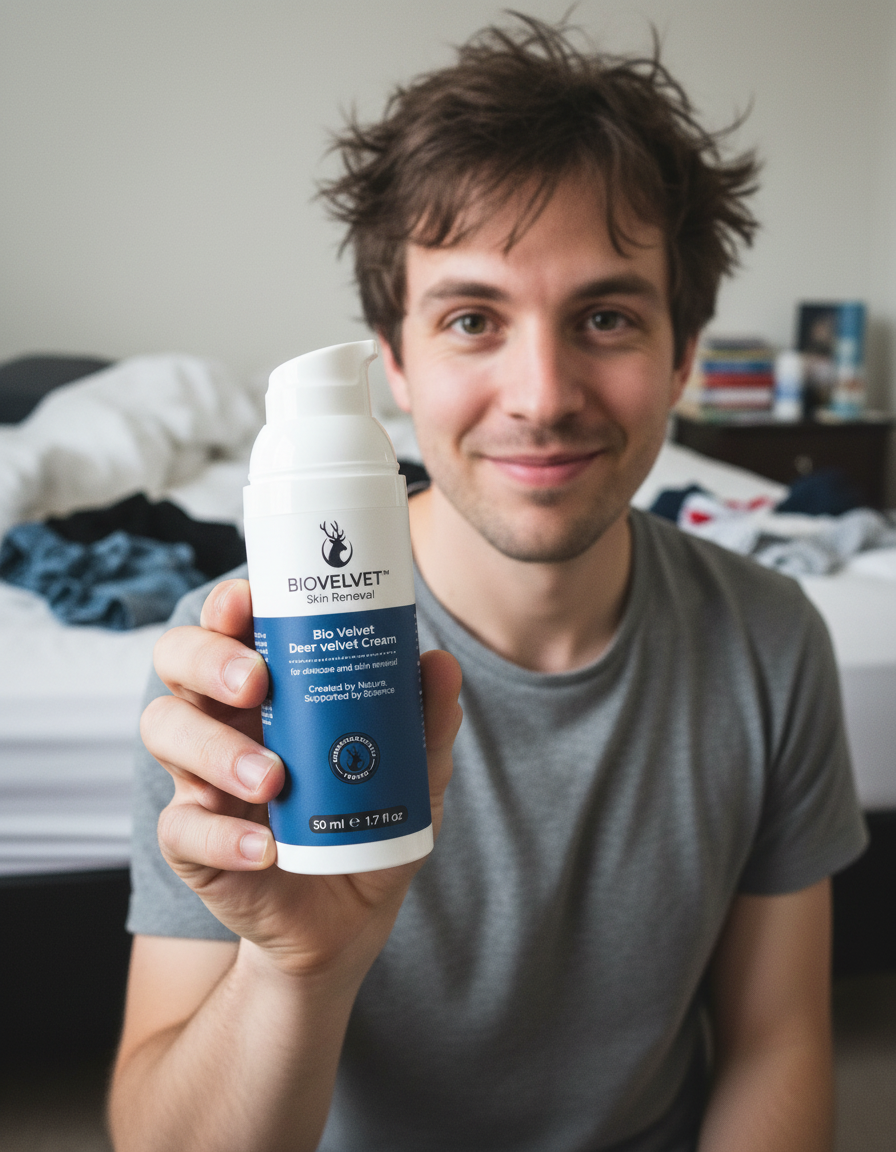
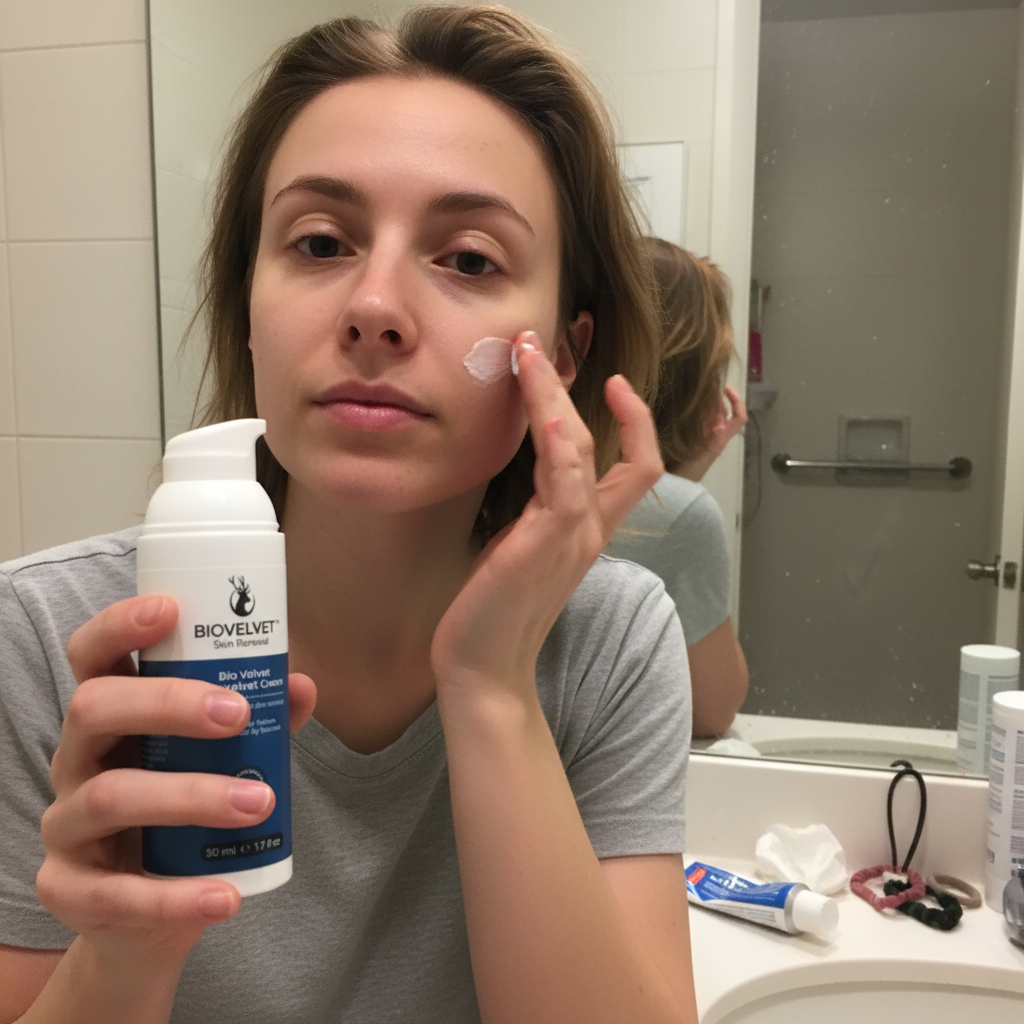
This is where a recovery cream can make sense. BioVelvet Recovery Cream was developed for skin that needs to recover, not just feel moisturised for an hour. Its formula combines deer antler velvet, hyaluronic acid, aloe vera, vitamin E, and allantoin to support the skin barrier and create a better recovery environment. Deer antler velvet is the formula's hero ingredient, paired with hyaluronic acid, aloe vera, vitamin E, and allantoin in the same recovery cream. It is not a replacement for medical care when a rash is severe or infected, but it can fit well in the maintenance and recovery phases when skin is fragile, dry, and reactive.
When steroid-free support makes sense
Steroid-free support often makes the most sense in three situations:
- Maintenance between flares
- Recovery after a flare starts calming down
- When people feel worn out by repeated steroid cycles and want to build a gentler routine around medical care
That does not mean stopping prescribed treatment abruptly. If you are using a steroid cream regularly, changes should be made with a clinician's guidance.
If you want a broader comparison of non-steroid options, this guide to the best steroid-free eczema cream goes deeper. For a wider look at alternatives to steroid creams more broadly, including what actually helps and what to use each option for, that resource covers the full picture.
A closer look at creams for adult facial eczema
Adult facial eczema can be especially stubborn because it often overlaps with work stress, shaving, makeup, weather exposure, and years of trial-and-error skincare. If that sounds familiar, this guide to eczema cream for adults may help you think more clearly about routine-building and long-term maintenance.
A simple daily routine for eczema on face
When facial eczema flares, more products usually make things worse, not better.
A simple routine helps most:
Morning
- Cleanse very gently with lukewarm water and a mild cleanser, or just rinse if cleansing feels too stripping
- Pat dry with a soft towel
- Apply your moisturizer or recovery cream
- Finish with gentle daily sun protection
Evening
- Remove sunscreen or makeup with the gentlest method your skin tolerates
- Wash with a mild cleanser and lukewarm water
- Pat dry, do not rub
- Apply moisturizer or recovery cream while skin is still slightly damp
During a flare, avoid active ingredients entirely. In calmer periods, recovery creams can still be useful as part of maintenance, especially on nights when the skin feels tight, dry, or borderline irritated.
Makeup, shaving, and exfoliation need a realistic approach here. During a flare, it is often best to pause makeup where possible, avoid exfoliation completely, and shave less often or with a gentler method. Once skin is calm again, reintroduce products one at a time.
What to stop using during a facial eczema flare
Pause:
- Retinoids
- AHAs
- BHAs
- Scrubs
- Fragranced products
- Strong vitamin C formulas
- Peel pads
- Anything that burns on contact
If it stings, burns, or makes the area look angrier, it is usually not helping.
How to patch test new products when your skin is reactive
Patch test cautiously. Apply a small amount to one discreet area once daily for several days before using it across your face. Do not introduce multiple new products at the same time. If you change three things at once, you will not know what helped or what caused the reaction.
BioVelvet vs a bland emollient at a glance
BioVelvet
- Formulated for skin that feels fragile after a flare
- Centers on deer antler velvet extract, the formula's hero ingredient
- Lightweight enough for daily facial use
- Petroleum-free and lanolin-free
Bland emollient
- Simple, barrier-focused formula
- Widely available and inexpensive
- Not formulated for active recovery periods
- May feel too basic once skin is actively flaring
Bottom line: a bland emollient is a fine baseline for mild, steady dryness. BioVelvet is built for the recovery phase, when facial skin feels fragile and reactive after a flare has started to calm.
Realistic expectations: what helps, what will not, and when to see a doctor
A lot of people search how to cure eczema on face permanently. The more realistic answer is that eczema is usually managed rather than permanently cured. That said, many people do get long stretches of calm skin when triggers are identified and the barrier is looked after consistently.
Some relief may happen within days once obvious triggers are removed. But real barrier repair and flare prevention usually take weeks of steady, boring, gentle care.
No cream can replace medical care for:
- Infected eczema
- Severe swelling
- Eye involvement
- Widespread rash
- Rapidly worsening symptoms
Searches like eczema on face reddit can surface useful lived experience, especially around triggers and product tolerance. But forum anecdotes are not a diagnosis, and they should not be the basis for treating a serious or persistent facial rash.
When facial eczema needs medical attention
Get medical advice if you notice:
- Crusting or oozing
- Pain rather than just itching
- Fever
- Eyelid swelling
- Vision symptoms
- Sleep disruption from itching
- A rash that is spreading
- Skin not improving with gentle care
What a topical cream can and cannot do
A good cream can help reduce dryness, stinging, tightness, and barrier stress. It can make skin more comfortable and more resilient over time.
What it cannot do is diagnose the cause of every rash, treat a true infection, or replace proper care for allergy, severe inflammation, or eye-related symptoms.
Ready to try?
BioVelvet Recovery Cream
A steroid-free recovery cream built around deer antler velvet extract, hyaluronic acid, aloe vera, and allantoin, formulated for facial skin that feels fragile or reactive between flares.
FAQ
What does eczema on face look like?
It usually looks like red, dry, flaky, irritated patches on areas such as the cheeks, eyelids, around the mouth, forehead, or hairline. It may also sting, itch, crack, or feel tight. The exact look varies by cause and severity.
How do you treat eczema on the face without making it worse?
Start by removing likely triggers, simplifying your routine, using lukewarm rather than hot water, and applying a gentle moisturizer or recovery cream consistently. Avoid exfoliants, retinoids, scrubs, and fragranced products during a flare. If the rash is severe, recurrent, or near the eyes, get medical guidance.
What is the best eczema on face treatment cream?
The best cream is usually one that is low-irritation, supportive of the skin barrier, and rich enough to reduce water loss without causing more stinging. For many people, that means a bland emollient or a recovery cream. BioVelvet Recovery Cream can fit well for maintenance and recovery phases, especially when skin is dry, fragile, and reactive.
Why did I suddenly get eczema on my face?
A new product, overuse of acids or retinoids, fragrance, weather change, stress, masks, or a contact allergy can all trigger a sudden facial flare. Often it is a combination of sensitive skin plus one extra stressor that pushes the barrier past its limit.
Can facial eczema go away permanently?
Usually, eczema is managed rather than permanently cured. Many people do achieve long periods of calm skin, but flare risk can return when triggers build up again.
Is it safe to use hydrocortisone on eczema on the face?
Sometimes, but only with caution. Facial skin is more vulnerable to side effects from repeated steroid use, especially around the eyes and mouth. Short-term use may be appropriate in some cases, but repeated or long-term use on the face should be guided by a clinician.