Injectable peptide science
What the science says about IGF-1 LR3.
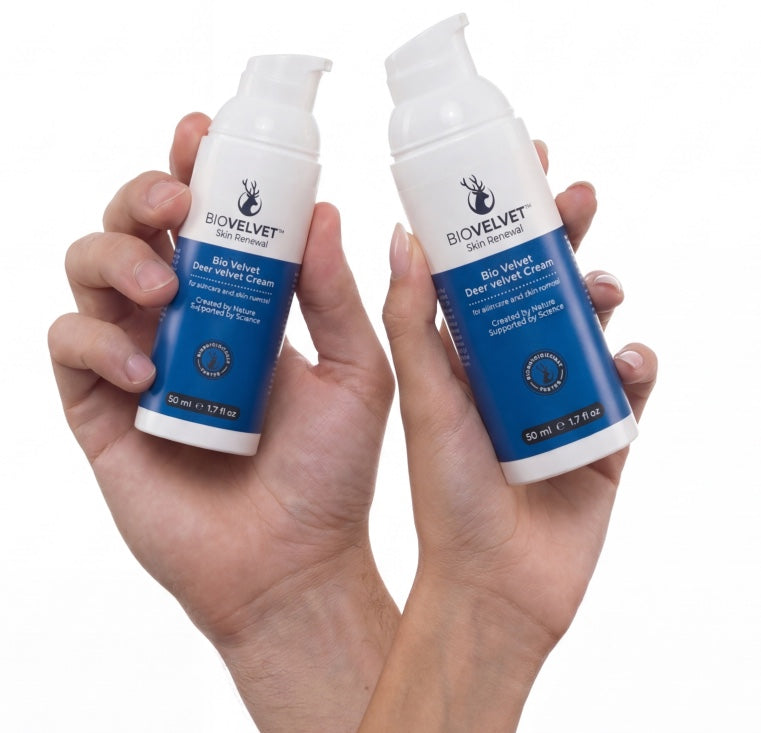
This guide is about the injectable peptide IGF-1 LR3. If skin support matters to you, BioVelvet Recovery Cream offers a topical option built around New Zealand deer antler velvet extract, not an injectable peptide.
Shop BioVelvet →IGF-1 LR3 is a lab-modified version of insulin-like growth factor-1, often discussed in research, bodybuilding, performance, and longevity circles. Most people searching for IGF-1 LR3 are trying to answer a practical question: what is it supposed to do, and is it actually worth the risk?
That matters, because online discussion around IGF-1 LR3 tends to mix three very different things together: real biology, user anecdotes, and aggressive marketing. Those are not the same thing.
At a basic level, IGF-1 is involved in growth, tissue repair, and cell signaling in the body. IGF-1 LR3 was modified to stay active longer than natural IGF-1, which is a big part of why it gets so much attention. People are usually interested in it because of claims around muscle growth, recovery, body composition, and anti-aging. But interest, theory, and safety are not the same as proof.
Why IGF-1 LR3 Gets So Much Attention
IGF-1 LR3 gets attention because it is often described as a longer-acting growth-signaling peptide. In plain terms, that means people believe it may have a stronger or more sustained effect than standard IGF-1.
That appeal shows up again and again in:
- bodybuilding forums
- peptide clinic websites
- performance circles
- dramatic "before and after" posts
The promise is usually some version of the same story: better recovery, more muscle, leaner body composition, faster progress. That is why the search volume is there. But many of those claims travel much faster than the evidence behind them.
IGF-1 LR3 vs Natural IGF-1
Natural IGF-1 is a hormone your body produces, mainly in response to growth hormone signaling. It helps regulate growth and repair.
IGF-1 LR3 is different. It is a modified peptide designed in the lab. The practical difference is that it was made to remain active for longer and to interact differently with the proteins that normally bind and regulate natural IGF-1 in the body.
That longer activity is the main selling point. It is also one of the main reasons safety questions matter.
How IGF-1 LR3 Works in the Body
IGF-1 helps send growth-related signals through the body. It plays a role in tissue repair, muscle growth, and how cells respond to recovery demands. This is one reason it comes up in conversations about training adaptation and healing.
The LR3 version is discussed as having a longer half-life than standard IGF-1. In practical terms, that means people believe it may stay active longer and have broader systemic effects rather than acting only in a narrow window.
This is where many of the claims come from. People connect IGF-1 LR3 with:
- muscle protein signaling
- recovery after training
- changes in glucose handling
- tissue growth and repair
Those ideas are rooted in real growth biology. But that does not mean every online claim is well supported, or that more signaling is automatically better.
What the 'LR3' Part Means
The "LR3" part refers to structural changes made to the peptide. You do not need the chemistry lesson to understand the key point: those changes were made to help it stay active longer in the body.
That is why IGF-1 LR3 is usually discussed differently from natural IGF-1. The interest is not just that it is IGF-1. It is that it is a modified form designed to behave differently.
IGF-1 LR3 vs HGH: Not the Same Thing
A common question is whether IGF-1 LR3 is the same as HGH. It is not.
HGH, or human growth hormone, acts earlier in the chain. One of its jobs is to stimulate the body's production of IGF-1. IGF-1 LR3 acts further downstream. So while the two are related, they are not interchangeable.
That also means the "which is better?" question is too simplistic. They are different compounds with different mechanisms and different risk profiles. Neither should be treated casually.
What IGF-1 LR3 May Do: Benefits, Claims, and What Evidence Actually Supports
This is where it helps to separate plausible effects from exaggerated ones.
There is a real biological reason people are interested in IGF-1 signaling. Growth and repair pathways matter in muscle tissue, recovery, and wound response. But the jump from "biologically interesting" to "predictably beneficial in real-world self-experimentation" is where a lot of online content becomes unreliable.
You will also see the phrase igf-1 lr3 before and after searched often. That is understandable. People want visible proof. But before-and-after photos, forum logs, and testimonial threads are not strong evidence on their own. They rarely control for training changes, calorie intake, other compounds, editing, lighting, or time frame.
Muscle Growth, Recovery, and Performance Claims
Athletes and bodybuilders are interested in IGF-1 LR3 because IGF-1 is involved in growth-related signaling and tissue repair. The theory is straightforward: if a compound amplifies or prolongs that signaling, it may support hypertrophy and recovery.
That is the appeal.
But theoretical benefit is not the same thing as guaranteed outcome. Even where a mechanism makes sense, real-world results can vary widely based on training quality, food intake, sleep, other drug use, and baseline health. And any discussion of potential upside has to sit next to the safety questions, not replace them.
Body Composition and Fat Loss: What to Keep in Perspective
A common belief online is that IGF-1 LR3 directly causes fat loss. That framing is too simple.
When people report body composition changes, those changes are usually happening alongside multiple other variables:
- calorie deficit or surplus
- resistance training
- cardio changes
- stacked compounds
- changes in water retention
That makes clean conclusions difficult. If someone gets leaner while also changing diet, training harder, and using other substances, you cannot confidently assign that result to IGF-1 LR3 alone.
Skin, Healing, and Anti-Aging Interest
People also connect IGF-1 signaling with tissue repair, healing, and visible skin change. That part of the interest is not random. Growth-related signaling does play a role in repair processes.
But this is where restraint matters. Interest in healing pathways does not equal broad proof for anti-aging outcomes. It does not automatically mean better skin, fewer wrinkles, or reliable cosmetic improvement. A pathway being involved in repair is not the same as a proven skincare or longevity result.
New Zealand Deer Antler Velvet Extract · Dead Sea Minerals · Aloe Vera
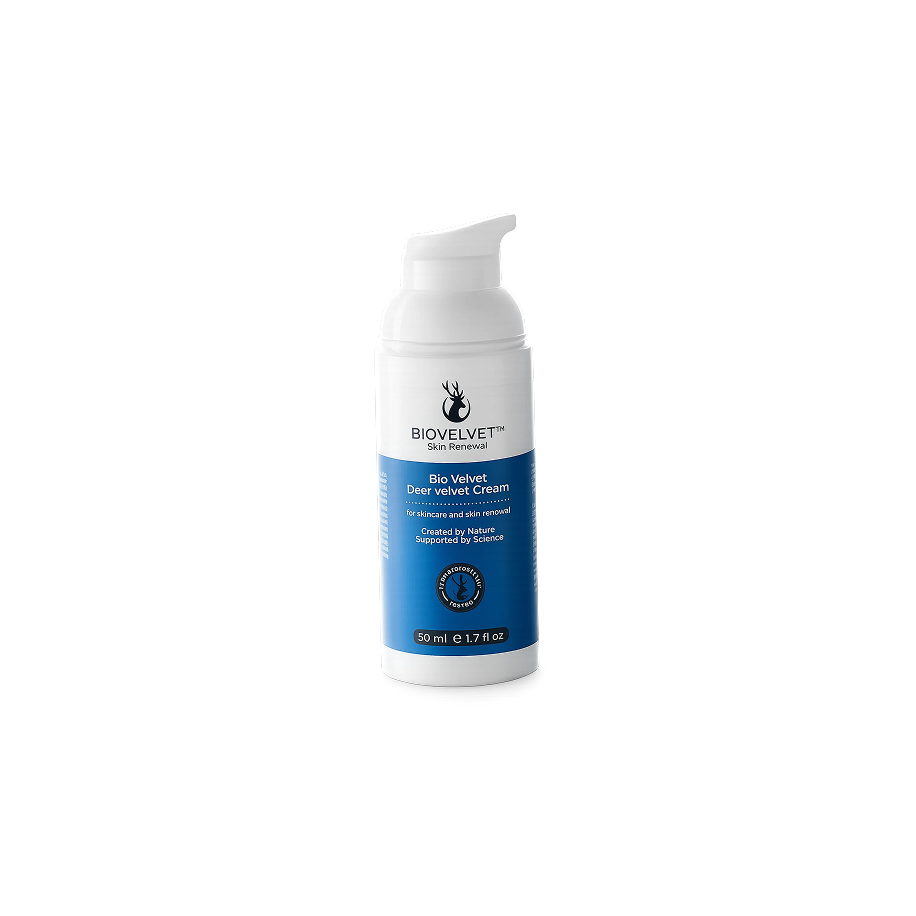
A topical option for skin support
BioVelvet Recovery Cream is a topical formula for skin recovery. It does not contain or deliver IGF-1 LR3 or any injectable peptide.
IGF-1 LR3 vs Growth Factors and Peptides for Skin Aging
| Ingredient / category | What it is | Skincare relevance | Evidence level for cosmetic skin aging | Topical product fit | Main limitations / risk | Reddit / community visibility | Best positioning in article |
|---|---|---|---|---|---|---|---|
| IGF-1 LR3 | Synthetic long-acting analog of insulin-like growth factor 1 | Theoretical regeneration angle, but not a normal skincare active | Very weak for skincare. Mostly research, cell culture, hormone, or peptide context, not consumer topical skincare. | Poor fit. Better treated as a research peptide, not a cosmetic serum ingredient. | Regulatory and safety red flags. FDA UNII identity registration does not imply regulatory approval. FDA has also cited IGF1-LR3 in a compounding warning context. | Almost absent in skincare Reddit discussions. | Not a recommended skincare option. Use as the row that explains why this is not the same as a growth factor serum. |
| General topical growth factor serums | Cosmetic products using growth factors, cytokines, or conditioned-media style ingredients | Used for fine lines, texture, firmness, and post-procedure recovery positioning | Moderate but uneven. Some studies show modest visible improvements, but formulas and study quality vary. | Good fit when sold by reputable skincare brands. | Expensive, formula-dependent, and not all growth factor products are comparable. | Mentioned in 30+ and 40+ skincare communities, usually as premium anti-aging products. | Best growth factor serum comparison row. |
| EGF / rhEGF | Epidermal growth factor used in some cosmetic and regenerative skin products | Stronger skincare relevance than IGF-1 LR3 because EGF is actually used in topical aesthetic products. | Moderate / emerging. Studied in skin repair and anti-aging contexts. | Good fit in topical serums, especially recovery-focused formulas. | Large protein penetration limits. Results depend heavily on formulation and delivery. | Some visibility, but less mainstream than peptides or retinoids. | Best growth factor but still cosmetic comparison row. |
| Signal peptides | Small cosmetic peptides such as palmitoyl pentapeptide-4 and Matrixyl-type peptides | Commonly used for smoother-looking skin, firmness, wrinkles, and barrier-support positioning | Moderate. Some peptides have clinical support, while others have sparse or brand-owned evidence. | Strong fit. Easy to position as a daily peptide serum. | Slower and subtler than retinoids or procedures. | High visibility in skincare communities. | Best mainstream peptide alternative. |
| GHK-Cu / copper peptides | Copper-binding peptide used in anti-aging, repair, and skin remodeling products | Relevant for firmness, fine lines, texture, and recovery support | Moderate but not definitive. Reviews describe skin remodeling and wound-repair potential, but claims need careful wording. | Good topical fit. | Can irritate some users. Overuse or layering with strong actives may be an issue. | High visibility, especially among peptide users. | Best repair peptide row. |
| Retinoids | Vitamin A derivatives such as retinol, retinal, and tretinoin | Gold-standard anti-aging category for wrinkles, texture, acne, and photoaging | Strongest evidence among the comparison set. | Strong topical fit. | Irritation, dryness, purging, and pregnancy caution depending on the type. | Very high visibility. | Best benchmark row. Shows that IGF-1 LR3 lacks the same skincare evidence base. |
| Vitamin C / antioxidants | Antioxidant serums used for dullness, tone, and photodamage support | Strong cosmetic relevance for brightening and environmental protection | Moderate to strong, depending on form and stability. | Good topical fit. | Stability issues, irritation, and formula quality matter. | Very high visibility. | Best supportive active row. |
| Exosome-style / regenerative serums | Products marketed around extracellular vesicles or regenerative signaling | Trend-adjacent to growth factors | Early / mixed for consumer skincare. | Better fit than IGF-1 LR3 as a cosmetic topic, but claims need caution. | Regulatory ambiguity, sourcing questions, and marketing hype. | Growing visibility, especially post-procedure skincare. | Best newer regenerative trend row. |
IGF-1 LR3 Dosage, Use Patterns, and Why Self-Experimentation Carries Risk
IGF-1 LR3 dosage is one of the biggest search intents around this topic, but this should not be treated like a dosing manual.
The reason is simple: most dosage advice online is inconsistent, loosely sourced, and often pulled from forums, sellers, or performance communities rather than high-quality clinical guidance. That makes the advice look specific while still being unreliable.
People commonly debate:
- total amount used
- timing of use
- cycle length
- injection timing
- whether to use it alone or stacked with other compounds
The problem is that potency, sourcing, product quality, and individual metabolic response all vary. Self-directed use becomes unpredictable very quickly.
Why Online Dosage Advice Is So Inconsistent
There is no universally accepted consumer dosing standard for IGF-1 LR3.
Different sources are also aiming at different outcomes. One protocol may be framed around recovery. Another around physique change. Another around longevity or "optimization." That alone creates confusion. Add in poor product transparency and seller incentives, and the advice becomes even less trustworthy.
Questions to Ask Before Trusting Any IGF-1 LR3 Protocol
Before trusting any IGF-1 LR3 protocol, it helps to ask a few basic questions:
- Who is giving the advice?
- Are they selling the product?
- Is there real medical oversight?
- Has baseline health been assessed?
- Is lab monitoring part of the plan?
- Are other compounds being used at the same time?
- Is the source quality even clear?
Stacking multiple compounds is especially important. The more variables involved, the harder it becomes to interpret both benefits and side effects.
IGF-1 LR3 Side Effects, Safety Concerns, and Realistic Limits
The same growth pathways that make IGF-1 LR3 interesting are also why the safety discussion matters so much.
Searches for igf-1 lr3 side effects are not just cautionary. They are central to the topic. Commonly discussed concerns include low blood sugar symptoms, swelling, headaches, injection-site problems, and concern about unwanted tissue growth.
This is not a shortcut. It is not risk-free. And it is not appropriate for everyone, especially people with complicated medical histories, metabolic concerns, or cancer-related risk questions.
Commonly Discussed Side Effects
The side effects most often discussed include:
- hypoglycemia-like symptoms
- fatigue
- water retention or edema
- numbness or tingling
- headaches
- injection-site irritation
Severity can vary based on dose, duration, individual response, and product quality. That last point matters more than many people want to admit. If the source is questionable, the risk picture becomes even harder to assess.
Longer-Term Unknowns and Why They Matter
Longer-term uncertainty is one of the biggest reasons for medical caution.
If a compound influences growth-related pathways, it is reasonable to ask what prolonged stimulation may do over time. That does not mean a specific bad outcome is guaranteed. But uncertainty should lead to caution, not confidence.
This is especially important for people with a personal or family history that makes growth-signaling questions more serious.
What IGF-1 LR3 Cannot Promise
IGF-1 LR3 cannot promise:
- dramatic muscle gain
- reliable fat loss
- visible before-and-after transformation
- predictable anti-aging results
- risk-free recovery enhancement
Anecdotes are not the same as predictable outcomes. That is true even when the anecdotes sound convincing.
Should You Use IGF-1 LR3? A Practical Decision Framework
Most people researching IGF-1 LR3 fall into one of a few groups: physique-focused users, performance-minded athletes, recovery-focused experimenters, or people drawn in by longevity and anti-aging claims.
The balanced takeaway is this: IGF-1 LR3 is biologically interesting, but that does not make unsupervised use low-risk or well-proven for every goal.
If the goal is to make a practical decision, three things matter most:
- evidence quality
- medical supervision
- skepticism toward dramatic marketing
That is the right order.
Red Flags to Watch for in IGF-1 LR3 Content
Be cautious if IGF-1 LR3 content includes any of these:
- miracle language
- aggressive before-and-after promises
- seller-led dosing advice
- claims that it is safe simply because it is a peptide
- no discussion of side effects
- no mention of source quality
- no medical context
- "everyone responds the same" framing
If a source makes it sound easy, guaranteed, or obviously safe, that is usually a reason to trust it less, not more.
Ready to try?
BioVelvet Recovery Cream
A topical formula for skin support, built around New Zealand deer antler velvet extract. Not an injectable peptide and not a source of IGF-1 LR3. Petroleum-free and lanolin-free, with a 90-day money-back guarantee.
FAQ
What does IGF-1 LR3 actually do in the body?
IGF-1 LR3 is a modified version of IGF-1 designed to stay active longer. It is discussed in relation to growth signaling, tissue repair, recovery, and muscle-related adaptation.
Is IGF-1 LR3 the same as HGH?
No. HGH helps stimulate the body's production of IGF-1, while IGF-1 LR3 acts further downstream. They are related, but they are not the same compound.
What are the main IGF-1 LR3 side effects?
Commonly discussed side effects include low blood sugar-like symptoms, fatigue, swelling, headaches, numbness or tingling, and injection-site irritation. Risk can vary based on dose, duration, and product quality.
How long does IGF-1 LR3 stay active in the body?
IGF-1 LR3 is generally discussed as lasting longer than natural IGF-1 because of its structural modifications. Exact activity can vary, but its longer-acting profile is one of the main reasons people pay attention to it.
Is there a standard IGF-1 LR3 dosage?
No widely accepted consumer dosing standard exists. Online dosage advice varies widely and is often drawn from forums, sellers, or performance communities rather than strong clinical guidance.
Can IGF-1 LR3 before and after results be trusted?
Not on their own. Before-and-after claims are anecdotal and often leave out important variables like diet, training, stacked compounds, water retention, and timeline. They can show what someone claims happened, but not what IGF-1 LR3 reliably does.