Scar recovery
Renew Skin, Soften Scars
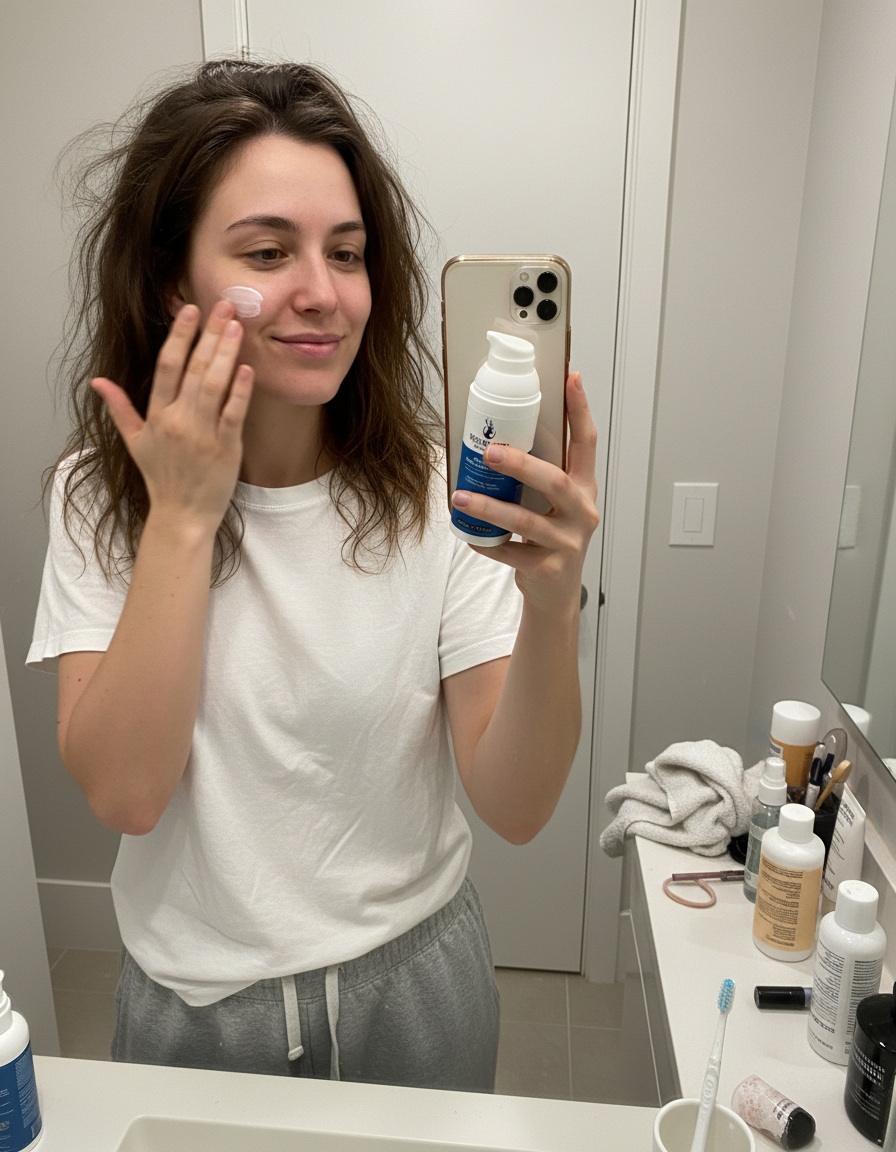
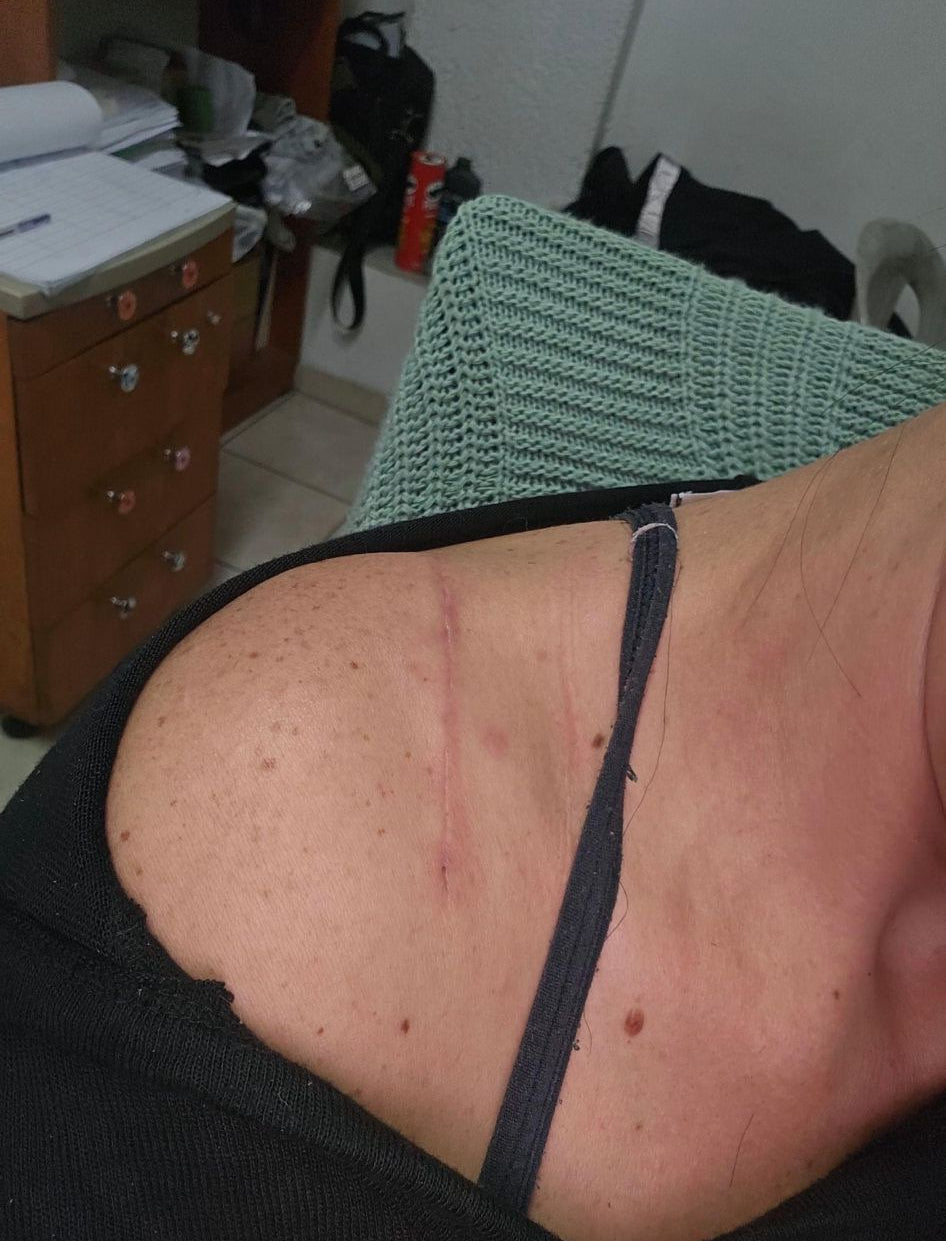
BioVelvet Recovery Cream helps visibly soften the look of scars while nourishing damaged skin for a smoother, healthier-looking finish.
Heal Now →How to Choose the Best Scar Cream Without Wasting Money
Most people searching for the scar cream are dealing with one of a few situations: a new scar after surgery, a C-section line that still feels tight, a facial scar that stays red longer than expected, or an older mark that never fully settled down.
The first thing worth knowing is that not all scars behave the same way. A flat surgical line on the abdomen is different from a raised scar on the chest. A healed minor burn is different from a keloid. A fresh scar that is still pink and remodeling is different from one that is already a year old.
That is why the right product depends on four things: the type of scar, where it is on the body, how old it is, and whether the skin is fully closed and healing normally.
This guide is here to separate what topical products can realistically do from what usually needs a dermatologist, plastic surgeon, or wound specialist.
What people usually mean when they search for the best scar cream
In practice, people are usually looking for one of these:
- the best scar cream for face scars that won't feel greasy or irritate visible skin
- the best scar cream for surgical scars after a procedure or incision
- the best scar cream for C-section scars, especially if the scar is flat but red, tight, or slightly raised
- the best scar cream for burns, usually meaning healed minor burns rather than deep burns that need medical treatment
Those are different problems, and they do not all need the same format.
The short answer: what helps scars most
If you want the short version, here it is: silicone has the strongest support for improving the appearance of many new surgical and raised scars. Silicone gels and sheets are often the first place to start for scars that are closed, healing normally, and still in the early months.
Supportive scar creams still matter. They can help with dryness, tightness, itching, barrier support, and general recovery around the scar. They are especially useful when skin is sensitive, reactive, or uncomfortable. But they should not be framed as equal to silicone when the goal is flattening and softening a raised scar.
Living Collagen · 50+ Bio-Active Compounds · Aloe Vera · Dead Sea Minerals
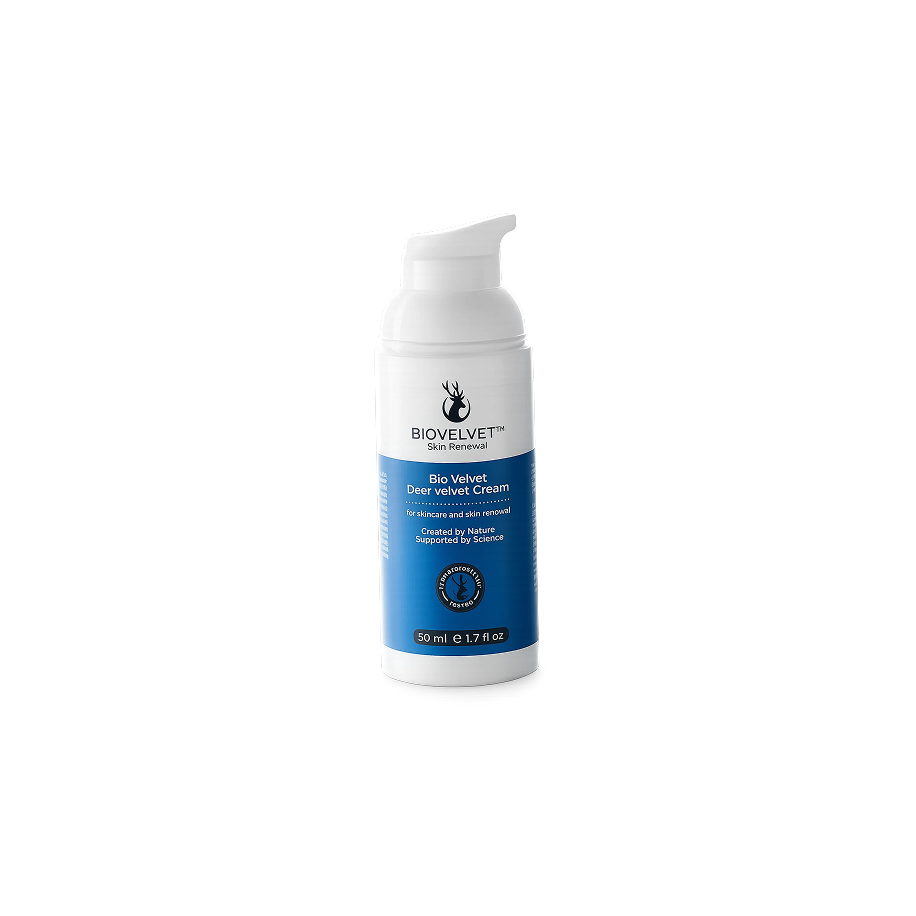
BioVelvet Recovery Cream
Petroleum-free barrier support for dry, fragile, or healing skin. 90-day money-back guarantee.
What Scar Creams Can and Cannot Do
Scars form when skin repairs itself after injury, surgery, burns, or inflammation. As the skin rebuilds, collagen gets laid down in a different pattern than it had before. Sometimes that process settles into a flat, pale line. Sometimes the scar stays red, thick, itchy, tight, or raised for longer.
That variation is why people often feel like scar products are inconsistent. They are not all treating the same thing.
New scars are usually more responsive to topical care than old scars. Surgical scars and C-section scars often improve gradually with silicone and consistent care. Minor healed burn scars may benefit from moisture support and protection. Acne marks are their own category and may be discoloration rather than true scarring. Hypertrophic scars are raised but stay within the original wound boundary. Keloids grow beyond it and often need medical treatment.
A good scar cream may improve dryness, tightness, texture, and overall visible appearance over time. What it will not do is erase a deep scar completely.
There is a ceiling to topical care. Once a scar is severely raised, painful, limiting movement, repeatedly inflamed, or getting worse instead of better, switching from one over-the-counter product to another usually stops being useful.
Which scars respond best to topical products
The scars most likely to improve with consistent topical care are:
- flat surgical scars
- healing post-procedure scars once the skin is fully closed
- mild burn scars after the wound has healed
- early hypertrophic scars that are only mildly raised
These are the situations where silicone, moisture support, and daily sun protection can make a visible difference over time.
Which scars often need more than a cream
Some scars usually need professional assessment rather than repeated product switching:
- keloids
- severely raised scars
- contracture scars
- infected wounds
- scars that become darker, thicker, or more painful over time
A cream is not the right tool for every scar.
How long scar improvement usually takes
This is the part many product pages gloss over: scar improvement usually happens in months, not days.
For new scars, meaningful visible change often happens over 2 to 6 months of consistent care. Some scars keep maturing for up to a year or more. Older scars can still improve, but progress is usually slower and more modest.
Early, steady care matters more than miracle claims.
What Ingredients Matter Most in the Best Scar Cream
If you ignore the marketing language and look at what actually matters, the ingredient picture becomes simpler.
Silicone comes first for many new surgical and raised scars. After that, supportive ingredients matter most when the scar feels dry, itchy, tight, or sensitive. And throughout all of it, sun protection matters because UV exposure can keep scars darker for longer.
Silicone: the ingredient with the strongest support
Silicone gels and sheets are often considered first-line because they help create a better healing environment over the scar. In plain terms, they help reduce water loss, keep the scar better hydrated, and may help soften and flatten raised scars over time.
Sheets can be especially useful on flatter body areas like the abdomen, including many C-section scars. Gels are often easier on the face, around joints, or anywhere a sheet will not stay in place.
Supportive ingredients that can still matter
Supportive ingredients are not pointless. They just serve a different role.
- Aloe vera can help soothe uncomfortable skin.
- Hyaluronic acid helps pull moisture into the skin.
- Shea butter supports the barrier and helps with dryness and tightness.
- Vitamin E is widely used in scar products, though the evidence is mixed and some people find it irritating.
These ingredients can help comfort and hydration. They should not be treated as interchangeable with silicone evidence for scar remodeling.
Where deer antler velvet fits in scar recovery
Deer antler velvet is less familiar than silicone, but it is worth understanding. Peer-reviewed research on deer antler velvet suggests wound-healing and scar-support potential, including support for the skin's repair process and reduced scar formation in experimental settings. That is not the same as saying every cream containing it is clinically proven to remove scars. It is a promising ingredient with a plausible role in recovery-focused formulas.
This is where BioVelvet Recovery Cream fits: not as a silicone replacement for every scar, but as a recovery cream for skin that needs support while healing.
Ingredients and product types to be cautious with
Freshly healed scars are often more reactive than people expect. Be careful with:
- fragrance-heavy formulas
- strong exfoliating acids
- retinoids on newly healing skin
- anything that stings consistently on a fresh scar
If a product keeps irritating the area, it is not helping.
Best Scar Creams Compared: Top Picks by Scar Type
| Product | Best for | Format & mechanism | Application | Treatment duration | Sizes | Price (USD) | Product page |
|---|---|---|---|---|---|---|---|
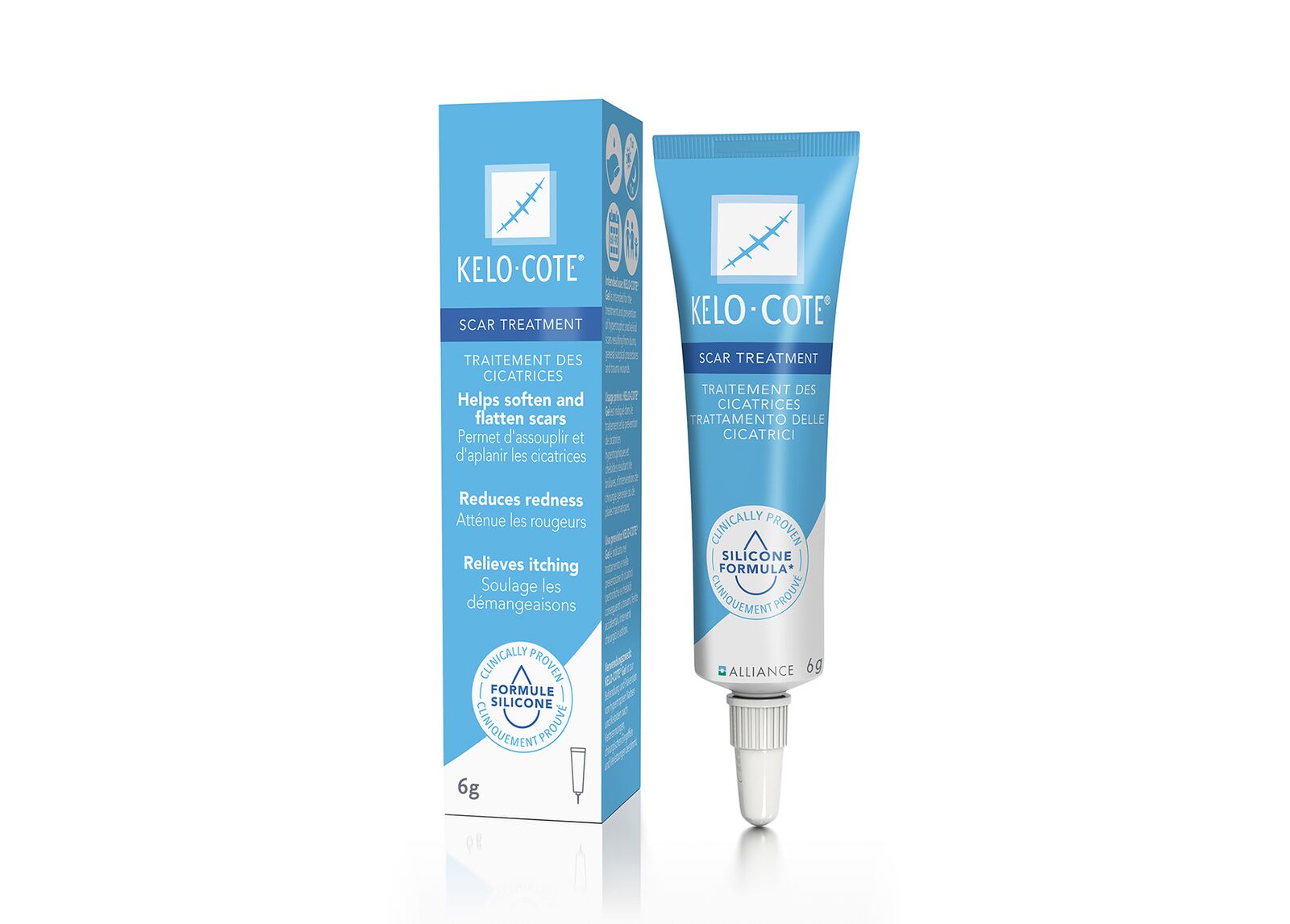 Kelo-Cote Advanced Formula Scar Gel Kelo-Cote Advanced Formula Scar Gel
|
New surgical scars, facial scars, low-fuss daily care | Silicone gel (polysiloxanes + silicon dioxide), inert film former | Apply a very thin layer twice daily; dries in 5 minutes | 60-90 days minimum | 10g, 60g (US); 6g, 15g (EU) | From $21 (10g) up to $106 (60g) | Kelo-Cote |
 BioVelvet Recovery Cream BioVelvet Recovery Cream
|
Dry, tight, reactive healing skin and multi-indication recovery support | Recovery cream with deer antler velvet, hyaluronic acid, aloe vera, shea butter, vitamin E | Apply 2-3 times daily on clean, dry skin; intensive use 2-3 times in the first hour | Open-ended daily recovery care | 50ml jar | $64.90 one-time / $54.87 subscription | BioVelvet |
 ScarAway Silicone Scar Sheets ScarAway Silicone Scar Sheets
|
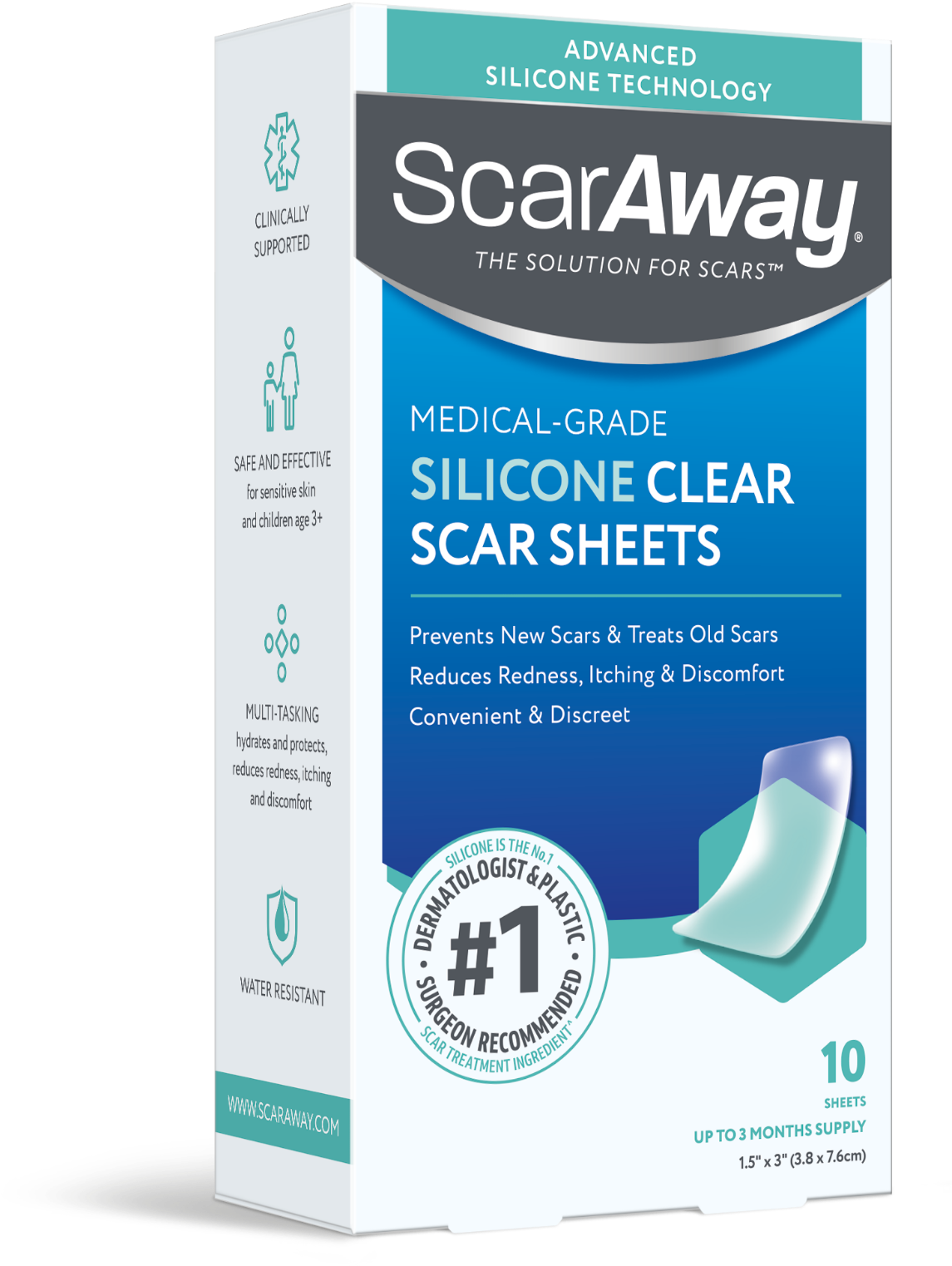
Raised scars, C-section scars, flatter body areas | Self-adhesive medical-grade silicone sheets, drug-free | Apply directly on clean dry skin; keep on 7-10 days per sheet, water-resistant | 60-90 days | 6 sheets, 10 sheets (1.5" x 3") | $14.90 (6 ct) / $23.80 (10 ct) | ScarAway |
 Strataderm Strataderm
|
Face scars, visible areas, lightweight silicone care | Silicone gel (FDA Class I medical device), no alcohol/parabens/fragrances/steroids | Apply a very thin layer once or twice daily; dries in 3-4 minutes, 24/7 contact | 60-90+ days minimum | 5g, 10g, 20g, 50g | $29.95 - $169.95 | Strataderm |
 CeraVe Healing Ointment CeraVe Healing Ointment
|
Minor healed burn recovery, dryness around scars, post-procedure barrier | Petrolatum 46.5% skin protectant with ceramides and hyaluronic acid | Apply a thin layer as needed, day or night | Open-ended barrier care | 3 oz, 5 oz, 12 oz | $9.99 (3 oz) - $20.99 (12 oz) | CeraVe |
 Mederma Advanced Scar Gel Mederma Advanced Scar Gel
|
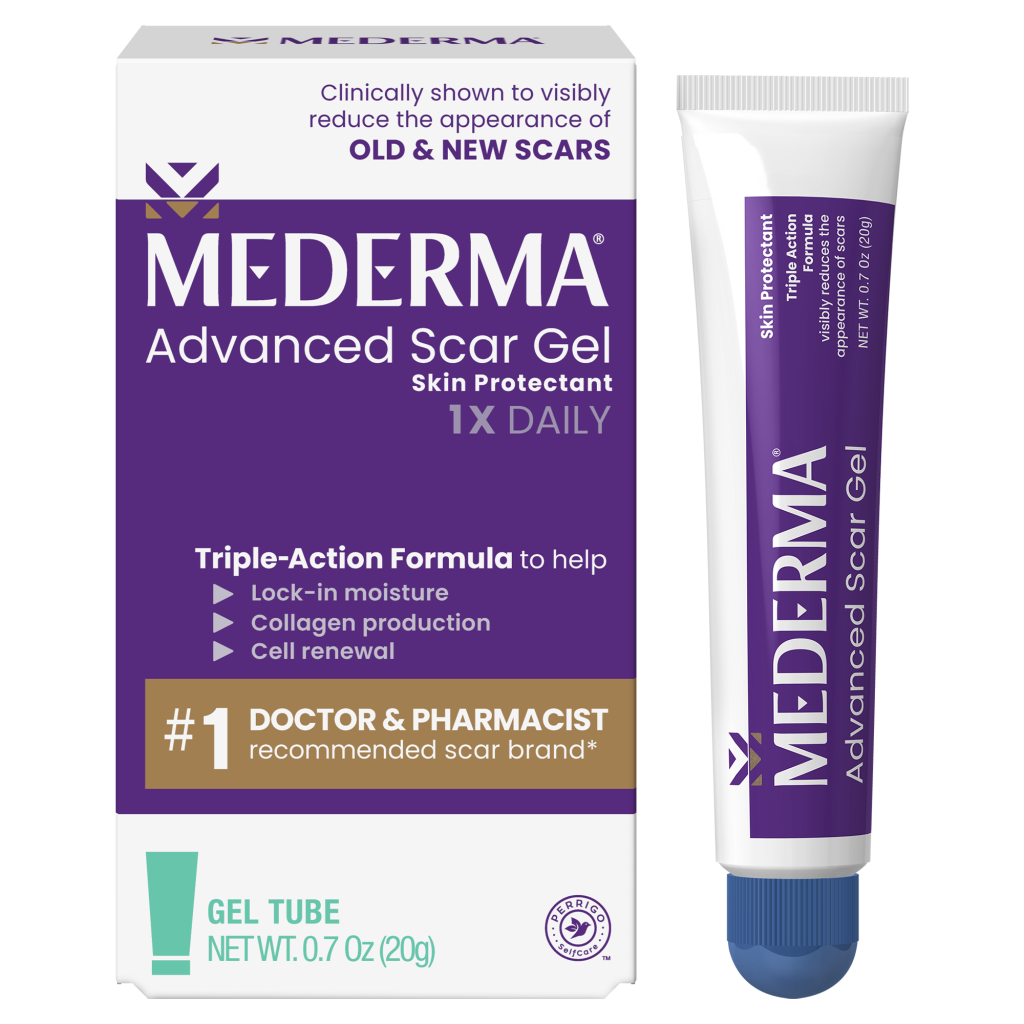
Older scars, discoloration-focused expectations, easy retail access | Gel with allantoin and Cepalin botanical (Allium Cepa onion extract) | Apply once daily, massage in until absorbed; only on closed wounds | 8 weeks (new scars) / 3-6 months (older scars) | 0.70 oz (20g), 1.76 oz (50g) | $16.47 (20g) / $22.75 (50g) | Mederma |
Prices verified against brand sites or Amazon US listings sold by the brand owner as of June 2026. BioVelvet pricing reflects the US site (USD); other brand-site prices are listed where the brand publishes them, otherwise from the Amazon US listing sold by the brand owner.
Best For: Which Product Wins for Which Scar Type
None of these is the "best scar cream" in the abstract. Each one wins for a specific situation, and the right pick depends on what the scar actually needs, not which brand has the loudest marketing. Here is how to match the product to the scar.
Best for new surgical scars & daily-use compliance
Kelo-Cote Advanced Formula Scar Gel
From $21 (10g) up to $106 (60g) | Silicone gel, twice daily, 60-90 days minimum
Kelo-Cote is a polysiloxane silicone gel that dries clear in about five minutes and stays out of the way under clothes, sunscreen, or makeup. Applied twice daily for the recommended 60 to 90 days, it is one of the most practical options for closed surgical incisions where the goal is consistent, low-friction daily care rather than active treatment of an old or stubborn scar.
Choose this if you have a new surgical or post-procedure scar, want the most standard silicone-first protocol, and need a format that disappears under the rest of your routine.

Best for dry, reactive, multi-indication recovery skin
BioVelvet Recovery Cream
$64.90 one-time / $54.87 subscription | Recovery cream, 2-3x daily, open-ended use | 90-day guarantee
BioVelvet is not a silicone gel and is not trying to be one. It is a recovery cream built around deer antler velvet, hyaluronic acid, aloe vera, shea butter, and vitamin E, designed for skin that feels dry, tight, fragile, or reactive while it is healing. The 50ml jar is positioned as a single product for psoriasis-prone, eczema-prone, post-procedure, and scar-recovery skin, with a 4.7-star average across 642+ reviews and 9 out of 10 users reporting calmer, more resilient skin.
It is also the only product in this comparison built explicitly to handle more than one skin concern at once, which matters when the scar sits in skin that is also dry, itchy, or sensitive to harsher actives. The brand backs it with a 90-day money-back guarantee, so the trial cost is low.
Choose this if your scar lives in skin that is already dry, reactive, or uncomfortable, you have more than one skin concern at the same time, or you have tried silicone-only products and need something gentler and more nourishing alongside.
Best for raised scars & C-section lines on flat body areas
ScarAway Silicone Scar Sheets
$14.90 (6 ct) / $23.80 (10 ct) | Silicone sheets, 7-10 days per sheet, 60-90 days total
ScarAway is medical-grade silicone in sheet format. Each 1.5" x 3" sheet stays on for 7 to 10 days at a time, is water-resistant, and is safe for sensitive skin and children ages 3+ months. Sheets give more sustained occlusion than gels can, which makes them especially well suited to flatter body areas where a sheet will actually stay put: abdomen, chest, back, and C-section incision lines.
Choose this if your scar is raised, on a flat covered area, and you will realistically wear a sheet daily for 60 to 90 days.
Best for face scars & visible areas
Strataderm
$29.95 - $169.95 across 5g/10g/20g/50g | Silicone gel (FDA Class I), dries in 3-4 minutes
Strataderm is a self-drying silicone gel and an FDA Class I medical device, free of alcohol, parabens, fragrances, and steroids. It dries to a thin transparent film in 3 to 4 minutes, so it sits cleanly under sunscreen and works on areas where a silicone sheet would be impractical: the face, around joints, or near the hairline. The 5g tube is a low-commitment entry point at $29.95 before scaling up.
Choose this if the scar is on visible facial skin, needs to wear comfortably under daily sunscreen, or is in a high-movement area where a sheet will not stay in place.

Best for minor healed burns & barrier support
CeraVe Healing Ointment
$9.99 (3 oz) - $20.99 (12 oz) | Petrolatum 46.5% skin protectant, apply as needed
CeraVe Healing Ointment is 46.5% petrolatum, plus three ceramides, hyaluronic acid, and panthenol. It is technically a skin protectant rather than a scar treatment, and that is precisely why it works for the post-burn, post-procedure use case. Once a minor burn has fully closed, the skin around it is often tight, dry, and easily irritated. A heavy occlusive ointment locks in moisture, supports the lipid barrier, and buys time while the skin rebuilds.
Choose this if the wound is fully closed but the surrounding skin is dry, chafed, or tight, and you want barrier protection rather than active scar remodeling.
Best for older scars & discoloration-focused expectations
Mederma Advanced Scar Gel
$16.47 (20g) / $22.75 (50g) | Cepalin botanical + allantoin gel, once daily, 3-6 months for older scars
Mederma's hero active is Cepalin, a proprietary onion bulb extract, combined with allantoin in a once-daily gel. The evidence base for botanical scar gels is more modest than for silicone, but Mederma has decades of pharmacy shelf presence and is the easiest of these products to actually find in a US drugstore. It is most often chosen for older, flatter scars where the goal is gradual visible improvement rather than flattening a fresh raised scar.
Choose this if the scar is older, mostly flat, and you want a low-cost once-daily option from a brand stocked everywhere.
How to Use Scar Cream for Better Results
Scar care does not need to be complicated, but consistency matters.
When can you start using scar cream?
Most scar products should only be used once the wound is fully closed and your clinician has cleared it if needed. Do not start putting scar cream over open skin, draining areas, or fresh stitches unless you have been told to do so.
Timing depends on the procedure or injury, so if you are unsure, ask the surgeon or treating clinician.
A simple routine for surgical scars, C-section scars, and facial scars
For surgical scars
- Wait until the wound is fully closed.
- Use silicone gel or sheets consistently as directed.
- If the area is dry or tight, add a supportive recovery cream at a separate time of day if tolerated.
- Use SPF on exposed scars every morning.
For C-section scars
- Start only once the incision is closed and cleared.
- Silicone sheets often make sense here because the area is flat and covered.
- If the surrounding skin feels dry, reactive, or uncomfortable, a recovery cream can help with comfort and barrier support.
- Keep the routine simple and consistent.
For facial scars
- Choose a lightweight silicone gel.
- Let it dry fully.
- Layer sunscreen every morning.
- Avoid piling on irritating actives while the scar is still settling.
Massage may help some mature scars, but only when the skin is fully healed and your clinician says it is appropriate. Gentle cleansing matters too. Harsh scrubbing does not.
Signs a product is not the right fit
Stop and reassess if you notice:
- persistent stinging
- worsening redness
- rash
- increased sensitivity
- itching that is getting worse rather than better
A scar product should not keep aggravating the skin.
When to See a Dermatologist Instead of Trying Another Scar Cream
Sometimes professional care is simply the smarter next step.
If a scar is raised like a keloid, painful, restricting movement, repeatedly inflamed, or getting darker and thicker over time, it makes sense to stop cycling through over-the-counter products and get it assessed.
A dermatologist may suggest:
- a more structured silicone protocol
- steroid injections
- laser treatment
- pressure therapy
- scar revision in selected cases
These are not alternatives to dismiss topical care. They are what comes next when topical care has reached its limit.
Red flags that should not be managed with over-the-counter cream alone
Do not rely on scar cream alone if you are dealing with:
- signs of infection
- open wounds
- severe burns
- rapidly growing scars
- scars affecting function or movement
How to choose based on your scar, not the marketing
A practical framework is usually enough:
- Silicone first for many new raised surgical scars
- Lighter silicone gels for face scars
- Silicone sheets for many C-section scars and flatter body scars
- Supportive recovery creams for dry, reactive, tight healing skin
- Medical care for severe, resistant, or worsening scars
The best scar cream is not the one making the biggest promise. It is the one that matches the scar you actually have.
Ready to try?
BioVelvet Recovery Cream
Built for skin that is dry, fragile, or still settling. Deer antler velvet paired with hyaluronic acid, aloe vera, and shea butter - designed to support barrier recovery, not just moisture.
FAQ
What is the best scar cream for surgical scars?
For many new surgical scars, a silicone gel is the most evidence-supported place to start. Products like Kelo-Cote and Strataderm are common choices. If the scar is dry, tight, or in reactive skin, a supportive recovery cream can help alongside that approach.
What is the best scar cream for face scars?
A lightweight silicone gel is usually the best fit for face scars because it is easier to wear daily, works well under sunscreen, and is less awkward than a sheet on visible skin.
What is the best scar cream for C-section scars?
Silicone sheets are often a strong option for C-section scars because the area is relatively flat and the sheet can stay in place well. If the surrounding skin feels dry or sensitive, a recovery cream may help with comfort and barrier support once the incision is fully closed.
Do scar creams actually work on old scars?
Sometimes, but results are usually more modest than they are for new scars. Older scars may soften, feel less tight, and look somewhat better over time, but complete removal is not a realistic expectation from a cream.
When should you start using scar cream after surgery?
Usually only once the wound is fully closed and your clinician says it is appropriate. Do not apply scar products over open, draining, or unhealed skin unless you have been specifically told to.
What is the best scar cream for burns once the skin has healed?
For minor healed burns, moisture-supportive products can help with dryness, tightness, and comfort. A barrier-supporting ointment or a gentle recovery cream can be useful once the skin is closed. Deeper burns need medical care rather than over-the-counter scar treatment.
All prices in this comparison were verified against the brand's own product page or, where the brand does not publish prices, the Amazon US listing sold by the brand owner, as of June 2026. Formulations and pricing get updated; check the bottle and the brand site before buying. Nothing here is medical advice. If a scar is severely raised, painful, restricting movement, infected, or getting worse, see a dermatologist instead of switching to another over-the-counter product.