Psoriasis recovery
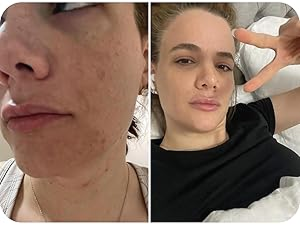
Soothe Plaques, Support Skin
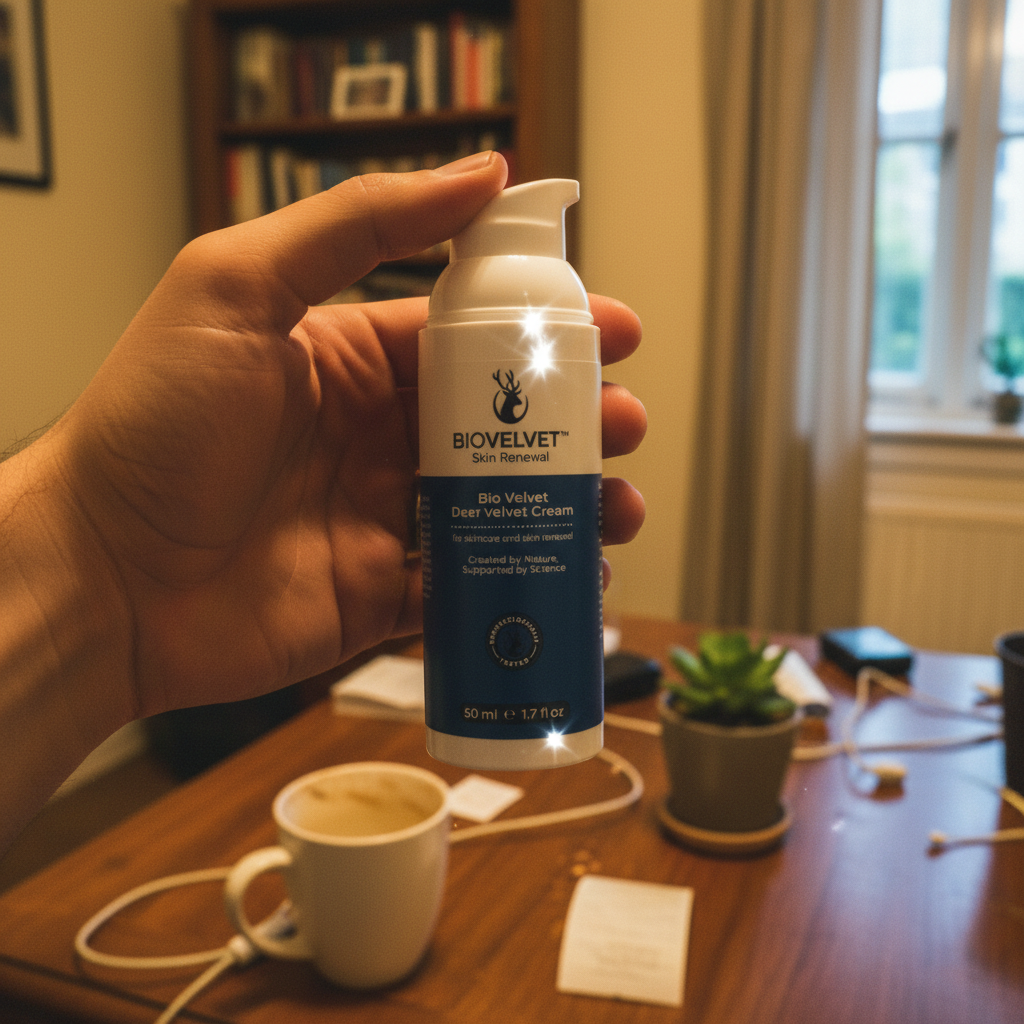
BioVelvet Recovery Cream gives petroleum-free barrier support for dry, flaking, post-flare skin, for a calmer, more comfortable baseline.
Shop Now →What Makes the Best Psoriasis Cream for You?
There is no single best psoriasis cream for everyone, because psoriasis is not one single skin problem. One person may be dealing with thick, silvery plaques on the elbows. Another may have scalp buildup and itching. Someone else may be past the worst of a flare but left with dry, fragile skin that cracks easily.
That is why the best option depends on a few basic things:
- how thick the plaques are
- where they are on the body
- whether itch or dryness is the main problem
- how severe the flare is
- whether the skin is cracked, bleeding, or infected
It also helps to separate what different products actually do.
Some creams are mainly for symptom relief. Some are better at softening scale. Some focus on barrier support and moisture loss. And some psoriasis treatment options are prescription medicines, not just moisturisers in stronger packaging.
That distinction matters. A rich cream may make plaques feel less tight, but it will not do the same job as a prescription treatment for severe inflammation. In the same way, a medicated product that helps loosen scale may still need a plain barrier cream layered around it to keep skin more comfortable.
A calm expectation is the useful one here: creams can help manage psoriasis, but they do not permanently cure it. Psoriasis is a chronic condition. Good topical care can reduce discomfort, support the skin barrier, and help you get more out of the treatments you are already using, but it is not a one-product answer to every phase of the condition.
Living Collagen · 50+ Bio-Active Compounds · Aloe Vera · Dead Sea Minerals
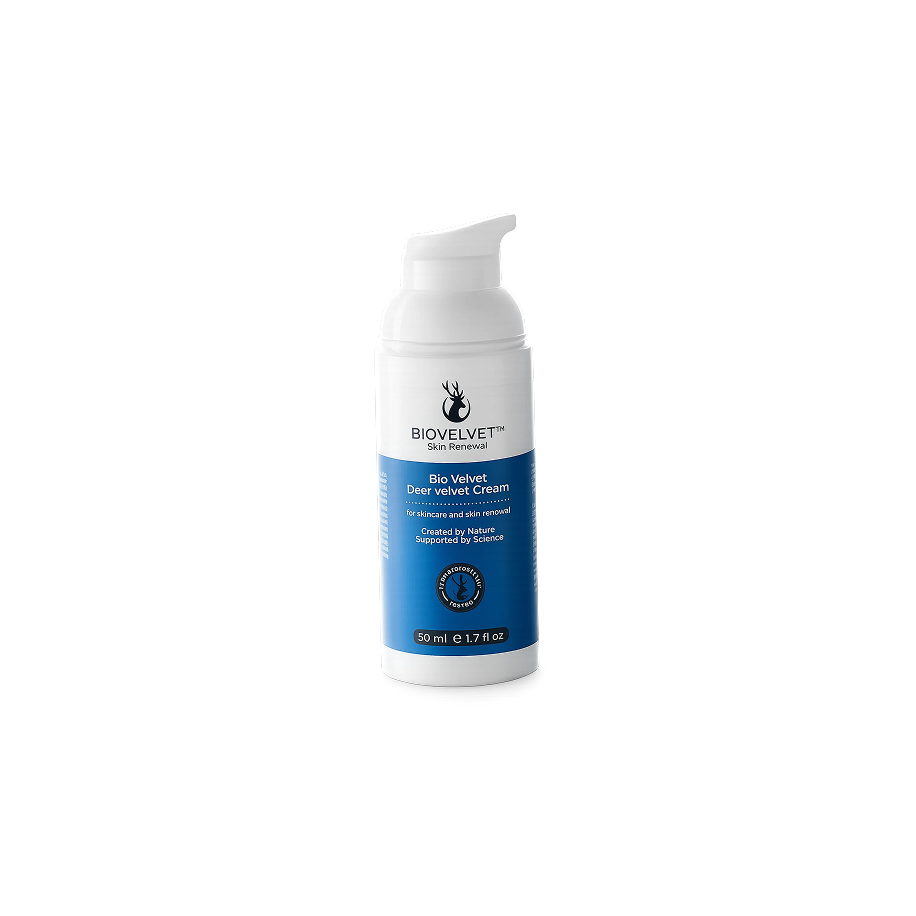
BioVelvet Recovery Cream
Petroleum-free barrier support for dry, fragile, or healing skin. 90-day money-back guarantee.
Psoriasis Cream vs Lotion vs Ointment: Which Texture Works Best?
Texture changes how usable a product is.
- Ointments are usually best for very dry, thick plaques, especially on elbows, knees, heels, and other stubborn areas. They seal in moisture well, but they can feel greasy.
- Creams are often the easiest choice for daily body use. They are rich enough for dry plaques but usually more wearable than ointments.
- Lotions and liquids tend to work better on the scalp or hairy areas, where thicker products are hard to spread and harder to wash out.
Sometimes the best psoriasis cream is not really about the formula being "better." It is about whether you will actually use it consistently on the area that needs help.
When Over-the-Counter Care Is Reasonable, and When It Is Not
An over the counter cream for psoriasis can be reasonable when you are dealing with:
- mild plaques
- dryness and tightness
- mild to moderate itching
- limited body areas
- maintenance between more active periods
It is not enough when psoriasis is:
- widespread
- very painful
- rapidly worsening
- cracked and showing signs of infection
- affecting sleep or daily function
- involving joints, nails, or major scalp buildup that is not improving
At that point, it makes more sense to get medical review than to keep cycling through stronger-looking product labels.
Ingredients That Matter Most in Psoriasis Creams
When people compare psoriasis creams, they are usually comparing ingredients more than brand names. The main categories worth knowing are straightforward.
- Salicylic acid: helps loosen and lift thick scale so plaques feel less built up.
- Coal tar: an older medicated ingredient used to reduce scaling, itching, and irritation in some psoriasis products.
- Hydrocortisone: a mild over-the-counter steroid that can help calm itch and inflammation short term.
- Ceramides: support the skin barrier and help reduce moisture loss.
- Urea: softens rough, thickened skin and helps dry plaques hold on to water better.
- Petrolatum-based barrier creams or ointments: reduce water loss and protect cracked, dry skin.
- Soothing anti-irritant ingredients: ingredients like aloe vera can help calm skin that feels hot, tight, or reactive.
What to avoid during a flare is just as important. Skin that is already cracked or stinging usually does worse with:
- heavy fragrance
- aggressive exfoliating acids
- scrubs
- strong essential oils
- products marketed as "natural" but likely to sting on broken skin
"Natural" is not the same thing as gentle. Psoriasis-prone skin tends to care more about irritation level than marketing style.
What Salicylic Acid, Coal Tar, and Hydrocortisone Actually Do
These ingredients are often grouped together, but they do different jobs.
- Salicylic acid is mainly for scale. It helps break down thick buildup so plaques are less rough and other products can reach the skin more effectively.
- Coal tar is used for itch, scale, and slowing down overactive skin turnover in some people. It is useful, but some people dislike the smell or texture.
- Hydrocortisone is mainly for itch and inflammation, not scale removal.
That is why medicated OTC creams work best when matched to the main symptom. If the real problem is thick plaque buildup, an itch cream may not do much. If the main problem is inflamed itching, a scale-softening cream may help only part of the picture.
Why Barrier-Support Ingredients Still Matter in Psoriasis
Psoriasis is more than dryness, but dryness still matters.
Thick plaques crack easily. Cracked plaques sting, bleed, and become harder to live with. The skin also loses moisture more easily, which can make everything feel tighter and more reactive.
That is where barrier-support ingredients earn their place. Ceramides, petrolatum, shea butter, hyaluronic acid, aloe vera, and similar supportive ingredients do not "treat" psoriasis in the same way medicated ingredients do. But they can make plaques more comfortable, help reduce moisture loss, and support skin during maintenance and recovery phases.
Best Psoriasis Creams and Lotions by Use Case
A generic top-10 list is not very helpful for psoriasis. Matching the product to the job is more useful.
Comparison Table: Psoriasis Creams and Lotions at a Glance
| Product name | Format | Best in part category | Key ingredients | Best for | Possible drawbacks | OTC or supportive care |
|---|---|---|---|---|---|---|
| MG217 Medicated Multi-Symptom Coal Tar Ointment | Ointment | Top medicated OTC pick for scale and itch | Coal tar | Thick scale, itching, inflammation | Tar smell; can stain fabric | OTC |
| CeraVe Psoriasis Moisturizing Cream | Cream | Best budget over-the-counter cream for psoriasis | Salicylic acid, urea, ceramides | Daily plaque care, dryness, maintenance | Not ideal for very raw skin | OTC |
| BioVelvet Recovery Cream | Cream | Best for recovery support on dry, fragile, or post-flare skin | deer antler velvet extract, hyaluronic acid, aloe vera, vitamin E, shea butter | Post-flare support, fragile dry plaques, comfort and barrier support | Not a replacement for prescription treatment in severe flares | Supportive care |
| CeraVe Moisturizing Cream | Cream | Best ceramide-based moisturizer for daily maintenance | Ceramides, hyaluronic acid | Daily barrier support between flares | Not psoriasis-specific medication | Supportive care |
| Aquaphor Healing Ointment | Ointment | Best ointment for very thick, dry plaques | Petrolatum-based occlusive ingredients | Elbows, knees, heels, cracked plaques | Greasy texture, not for everyone | Supportive care |
| Dermarest Psoriasis Medicated Shampoo + Conditioner | Shampoo | Best scalp psoriasis option | Salicylic acid | Scalp scale and buildup | Can dry hairline skin if overused | OTC |
| Vanicream Moisturizing Cream | Cream | Best fragrance-free option for sensitive or reactive skin | Petrolatum, glycerin, simple barrier-support base | Psoriasis with sensitive or eczema-prone skin | Very simple formula, not medicated | Supportive care |
Our Picks, Broken Down
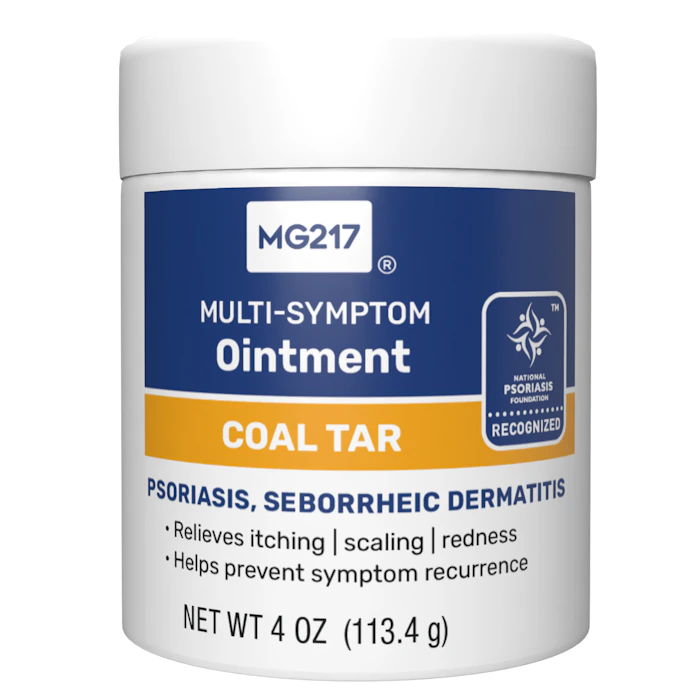
MG217 Medicated Multi-Symptom Coal Tar Ointment
Coal tar is the only non-prescription active that works by slowing the excessive skin-cell turnover behind psoriasis, which helps bring down scaling, itching, and inflammation. The moisturizing ointment base locks in moisture while it works.
- Best for: thick scale, itch, and mild to moderate plaques
- Active: coal tar in a moisturizing ointment base
- Watch-out: tar smell, can stain fabric, and may sting cracked skin
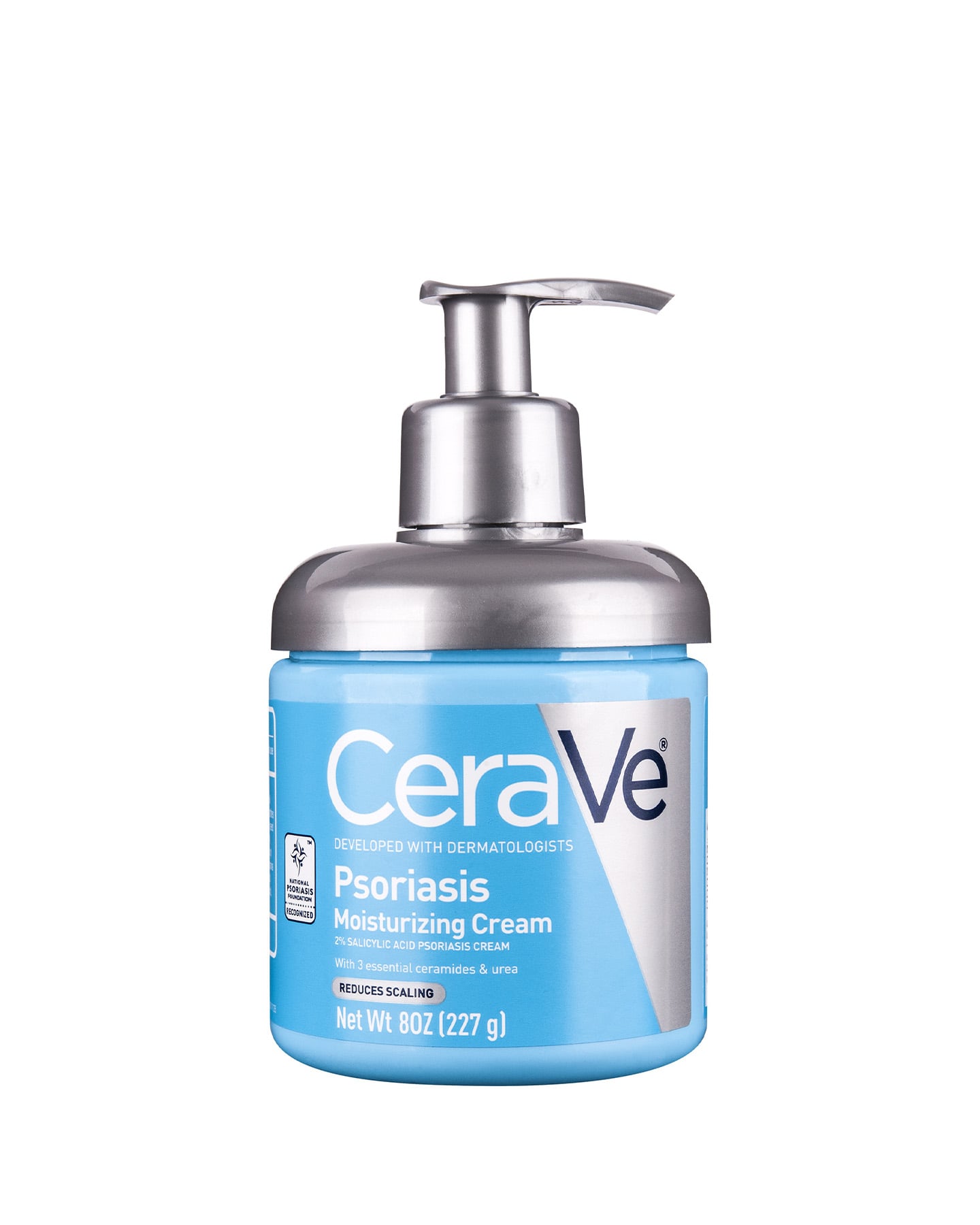
CeraVe Psoriasis Moisturizing Cream
One of the more practical pharmacy options because it pairs psoriasis-focused actives with daily barrier support, so it works as both a treatment and a maintenance cream. Easy to find and easy to repurchase, which matters for a long-term condition.
- Best for: daily plaque care, dryness, and maintenance
- Key: salicylic acid plus urea and ceramides
- Watch-out: can be too active on cracked or stinging skin
BioVelvet Recovery Cream
Not a traditional medicated psoriasis cream. It is better thought of as a supportive recovery layer for skin worn down by repeated cycles of dryness, irritation, and treatment. Built around deer antler velvet extract alongside hyaluronic acid, aloe vera, vitamin E, and shea butter.
- Best for: post-flare skin, fragile dry plaques, and areas that crack easily
- Petroleum-free recovery support, steroid-sparing under medical guidance
- Watch-out: not a replacement for prescription care during severe flares
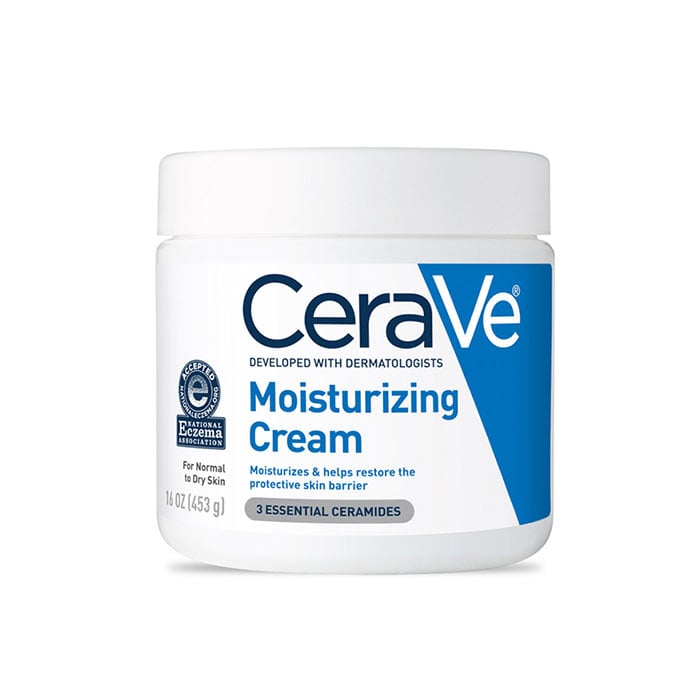
CeraVe Moisturizing Cream
A simple ceramide-led barrier cream for everyday moisture support between flares. Not medicated for psoriasis itself, but useful for keeping the barrier comfortable so plaques feel less tight.
- Best for: daily moisture support between flares
- Key: three ceramides plus hyaluronic acid and MVE delivery
- Watch-out: not a psoriasis medication
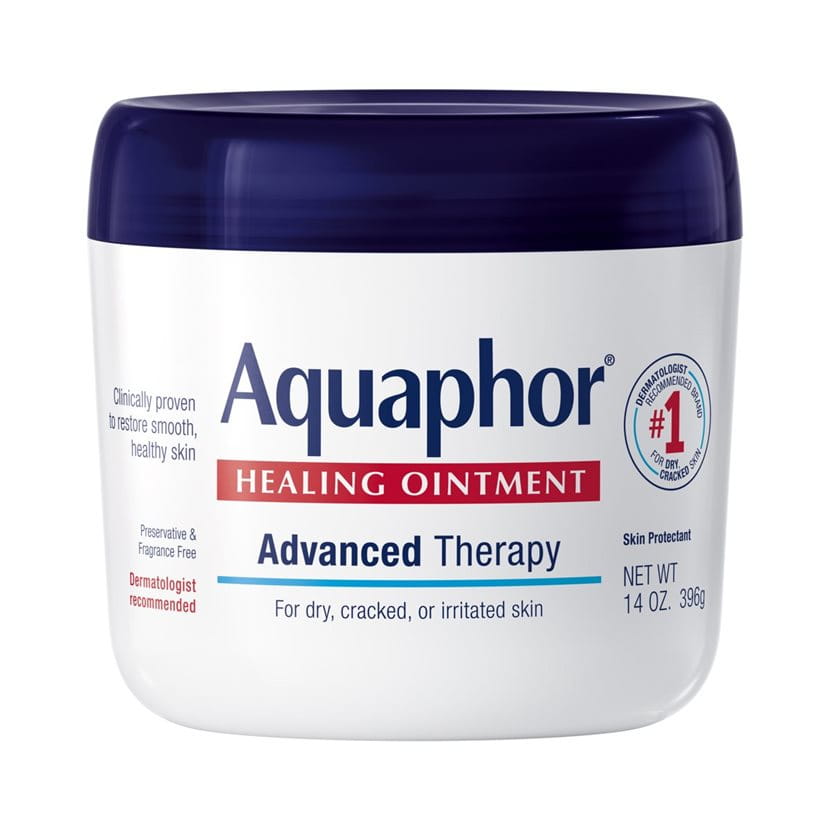
Aquaphor Healing Ointment
When creams are simply not occlusive enough, a petrolatum ointment seals in moisture and protects plaques that crack and split. Better for stubborn spots than for large daytime coverage.
- Best for: elbows, knees, heels, and cracked plaques
- Key: petrolatum-based occlusive with panthenol and glycerin
- Watch-out: greasy feel and not medicated for psoriasis

Dermarest Psoriasis Medicated Shampoo + Conditioner
Scalp psoriasis needs a format that gets through hair, which body creams cannot do well. This medicated shampoo helps soften and lift scalp scale during washing.
- Best for: scalp scale, flaking, and buildup
- Active: salicylic acid
- Watch-out: can dry the hairline if overused; severe scalp psoriasis may still need prescription care
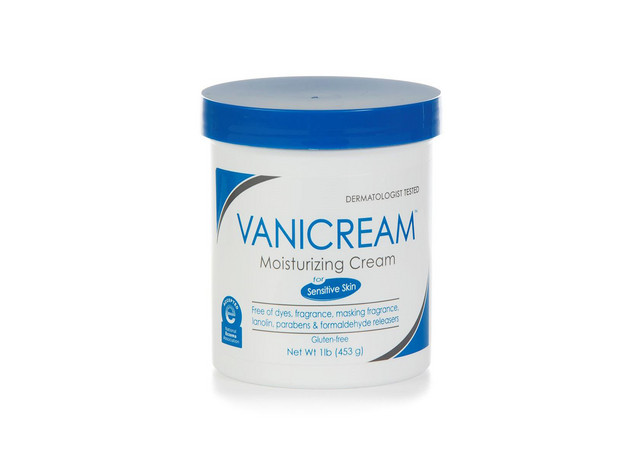
Vanicream Moisturizing Cream
A low-irritation option when psoriasis overlaps with sensitive or eczema-prone skin. Fragrance-free, dye-free, and stripped of common irritants, so it is easier to tolerate on reactive skin.
- Best for: reactive skin that stings easily
- Key: petrolatum and glycerin, free of fragrance, dyes, lanolin, and parabens
- Watch-out: not medicated, may need pairing with a targeted treatment
Living Collagen · 50+ Bio-Active Compounds · Aloe Vera · Dead Sea Minerals
BioVelvet Recovery Cream
Petroleum-free barrier support for dry, fragile, or healing skin. 90-day money-back guarantee.
How to Choose the Best Cream for Psoriasis Over the Counter
A useful decision framework starts with the main symptom, not the brand.
- Thick scale: look first at salicylic-acid or other keratolytic products
- Cracking dryness and tightness: look at richer creams and ointments
- Itch and inflammation: consider short-term OTC hydrocortisone if appropriate, but know its limits
- Scalp involvement: choose a lotion, liquid, or scalp-specific product
- Sensitive skin: keep the formula simple and fragrance-free
Packaging language can also be misleading.
- "Medicated" usually means it contains an active ingredient like salicylic acid, coal tar, or hydrocortisone
- "Maximum strength" does not necessarily mean best for your skin; it may simply mean stronger irritation risk
- "Fragrance-free" is often worth prioritising
- "Non-greasy" may feel nicer, but very dry plaques often respond better to richer textures
Patch testing still matters, especially if your skin is cracked or reactive. Apply a small amount to one area first. In the first one to two weeks, most people are looking for early changes in comfort: less tightness, less itching, softer scale, and fewer areas splitting open. Visible plaque improvement usually takes longer.
If Your Main Problem Is Thick Scale
Start with salicylic-acid or other scale-softening products. Thick buildup can block later moisturizing steps from doing much. Softening scale first often makes the rest of the routine more effective.
If Your Main Problem Is Cracking, Dryness, and Tightness
Look to richer barrier creams and ointments. These may not directly calm inflammation, but they can make plaques much more comfortable and reduce the cycle of cracking and re-drying.
If Your Main Problem Is Itch and Inflammation
Short-term hydrocortisone may help some mild cases over the counter. But persistent, severe, or repeatedly returning inflammation is a sign to involve a dermatologist rather than just stepping up self-treatment.
Realistic Expectations: What a Psoriasis Cream Can and Cannot Do
No cream can permanently cure psoriasis. Any product that implies otherwise deserves caution.
What creams can do is still meaningful:
- reduce tightness
- soften scale
- lower moisture loss
- make plaques more comfortable
- support maintenance between worse periods
Timelines matter too. Itch and dryness may improve within days. Visible plaque changes usually take longer and often depend on consistent use, trigger management, and sometimes prescription treatment alongside supportive care.
Topical creams also have a clear ceiling. They cannot replace medical treatment for:
- severe or widespread psoriasis
- infected plaques
- major scalp buildup that is not improving
- nail psoriasis
- possible psoriatic arthritis
- pain severe enough to affect sleep or daily life
Signs You Need More Than an OTC Psoriasis Cream
Seek medical review if you have:
- bleeding plaques
- signs of infection
- severe pain
- sleep disruption from itching
- scalp buildup not improving
- nail changes
- joint pain, swelling, or stiffness
- rapidly worsening or widespread symptoms
How to Use Psoriasis Creams More Effectively
A few habits make topical care work better:
- cleanse gently
- apply cream after bathing, while skin is still slightly damp
- do not scrub plaques aggressively
- stay consistent rather than switching products too fast
- use sunscreen on exposed healing areas, especially if plaques are settling and the skin is left vulnerable
Ready to try?
BioVelvet Recovery Cream
Built for skin that is dry, fragile, or still settling. Deer antler velvet paired with hyaluronic acid, aloe vera, and shea butter - designed to support barrier recovery, not just moisture.
FAQ
What is the best cream for psoriasis over the counter?
For many people, the best over-the-counter psoriasis cream is one matched to the main symptom. Salicylic-acid creams are often the most useful for thick scale. Barrier creams help more with dryness and cracking. If you want a practical all-round pharmacy option, a medicated cream like CeraVe Psoriasis Moisturizing Cream is a reasonable place to start.
Can psoriasis cream permanently cure psoriasis?
No. Psoriasis creams can help manage symptoms, improve comfort, soften plaques, and support maintenance, but they do not permanently cure psoriasis.
Is CeraVe psoriasis cream good for daily use?
It can be, especially for people who want a pharmacy-available cream that combines scale-softening support with barrier care. But if your skin is very cracked or reactive, even useful active ingredients can sting, so it may be better to rotate with a simpler barrier cream.
What psoriasis ointment name should I look for at the drugstore?
Look first for the active ingredient rather than the name alone. Common useful drugstore options include products with salicylic acid, coal tar, or hydrocortisone, depending on whether your main issue is scale, itch, or inflammation. For very dry plaques, a petrolatum-based ointment can also help even if it is not marketed specifically for psoriasis.
When should I see a doctor instead of trying another psoriasis cream?
See a doctor if plaques are widespread, painful, bleeding, infected, not responding to OTC care, disturbing sleep, affecting the scalp or nails significantly, or if you have joint pain or stiffness that could suggest psoriatic arthritis.