
Best Cream for Dermatitis: What Actually Helps, What to Avoid, and How to Choose
"Best cream for dermatitis" sounds like it should have one clear answer. It usually doesn't.
Dermatitis is not one single problem. The right cream depends on whether you are dealing with eczema, contact dermatitis, seborrheic dermatitis, facial irritation, or severely dry cracked skin that people loosely call dermatitis. Even when people use dermatitis and eczema interchangeably, the cream choice still changes based on where the rash is, how inflamed it is, what triggered it, and whether the skin is actively flaring or trying to recover.
That is why no cream is best for every case. The real goal is simpler: match the formula to the skin in front of you right now.
The main types of dermatitis people are usually trying to treat
Atopic dermatitis
This is what most people mean by eczema: itchy, dry, inflamed skin that tends to flare and settle in cycles.
Contact dermatitis
This happens when skin reacts to something it touched, like fragrance, nickel, cleaning products, adhesives, or certain plants.
Seborrheic dermatitis
Usually shows up around the scalp, eyebrows, sides of the nose, ears, or beard area. It tends to look flaky, greasy, red, or irritated.
Hand dermatitis
Often caused by repeated washing, cold weather, cleaning products, or work exposure. The skin gets cracked, tight, sore, and hard to keep sealed.
Facial dermatitis
This needs extra care because facial skin is thinner, more reactive, and more visible. Products that are fine on elbows can be too heavy or irritating here.
What people usually mean when they say a cream "works"
In real life, a dermatitis cream is working if it does some combination of these:
- reduces itching
- takes down stinging or burning
- softens cracks and rough patches
- calms redness
- helps the skin barrier recover
- makes repeat flares less frequent or less intense
That is a much more useful definition than "best."
How to Choose the Best Cream for Dermatitis Based on Your Skin Right Now
The most useful way to choose a dermatitis cream is by phase: flare, maintenance, or recovery. A cream that feels great during recovery may sting during an active flare. A thick ointment that protects cracked hands may feel unbearable on the face.
What matters most in a dermatitis cream is usually not branding. It is this:
- low-irritation formula
- strong barrier support
- enough occlusion to hold moisture in
- ingredients that calm skin instead of perfuming it
The deal-breakers are also familiar if you have been through this before: fragrance, essential oils, harsh preservatives, alcohol-heavy formulas, and textures that feel comforting for five minutes but disappear fast.
If your skin is in an active flare
During an active flare, I reach for the plainest options first. This is not the time for exfoliants, retinoids, vitamin C, acids, or heavily fragranced "repair" products.
What usually helps most:
- fragrance-free barrier creams
- petrolatum-based ointments for sealing
- very simple formulas with minimal sting risk
If the skin is red, hot, cracked, or reactive, bland is often better than ambitious.
If your skin is calm but keeps relapsing
This is where daily maintenance matters. The goal is not dramatic relief. It is keeping the barrier stable enough that the next flare is less likely.
Daily maintenance creams usually do best when they:
- are easy enough to use consistently
- survive handwashing or dry indoor heat reasonably well
- do not sting on slightly compromised skin
- support the barrier without feeling like grease armor all day
If the skin is healing but still fragile
This is where recovery-focused creams make sense. Post-flare skin, post-irritation skin, cracked winter skin, slow-healing patches, and skin that feels thin or easily re-triggered often need more than basic moisturising.
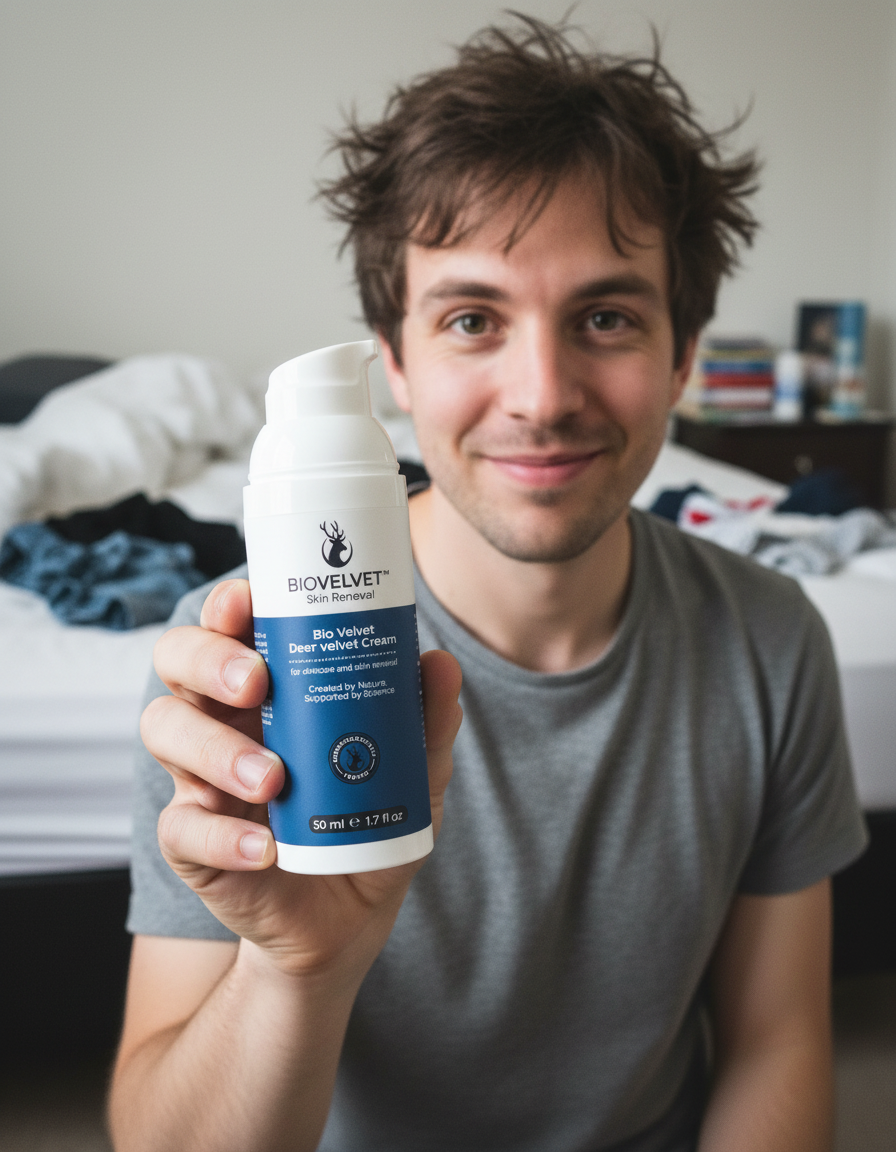
This is also the category where a cream like BioVelvet Recovery Cream fits best: not as a universal dermatitis cream, but as a recovery option for fragile, chronically irritated, or slow-to-bounce-back skin that needs calming and repair support together.
The Main Types of Dermatitis Creams - and Which Situations They Fit Best
People usually shop across the same small group of options: ointments, barrier creams, itch-focused creams, short-term steroid creams, and recovery creams.
The trade-offs matter. Some formulas are excellent on paper but too greasy for daytime. Some are face-friendly but too light for hand dermatitis. Some stop itch quickly but are not what you want as daily long-term care.
Which type of cream fits which dermatitis situation
| Product or Product Type | Best For | Texture | Strengths | Limits | Face Friendly | Notes from Use |
|---|---|---|---|---|---|---|
| Vaseline | Cracked skin, overnight sealing, windburned patches | Very greasy ointment | Excellent at sealing moisture and protecting cracks | No calming ingredients; can feel too heavy | Sometimes | Best over damp skin at night or on hands; too occlusive for some faces |
| Aquaphor Healing Ointment | Dry patches, hand dermatitis, sealing over cream | Greasy ointment | Strong moisture seal, useful for raw hands and winter flares | Can feel sticky under clothing; not everyone tolerates lanolin well | Sometimes | Lasts longer than many creams after washing |
| CeraVe Moisturizing Cream | Daily barrier support, body eczema-prone skin | Rich cream | Good barrier support, widely tolerated, practical for maintenance | Can still feel too rich on some faces; not enough for severe cracking alone | Usually | One of the better all-round maintenance creams |
| Vanicream Moisturizing Cream | Highly reactive or allergy-prone skin | Plain medium-rich cream | Minimal formula, low-irritation, useful when everything stings | Not especially soothing beyond barrier support | Yes | Good default choice when you need to simplify |
| Aveeno Eczema Therapy | Itch-prone dry skin, mild eczema support | Cream | Often calming on itchy dry skin, comfortable daily texture | Not enough for severe fissures or very raw flares | Usually | Easier to stick with than ointments for daytime |
| Hydrocortisone 1% cream | Mild short-term flare control | Light cream | Can reduce inflammation and itch during mild flares | Not a daily moisturiser; not for long-term routine use without guidance | With caution | Useful short term, especially on body; extra caution on face |
| BioVelvet Recovery Cream | Recovery-phase dermatitis, fragile post-flare skin, chronic dry irritated patches, skin needing calming plus repair support | Rich recovery cream | Combines deer antler velvet, hyaluronic acid, aloe vera, vitamin E, and shea butter to support recovery and barrier comfort | Price makes full-body daily use less practical; not the first pick for large-area sealing | Yes, patch test first | Best used where skin is fragile, repeatedly irritated, or slow to recover rather than as a basic all-over moisturiser |
Hydrocortisone cream for eczema and dermatitis: where it helps, where it does not
Low-potency hydrocortisone can help with short-term inflammation, especially during mild eczema or dermatitis flares. It has a clear role. But it is not a moisturiser, and it should not be treated like routine daily skin maintenance for months at a time.
That distinction matters. Hydrocortisone helps calm inflammation. Barrier creams help the skin stay intact between flares. Those are related jobs, but they are not the same job.
If you are reaching for hydrocortisone constantly, that usually means it is time to reassess the trigger, the routine, or the need for medical advice.
Best cream for dermatitis on face
Facial dermatitis needs a lighter hand. The skin is thinner, products migrate more easily into the eyes, and irritation is harder to hide.
What usually works best on the face:
- low-irritation, fragrance-free creams
- lighter barrier creams for daytime
- very small amounts of ointment only where needed
- extra caution with steroid use
A thick occlusive can help some people on flaky facial patches. For others it causes congestion, heat, or a heavy coated feeling they cannot tolerate. This is where Vanicream or a lighter barrier cream often wins on usability.
If you are using steroids on the face, be careful and follow medical guidance. Facial skin is not the place for casual long-term steroid use.
Best cream for eczema itching vs best cream for barrier repair
People often shop for itch relief when what they really need is barrier repair.
Fast itch relief usually comes from:
- hydrocortisone during a mild flare
- colloidal oatmeal-style soothing creams
- thick sealing ointments that reduce exposure and dryness
Barrier repair usually comes from:
- consistent daily cream use
- sealing in moisture after washing
- avoiding triggers that keep re-irritating the area
- using recovery-focused products during the fragile post-flare phase
Short version: a cream can stop the itch for tonight and still be the wrong cream for the next three weeks.
My Practical Comparison: Which Cream I'd Reach For in Different Dermatitis Scenarios
Having used all of these types, the biggest difference in real life is not just ingredient lists. It is whether I will actually keep using the product.
Some creams are technically solid but get abandoned because they are too greasy for daytime, too weak on cracked hands, too expensive for full-body use, or unpleasant under clothes or makeup.
Aquaphor and Vaseline work because they stay put. That is also why people quit them. CeraVe is easy to live with, which matters more than many people admit. Vanicream is the one I fall back on when skin is reactive and I want fewer variables. Aveeno tends to feel more immediately comforting on itch-prone dryness. BioVelvet fits a narrower but real use case: skin that is no longer in full flare but still feels fragile, repeatedly irritated, or slow to recover.
Best picks by symptom, body area, and user need
| Situation | What I'd Reach For First | Why | Main Trade-Off |
|---|---|---|---|
| Best for face dermatitis | Vanicream Moisturizing Cream | Simple, low-irritation, easier to tolerate on thin facial skin | May be too plain for severely dry patches |
| Best for hand dermatitis | Aquaphor Healing Ointment | Holds up better on cracked hands and after repeated washing | Greasy, sticky, awkward in daytime |
| Best for overnight sealing | Vaseline | Best pure seal for moisture loss overnight | No extra soothing ingredients |
| Best for itching | Aveeno Eczema Therapy or short-term hydrocortisone 1% depending on severity | One comforts dry itch; one reduces mild inflammation | Hydrocortisone is not for long-term daily use |
| Best for reactive skin | Vanicream Moisturizing Cream | Fewer common irritants, good when skin rejects everything | Not the richest recovery feel |
| Best steroid-free maintenance option | CeraVe Moisturizing Cream | Practical for regular use on body and dry-prone skin | Can be too heavy for some faces, too light for cracks |
| Best for recovery after a flare | BioVelvet Recovery Cream | Useful when skin is calmer but still fragile, tight, and slow to bounce back | Better for targeted use than head-to-toe use |
| Best when skin feels thin, fragile, or slow to recover | BioVelvet Recovery Cream | Recovery-focused feel with deer antler velvet, aloe, hyaluronic acid, vitamin E, and shea butter | Cost makes it more of a focused-use product |
What I would actually use for common situations
Raw hand dermatitis
Cream first, ointment on top. If the hands are split or constantly washed, ointments outperform lighter creams.
Eyelid or facial dermatitis
Go bland and minimal. Vanicream-type formulas make more sense here than rich fragranced creams. Be very cautious with steroids around the eyes.
Winter flares
I usually need both a maintenance cream and an ointment. One for daytime wearability, one for nighttime sealing.
Post-rash peeling
This is often where recovery creams fit best. Once the heat and active inflammation are settling, a product like BioVelvet can make more sense than just adding another standard moisturiser.
Child or older-adult skin
Simple, low-irritation formulas first. Older skin often needs more sealing. For children, keep the routine plain and check with a clinician when in doubt.
Skin already irritated by too many actives
Stop trying to treat everything at once. Strip the routine back. Gentle cleanse, plain barrier cream, then add anything else slowly.
What a Dermatitis Cream Can Realistically Do - and When You Need Something More
Even the best cream for dermatitis can only do so much. A good one can reduce itching, dryness, scaling, and irritation. It can help the skin barrier recover. It can make flares more manageable.
What it cannot do is cure chronic dermatitis, erase every trigger, or replace medical care when symptoms are severe.
Over-the-counter care has probably reached its limit if you are dealing with:
- infection
- oozing or crusting
- itch severe enough to disrupt sleep
- widespread rash
- worsening facial dermatitis
- repeated flares that keep returning despite careful skincare
When prescription treatment enters the picture
If over-the-counter creams stop being enough, a clinician may mention:
- stronger topical steroids for short-term inflammation control
- tacrolimus or pimecrolimus, which are non-steroid anti-inflammatory creams often used in sensitive areas
- PDE4 creams, another non-steroid prescription option for inflammation
- newer non-steroid anti-inflammatory creams for certain eczema cases
These are not shopping recommendations. They are part of the treatment landscape, and they exist for a reason.
What no cream can do
No cream can replace medical treatment for:
- infected dermatitis
- severe psoriasis mistaken for eczema
- untreated allergy triggers
- deep second- or third-degree burns
That is not failure. It is just the limit of what a topical over-the-counter cream can realistically do.
How to Get Better Results From Any Dermatitis Cream
Small application habits make a bigger difference than people expect.
- Apply cream to slightly damp skin
- Use more than you think you need
- Reapply after washing hands
- Patch test new products first
- Keep the rest of the routine minimal during flares
Use cream when you need something wearable and repeatable. Use ointment when sealing power matters more than cosmetic feel.
If you have a prescribed treatment, pair it with barrier care rather than dropping one for the other on your own. Prescription anti-inflammatory treatment and supportive moisturising often work together.
A simple dermatitis routine that most irritated skin can tolerate
- Cleanse gently or just rinse with lukewarm water if cleanser stings
- Apply treatment only if prescribed or chosen for a short-term purpose, such as hydrocortisone for a mild flare
- Seal with the appropriate cream or ointment for that area
- Use SPF in the morning on exposed healing skin
That is enough for many people during a flare. More products usually means more variables.
How long to give a cream before deciding it is not for you
Some benefits show up quickly. Tightness and dryness may improve within a day or two. Barrier improvement usually takes longer: days to a few weeks of consistent use.
Stop sooner if a product:
- burns beyond a brief mild tingle
- triggers a new rash
- clearly worsens redness or itching
- makes the area feel hotter, more reactive, or more inflamed
The best choice usually comes down to this:
- face vs body
- active flare vs recovery
- itch relief vs barrier repair
- short-term steroid need vs long-term maintenance
If your skin is in a full flare, go simpler. If it is calmer but fragile, recovery support matters more. If it is just chronically dry and relapse-prone, choose the cream you will actually use every day.
FAQ
What is the best cream for dermatitis on the face?
Usually a low-irritation, fragrance-free cream is the safest place to start. Vanicream-style formulas tend to work well because they are simple and less likely to sting. Heavy ointments can help flaky patches, but some people find them too occlusive on the face. Steroid use on the face needs extra caution.
Does hydrocortisone cream help eczema and dermatitis?
Yes, low-potency hydrocortisone can help mild short-term inflammation and itching. But it is not a daily moisturiser and should not be treated like routine long-term skin maintenance. If you keep needing it, it is worth reassessing the trigger or speaking with a clinician.
What is the best cream for eczema itching?
For itch alone, colloidal oatmeal creams and short-term hydrocortisone can help, depending on severity. If the itch is being driven by dryness and barrier damage, thick creams or ointments may help more over time than chasing symptom relief alone.
When should I use a recovery cream instead of a basic moisturiser for dermatitis?
Use a recovery cream when the skin is no longer in peak flare but still feels fragile, repeatedly irritated, cracked, slow to heal, or not fully bouncing back. This is where a product like BioVelvet Recovery Cream fits better than a basic moisturiser: post-flare, post-irritation, chronic dry patches, or skin that needs support beyond simple hydration.
What prescription cream names are used for eczema if over-the-counter creams stop helping?
Common prescription categories include stronger topical steroids, tacrolimus, pimecrolimus, PDE4 creams, and newer non-steroid anti-inflammatory creams. Which one is appropriate depends on the area involved, the severity, and how often the dermatitis is flaring.
Read more
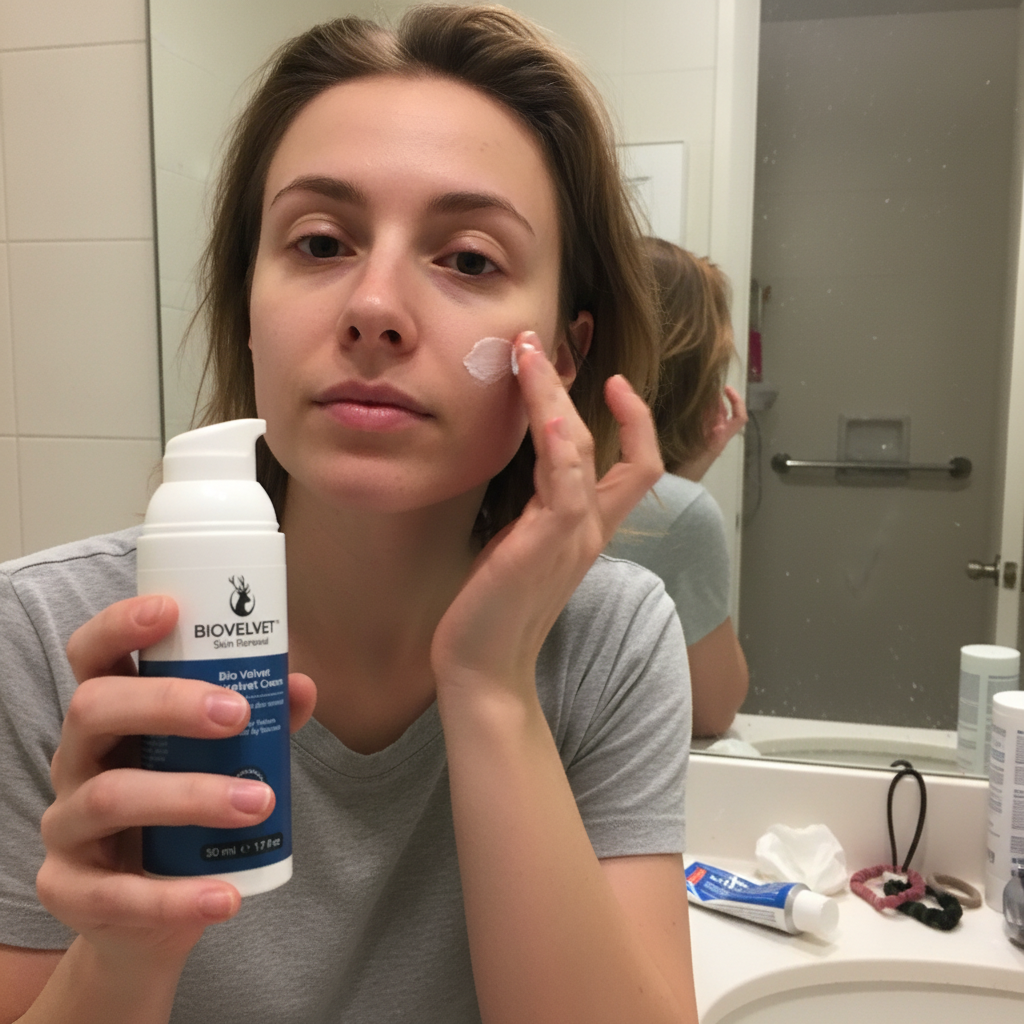
Learn what eczema on face looks like, common triggers, treatment options, and a gentle daily routine to calm flares and protect fragile skin.
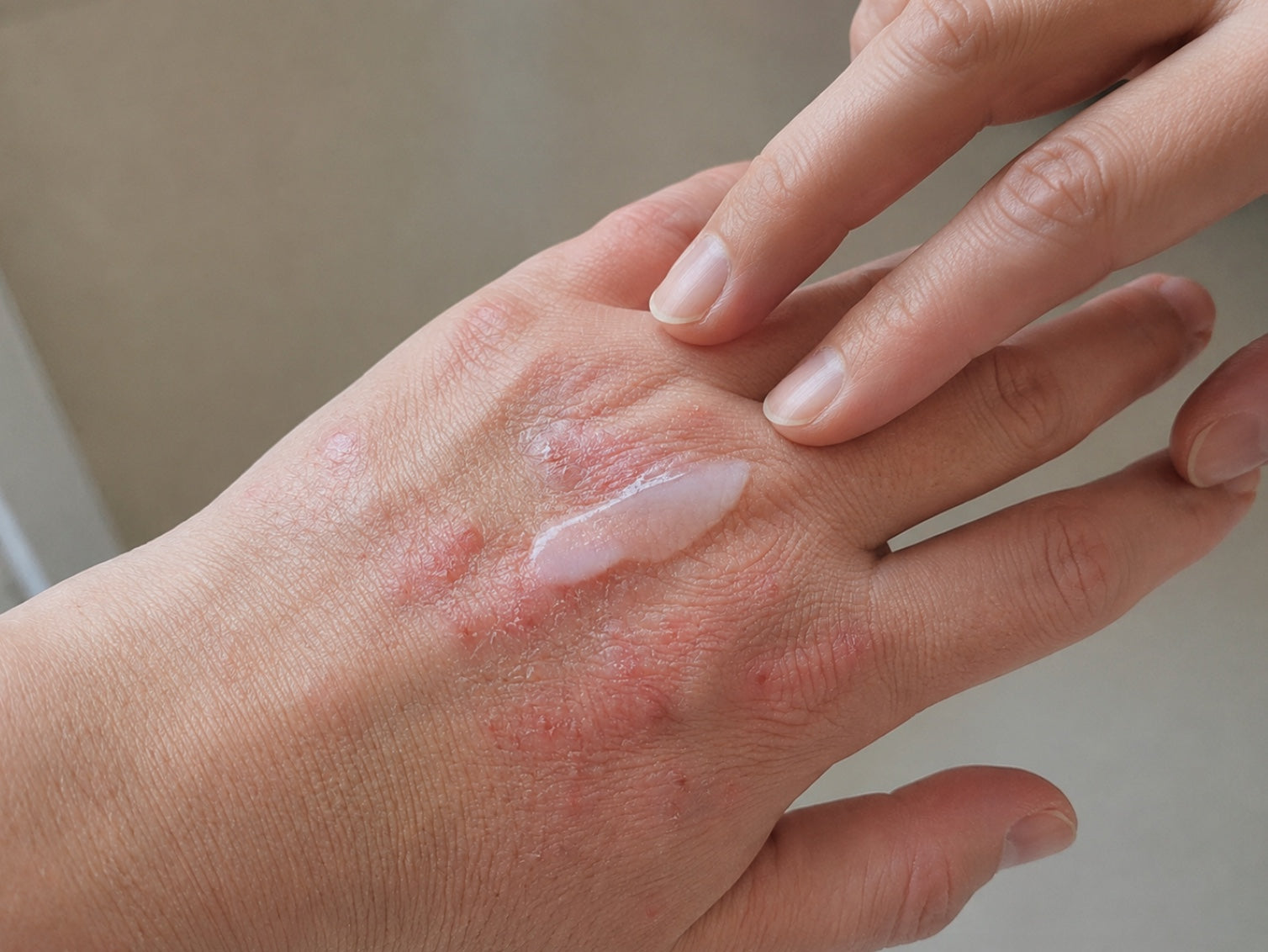
We compare popular anti-itch creams by active ingredient, format, price, and best use case so you can pick the right one for your skin.
