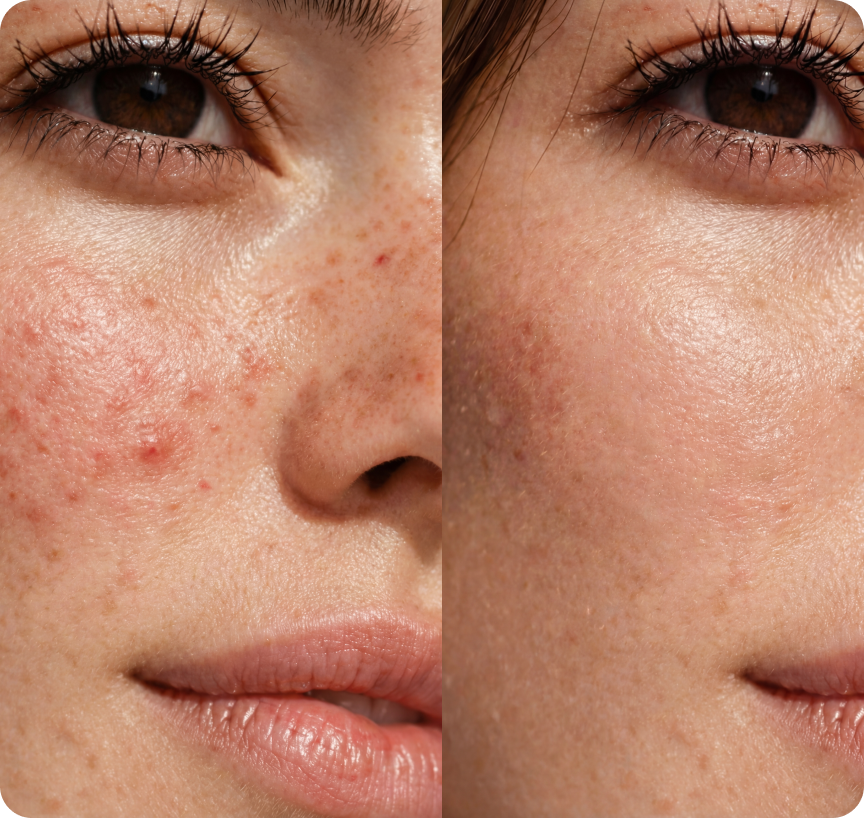
Scar products compared
ScarAway vs Mederma vs BioVelvet.
Silicone scar management, a drugstore gel, and a recovery cream, and which one fits your scar.
Shop BioVelvet →How to compare ScarAway vs Mederma vs BioVelvet without wasting time or money
Most people searching scaraway vs mederma vs biovelvet are not casually browsing skincare. They are trying to deal with a real scar: a C-section line that still feels tight, a surgery scar that stays red, a burn mark that has not settled well, or an injury scar that looks and feels more active than expected.
The first thing to know is that these three products are not really the same category.
- ScarAway is mainly a silicone-based scar care brand, best known for silicone sheets and silicone gel
- Mederma is a scar gel and cream brand, often chosen by people who want a scar-specific topical without wearing sheets
- BioVelvet Recovery Cream is a recovery cream designed to support skin that is healing, dry, fragile, or reactive
That difference matters. The right choice depends on four things more than brand recognition:
- Scar type
- Scar age
- Skin sensitivity
- Your actual goal
For some people, the goal is flattening a raised scar. For others, it is softening, reducing tightness, easing itch, or supporting skin that still feels damaged around the scar area.
It also helps to set expectations early. No topical product can erase a scar completely. What good topical care can sometimes do is improve how a scar looks and feels over time: less raised, less stiff, less dry, less irritated, and often less noticeable. That usually takes consistent use over weeks to months, not a few days.
Who this guide is for
This guide is for someone dealing with:
- a surgical scar
- a C-section scar
- an injury scar
- a minor burn scar or burn mark
- a scar that feels red, raised, tight, itchy, or slow to settle
- healing skin after a procedure, where comfort and recovery support matter as much as appearance
The simple rule before the comparison
If you want the strongest evidence for improving the appearance of raised scars, especially newer surgical or hypertrophic scars, silicone is usually the starting point.
If your skin also needs comfort, moisture, calm, and broader recovery support, a recovery cream may matter too.
That is the core lens for this comparison: scar-specific management on one side, skin recovery support on the other.
Living Collagen · 50+ Bio-Active Compounds · Aloe Vera · Dead Sea Minerals
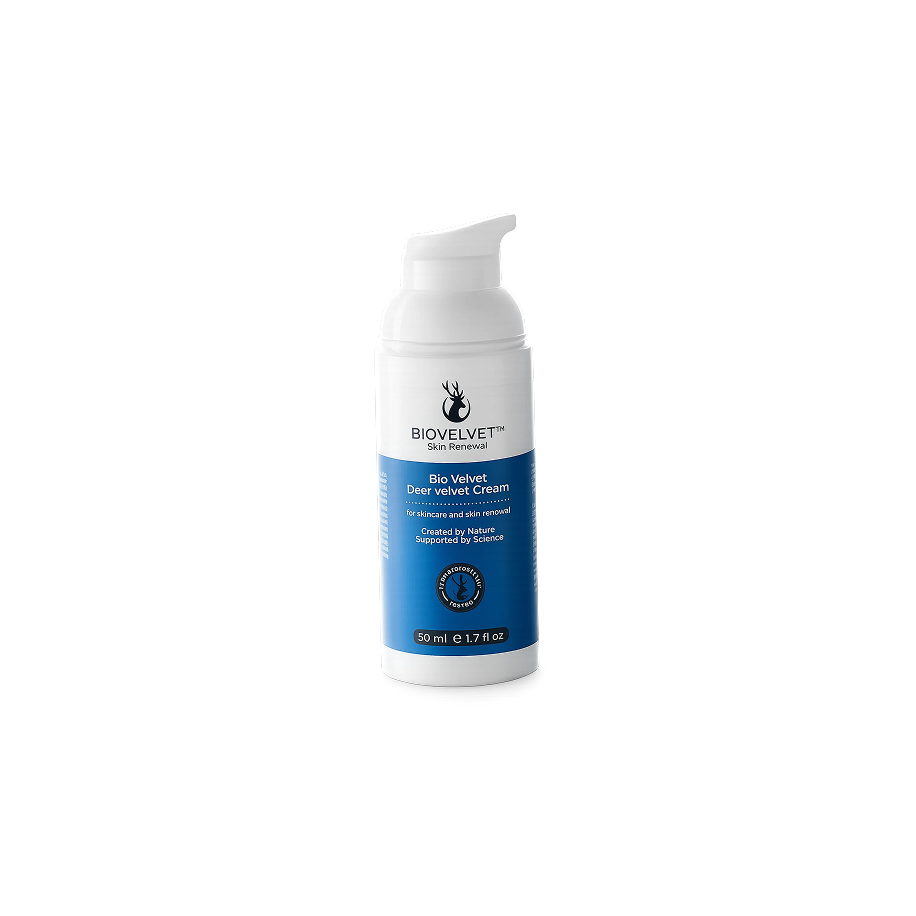
BioVelvet Recovery Cream
Petroleum-free recovery support for the fragile skin around a healing scar, backed by a 90-day money-back guarantee.
What scar products can realistically do - and what they cannot
Topical scar products can help with a few things reasonably well:
- keeping the area hydrated
- improving softness and flexibility
- reducing visible dryness
- easing itch or discomfort
- supporting a better healing environment
- improving the appearance of some raised scars over time
They do not all do these jobs equally well.
A new scar behaves differently from an older scar. A raised scar behaves differently from a flat mark. A scar that is still actively healing may need a different approach than one that has been present for a year.
Here is the short version people usually want.
Do scar creams actually work?
Sometimes, within limits. Silicone has the strongest support for improving the appearance of raised scars. Other topicals may help with hydration, comfort, and overall skin recovery, but they are not all backed by the same level of evidence for flattening scars.
How long does scar improvement take?
Usually weeks to months. Newer scars often respond better than older ones. Consistent use matters more than switching products every few days.
The ceiling matters too. Topicals cannot:
- remove a deep scar completely
- treat an infected wound
- replace medical care for a keloid
- fix severe scarring on their own
- safely manage a wound that has reopened or is worsening
Which scars respond best to over-the-counter topical care
The scars most likely to respond to over-the-counter topical care are:
- surgical scars
- C-section scars
- hypertrophic scars that stay within the original wound line but become raised
- minor burn scars
- post-procedure healing skin once the skin surface has closed and your clinician has cleared topical use
These are the situations where silicone products, scar gels, and recovery creams are most often considered.
When a scar needs medical review instead of another cream
A scar needs medical review if you notice:
- spreading redness
- warmth
- drainage or pus
- severe or increasing pain
- reopening
- fever or feeling unwell
- a scar growing beyond the original wound edges, which may suggest a true keloid
- ongoing worsening despite consistent care
That is not a “try another cream” situation.
ScarAway VS Mederma VS BioVelvet Overview
The easiest way to compare these three is to stop treating them like direct equivalents.
| Product | Type | Key ingredients | Best for |
|---|---|---|---|
| ScarAway | Silicone scar care (sheets or gel) | Silicone | Raised, fresh, or post-surgical scars; the evidence-first pick |
| Mederma | Scar gel / cream | Onion extract, allantoin | A familiar drugstore gel if you will not wear sheets |
| BioVelvet | Recovery cream | Deer antler velvet, hyaluronic acid, aloe vera, vitamin E, jojoba | Skin that feels tight, dry, reactive, or slow to settle |
This is not just brand vs brand. It is:
- silicone-focused scar management
- vs scar gel positioning
- vs recovery cream support
Practical factors matter too.
- Ease of use: gels and creams are simpler for some people than sheets
- Wearability: sheets can be awkward under certain clothes or on moving body areas
- Frequency: some formats require more routine discipline than others
- Sensitivity: not every scar area tolerates every product the same way
For beginners, Mederma may feel easiest to understand because it is a familiar scar gel format. For evidence-first scar management, ScarAway is usually the clearest starting point. BioVelvet is more situational, but useful when the problem is not just the scar's appearance - it is the surrounding skin's condition too.
ScarAway: where it fits best
ScarAway is best known for silicone sheets and silicone gel. That makes it a strong option when the goal is evidence-backed scar management for fresh scars, raised scars, and post-surgical scars.
If your priority is flattening, softening, and improving the look of an active raised scar, ScarAway usually makes the most sense as the first thing to consider.
Mederma: where it fits best
Mederma is widely recognized, easy to find, and often chosen by people who want a scar-specific gel rather than sheets. That matters because plenty of people know they will not wear silicone sheets consistently.
Its appeal is mostly practicality and familiarity. The evidence base is not the same as silicone's gold-standard position, but some readers prefer a gel they can rub in and move on from.
BioVelvet: where it fits best
BioVelvet Recovery Cream is better understood as a skin-recovery product for fragile, dry, sensitized, or healing skin.
Free of petroleum and lanolin, BioVelvet Recovery Cream is formulated to sit comfortably on skin that is already reactive or healing.
Its formula includes:
- deer antler velvet
- hyaluronic acid
- aloe vera
- vitamin E
- jojoba
That makes it more relevant when the scar area also feels tight, itchy, dry, reactive, or slow to settle, rather than when the only goal is flattening a raised scar as aggressively as possible.
Ingredients and evidence: what matters most in this comparison
If you strip away packaging and marketing, one thing matters most here: silicone has the strongest support for topical scar management, especially for raised surgical scars and hypertrophic scars.
That does not mean other products are useless. It means they should be judged for what they actually do.
Silicone works in plain terms by forming a protective layer over the scar. That helps the area stay hydrated and stable, which can improve texture, softness, and flattening over time.
Mederma and BioVelvet take different routes. One is a scar gel approach. The other is a recovery cream approach. Neither should be treated as the same evidence category as silicone for flattening raised scars.
Silicone: the ingredient with the strongest support
For newer raised scars, post-surgical scars, and hypertrophic scars, silicone is the topical ingredient with the strongest support in scar care.
That is why ScarAway so often leads this category. It is not because the brand is louder. It is because silicone is usually the first topical option clinicians and scar-care guides point to for raised scars.
If your scar is:
- fresh but closed
- raised
- firm
- still actively remodeling after surgery
silicone is usually the most evidence-based place to start.
What Mederma's formula is trying to do
Mederma is positioned around improving the appearance of scars with a gel-style product that many people find easier to use than sheets.
Its ingredient approach is different from silicone. Depending on the specific product, it may rely on ingredients such as onion extract and allantoin rather than a silicone-first system.
That does not automatically make it worse for every person. It does mean the product is solving a slightly different problem. For readers who strongly prefer a quick gel format, or who know they will never stick with sheets, Mederma may be the more realistic option even if it is not the theoretical first choice for raised scars.
Where deer antler velvet fits in scar recovery
Deer antler velvet is the ingredient that sets BioVelvet apart.
Peer-reviewed research on deer antler velvet suggests that it may support wound healing and reduced scar formation at the ingredient level. The reason it gets attention is simple: deer regenerate antler tissue remarkably quickly, and researchers have spent years looking at the biology behind that process.
That said, this point needs to be framed carefully. Research on deer antler velvet is ingredient-level evidence. It is not the same thing as independent clinical proof of BioVelvet's full formula for scar treatment.
So the fair position is this: deer antler velvet is an unusual and promising recovery ingredient, and the research around it is part of why BioVelvet is interesting. But BioVelvet should still be understood as a recovery cream supporting healing skin, not as a direct replacement for silicone in scar flattening.
Supportive ingredients that may matter for comfort and barrier recovery
BioVelvet's supporting ingredients matter most when the area feels uncomfortable as well as visible.
- Hyaluronic acid helps draw moisture into the skin
- Aloe vera helps calm and soothe
- Vitamin E supports barrier protection
- Jojoba helps seal in moisture and support dry, fragile skin
Those are not trivial benefits. A scar area that feels tight, dry, itchy, or reactive often needs more than a scar-specific claim. It needs a skin environment that feels calmer and more resilient.
That is where a recovery cream can make sense.
How to choose based on your scar type, skin type, and routine
This is the part most comparisons skip. The best product is not the one with the strongest claim on paper. It is the one that fits your scar, your skin, and the routine you will actually follow.
Best choice for surgical scars and C-section scars
For surgical scars and C-section scars, silicone-first usually makes the most sense, especially if the scar is newer and raised.
That points to ScarAway as the clearest starting option.
Where a recovery cream may help is around the broader experience of healing skin: dryness, tightness, fragility, or surrounding irritation once the wound has closed. In those cases, a product like BioVelvet may be useful as recovery support, separate from the scar-specific silicone phase.
Best choice for old scars
Older scars are usually slower to change, and results tend to be more modest no matter what product you choose.
That is worth saying clearly because old-scar marketing often becomes unrealistic. A topical may still improve softness, comfort, and the visible look of dryness or stiffness. But dramatic change is less likely than with a newer scar.
If the old scar is still raised, silicone may still be the most logical first option. If it is mostly flat but dry, tight, or reactive, recovery support may matter more.
Best choice for sensitive or reactive skin
Sensitive skin changes the equation.
Some people tolerate silicone very well. Others find certain scar gels more irritating, especially if they are fragranced or feel treatment-heavy. Patch testing matters with any new product, especially on healing or reactive skin.
For readers who are prone to stinging, dryness, or reactivity, a simpler recovery-oriented cream may feel easier to live with than a more aggressive scar-product format. That is where BioVelvet may appeal most, particularly if the main complaint is not “this scar is raised” but “this skin still feels damaged.”
Best choice if you will not use silicone sheets consistently
This is one of the biggest real-world gaps in scar care.
Silicone sheets work only if you actually wear them. If you know you will not keep them on, will not replace them properly, or will find them annoying under clothing or on high-movement areas, then the best theoretical option may not be your best practical option.
In that case:
- Mederma may be easier to stick with if you want a scar-focused gel
- ScarAway gel may be more practical than ScarAway sheets
- BioVelvet may fit best if comfort and recovery support are the bigger need than scar flattening
Consistency beats perfection.
Best choice for comfort, tightness, and skin that still feels damaged
This is where BioVelvet makes the most sense.
If the scar area feels:
- dry
- itchy
- tight
- fragile
- reactive
- slow to settle
then a recovery cream has a clear role. BioVelvet was built for skin that needs to recover, not just be moisturized. Its combination of deer antler velvet, hyaluronic acid, aloe vera, vitamin E, and jojoba is better understood as support for the recovery environment than as a direct scar-flattening system.
Cost, routine fit, and what you are really committing to
Shelf price matters, but scar care is really about treatment commitment.
A product that costs less upfront but requires constant reapplication, or that you stop using after five days because it annoys you, is not actually the cheaper option.
BioVelvet pricing is straightforward:
- $64.90 for a one-time purchase
- $54.87 per jar with a subscription, a 15% saving
- Covered by a 90-day money-back guarantee either way
ScarAway and Mederma pricing varies by format and retailer, so the better comparison is not just price per ounce. It is how long the product lasts and how easy it is to use properly.
What you actually pay for each format
- Silicone sheets: often more expensive over a full treatment period than people expect, because replacement and wear time matter
- Silicone gel: may spread cost out more evenly, but still requires consistent use
- Scar gels like Mederma: often feel affordable at the shelf, though repeated use over weeks adds up
- Recovery creams like BioVelvet: usually bought less as a scar-only product and more as support for ongoing skin recovery
So the real question is not only “Which costs less?” It is “Which format am I prepared to use correctly for long enough to matter?”
Which product is easiest to live with day to day
Day-to-day practicality often decides the winner.
- ScarAway sheets: strong routine structure, but can be awkward on joints, under tight clothing, or in hot weather
- ScarAway gel: more flexible than sheets, but still needs consistency
- Mederma: easy to apply, familiar, and simple for people who want a quick gel
- BioVelvet: cream texture, easy to layer into a recovery routine, likely the most natural fit if your skin already needs daily barrier support
Things to think about:
- adhesion
- drying time
- residue
- shine
- whether it rubs off under clothing
- whether you can use it under SPF or makeup
- whether movement at the scar site will make sheets impractical
Returns, buying friction, and trial risk
There is also a difference between trying a drugstore staple and ordering direct.
ScarAway and Mederma are widely available through common retailers, which lowers buying friction.
BioVelvet is sold direct in the US through biovelvet.com. It is backed by a 90-day money-back guarantee, so the trial risk stays low even though you are ordering direct rather than grabbing a tube off a drugstore shelf.
BioVelvet vs silicone at a glance
BioVelvet
- Supports the skin around the scar
- Daily hydration and comfort
- Pairs with silicone
- Petroleum-free and lanolin-free
Silicone
- Targets the scar tissue itself
- Evidence for raised scars
- Can feel tacky all day
- Use the two together
Bottom line: silicone works on the scar tissue; BioVelvet supports the recovering skin around it. They do more together than apart.
The verdict: which one should you choose?
There is no blanket winner because these products do not do the same job.
A calm way to think about it is this:
- ScarAway if you want the strongest scar-specific evidence, especially for fresh or raised scars
- Mederma if you want a familiar scar gel route and do not want to deal with sheets
- BioVelvet if your main concern is broader skin recovery support because the area feels dry, reactive, fragile, or slow to settle
Some people may also use these in sequence or combination. For example, a silicone product may be the main scar-treatment step, while a separate recovery cream helps support surrounding skin comfort once that phase is complete or around adjacent dry areas.
The most useful choice is usually the one that matches both the scar and the person using it.
If a scar is worsening, unusually painful, reopening, or growing beyond the original wound, that deserves clinician input rather than more product testing.
Choose ScarAway if...
Choose ScarAway if:
- your scar is newer or raised
- your goal is flattening and scar-specific management
- you want the most established topical option
- you are willing to be consistent with silicone sheets or gel
Choose Mederma if...
Choose Mederma if:
- you want a familiar, easy-to-find scar gel
- you know you will not use silicone sheets
- you prefer a quick apply-and-go format
- your priority is a scar-focused product rather than a recovery cream
Choose BioVelvet if...
Choose BioVelvet if:
- the skin around the scar feels damaged, dry, sensitized, or fragile
- comfort, softness, and recovery support matter as much as appearance
- your skin is reactive and needs a calmer recovery product
- you want a cream built around deer antler velvet and barrier-supporting ingredients, with the understanding that this is recovery support rather than silicone-level scar evidence
Ready to try?
BioVelvet Recovery Cream
Built for skin that is fragile or still healing around a scar. Deer antler velvet paired with hyaluronic acid, aloe vera, and vitamin E - recovery support that works alongside your scar routine.
FAQ
Is ScarAway or Mederma better for surgical scars?
For most newer surgical scars, ScarAway usually has the stronger case because silicone has the best support for improving the appearance of raised scars. Mederma may still appeal if you prefer a gel format and know you will not use sheets consistently.
Can BioVelvet help with scar recovery or is it only for dry skin?
BioVelvet is better understood as a recovery cream, not just a dry-skin cream. It may help support skin during scar recovery by improving moisture, comfort, and barrier support, especially when the area feels tight, reactive, or fragile. That is different from saying it is the strongest scar-flattening option.
What works better for old scars: silicone, Mederma, or BioVelvet?
Older scars are usually harder to change with any topical. If the scar is still raised, silicone is generally still the strongest starting point. If it is mostly flat but feels dry, stiff, or uncomfortable, a recovery cream like BioVelvet may be more relevant. Mederma sits in between as a scar-focused gel option.
How long does it take to see results from scar products?
Think in weeks to months, not days. Newer scars often respond faster than older scars. Consistent use matters more than switching between products too quickly.
Can you use BioVelvet with silicone scar sheets or gel?
In some routines, yes. A silicone product can be the primary scar-management step, while a recovery cream may help support surrounding skin or be used at a different time in the routine depending on the area and how your skin tolerates layering. If the scar is still under active post-surgical guidance, follow your clinician's instructions first.
Which scar product is best for sensitive skin?
That depends on what “sensitive” means in your case. If your skin mainly needs calm, moisture, and barrier support, BioVelvet may be the gentler fit. If the scar is raised and silicone is the main priority, silicone often still makes sense, but patch testing and comfort matter. Mederma may suit some people, but any scar product can irritate reactive skin, so start carefully.