Dry skin around the nose
Why dry skin around the nose flakes first
It is the highest-friction spot on your face. Sometimes that is all it is, and sometimes the flaking is telling you something else.
Shop BioVelvet →Dry skin around the nose: why it flakes before the rest of your face
Dry skin around the nose is usually friction plus exposure rather than a skincare failure. The folds beside the nostrils get rubbed by tissues, hands, glasses, masks and towels, and they catch every cleanser, acid and retinoid you use on the rest of your face. Add a cold or a week of indoor heating and the area can go from fine to peeling in about 2 days.
The awkward part is that this is also where several genuine skin conditions like to appear. So the same flaky patch can be plain dryness one month and something that needs a diagnosis the next.
Dry or dehydrated or a stressed barrier
These get used interchangeably and they describe different problems. Dry skin is not producing enough oil, so it feels rough and flakes. Dehydrated skin is short of water, feels tight, and happens on oily faces too. A stressed barrier is the outer layer not holding water properly, and that is the one that makes skin sting at products it used to tolerate.
Around the nose the third one is usually what turns a small dry patch into something red and persistent, which is also why cleansing harder makes it worse rather than better.
Petroleum-free · Non-greasy · Absorbs in
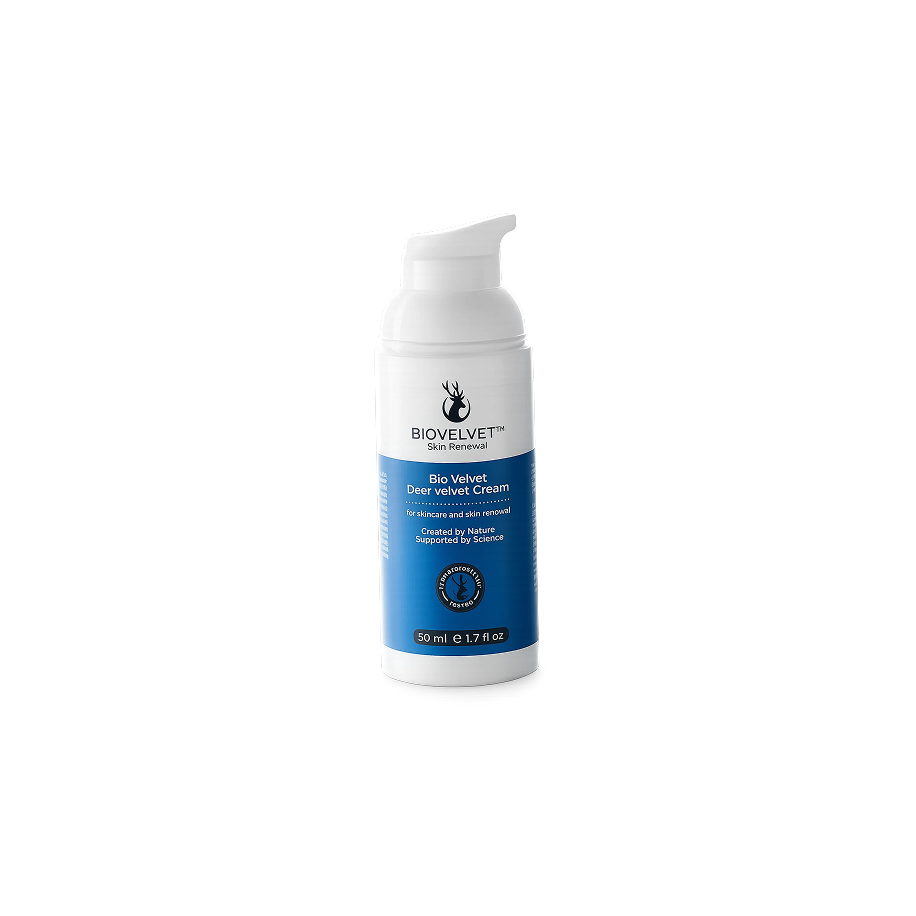
BioVelvet Recovery Cream
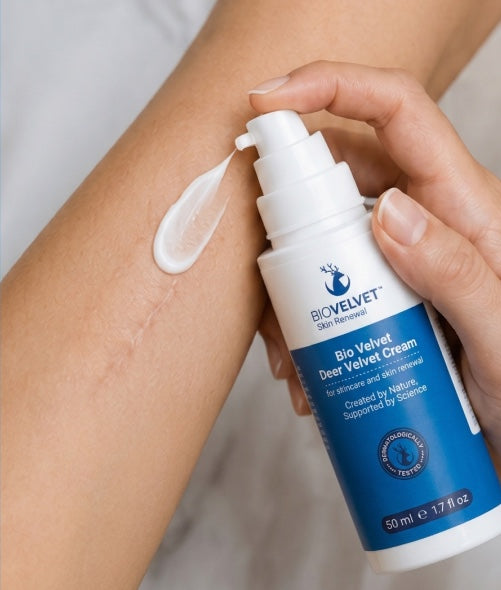
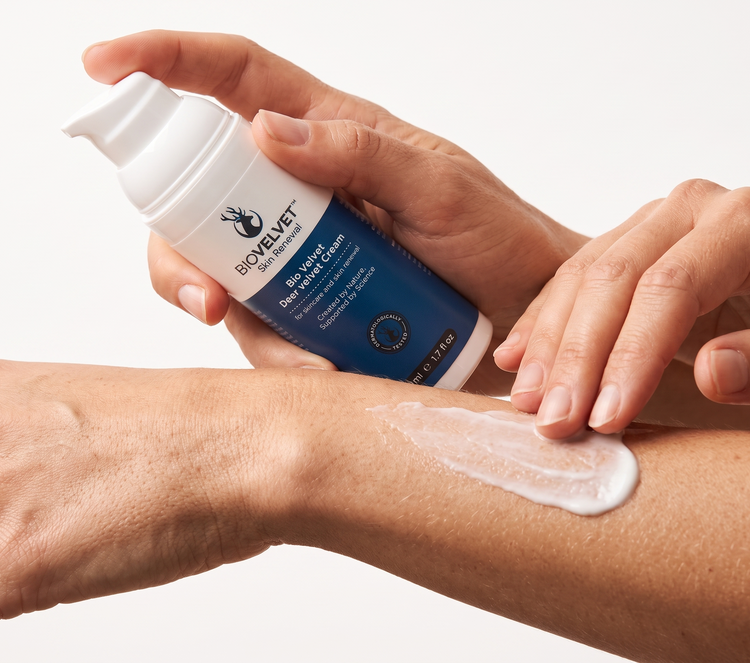
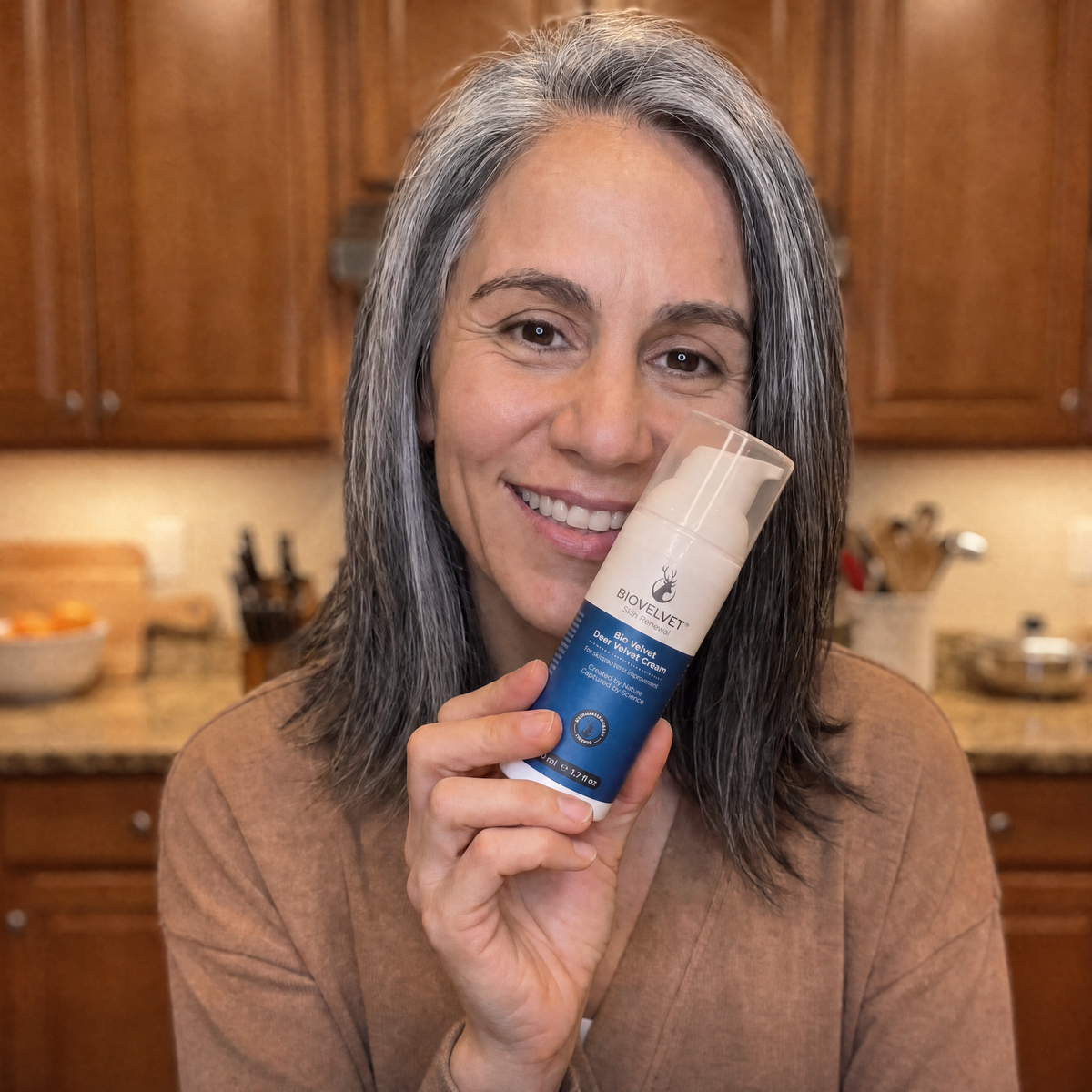
Calms flaking beside the nose and absorbs in, so there is no shine sitting on the most visible part of your face.
What is actually causing it
Most cases come from a handful of ordinary triggers, and people are usually running several at once without connecting them.
| Trigger | What it does to this spot |
|---|---|
| Colds and allergy season | Repeated wiping strips the surface faster than it rebuilds |
| Cold wind and indoor heating | Pulls water out of skin that is already thin here |
| Hot water and strong cleansers | Removes the oil the folds rely on |
| Acids, retinoids, benzoyl peroxide | Migrate into the creases, where the dose is effectively higher |
| Glasses, masks, scrubs | Constant friction on skin that never gets to settle |
When it is not dryness
This is the part worth taking seriously, because the sides of the nose are a favourite location for conditions that look like dryness and do not respond to it.
Seborrheic dermatitis sits in the folds beside the nostrils with redness and a slightly greasy scale, and it comes back. Contact dermatitis is a reaction to something touching the skin, often fragrance, essential oils, or an acne product creeping across. Perioral dermatitis usually starts around the mouth and spreads, bringing small bumps and burning rather than clean flaking. Eczema brings itch and cracking that recurs.
It started after a cold, a cold snap, or a new active. It is flaky rather than bumpy. It does not itch much. A week of gentle care visibly improves it, and it does not come straight back.
It keeps returning to the same exact spot. There is greasy scale in the folds, small bumps, or burning. It itches persistently, crusts yellow, oozes, or bleeds. A week of gentle care changes nothing.
A moisturiser makes the second column more comfortable and does not treat any of it. Layering richer products on a recurring patch for months is the most common way people delay a diagnosis that would have taken one appointment.
The week that usually settles it
If the first column describes you, strip the routine back and give it seven days. Rinse or cleanse gently with lukewarm water, apply your cream to skin that is still slightly damp, and add sunscreen if you are going out. At night, cleanse and reapply. That is the whole protocol.
While you do that, pause scrubs, exfoliating acids, retinoids, benzoyl peroxide near the area, anything fragranced, and anything that stings on contact. During a cold, dab rather than rub and reapply through the day, because reapplication matters more here than the product you choose.
If the skin improves, it was irritation. If seven plain days change nothing, stop treating it as dryness.
Choosing a cream for dry skin around the nose
What helps flaking anywhere helps here: humectants like glycerin and sodium hyaluronate to pull water in, soothing ingredients to settle the surface, and something emollient so the flakes stop catching the light. Ceramides are a reasonable option, and so is a petrolatum ointment on a corner that has actually split open. If the skin here reacts to most things you put on it, our guide to choosing a cream for sensitive skin works through that separately.
The complication is that this is the middle of your face. An ointment that leaves a visible shine is easy to apply at bedtime and quietly skipped at 8am, and a cream you reapply three times beats an ointment you used once. That is worth weighing more than the ingredient list.
Ointment or cream, on a spot people can see
Petrolatum ointment
- Best on a corner that has cracked open
- Cheap and everywhere
- Leaves a visible shine
- Rarely reapplied during the day
BioVelvet
- Absorbs in, no shine to hide
- Allantoin and bisabolol to soothe
- Glycerin and sodium hyaluronate for water
- Contains tea tree oil, patch test first
Split skin wants sealing, so use the ointment. Flaky, irritated skin wants soothing and reapplication, which is the job a lighter cream is built for.
Keeping it from coming back
Prevention here is mostly about friction rather than products. Cleanse gently, rub less, and keep actives a wider distance from the nostrils than feels necessary. In winter, use lukewarm water and apply cream promptly after washing. During a cold, softer tissues and dabbing do more than any cream can.
Once it settles, reintroduce stronger products one at a time. Calming this area down takes considerably longer than irritating it.
When to stop treating it yourself
Yellow or honey-coloured crusting, oozing, swelling, pain, a spreading rash, fever, or a patch that keeps coming back to the same spot. Also anything that never fully closes. None of those are dryness, and none of them are a moisturiser problem.
Ready to try?
BioVelvet Recovery Cream
Soothes flaky, irritated skin and absorbs straight in. Light enough to reapply beside your nose at any point in the day.
FAQ
Why is the skin around my nose dry when the rest of my face is oily?
Oil production and barrier condition are separate things. The nose area takes friction from wiping, cleansing, glasses and masks, so it can produce plenty of oil and still flake. Treating it as oily skin and cleansing harder usually makes it worse.
What kind of cream works best for dry skin around the nose?
One with minimal irritants and enough substance to stop the flaking, in a texture you will actually reapply during the day. This is a visible spot, so a heavy ointment that leaves a shine tends to get skipped by lunchtime, and a cream that is reapplied beats an ointment that is not.
How long should dry skin around the nose take to settle?
Simple irritation usually improves within a few days once you stop the rubbing and stripping. If a week of gentle care changes nothing, the cause is probably not plain dryness.
Could flaking beside my nose be seborrheic dermatitis?
It is one of the most common causes in exactly that spot. Seborrheic dermatitis tends to sit in the folds beside the nostrils with redness and a slightly greasy scale, and it recurs. Moisturiser makes it more comfortable but does not treat it, so a recurring patch is worth showing to a clinician.
When does flaky skin on the nose need medical attention?
Yellow or honey-coloured crusting, oozing, swelling, pain, a spreading rash, or a patch that keeps returning in one exact spot. A spot that never fully closes also needs looking at rather than another round of cream.
Should I use an ointment or a cream on this area?
An ointment seals a raw, cracked corner well and is the right call when skin is split. A lighter cream suits skin that is flaky and irritated rather than broken, and it is easier to wear on a visible part of the face. They do different jobs rather than competing.