Best Burn Cream for Burns, Blisters & Damaged Skin
What is the best burn cream, really?
There is no single best burn cream for every burn.
What helps most depends on a few simple things: how deep the burn is, how large it is, where it is on the body, and whether the skin is blistered or broken. A mild kitchen burn on a finger is not the same as a larger blistered burn on the forearm. Sunburn is different again.
For minor burns, the best option is usually not the most expensive product or the one with the longest ingredient list. It is usually a simple, evidence-based cream or ointment that protects the skin, keeps it from drying out too fast, and does not add extra irritation.
In plain terms:
- A cream is lighter and often easier to spread.
- A gel feels cooler and can be more comfortable on hot, tender skin.
- An ointment is thicker and more protective, which is why it is often used to help hold moisture in and reduce cracking.
That said, ointment is not automatically best for every stage or every person. Some people prefer a lighter gel on a mild sunburn because heavy textures can feel uncomfortable over a larger area. Others do better with a simple ointment on a small burn that is drying out.
Why the 'best' product depends on the type of burn
A few broad categories help:
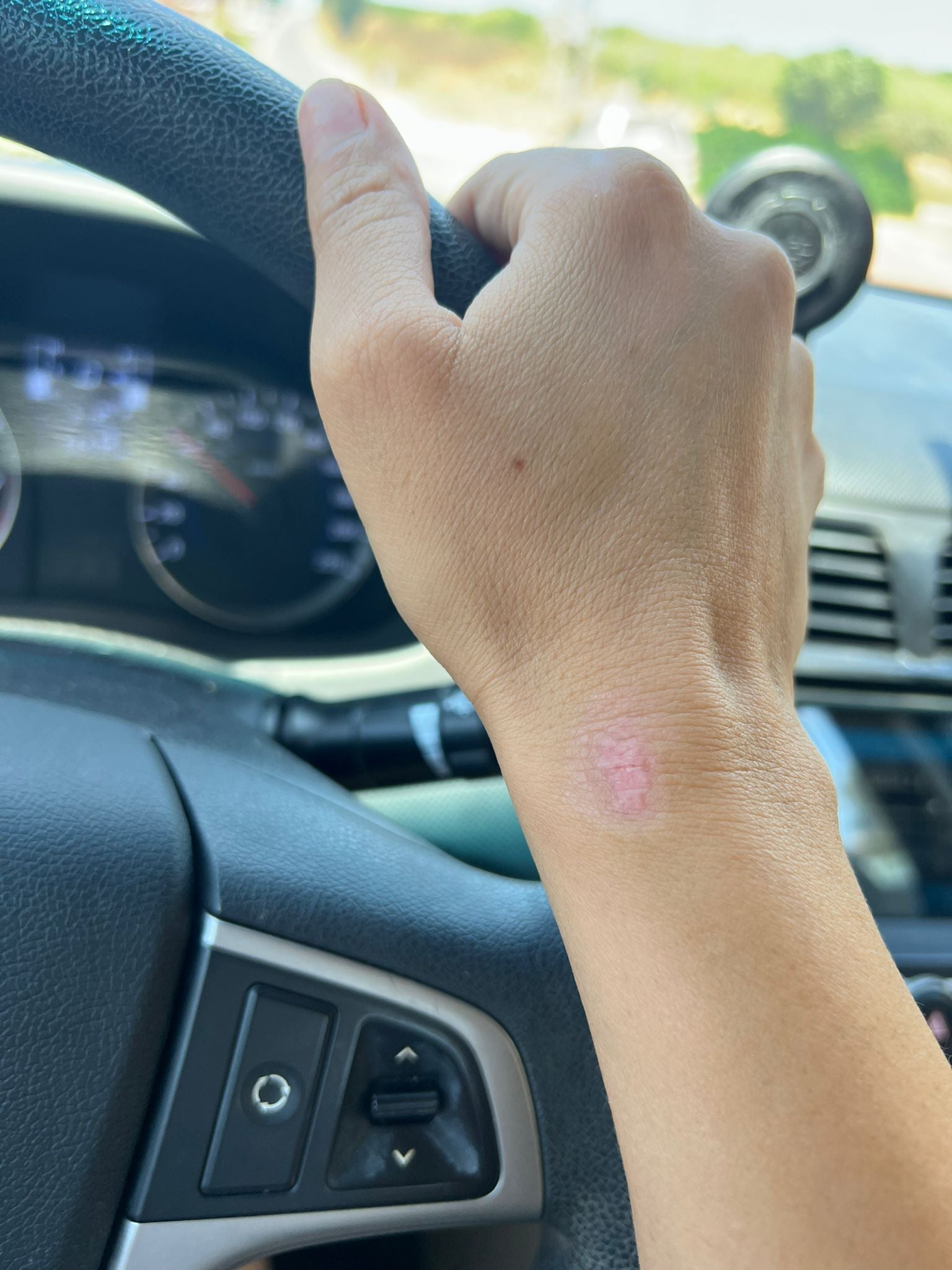
- Minor first-degree burns: red, painful, dry burns without blisters. These often affect only the top layer of skin.
- Small superficial second-degree burns: burns with small blisters, more tenderness, and some moisture at the surface.
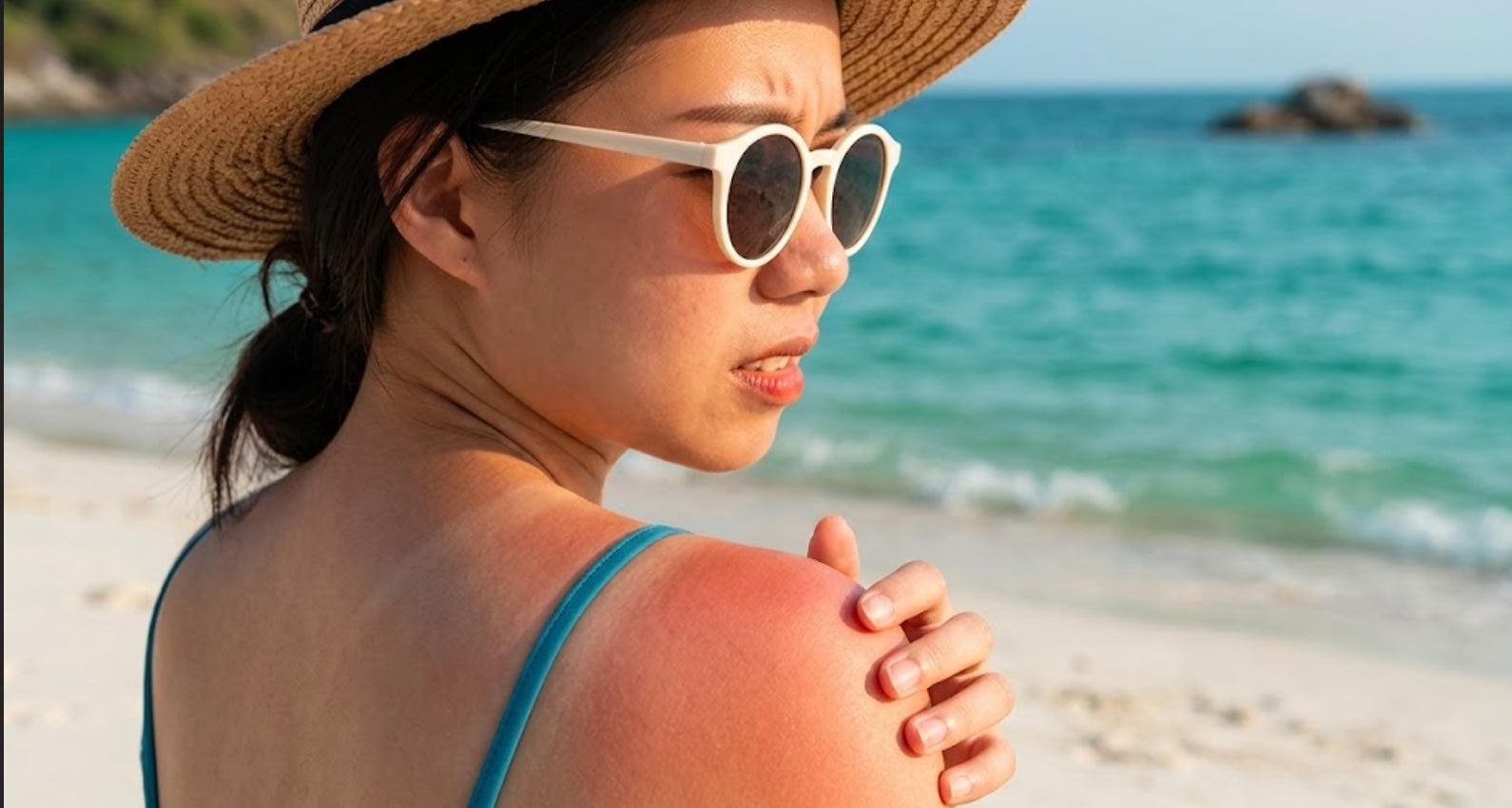
- Sunburn: usually a surface burn, though severe sunburn can blister and become a medical issue.
- More serious burns: deep burns, large burns, chemical burns, electrical burns, or burns on the face, hands, feet, genitals, or major joints. These should not be self-treated with over-the-counter products alone.
What a good burn cream should actually do
A good burn cream or ointment should do a few basic things well:
- calm the area
- reduce moisture loss
- support surface healing
- avoid adding fragrance, harsh actives, or unnecessary irritation
It does not need to promise overnight repair. For minor burns, simple and gentle is often the better choice.
First aid comes before any cream or ointment
This matters more than the product.
In the first minutes after a minor thermal burn, immediate care usually makes more difference than which burn cream you apply later. Trusted medical sources such as Cleveland Clinic, AAD, and MedlinePlus consistently recommend cooling the burn with running water rather than reaching for household remedies.
What to do in the first 20 minutes
If the burn is minor, use this simple approach:
- Move away from the heat source.
- Cool the burn under cool running water for about 20 minutes. Not ice-cold water.
- Remove rings, watches, or tight clothing near the area before swelling starts.
- Gently clean the skin if needed.
- Cover loosely with a clean non-stick dressing or clean cloth.
- Apply a simple ointment or soothing product later if the burn is minor and the skin can be managed at home.
What not to put on a fresh burn right away:
- ice
- butter
- toothpaste
- essential oils
- heavily fragranced creams
- alcohol-based products
These can irritate the skin further or make proper burn care harder.
When not to treat a burn at home
Do not rely on home care alone if the burn is:
- large
- deep, white, charred, leathery, or numb
- caused by chemicals or electricity
- on the face, genitals, feet, hands, or over a major joint
- showing signs of infection
- causing fever or severe pain
- affecting a young child, older adult, or someone with a condition that slows healing, such as diabetes
If you are unsure, it is safer to get medical advice early.
Best burn cream options for minor burns and blisters
Instead of chasing a single "best burn cream," it helps to understand the main over-the-counter categories. Each does something slightly different.
Some mainly soothe. Some mainly protect. Some help prevent the wound from drying out. None of them replaces proper medical care when a burn is more serious.
If you are searching for the best cream for burn blisters or the right ointment for burn skin, the first question is whether the blister is intact. Unbroken blisters usually need protection, not aggressive treatment.
Petrolatum and simple protective ointments
For many minor burns, a simple protective ointment is one of the most practical options.
Petrolatum-based ointments help by:
- reducing water loss
- keeping the area from drying and cracking
- supporting the moist environment that surface wounds generally heal better in
- avoiding unnecessary active ingredients
This is one reason simple ointment formulas are often recommended for small household burns after cooling the area first. They are not exciting, but they are often useful.
Aloe vera and cooling burn gels
Aloe vera is a common choice for mild burns and sunburn, mostly because it feels soothing and cooling on hot skin. Research has also suggested aloe may support healing in some superficial burn settings, but comfort is often the main reason people reach for it.
A gel texture can make sense when:
- the burn is mild and spread over a larger area
- the skin feels hot and tender
- a heavy ointment feels too occlusive
For a superficial sunburn, a plain aloe gel may feel better than a thick ointment. For a small dry burn on the hand, the opposite may be true.
Antibiotic ointment, pain-relief creams, and blister care
Antibiotic ointment may be used in some cases for a small open area, but it is not always necessary for every minor burn. Some people also develop irritation or allergy from topical antibiotics, so more is not always better.
Topical pain-relief products can also sting or irritate sensitive burn skin, especially if they contain added fragrance or numbing ingredients.
For blister care:
- do not pop an intact blister unless a clinician tells you to
- protect it from friction
- keep the area clean
- use a simple, non-irritating cream or ointment if needed around the area, not aggressively over damaged skin without guidance
How to choose the best burn cream for your situation
The right choice depends less on branding and more on what the skin looks like right now.
A small kitchen burn, a sunburn, a blistered burn, and cracked healing skin all need slightly different aftercare.
If the burn is red but not blistered
If the skin is red, tender, and dry but not blistered, a soothing gel or a simple barrier-supporting ointment is usually the most reasonable place to start.
Look for:
- fragrance-free formulas
- minimal ingredients
- a texture you will actually use comfortably
If the area is exposed to daylight once the skin has settled, sun protection matters. Freshly healed skin is more likely to discolor with UV exposure.
If the burn has small blisters
This is where people often search for the best burn cream for 2nd degree burn. The important detail is that some small superficial second-degree burns can be managed at home, but larger, deeper, or worsening burns should be assessed by a professional.
For small blistered burns:
- protect the area from rubbing
- keep it clean
- avoid popping blisters
- use a non-irritating ointment or dressing approach that supports moist wound healing
If there is obvious dirt, increasing redness, drainage, or deeper-looking tissue, home care is no longer enough.
When a prescription burn cream may be used
Prescription burn cream is not the default answer for every household burn.
In some clinical settings, a doctor may use prescription products such as silver sulfadiazine. But these are for clinician-guided use, not something to treat as the automatic best burn cream for minor burns. In many small superficial burns, simpler care is often enough.
If you are choosing between scented vs fragrance-free, cream vs ointment, or wondering if a silver product is necessary, the safer rule for minor burns is usually this: choose the simplest formula that protects the skin without irritating it.
What burn creams cannot do: realistic expectations, healing time, and when to get help
No cream or ointment can reverse a deep burn, prevent every scar, or replace medical care for an infected or extensive wound.
That limitation matters. It is not a failure of the product. It is just the reality of burn care.
How long does a minor burn take to heal?
A calm, general guide:
- Minor first-degree burns: discomfort often improves within a few days, with the skin settling in around a week.
- Small superficial blistered burns: can take longer, often one to two weeks or more depending on depth, friction, and care.
- Sunburn: mild cases may improve within several days, while peeling and sensitivity can linger.
Healing is often slower on hands, feet, and areas that rub against clothing. Age, diabetes, circulation problems, and repeated friction can also slow recovery.
Can burn cream prevent scarring?
Not completely.
Good wound care may reduce the visible impact of a minor burn by limiting dryness, cracking, and unnecessary irritation while the skin recovers. But no over-the-counter burn cream can guarantee scar prevention, especially after deeper burns or burns that become infected.
If you are concerned about scarring after a burn heals, a surgical scar cream may be worth exploring for the recovery phase once the wound has closed.
Get medical help if the burn starts looking worse rather than better, including:
- increasing redness
- swelling
- pus or cloudy drainage
- worsening pain
- bad smell
- fever
- delayed healing
- skin that looks darker, deeper, or more damaged over time
FAQ
What is the best burn cream for a minor kitchen burn?
For a minor kitchen burn, the first step is cool running water for about 20 minutes. After that, a simple fragrance-free ointment or a gentle aloe-based product is often enough. The best choice is usually the one that protects the skin without stinging or adding extra irritation.
What is the best cream for burn blisters?
For small intact burn blisters, protection matters more than aggressive treatment. A simple ointment and a non-stick covering are often more useful than heavily medicated creams. Do not pop unbroken blisters unless a clinician advises it.
Is ointment for burn skin better than cream?
Often, yes for small minor burns that are drying out. Ointment is thicker and usually better at reducing moisture loss. But for larger mild surface burns or sunburn, some people prefer a lighter gel or cream because it feels more comfortable. The best texture is the one that supports healing without irritating the area.
What should I put on a burn right away?
Start with cool running water, not cream. In the first minutes, water matters more than product choice. Avoid ice, butter, toothpaste, essential oils, and fragranced products. Once the burn has been cooled and is clearly minor, a simple ointment or soothing gel may help.
When do I need prescription burn cream or a doctor visit?
You need medical advice for large burns, deep burns, chemical or electrical burns, burns on sensitive body areas, signs of infection, severe pain, fever, or a burn that is not improving. Prescription burn cream is for clinician-guided use and is not the default best choice for every minor household burn.