Aquaphor vs Vaseline
Aquaphor vs Vaseline: which one your skin actually wants
One is pure petrolatum. The other adds six ingredients, and that is where most of the reactions come from.
Shop BioVelvet →Aquaphor vs Vaseline: the difference in one line
Aquaphor and Vaseline are both occlusive ointments, which means their job is to sit on the surface and slow water loss rather than change anything underneath. Neither one treats eczema, psoriasis, rosacea, acne or chronic lip dermatitis, and in 2026 that is still the single most common misunderstanding about both products.
Vaseline is 1 ingredient. Aquaphor is petrolatum plus 6 more, which is why it spreads more easily and why more people react to it.
That is the whole comparison. Everything below is about which side of that trade-off your skin sits on.
Why people search for this
Nobody arrives at this question abstractly. There is usually a specific problem behind it: lips that have cracked open, an eczema patch that will not settle, a scrape that keeps drying out, or a face left raw by a retinoid. The useful question is not which brand wins. It is which one your skin is more likely to tolerate this week.
Petroleum-free · Lanolin-free · Non-greasy
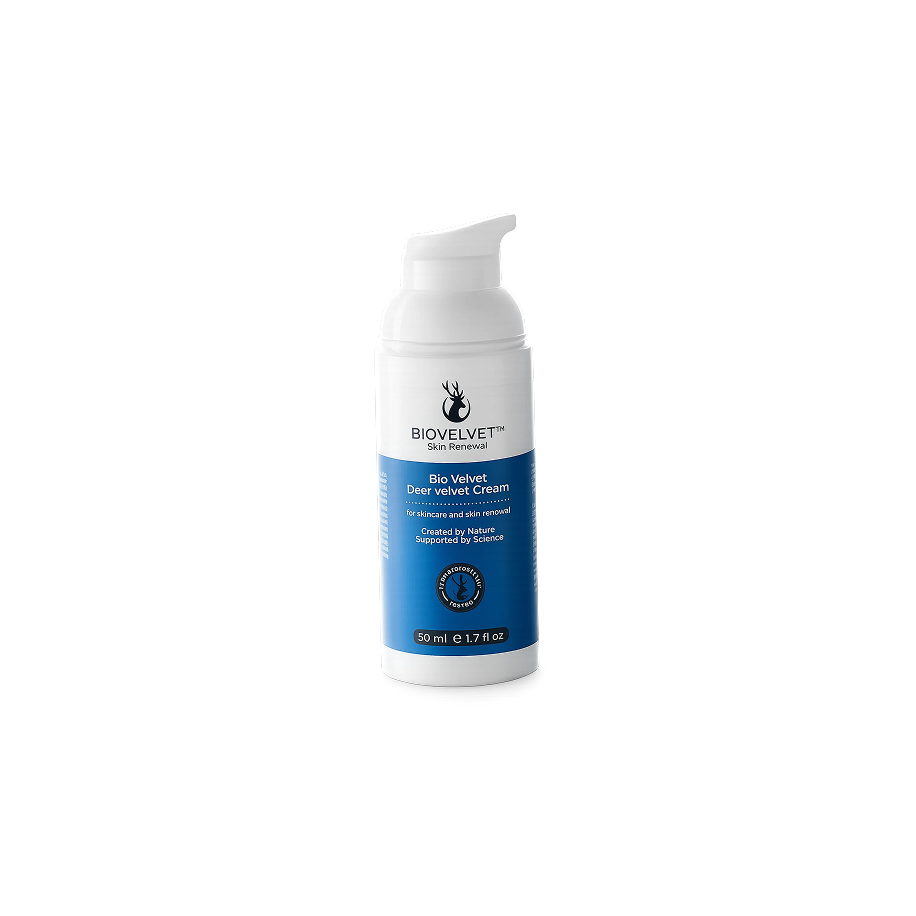
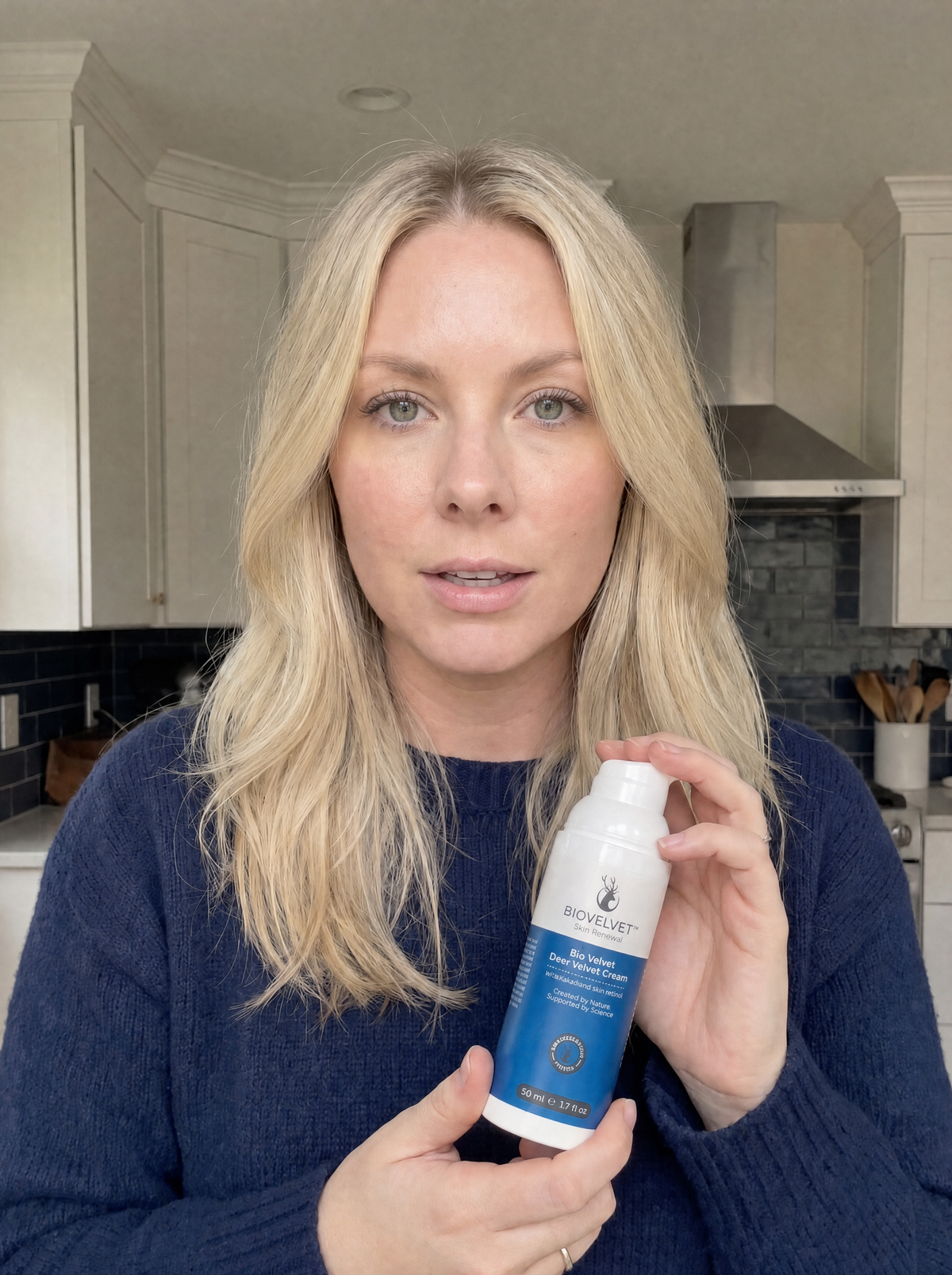
BioVelvet Recovery Cream
Soothes irritated skin without petrolatum or lanolin, and absorbs in instead of sitting on top.
What is actually in each one
The ingredient list explains everything people notice about these two products, including why one feels stiffer and why the other causes more reactions.
| Vaseline | Aquaphor Healing Ointment | |
|---|---|---|
| Formula | 100% white petrolatum | Petrolatum base plus mineral oil, ceresin, lanolin alcohol, panthenol, glycerin, bisabolol |
| Feel | Stiffer, greasier, sits where you put it | Softer, spreads more easily over cracked skin |
| What it does | Seals the surface, nothing else | Seals, and conditions while it does |
| Reaction risk | Very low, there is little to react to | Higher, and lanolin alcohol is the usual culprit |
Which one for lips, face, eczema and minor wounds
Both products work in all four situations. The differences are smaller than the internet suggests, so one table beats four separate arguments.
| Situation | What to reach for | What to watch |
|---|---|---|
| Chapped lips | Either. Aquaphor feels nicer, Vaseline is simpler | Lips that keep peeling or burning are rarely just dry |
| Face, as a final night layer | Either, on dry patches rather than the whole face | Full-face slugging suits fewer people than it is sold to |
| Eczema-prone patches | Plain petrolatum is a strong default | Neither touches the immune side of eczema |
| Minor cuts and scrapes | Either, over gently cleansed skin | Superficial only, and not for burns or punctures |
| Post-retinoid dryness | Either, on the dry zones only | If the whole face is raw, reduce the actives instead |
Two habits matter more than the choice itself. Apply to skin that is still slightly damp, and use a thin layer rather than a thick mask. An ointment traps what is already there, so putting it on bone-dry skin seals in the dryness.
Sensitive, acne-prone and allergy-prone skin
If your skin reacts to a lot of things, start with Vaseline. Not because it is better, but because a single-ingredient formula gives you fewer variables when something goes wrong. That matters more if lanolin is already on your list of suspects, since Aquaphor contains lanolin alcohol and Vaseline does not.
If your skin is very dry but not especially reactive, Aquaphor will probably feel better, and a product you are willing to reapply beats a product you abandon in week two.
For acne-prone skin, the answer is targeted use. A small amount on the corners of the nose, around the mouth, and on flaky patches does the job without wearing an ointment across your whole face. Reddit threads on this are worth reading for lived experience and useless for predicting what your own skin will do. Patch testing settles it faster than scrolling.
What neither product can do
This is where expectations need setting before you buy either one.
Slow water loss from very dry skin. Protect a cracked or superficially scraped area. Make skin feel less tight within hours. Support the barrier while it recovers from over-cleansing or too many actives.
Cure eczema, psoriasis, rosacea, acne or chronic lip dermatitis. Fix skin inflamed by infection or contact allergy. Undo an overloaded routine while you keep running it. Replace treatment for a diagnosed condition.
Comfort arrives fast with these products, which is exactly why they get over-credited. Barrier recovery still depends on consistency and on removing whatever is causing the problem.
When to stop guessing and get advice
Oozing, yellow crusting, a rash that is spreading, severe pain, deep cracks, blistering burns, or symptoms that keep returning despite basic care. At that point the problem is bigger than dryness and another ointment will not resolve it.
Petrolatum ointment vs a light cream: different jobs
Aquaphor / Vaseline
- Strong occlusive seal
- Cheap and everywhere
- Heavy, greasy finish
- No soothing actives in Vaseline
BioVelvet
- Light emulsion, absorbs in
- Allantoin and bisabolol to soothe
- Petroleum-free and lanolin-free
- Contains tea tree oil, patch test first
These are not substitutes for each other. An ointment seals the surface and a cream hydrates and soothes without the occlusive layer. Pick by whether your skin needs sealing or settling.
Choosing between them in real life
Reach for Vaseline when you want the fewest possible ingredients and a safe starting point for reactive skin. Reach for Aquaphor when your skin is cracked rather than touchy and you want something that spreads without dragging.
Neither choice is a commitment. Both are cheap, and the sensible move with reactive skin is to try the simpler one first and only add ingredients if it is not doing enough.
If what you are after is comfort on irritated skin rather than a seal over dry skin, an ointment is the wrong category altogether. BioVelvet Recovery Cream is built for that second job: allantoin and bisabolol to settle the surface, sodium hyaluronate and glycerin for water, in a petroleum-free base. If you have already decided to move off Aquaphor entirely, our guide to choosing an Aquaphor alternative covers that decision instead.
Ready to try?
BioVelvet Recovery Cream
For skin that needs soothing rather than sealing. Free of petrolatum and lanolin, and light enough to wear in daylight.
FAQ
Is Aquaphor or Vaseline better for lips?
Neither is universally better. Aquaphor is often preferred because it feels softer on the lips, while Vaseline is preferred for its simpler formula. If your lips keep peeling or burning, the issue may be irritation or dermatitis rather than dryness alone.
Can you use Aquaphor or Vaseline on your face every day?
You can, but that does not mean everyone should. Both work best as a final sealing layer on very dry or compromised skin. If your skin is balanced, oily, or easily congested, targeted use on dry areas makes more sense than full-face daily use.
Which is better for eczema, Aquaphor or Vaseline?
Plain Vaseline is a strong starting point for many people with eczema because it is simple and reduces water loss effectively. Others prefer Aquaphor for the softer texture. Neither treats the immune cause of eczema, and severe or worsening eczema needs medical care.
Why do some people react to Aquaphor but not Vaseline?
Aquaphor carries additional ingredients including lanolin alcohol, while Vaseline is pure petrolatum. More ingredients mean more possible triggers, which is why very reactive skin often does better with the simpler option first.
Do Aquaphor and Vaseline help wounds heal faster?
They support the healing of minor superficial cuts and scrapes by keeping the area protected and stopping it drying out. They are not treatments for deep wounds, infected wounds, or serious burns, and they do not replace proper wound care.
Is there an alternative to both for sensitive skin?
Petrolatum ointments and lighter emulsions do different physical jobs, so they are not interchangeable. An ointment seals the surface. A cream hydrates and soothes without the heavy occlusive layer. Which suits you depends on whether your skin needs sealing or settling.