Chapped hands
Why hand cream alone does not fix chapped hands
The cause keeps reopening the skin. Here is what actually gets your hands back, and when it is not chapping at all.
Shop BioVelvet →

Chapped hands are a barrier problem
Chapped hands happen when the outer layer of skin on your hands is stripped faster than it can rebuild, so water escapes and the surface turns rough, red and tight. Hands get it first because they are washed more than almost any other skin you have, and they carry far fewer oil glands than your face.
That is why hand cream alone so often fails. If soap, sanitiser, cold air and wet chores keep reopening the barrier, the cream is refilling a leak rather than fixing it, and the hands stay stuck in the same wash, sting, crack loop.
Chapped or just dry
Dry hands feel tight and look a little dull. Chapped hands have gone further: roughness, redness, flaking, stinging when you wash, and in the worst cases splits across the knuckles and around the fingertips. Chapping means the barrier is not just low on moisture but actively damaged, which is why it needs a different routine rather than more of the same lotion.
What is chapping your hands
The causes are rarely mysterious. It is usually two or three of these at once, and the ones you do daily matter more than the weather.
| Trigger | What it does | What helps |
|---|---|---|
| Frequent handwashing | Strips the oils that slow water loss, every time | Lukewarm water, a gentler soap, cream after each wash |
| Hand sanitiser | Alcohol dries the surface, and stings on cracks | Cream as soon as it has dried, where you can |
| Wet work and cleaners | Dishes, bathing kids and detergents soak and strip the barrier | Waterproof gloves for every wet job |
| Cold air and indoor heating | Low humidity pulls water out all day | Gloves outside, a richer cream in winter |
| Hot water | Removes more oil than lukewarm does | Turn the tap down |
Why your hands chap suddenly
If your hands were fine last month and are cracking now, something changed. The usual suspects are a new soap or washing up liquid, the first cold snap of the season, a cold that has you washing and sanitising more, or a new job or hobby involving water or chemicals. Finding that change is faster than finding a better cream.
How to treat chapped hands
Wash with lukewarm water and a gentle cleanser. Pat dry, then put cream on straight away while the skin is still slightly damp, because cream traps water that is already there. Do that after every wash, not once in the morning. Keep a tube by the sink, at your desk and in your bag, since the cream you reapply beats the better one you leave at home.
While your hands recover, cut the triggers you can: gloves for wet chores and for the cold, and a break from anything that stings.
Cream or ointment for your hands
Most advice on chapped hands points at a thick petrolatum ointment, and for split skin and overnight that is right. It seals the surface better than anything else.
During the day the calculation changes. Your hands are working. An ointment leaves a slick film on your phone, keyboard and door handles, so most people wipe it off within the hour or skip it. For daytime, a rich cream that absorbs in and lets you carry on is the one you will actually reapply, and reapplying is what rebuilds the barrier. If you want an ointment for the overnight step, our guide to Aquaphor vs Vaseline covers which one.
Ointment or cream for chapped hands
Petrolatum ointment
- Best seal on split skin
- Ideal overnight under gloves
- Leaves a film on everything you touch
- Rarely reapplied during the working day
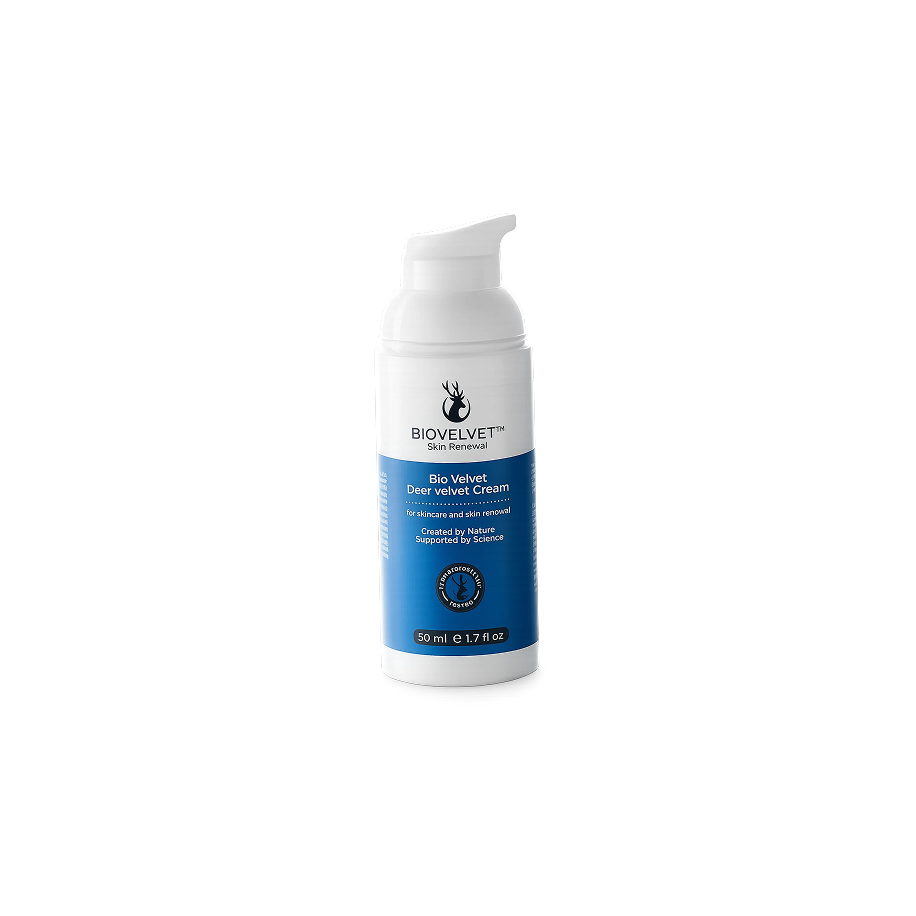
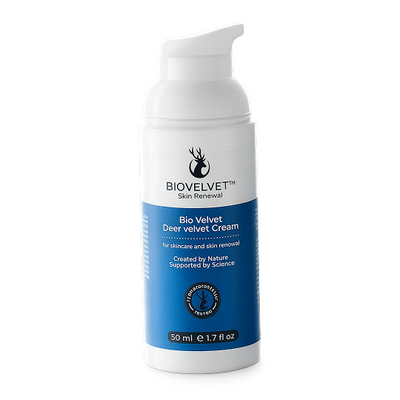
BioVelvet
- Absorbs in, hands usable straight after
- Glycerin and sodium hyaluronate hold water
- Allantoin and bisabolol to soothe
- Contains tea tree oil, patch test first
Use both. Ointment on open splits and overnight, a cream that absorbs during the day, when reapplying after every wash is what actually gets your hands back.
An overnight routine for cracked hands
Night is when hands recover fastest, because they are not being washed. Wash gently, pat almost dry, then apply a thick layer of ointment or rich cream, working it into the knuckles, fingertips and any cracks. Pull on soft cotton gloves if you can stand them. They keep the layer on your skin instead of your sheets.
Gloves for chapped hands
Gloves do more than any product. Waterproof gloves for dishes, cleaning and bathing children stop the single biggest cause of chapping, and warm gloves outdoors stop the cold doing the rest. Cotton gloves overnight hold your cream in place. Wear the waterproof pair over a thin cotton pair if latex or sweat bothers your skin.
Chapped hands or hand eczema
Stubborn chapping is sometimes hand eczema, and the two need different care. The American Academy of Dermatology puts the line simply: if your hands are extremely dry and painful and moisturising through the day is not helping, it may be eczema.
Worse in winter or after more washing. Tight, rough and stingy rather than itchy. Improves within a week or two once you protect your hands and moisturise after every wash.
Intense itch. Small blisters. Red inflamed patches that flare and return. A reaction every time you touch a particular soap, glove or chemical. No improvement despite careful care.
If itching is the main problem, our guide to the best cream for itchy skin covers that side.
When to see a doctor
Oozing, yellow crusting, increasing redness or swelling, deep cracks that bleed, or hands that have not improved after one to two weeks of consistent care. Those can point to infection or eczema and need more than a hand cream.
Very dry hands can also come from inside. Thyroid problems, diabetes and kidney disease can all cause dry skin, and so can low levels of vitamins such as B12. That is uncommon, and not a reason to start supplements, but dryness that arrived with tiredness or other changes is worth mentioning to your doctor.
How long chapped hands take to heal
Mild chapping improves in a few days once you protect your hands and moisturise after every wash. Rough, moderately dry hands take one to two weeks. Deep cracks take longer, and longer still if the cause is still there every day.
That last part is why prevention matters as much as the cream. Lukewarm water, cream after every wash, gloves for wet work and for the cold, and a tube wherever you wash your hands. Hands that start the day protected stay ahead of the damage instead of chasing it.
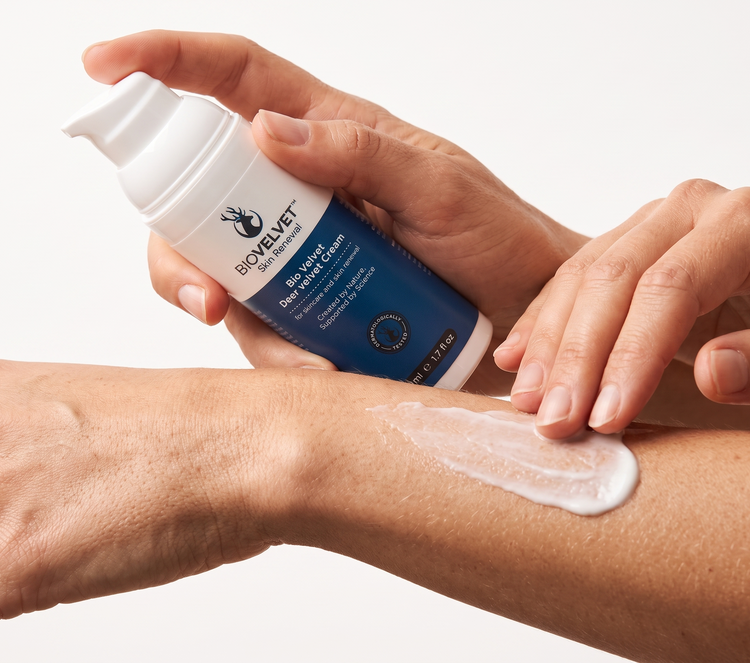
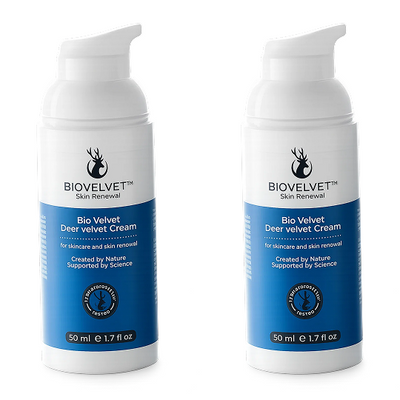
BioVelvet Barrier Cream is built for the daytime part of that routine: glycerin and sodium hyaluronate to hold water, allantoin, which the FDA recognises as a skin protectant ingredient, and bisabolol to soothe, in a petroleum-free and lanolin-free base that absorbs in. It contains tea tree oil, a recognised contact sensitiser, so patch test it first, and keep a plain ointment for any splits that are open.
FAQ
How long do chapped hands take to heal?
Mild chapping improves within a few days once you protect your hands and moisturise after every wash. Moderately dry hands take one to two weeks, and deep cracks take longer, especially if the cause is still there every day.
Why are my hands suddenly chapped?
Something changed: a new soap or cleaner, the first cold snap, more washing or sanitising during a cold, or new wet work. Finding that change usually fixes it faster than switching creams.
What is the best cream for chapped hands?
A rich cream with humectants like glycerin that you will actually reapply after every wash during the day, plus a thick ointment on any open splits and overnight. Reapplying matters more than the brand.
Do gloves help chapped hands?
Yes, more than any product. Waterproof gloves for wet chores remove the biggest cause, warm gloves protect against the cold, and cotton gloves overnight keep your cream on your skin.
Is it chapped hands or hand eczema?
Chapped hands sting and feel tight, and improve once you protect them and moisturise. Hand eczema tends to itch, blister and flare again and again. If your hands are very dry and painful and moisturiser is not helping, see a dermatologist.
What can cause very dry hands besides the weather?
Frequent washing, sanitiser, wet work and cleaners cause most cases. Less often, thyroid problems, diabetes, kidney disease or low vitamin levels such as B12 play a part, which is worth raising with a doctor if the dryness came with other changes.