Ingredients, explained
What is actually in the jar.
Deer antler velvet, hyaluronic acid, aloe vera, and allantoin, and what each one is doing in a recovery formula.
Shop BioVelvet →


Why ingredient transparency matters when your skin is already struggling
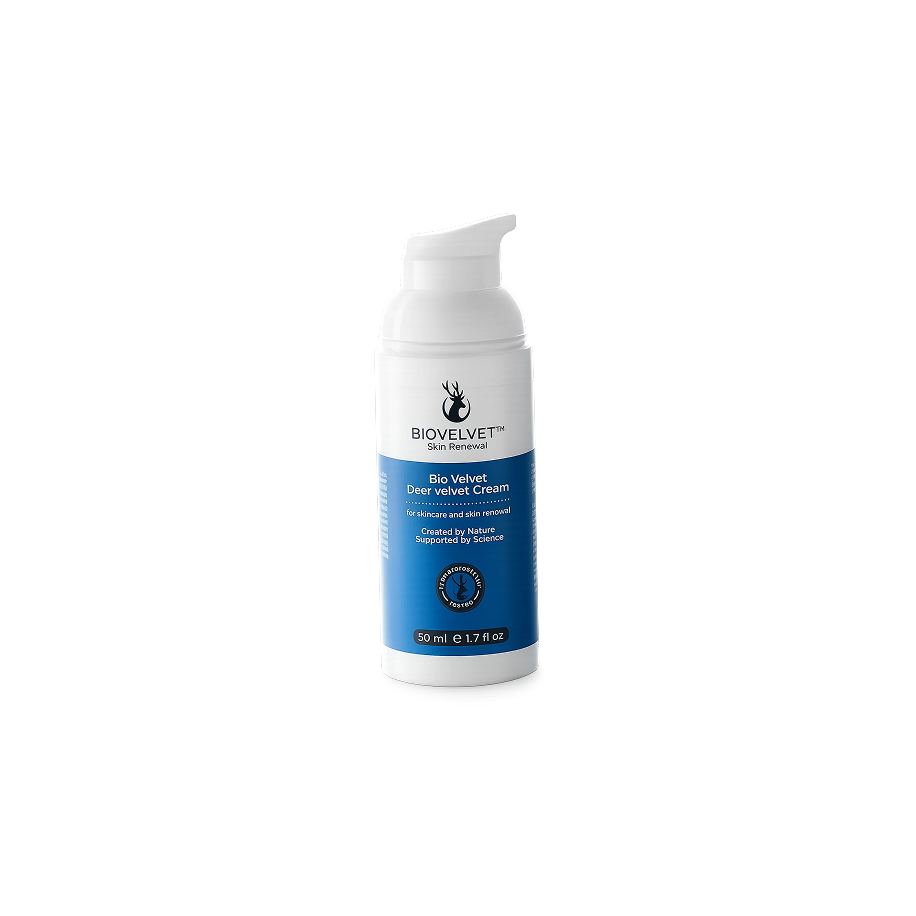
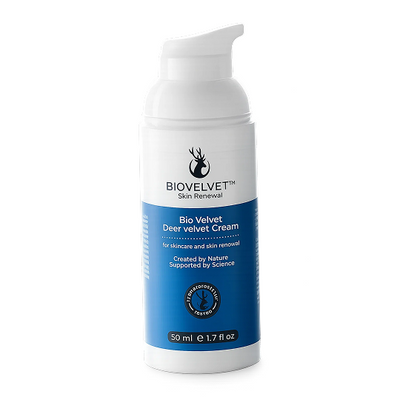
BioVelvet Recovery Cream is built around New Zealand deer antler velvet extract, with sodium hyaluronate, glycerin, allantoin, bisabolol and aloe vera doing the daily work of hydration and comfort. This guide goes through what each ingredient is and why it is in the jar. We read the cream's carton ingredient list line by line to confirm every BioVelvet ingredient named here.
If your skin is eczema-prone, scarred, reactive or simply dry all the time, you are probably past caring about pretty packaging and vague promises. What helps is knowing what is in the formula, why it is there, and whether it makes sense for skin that feels irritated, tight or fragile.
This is a plain-English breakdown of what the cream is made of and how the ingredients work together. For texture, pros and cons and who the cream suits, read our BioVelvet cream review.
A recovery cream deserves a slightly different test from a standard moisturiser. Ask whether it holds water in dry skin, whether it makes skin feel calmer and more comfortable while it settles, and whether it is simple enough to use every day for weeks. Those three questions guide the rest of this article.
What an ingredient list can tell you
An ingredient list shows the logic behind a formula. It tells you whether a product is built around moisture, comfort or texture, and which ingredients do the heavy lifting.
It also helps to remember that skin is individual. A cream that feels lovely on dry hands after winter can feel different on a face that has just been through a flare, so the best way to read any list is alongside what your own skin is doing right now.
How to read a recovery cream ingredient list
Most people look for one standout ingredient and stop there. Recovery formulas tend to work because several kinds of ingredients do different jobs at once, so it helps to sort the list into groups first.
The core ingredients behind the BioVelvet formula
BioVelvet Recovery Cream is a recovery cream first, built around deer antler velvet with a hydrating and comforting base around it. Here is how the full carton list sorts by job.
Tea tree oil (Melaleuca alternifolia leaf oil) is on the list too. It is an aromatic botanical oil, and it is one reason every recommendation of the cream comes with the same note. Patch test first: contains tea tree oil and royal jelly (bee-derived).
Deer antler velvet extract at the centre of the formula
Deer antler velvet is the foundation of the formula and the ingredient that sets BioVelvet apart from more familiar creams.
If you have heard of it before, it was probably in the context of oral supplements or sports headlines. That is a separate category. In BioVelvet the velvet goes on the skin, as one ingredient in a cream.
Velvet is the soft, fast-growing tissue that covers a deer's antler while it regrows each year. Most of what science knows about it comes from the lab, including studies on velvet antler peptides in animal wound models and rat-model work on red deer antler extract, which look at the biology behind that yearly regrowth. New Zealand deer antler velvet extract is in every jar of BioVelvet Recovery Cream, listed on the carton as Velvet Extract.
This is also where the founder story comes in. Dr. Zur, a veterinary scientist with more than 20 years of work with deer antler velvet, built the formula around an ingredient he had studied for decades in animal health. That history is why BioVelvet calls itself a recovery cream.
Hyaluronic acid for moisture
Hyaluronic acid, listed as sodium hyaluronate, is easier to recognise, and for good reason. It draws water into the skin and helps hold it there.
When skin feels tight, flaky or rough, moisture matters, and stressed skin feels far more comfortable once it is holding water again. Glycerin does a similar job and is one of the best-studied ingredients for skin hydration, so the two work as a pair in BioVelvet.
In the formula, hyaluronic acid works alongside deer antler velvet as the hydration partner, while the velvet stays at the centre of the story.
Aloe vera with allantoin and vitamin E
These ingredients do different jobs, and together they make the cream feel comforting on stressed skin.
Aloe vera helps calm dry, irritated skin, which is why it suits skin that feels hot, reactive or recently aggravated. It is also one of the most researched botanicals in skin care, with a long run of clinical trials on aloe vera behind it.
Allantoin soothes and smooths rough, chapped skin. That makes it useful on very dry areas such as hands, elbows, knees and feet. Bisabolol, a chamomile-derived ingredient, sits next to it and helps calm the look of redness.
Vitamin E appears on the carton as tocopheryl acetate, a stable form of vitamin E that is widely used in skincare. It is part of the brand story and sits near the end of the list.
Together these ingredients make the deer antler velvet story practical on real skin, adding comfort and a smooth feel. The formula is shea-free, and the smoothing work belongs to allantoin and jojoba.
The supporting ingredients most people overlook
Secondary ingredients often get skipped, yet they shape how a cream feels day to day and give a formula its character.
BioVelvet also includes seaweed extract (Fucus vesiculosus), ginkgo biloba, jojoba seed oil, Dead Sea minerals, manuka and royal jelly. Some of them shape the texture and the rest are part of the brand story.
Seaweed extract and ginkgo biloba
Fucus vesiculosus is a brown seaweed, often called bladderwrack, and like most seaweeds it naturally carries iodine. Ginkgo biloba leaf extract comes from the ginkgo tree, one of the oldest tree species in the world. Both are brand-story ingredients, included as part of the formula's botanical character.
Skin that feels inflamed or fragile usually does better with a formula that does several mild things at once than with one aggressive active, and that is the thinking behind a long botanical list like this one.
Jojoba seed oil and Dead Sea minerals
Jojoba seed oil softens skin without a greasy finish and helps the cream spread smoothly. It is one reason the cream absorbs without leaving a greasy film.
Dead Sea minerals appear on the carton as Maris Sal, the ingredient-list name for sea salt, and ours come from the Dead Sea. They are part of the brand story, named for what they are.
Manuka and royal jelly
Manuka (Leptospermum scoparium) is a New Zealand shrub, and its leaf extract is another brand-story botanical in the formula. Royal jelly extract is bee-derived, which matters for vegans and for anyone with a bee allergy.
Why the full formula matters more than one ingredient alone
Many shoppers choose skincare by one familiar ingredient name. That can be useful, though it only tells part of the story.
Recovery products work best when water-binding ingredients, comforting ingredients and a pleasant texture all pull together. A formula with an impressive hero ingredient still needs the rest of the list to keep skin comfortable enough to use it every day.
That is why the BioVelvet ingredient story goes well beyond deer antler velvet plus filler. The base is also petroleum-free and lanolin-free, which suits people who prefer to skip both.
BioVelvet vs a plain moisturizer at a glance
BioVelvet
- Formulated for comfort on dry, stressed skin
- Moisture and comfort ingredients, each with a job
- Petroleum-free and lanolin-free
- 90-day money-back guarantee
Plain moisturizer
- Softens surface dryness
- Simple, familiar formulas
- Good for everyday dryness on calm skin
- Cheap and easy to find
A plain moisturizer is a good everyday pick for calm skin that is only dry. BioVelvet gives each ingredient a job, from drawing in water to calming the look of redness, for skin that feels stressed.
What BioVelvet ingredients are good for
The most useful way to read this formula is to translate the ingredient list into everyday situations on intact skin.
BioVelvet makes the most sense for chronically dry or cracked skin, for a skin barrier that feels fragile, and for eczema-prone skin in the weeks after a flare. It also suits visible redness and reactive skin, skin that needs a calm moisturising layer once a procedure site has closed and your clinician is happy, and the healed skin around a scar alongside silicone gel or sheets.
The same cream can feel different from one situation to the next. On calm but dry skin it tends to feel deeply comforting. During an active flare, start with a small area and build up from there.
Where the formula makes the most sense
BioVelvet fits best when your skin needs comfort as well as moisture.
That usually means skin that stays vulnerable: skin that flares, cracks, feels thin, reacts easily or takes a while to settle. It also suits skin that has been stressed by weather, by overusing actives or by repeated cycles of irritation.
When to see a doctor
Some skin problems need a doctor before any cream. See one if a flare is severe or spreading, if skin looks infected, weeps or crusts, or if a raised scar keeps growing. Keep using any prescribed corticosteroid exactly as directed during a severe flare and ask your clinician before changing it. A moisturising cream can then sit alongside the plan you are given.
How long results take
Hydration and comfort usually improve first. Skin tends to feel less tight or rough before it looks noticeably different.
A smoother look on stubborn dry patches, or a softer look around older marks, takes longer and depends on using the cream every day. Think of it as a product that rewards consistency, and give it several weeks before you judge it.
Questions careful buyers ask about BioVelvet ingredients
People also want to know whether the sourcing is ethical, whether the formula fits a real routine, and whether it suits sensitive skin.
Is deer antler velvet in skincare ethical?
This is one of the first questions many people ask, and a fair one.
Deer antler velvet is the defining ingredient, and BioVelvet sources it from New Zealand. If animal welfare is your deciding factor, read the brand's current product information and contact the company directly with any specific questions before you buy.
Can BioVelvet be used with other skincare or prescription products?
Usually yes. A recovery cream fits best at the moisturising step or as the final calming layer of a routine.
In practice that can mean recovery nights between stronger active nights, the days after irritating actives have been paused, or the moisturising step after a procedure once your clinician has cleared topical products. It also works alongside medically supervised care where a moisturiser is still useful. If you use steroid creams or other prescription products, make any change to them with medical guidance.
Who should patch test or speak to a doctor first?
Patch testing is a good idea for almost anyone with reactive skin. It matters most if you:
- have very sensitive or allergy-prone skin
- are managing eczema, rosacea or another diagnosed skin condition
- are using prescription treatments
- are thinking about use on a baby or child
- have pregnancy-related safety questions
- react easily to botanical ingredients, tea tree oil or bee products
When in doubt, check first and stop if skin stings or reddens.
FAQ
What is deer antler velvet doing in BioVelvet?
It is the signature ingredient: New Zealand deer antler velvet extract, listed on the carton as Velvet Extract. Velvet is the soft tissue that covers a deer's antler while it regrows each year, and research on it so far has been done in lab and animal models. The everyday hydration and comfort come from the ingredients around it, such as sodium hyaluronate, glycerin, allantoin and aloe vera.
Are BioVelvet ingredients suitable for eczema-prone or sensitive skin?
The formula is built around hydrating and comforting ingredients that suit dry, eczema-prone skin, in a petroleum-free and lanolin-free base. Patch test first: contains tea tree oil and royal jelly (bee-derived). If your skin is very reactive or allergy-prone, try it on a small area for a few days before using it more widely.
Should I stop my steroid cream when I start BioVelvet?
Keep using a prescribed steroid exactly as your clinician directed, and ask them how and when to step down. BioVelvet Recovery Cream fits alongside that plan as the moisturising step, and it suits the stretch between flares and the weeks after one.
How long does BioVelvet take to show results?
Comfort and hydration tend to improve first, because skin feels less tight and rough before it looks different. Smoother-looking dry patches and a more even look take longer and depend on daily use. Every order has a 90-day money-back guarantee, which gives you time to judge it on your own skin.
Is topical deer antler velvet the same as deer antler velvet supplements?
They are two different uses. Topical deer antler velvet goes on the skin as part of a cream, while oral supplements are the context most people know from sports headlines.
Where does BioVelvet fit in a skincare routine?
At the moisturising step, or as the final layer of the evening. It suits recovery nights between stronger actives, the days after skin has been irritated, and the moisturising step alongside care your clinician supervises.